Pelvic Exam: A Complete Medical Overview

A pelvic exam checks the external and internal pelvic organs and may include a speculum exam and a bimanual exam. It is not always needed at every routine visit; the reason depends on age, symptoms, screening needs, and medical history.
Key Takeaways
- A pelvic exam checks the external and internal pelvic organs and may include a speculum exam and a bimanual exam.
- It is not always needed at every routine visit; the reason depends on age, symptoms, screening needs, and medical history.
- Patients can usually eat, drink, and continue normal activities before and after the exam unless another test is planned.
- The exam may feel unfamiliar or mildly uncomfortable, but it should not be intensely painful; patients can ask to pause at any time.
- Pelvic exams can help evaluate pain, bleeding, discharge, infection concerns, and other gynecologic symptoms.
A pelvic exam is a common clinical examination used to assess the health of the reproductive and nearby pelvic organs. It may be done as part of preventive care, to investigate symptoms, or to support screening and diagnosis in a respectful, private medical setting.
Overview: what a pelvic exam is
A pelvic exam is a medical examination of the pelvis and reproductive organs. In most cases, it includes an inspection of the external genital area and may also include an internal examination of the vagina, cervix, uterus, ovaries, and surrounding tissues. The purpose is to look for signs of normal health, identify possible causes of symptoms, and support preventive care when appropriate.
The term “pelvic exam” describes a group of examination steps rather than one single test. Depending on the reason for the visit, a clinician may perform only an external exam, or may add a speculum exam to view the vagina and cervix, followed by a bimanual exam to feel the uterus and ovaries. A pelvic exam may also be combined with screening tests such as a cervical screening sample, often called a Pap test, when indicated.
A pelvic exam is not automatically required at every checkup. Current practice is usually guided by symptoms, age, screening recommendations, sexual and reproductive history, and personal preferences. In some people, a pelvic exam is important for evaluating concerns such as unusual bleeding, pelvic pain, discharge, or a suspected infection. In others, the visit may focus on counseling, contraception, or screening without an internal exam.
Because this type of examination can feel sensitive, clinicians aim to explain each step clearly and obtain consent throughout. Patients can ask questions, request a smaller speculum when suitable, have a chaperone present, or ask the clinician to stop at any point. Clear communication often makes the experience easier and more comfortable.
Why a pelvic exam may be recommended
A pelvic exam may be recommended for preventive care, symptom evaluation, or follow-up of a known condition. In preventive settings, the visit may be used to discuss menstrual health, sexual health, contraception, fertility plans, menopause, and cancer screening. If screening of the cervix is due, the clinician may collect a sample during the speculum portion of the exam.
When symptoms are present, the examination helps narrow down possible causes. Common reasons include pelvic or lower abdominal pain, abnormal vaginal bleeding, missed periods, pain during sex, unusual discharge, genital sores, itching, or concerns about pregnancy-related changes. The exam can also support evaluation for conditions such as ovarian cysts or endometriosis, depending on the symptom pattern and the findings on examination.
In some cases, the clinician uses the exam to check healing or monitor a diagnosis that has already been made. Examples include follow-up after treatment for an infection, after a gynecologic procedure, or during ongoing care for prolapse, fibroids, or other reproductive health issues. The exam may be paired with imaging such as pelvic ultrasound if more information is needed.
Not every concern requires an internal examination. For example, some discussions about contraception, period symptoms, or urinary symptoms may begin with history-taking and a general physical exam alone. The decision is individualized, based on what information is needed to provide safe and appropriate care.
What happens during a pelvic exam
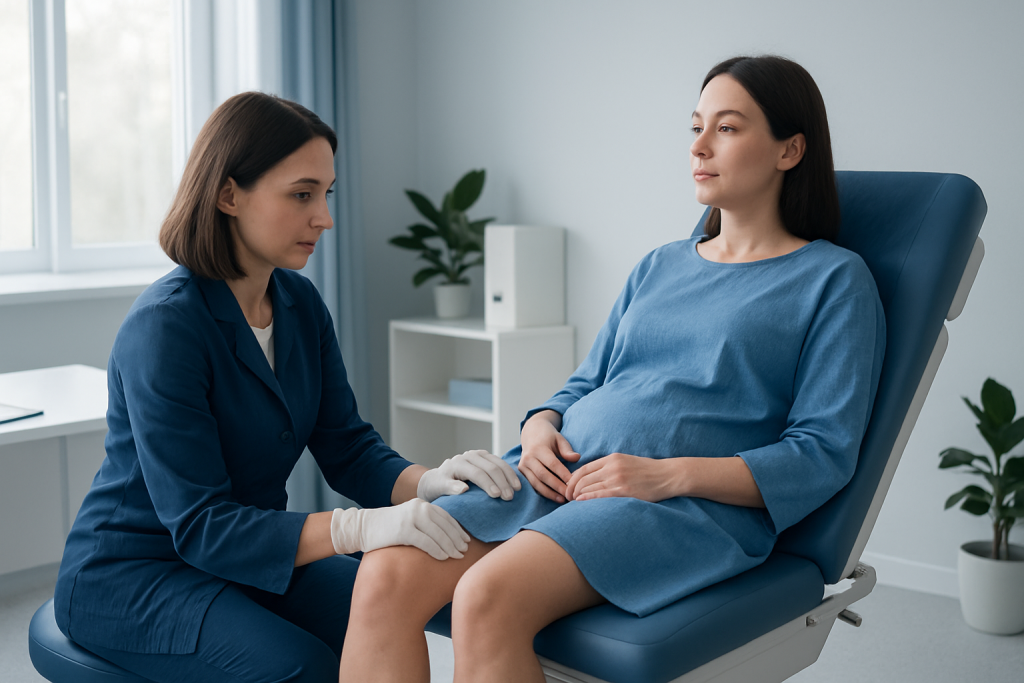
Before the exam begins, the clinician usually asks about symptoms, menstrual history, pregnancies, medications, allergies, sexual health, and previous test results. The patient is then given privacy to undress from the waist down or change into a gown. During the exam, the patient lies on the exam table, usually with knees bent and feet placed apart.
The first step is often an external inspection of the vulva and surrounding skin. The clinician looks for redness, swelling, skin changes, lesions, discharge, or signs of irritation. This can help identify issues such as infection, cysts, skin conditions, or trauma.
If an internal exam is needed, a lubricated speculum is gently inserted into the vagina so the vaginal walls and cervix can be seen. The speculum holds the walls apart briefly while the clinician checks for discharge, inflammation, bleeding, or visible abnormalities. If cervical screening or testing for infection is needed, a swab or brush may be used at this stage. Some patients describe pressure during this part of the exam, but it is usually brief.
After the speculum is removed, the clinician may perform a bimanual exam. This involves placing one or two gloved fingers into the vagina while the other hand presses gently on the lower abdomen. This allows the clinician to feel the size, shape, and movement of the uterus and ovaries, and to check for tenderness or masses. In selected situations, more specialized evaluation or procedures such as colposcopy may be advised if screening results or cervical findings need closer assessment.
How to prepare and how it may feel
In most cases, preparation for a pelvic exam is simple. Patients can usually eat and drink normally and take regular medications unless the clinician gives different instructions. It may help to schedule the visit for a day when menstrual bleeding is lighter if possible, especially if cervical screening is planned, though many exams can still be done during a period if symptoms are urgent.
Some people feel more comfortable emptying their bladder before the exam. Wearing easy-to-remove clothing may also help. If the patient has pelvic pain, vaginal dryness, past trauma, anxiety about examinations, or a history of discomfort with speculum exams, mentioning this beforehand is useful. The clinician can often adjust the pace, explain each step in advance, and use techniques to improve comfort.
The sensations of a pelvic exam vary from person to person. Many patients feel pressure or mild discomfort rather than pain. Deep breathing, relaxing the pelvic floor muscles, and asking the clinician to pause can reduce discomfort. If an exam is painful, that information itself may be medically important and should be communicated during the visit.
Supportive options may include having a chaperone or support person present if allowed by the facility, using a smaller speculum, or changing position. Clinicians should approach the exam respectfully and with consent at every stage. People who are pregnant, postmenopausal, or recovering from surgery may need a modified approach.
What doctors can learn from a pelvic exam
A pelvic exam can provide valuable information, but it is only one part of evaluation. Findings may suggest infection, inflammation, abnormal bleeding sources, pelvic floor problems, cysts, fibroids, or tenderness linked to disorders affecting the uterus or ovaries. It can also help identify visible changes of the cervix or vagina that need further testing.
At the same time, a normal pelvic exam does not rule out every condition. Some causes of pelvic pain or abnormal bleeding cannot be confirmed by physical examination alone. Depending on the symptoms, a doctor may recommend laboratory tests, urine tests, pregnancy testing, cervical screening, or imaging such as MRI or ultrasound.
When the exam or symptoms point to a gynecologic condition, additional tests help refine the diagnosis. For example, imaging may clarify whether pain is related to ovarian cysts, fibroids, or other structural causes. If a cervical abnormality is suspected, tissue sampling or a more detailed examination may be needed. In other cases, gastrointestinal, urinary, or musculoskeletal causes of pelvic symptoms must also be considered.
This stepwise approach helps avoid assumptions and supports accurate diagnosis. The pelvic exam remains useful because it combines direct observation with touch-based assessment, allowing the clinician to tailor the next steps rather than relying on testing alone.
Treatment and next steps after the exam
What happens after a pelvic exam depends on why it was done and what was found. If the exam is part of routine preventive care and no concerns are identified, there may be no immediate treatment at all. The clinician may simply advise when future screening or follow-up is due and discuss symptom monitoring, contraception, or lifestyle issues relevant to pelvic health.
If the exam suggests an infection, irritation, hormonal change, prolapse, cyst, or other condition, treatment is directed at the underlying cause. This may include medication, additional testing, watchful waiting, or referral to a gynecology specialist. Some concerns are managed conservatively, while others may need procedures or surgery, especially if symptoms are significant or persist over time. In selected cases, minimally invasive options such as laparoscopy are used to diagnose or treat pelvic disorders.
It is common to have mild spotting after cervical screening or after a sensitive speculum exam, but heavy bleeding is not typical. Most people can return to normal activities right away unless they had another procedure at the same visit. If tests were collected, the clinician explains how and when results will be shared.
Near the end of care planning, the patient should leave with a clear understanding of findings, whether they were normal or not, and what follow-up is recommended. Acibadem International’s multidisciplinary specialists in JCI-accredited hospitals diagnose and treat pelvic and gynecologic conditions for international patients when more advanced assessment is needed.
When to seek medical care
A pelvic exam may be appropriate when symptoms suggest a problem that should not be ignored. Medical advice is especially important for new pelvic pain, persistent or severe cramps, bleeding between periods, bleeding after sex, very heavy periods, unusual discharge, genital sores, or pain with intercourse. These symptoms can have many causes, and evaluation helps guide the right treatment.
Prompt medical attention is also important for fever with pelvic pain, fainting, severe abdominal pain, suspected pregnancy complications, or sudden worsening symptoms. These may indicate an urgent condition that needs timely assessment. A clinician may combine the examination with testing or imaging to identify the cause quickly.
People do not need to wait for severe symptoms to ask for help. Ongoing discomfort, changes in periods, recurrent urinary or vaginal symptoms, and concerns about fertility are all valid reasons to book an appointment. Early evaluation often provides reassurance when findings are normal and supports earlier treatment when they are not.
Anyone who feels anxious about a pelvic exam should mention this while arranging the visit. Care can often be adapted to the patient’s needs, with extra explanation, a slower pace, or an alternative plan when medically appropriate.
Frequently asked questions
Is a pelvic exam the same as a Pap test?
No. A pelvic exam is the physical examination of the pelvic organs, while a Pap test is a screening test that collects cells from the cervix. A Pap test may be done during a pelvic exam, but they are not the same thing.
How often is a pelvic exam needed?
The timing depends on a person’s age, symptoms, medical history, and screening needs. Some people need one because of symptoms, while others may not need an internal exam at every routine visit. A doctor can advise what is appropriate for the individual situation.
Does a pelvic exam hurt?
Many people feel pressure or brief discomfort rather than pain. The experience varies depending on anatomy, dryness, muscle tension, anxiety, and the reason for the exam. If it feels painful, the patient should say so right away so the clinician can pause or adjust the approach.
Can a pelvic exam be done during a period?
Yes, it often can, especially if symptoms are urgent. However, if the visit is mainly for routine cervical screening, the clinician may prefer a time when bleeding is lighter because it can make sample collection easier. Patients can ask whether rescheduling would be helpful.
Should a person avoid sex before a pelvic exam?
For a general pelvic exam, there are usually no strict restrictions. If a cervical screening test or certain vaginal tests are planned, the clinic may advise avoiding intercourse, douching, or vaginal products for a short period beforehand. It is best to follow the instructions given for that appointment.
Can someone refuse part of the pelvic exam?
Yes. Consent is an important part of medical care, and patients can ask questions, request changes, or decline part of the exam. The clinician should explain the reason for each step and discuss alternative options when possible.
References
- American College of Obstetricians and Gynecologists
- Centers for Disease Control and Prevention
- National Institutes of Health
- World Health Organization
- Office on Women's Health
This article is for general information only and is not a substitute for professional medical advice. Please consult a qualified doctor about your individual situation.
Explore treatments in Turkey — costs, top hospitals & a free quote
JCI-accredited · board-certified surgeons · reply within 24h
Add us as a Preferred Source to see more of our trusted health content across Google Search, AI Overviews and Discover.

More from the Health Library

Bumetanide: A Complete Medical Overview

Ultra Tampons: A Complete Medical Overview
Drowsy: An Evidence-Based Guide for Patients

Post Concert Depression: A Complete Medical Overview

Arteriography: A Complete Medical Overview