

Pelvic Fracture: A Complete Medical Overview

Pelvic fracture usually happens after high-energy trauma, but it can also occur after a low-impact fall in older adults with fragile bones. Symptoms commonly include pain in the hip, groin, buttock, or lower back, and trouble standing or walking.
Key Takeaways
- Pelvic fracture usually happens after high-energy trauma, but it can also occur after a low-impact fall in older adults with fragile bones.
- Symptoms commonly include pain in the hip, groin, buttock, or lower back, and trouble standing or walking.
- Doctors use physical examination and imaging, such as X-rays and CT scans, to assess fracture stability and check for internal injuries.
- Treatment ranges from pain control and limited weight-bearing to surgery, depending on the type of fracture and overall condition.
- Urgent medical care is important after significant trauma, severe pain, fainting, numbness, or trouble urinating.
A pelvic fracture is a break in one or more bones of the pelvis. Some pelvic fractures are relatively stable and heal with rest and rehabilitation, while others are medical emergencies because they can involve heavy bleeding or injury to nearby organs.
Overview
A pelvic fracture means that one or more of the bones forming the pelvis have broken. The pelvis is a ring-shaped structure that supports the spine, connects the trunk to the legs, and helps protect organs such as the bladder, bowel, and reproductive organs. Because of this central role, a pelvic injury can affect movement, pain levels, and sometimes the function of nearby organs and blood vessels.
Not all pelvic fractures are the same. Some involve a small crack in a single area and remain stable, which means the pelvic ring still holds its shape. Others are unstable, with the ring disrupted in more than one place or with associated damage to blood vessels, nerves, or internal organs. This difference is important because stable fractures may be treated conservatively, while unstable fractures often need urgent hospital care and sometimes surgery.
Pelvic fractures are seen in different age groups for different reasons. In younger adults, they are more often linked to major trauma such as road traffic accidents, falls from height, or crush injuries. In older adults, weaker bones from osteoporosis can allow a fracture to happen after a lower-impact fall. The outlook depends on the exact pattern of injury, whether there are associated injuries, and how quickly treatment begins.
Signs and Symptoms
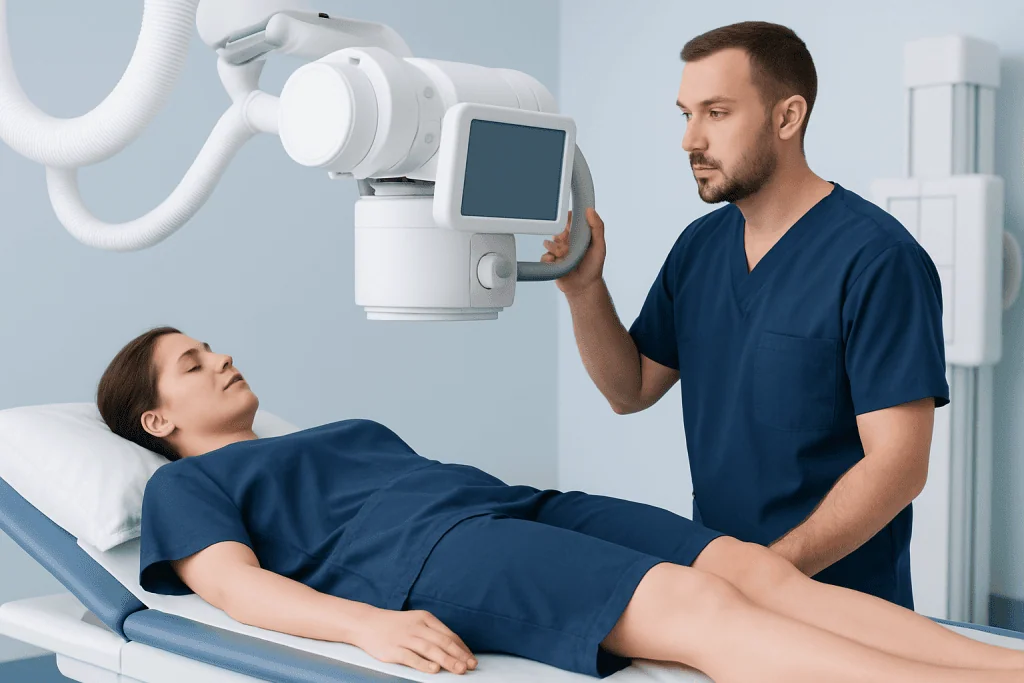
The most common symptom of a pelvic fracture is pain, especially around the hip, groin, buttock, lower back, or pubic area. Pain may worsen with movement, standing, walking, or trying to turn in bed. Some people can still move a little, especially with small stable fractures, while others cannot bear weight at all.
Other symptoms may include swelling, bruising, tenderness over the pelvis, and a feeling of instability in the lower body. There may also be pain radiating into the thigh or discomfort when sitting. In older adults, the injury can sometimes be mistaken for a hip or muscle problem because the main complaint is difficulty walking after a fall.
More serious injuries can cause warning signs beyond bone pain. These may include dizziness, fainting, pale skin, rapid heartbeat, numbness, weakness in the legs, blood in the urine, difficulty urinating, abdominal pain, or bleeding from the rectum or genital area. These signs can suggest internal bleeding or injury to nearby structures and need urgent evaluation.
- Pain in the pelvis, groin, hip, buttock, or lower back
- Difficulty standing, walking, or bearing weight
- Bruising, swelling, or tenderness
- Numbness or weakness in the legs
- Blood in the urine or trouble urinating
- Dizziness or signs of shock after trauma
Causes and Risk Factors
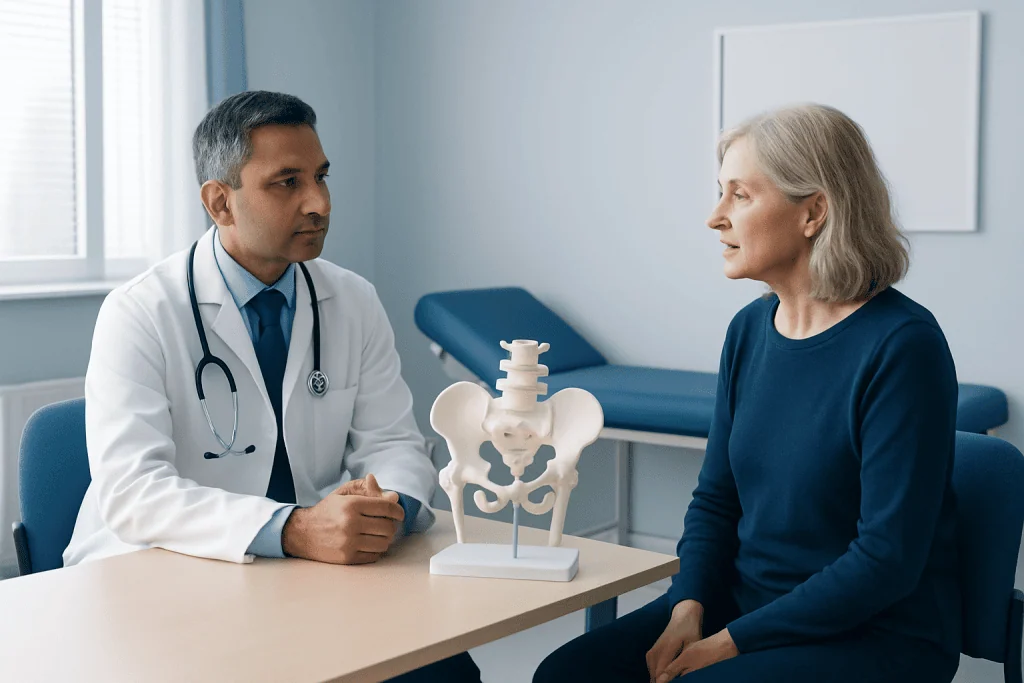
Pelvic fractures usually result from trauma. High-energy injuries are a classic cause, including motor vehicle collisions, motorcycle crashes, pedestrian injuries, sports trauma, and falls from significant height. These events can place strong force through the pelvis and may lead to complex fracture patterns as well as injuries in other parts of the body.
In older adults, a pelvic fracture may happen after a simple slip or fall from standing height. This is more likely when bones have become fragile because of osteoporosis. In these cases, the fracture may be less dramatic but can still cause marked pain and a loss of independence. An insufficiency fracture, which occurs when weakened bone breaks under normal stress, may also develop gradually and cause persistent pelvic or groin pain.
Several factors can increase risk. These include advanced age, low bone density, prior fractures, long-term steroid use, poor balance, certain neurologic conditions, and limited muscle strength. Athletes can also develop stress-related pelvic injuries from repetitive loading. Depending on the exact location, a doctor may also consider related conditions such as hip fracture or broader bone health issues like osteoporosis when evaluating pain after a fall.
How Pelvic Fracture Is Diagnosed
Diagnosis begins with a careful medical history and physical examination. Doctors ask how the injury happened, where the pain is felt, whether the person can walk, and whether there are symptoms such as numbness, abdominal pain, or urinary problems. In a major trauma setting, pelvic injury is assessed alongside breathing, circulation, and other possible life-threatening problems.
Imaging is essential. X-rays are often the first test and can identify many fractures, but they do not always show the full extent of the injury. A CT scan is commonly used to define the fracture pattern more clearly and look for associated bleeding or organ damage. In some lower-energy cases, MRI may help detect stress or insufficiency fractures that are not easy to see on initial X-rays.
Additional tests depend on the situation. Blood tests can help assess blood loss and general health. Urine testing may be done if there is concern about bladder or urinary tract injury. If doctors suspect damage to blood vessels, nerves, the bladder, or the bowel, more specialized evaluation may be needed. In some patients, diagnosis and treatment planning involve teams in trauma care, orthopedics, radiology, and physical therapy and rehabilitation.
Treatment Options
Treatment for a pelvic fracture depends on whether the injury is stable or unstable, whether other injuries are present, and the person’s age and overall health. Stable fractures often heal without surgery. Care may include pain relief, limited or protected weight-bearing, walking aids, and gradual mobilization. Preventing complications from immobility, such as blood clots, constipation, and muscle weakness, is also an important part of treatment.
Unstable pelvic fractures are more serious and may require emergency care to control bleeding and stabilize the pelvis. In hospital, treatment may include IV fluids, blood transfusion if needed, pelvic binders, and close monitoring. Surgery is considered when the bones need to be realigned or fixed in place, or when associated injuries must be addressed. Depending on the case, specialists may use orthopedics and traumatology services, and sometimes advanced imaging or interventional radiology to help manage bleeding.
Recovery is not only about the bone healing. Rehabilitation helps restore strength, balance, and confidence with movement. For older adults, treatment may also include evaluation for osteoporosis, fall prevention, and review of medications that affect balance or bone health. Pain that continues after healing should be reassessed, especially if it limits walking, sleep, or daily activities.
In selected cases, associated injuries may need focused care, including assessment of the urinary tract, bowel, or nearby joints. If symptoms overlap with other injuries around the pelvis and upper leg, clinicians may also evaluate for conditions such as proximal femur injury or soft tissue damage.
Recovery, Prevention, and Self-care
Healing time varies with the severity and location of the fracture. Small stable fractures may improve over several weeks, while more complex injuries can require a longer recovery. During this period, following weight-bearing instructions is essential. Returning to full activity too early may worsen pain or delay healing, while staying inactive for too long can slow rehabilitation and increase stiffness.
Self-care usually includes taking prescribed or recommended pain medicine as directed, using walking aids correctly, and attending follow-up appointments. Gentle movement, breathing exercises, and rehabilitation exercises can support circulation and muscle strength. People should avoid heavy lifting, sudden twisting, or high-impact activities until a clinician confirms that healing has progressed enough.
Prevention focuses on both bone health and injury reduction. Steps may include fall-proofing the home, wearing appropriate footwear, checking vision, maintaining leg strength and balance, and addressing osteoporosis risk. Adequate nutrition, especially sufficient calcium and vitamin D intake when appropriate, may support bone health. Patients recovering from pelvic fracture often benefit from structured rehabilitation to regain mobility safely.
When to Seek Medical Care
Medical assessment is important after any significant trauma, even if pain seems manageable at first. A person should seek prompt care if there is pelvic, hip, groin, or lower back pain after a fall, collision, or crush injury, especially if walking is difficult. Older adults should also be assessed after a low-impact fall if pain persists or movement becomes limited.
Emergency care is needed right away if there is severe pain, inability to stand, fainting, heavy bleeding, pale or clammy skin, rapid heartbeat, numbness or weakness in the legs, severe abdominal pain, blood in the urine, or trouble urinating. These symptoms can suggest internal bleeding or injury to organs near the pelvis and should not be ignored.
Follow-up care matters too. A doctor should review ongoing pain, delayed mobility, new swelling, fever, or worsening function during recovery. Near the end of treatment planning, some patients may choose a center with coordinated trauma, orthopedic, imaging, and rehabilitation expertise; Acibadem International’s multidisciplinary specialists and JCI-accredited hospitals diagnose and treat pelvic fractures for international patients.
Frequently asked questions
What is a pelvic fracture?
A pelvic fracture is a break in one or more of the bones that form the pelvis. It can range from a small stable crack to a more serious unstable injury that affects nearby blood vessels or organs.
Can a pelvic fracture heal without surgery?
Yes, many stable pelvic fractures heal without surgery. Treatment often includes pain control, limited weight-bearing, walking aids, and rehabilitation, while unstable fractures are more likely to need surgical management.
How long does pelvic fracture recovery take?
Recovery time depends on the type of fracture, age, overall health, and whether other injuries are present. Some stable fractures improve over weeks, while more complex injuries may take several months and require structured rehabilitation.
Is a pelvic fracture always an emergency?
No, not every pelvic fracture is an emergency, but some are. A fracture caused by major trauma or accompanied by severe pain, fainting, blood in the urine, or signs of shock needs urgent medical care.
What tests are used to diagnose a pelvic fracture?
Doctors usually start with a physical examination and X-rays. CT scans are commonly used to show the fracture more clearly and to look for internal bleeding or organ injury, and MRI may help in selected cases.
Can an older person get a pelvic fracture from a simple fall?
Yes. In older adults, weaker bones from osteoporosis can make a pelvic fracture possible even after a low-impact fall from standing height. This is why persistent hip, groin, or pelvic pain after a fall should be evaluated.
This article is for general information only and is not a substitute for professional medical advice. Please consult a qualified doctor about your individual situation.
Joint and spine care in Turkey — expert assessment & treatment
JCI-accredited · board-certified surgeons · reply within 24h
Add us as a Preferred Source to see more of our trusted health content across Google Search, AI Overviews and Discover.

More from the Health Library

Elderberry: An Evidence-Based Guide for Patients
Wobble Board Exercises — Explained by Medical Evidence, Not Myths

Yellow Scab: What Patients Need to Know

PSA: An Evidence-Based Guide for Patients

Amantadine: An Evidence-Based Guide for Patients

Olopatadine — Explained by Medical Evidence, Not Myths
Physical Medicine & Rehabilitation Specialists at Acibadem

Fzt. Atahan Vardı
Physical Medicine & Rehabilitation
Fzt. Atilla Murat Ünver
Physical Medicine & Rehabilitation
Dr. Atiye Ayral
Physical Medicine & Rehabilitation
Prof. Dr. Ayhan Aşkın
Physical Medicine & Rehabilitation