Pelvis: What Patients Need to Know
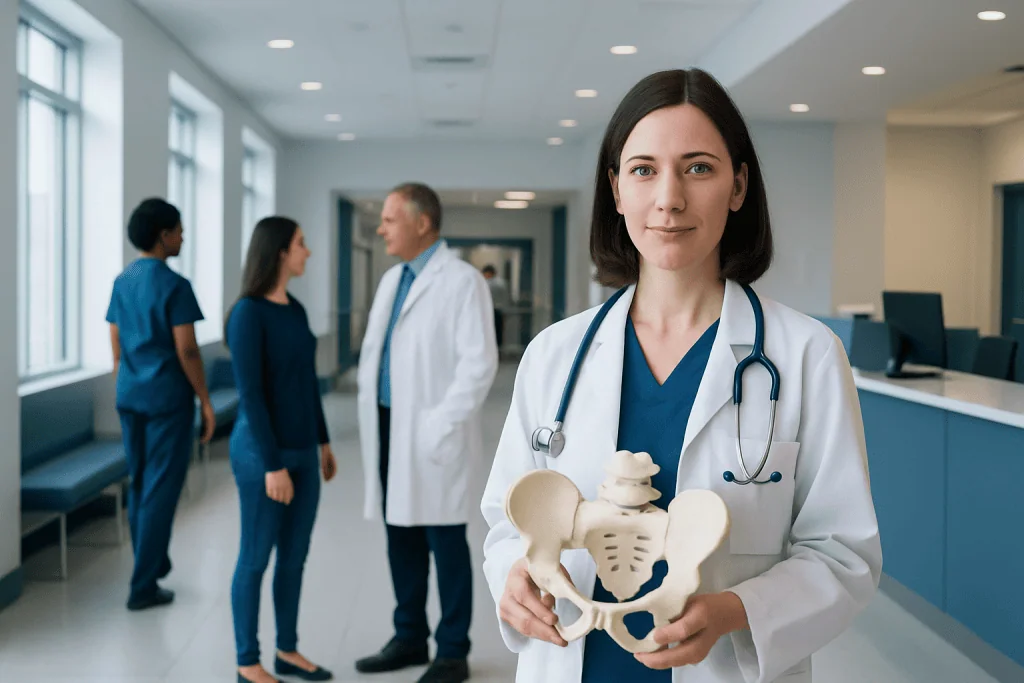
The pelvis includes bones, joints, muscles, nerves, blood vessels, and nearby organs, so symptoms may have several possible causes. Pelvic pain can come from the musculoskeletal system, urinary tract, digestive system, or reproductive organs.
Key Takeaways
- The pelvis includes bones, joints, muscles, nerves, blood vessels, and nearby organs, so symptoms may have several possible causes.
- Pelvic pain can come from the musculoskeletal system, urinary tract, digestive system, or reproductive organs.
- A careful history, physical examination, and targeted imaging or lab tests help identify the source of symptoms.
- Treatment depends on the cause and may include rest, physical therapy, medication, lifestyle changes, or specialist care.
- Urgent assessment is important for severe pain, trauma, fever, heavy bleeding, inability to pass urine, or new weakness.
The pelvis is the bony ring at the base of the spine that supports the body, protects important organs, and helps with movement, balance, urination, bowel function, and reproduction. When patients ask about the pelvis, they usually want to understand both its structure and why symptoms such as pain, pressure, or stiffness can happen.
Overview: what the pelvis is and why it matters
The pelvis is the lower part of the torso, located between the abdomen and the thighs. In simple terms, it is a strong bony ring that links the spine to the legs. It supports body weight when standing or sitting and helps transfer force during walking, bending, and lifting.
The pelvis is not only made of bone. It also includes joints, ligaments, muscles, nerves, and blood vessels. Within and around it are key organs such as the bladder, lower bowel, and, depending on sex, reproductive organs including the uterus and ovaries or the prostate. Because so many structures meet in one area, pelvic symptoms can feel confusing and may not always come from a single source.
Patients often use the word “pelvis” to describe pain in the hips, groin, lower abdomen, buttocks, or low back. In everyday care, the main question is not just where the discomfort is felt, but which tissue or organ is causing it. Understanding the basic anatomy helps patients know why doctors may consider bone and joint problems, muscle strain, bladder conditions, bowel disorders, gynecologic causes, or nerve-related pain.
Pelvis anatomy in patient-friendly terms
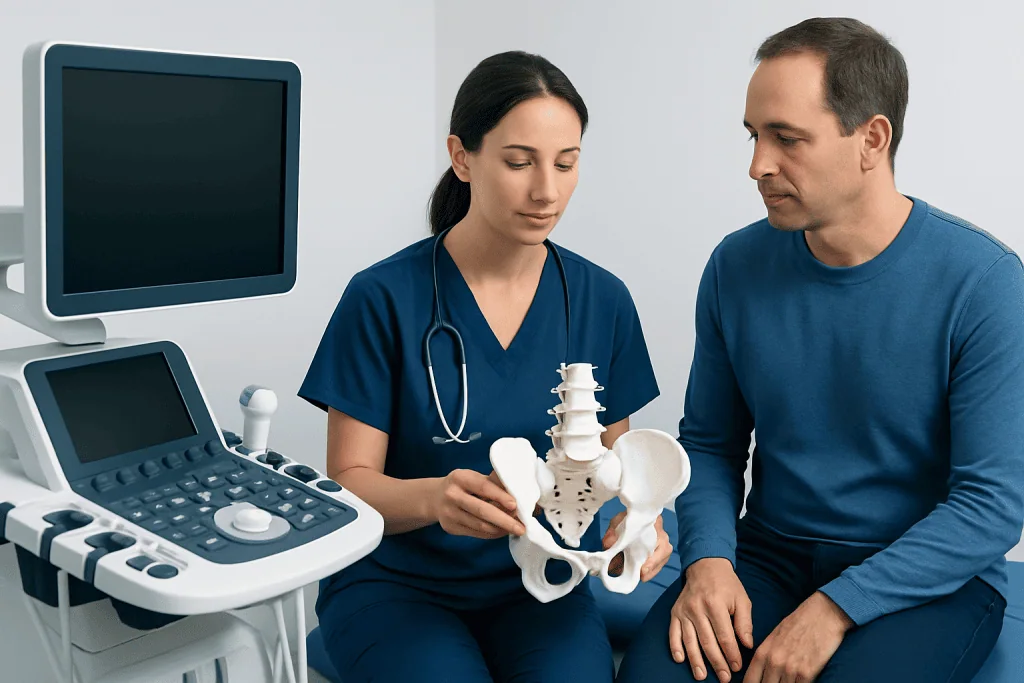
The bony pelvis is formed by the hip bones together with the sacrum and coccyx at the base of the spine. Important joints include the sacroiliac joints, where the spine meets the pelvis, and the pubic symphysis at the front. These joints provide stability while allowing a small amount of movement.
Muscles of the pelvic floor form a supportive sling at the bottom of the pelvis. These muscles help control urination and bowel movements and contribute to sexual function and core stability. Other nearby muscles, including the hip flexors, gluteal muscles, and deep rotators, also affect how the pelvis moves and how pain is felt.
Nerves in the pelvic region can also produce symptoms. Irritation of a nerve may cause burning, tingling, numbness, or pain that travels into the groin, buttock, or leg. This is one reason pelvic symptoms can overlap with low back conditions and sciatica.
Because the pelvis houses urinary, digestive, and reproductive organs, symptoms may reflect more than one body system. For example, pain with urination may point toward a bladder problem, while pain during movement may be more suggestive of a joint or muscle source. A doctor looks at the pattern of symptoms rather than the location alone.
Common pelvis symptoms and what they can mean
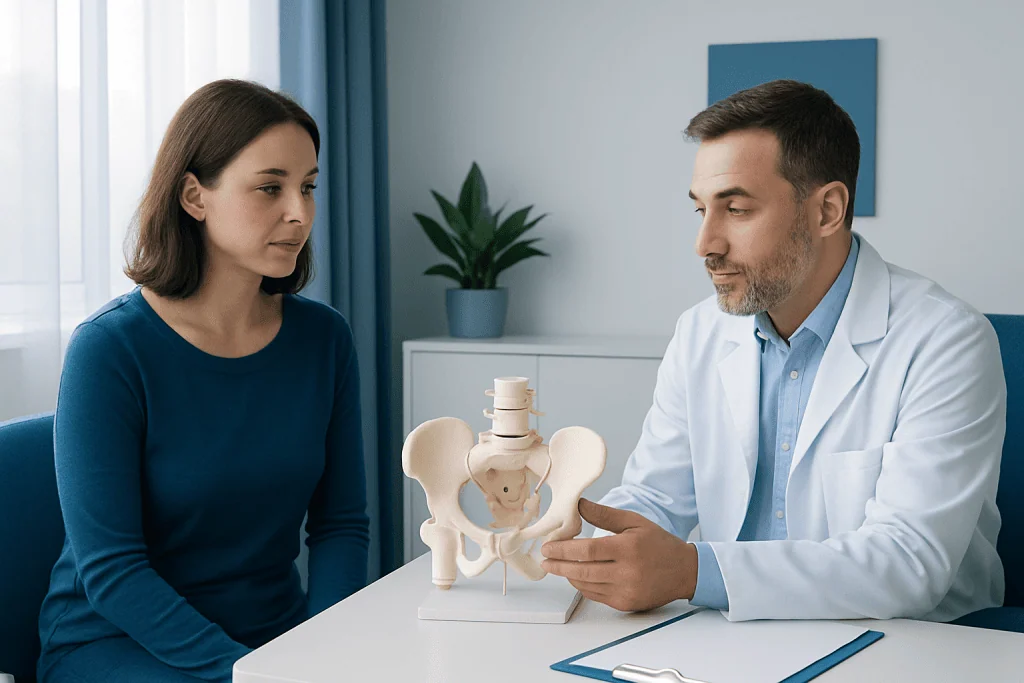
Pelvic symptoms vary widely. Some people feel a dull ache, pressure, heaviness, or stiffness. Others describe sharp pain, cramping, a pulling sensation, or pain that comes and goes. Symptoms may appear in the lower abdomen, groin, hips, tailbone region, buttocks, or lower back.
Common associated symptoms can include pain during walking, sitting, or climbing stairs; discomfort during urination or bowel movements; bloating; urinary urgency; constipation; painful menstrual periods; pain during sexual activity; or pain after exercise. In some people, symptoms become worse with coughing, lifting, or prolonged standing.
Doctors often group pelvic symptoms by timing and triggers. Acute symptoms may start suddenly after a fall, sports injury, infection, kidney stone, or gynecologic problem. Chronic pelvic symptoms usually last for months and may involve muscle tension, joint dysfunction, endometriosis, bladder pain syndromes, bowel disorders, or long-standing inflammation.
It is also possible to have symptoms that feel like pelvic pain but begin elsewhere. Hip joint disease, lumbar spine problems, and abdominal conditions can all refer pain into the pelvis. This is why a broad and careful evaluation is often more helpful than focusing on one organ alone.
Causes and risk factors of pelvic problems
Pelvic problems can arise from several systems at once. Musculoskeletal causes include muscle strain, overuse injuries, pelvic floor tension, sacroiliac joint dysfunction, pubic symphysis irritation, hip disorders, arthritis, and fractures after trauma. Sports, pregnancy-related body changes, repetitive lifting, and poor movement patterns can all contribute.
Urinary causes include bladder infection, kidney stones, bladder irritation, or difficulty emptying the bladder. Digestive causes may include constipation, irritable bowel syndrome, inflammation, or less commonly conditions requiring urgent care. In women, pelvic symptoms may also be related to ovarian cysts, fibroids, menstrual disorders, pelvic inflammatory disease, or endometriosis. In men, the prostate can sometimes be involved.
Other possible causes include hernias, postoperative scar-related pain, and nerve irritation or entrapment. During pregnancy and after childbirth, the pelvis is under extra mechanical and hormonal stress, which can lead to pelvic girdle pain or weakness in the pelvic floor. Aging can also increase the risk of joint wear, bone thinning, and balance-related falls.
Risk factors depend on the specific condition, but may include previous pelvic injury or surgery, high-impact sports, prolonged sitting, obesity, pregnancy, chronic coughing, constipation, heavy physical work, and untreated infections. Emotional stress does not create structural disease, but it can increase muscle tension and amplify chronic pain, especially when symptoms have lasted a long time.
How doctors diagnose pelvis conditions
Diagnosis starts with a clear description of the symptoms. A doctor may ask when the pain began, what makes it better or worse, whether it is related to movement, urination, bowel movements, menstruation, or sexual activity, and whether there has been trauma, fever, weight loss, or weakness. This history helps narrow down which body systems are most likely involved.
A physical examination may include assessment of posture, gait, the lower back, hips, abdomen, and pelvic region. Depending on the symptoms, the clinician may check joint movement, muscle tenderness, nerve function, and signs of infection or inflammation. Some patients may need a gynecologic, urologic, or rectal examination when it is clinically appropriate.
Tests are chosen based on the suspected cause. These may include urine tests, blood tests, pregnancy testing, and imaging such as X-ray, ultrasound, CT, or MRI. Ultrasound can be especially useful for certain reproductive or urinary causes, while MRI may help evaluate soft tissues, joints, or nerves in more detail.
In some cases, patients benefit from coordinated assessment by different specialists, especially if symptoms are persistent or affect more than one system. For example, orthopedic, gynecologic, urologic, gastroenterology, pain medicine, or rehabilitation input may be needed. The goal is to identify the main driver of symptoms while avoiding unnecessary tests.
Treatment options for pelvis pain and related conditions
Treatment depends on the underlying diagnosis. For muscle or joint-related pelvic pain, initial care may include activity modification, short-term pain relief, targeted stretching, and a structured rehabilitation plan. Physical therapy and rehabilitation can help improve posture, movement patterns, pelvic stability, and pelvic floor function when these factors are contributing to symptoms.
If there is an infection, treatment may involve prescription medication chosen by a doctor. If the cause is bladder, bowel, gynecologic, or prostate-related, management focuses on that system and may involve medical therapy, procedural treatment, or monitoring. For some patients with hip joint disease that refers pain to the groin or pelvis, specialist orthopedic assessment may be useful, and some may eventually need hip replacement if joint damage is severe.
Pelvic floor dysfunction is common and often treatable. Therapy may focus on learning how to relax or strengthen the pelvic floor rather than simply tightening it. Biofeedback, breathing techniques, bladder and bowel habit training, and treatment for constipation can all be part of care. When chronic pain is present, a stepwise plan that combines physical, medical, and behavioral support is often more effective than one treatment alone.
Surgery is not needed for most pelvic complaints, but it may be considered for fractures, some hernias, severe joint disease, certain gynecologic conditions, or problems such as organ prolapse. For selected patients with uterine or ovarian disorders, gynecology care helps guide whether medical treatment, minimally invasive procedures, or surgery is most appropriate.
Prevention and self-care for pelvic health
Not every pelvic condition can be prevented, but many people can lower their risk of strain and chronic discomfort by supporting overall musculoskeletal and bowel-bladder health. Regular physical activity, gradual increases in exercise intensity, and attention to body mechanics during lifting can reduce stress on the lower back, hips, and pelvis.
Core and hip strength matter, but balance is important. Over-tight muscles can be as troublesome as weak ones. Gentle mobility work, stretching when advised, and exercises prescribed by a qualified professional can improve pelvic control. Good hydration, a fiber-rich diet, and healthy toilet habits can help prevent constipation, which often worsens pelvic pressure and pain.
People who sit for long periods may benefit from posture changes, standing breaks, and ergonomic adjustments. During pregnancy and postpartum recovery, tailored support and pelvic floor guidance can be especially helpful. Patients should avoid starting intense self-treatment programs based only on internet advice if symptoms are persistent, severe, or unclear.
Keeping a symptom diary can also help. Noting when discomfort happens, where it is felt, and whether it is linked to meals, periods, urination, bowel movements, exercise, or stress can make a medical appointment more productive and support earlier diagnosis.
When to seek medical care
Medical assessment is advisable if pelvic pain lasts more than a few days, keeps coming back, interferes with daily life, or is associated with urinary, bowel, menstrual, or sexual symptoms. Even when the cause is not serious, a proper diagnosis can help patients start the right treatment sooner and avoid unnecessary worry.
Urgent medical care is important for severe or sudden pain, pain after a fall or accident, fever, vomiting, inability to pass urine, blood in the urine or stool, heavy vaginal bleeding, a new lump in the groin, weakness, numbness, or loss of bowel or bladder control. These symptoms can point to conditions that should not be managed at home.
For ongoing or complex symptoms, multidisciplinary care may be useful. Acibadem International’s multidisciplinary specialists and JCI-accredited hospitals diagnose and treat pelvic conditions for international patients, with access to imaging, rehabilitation, orthopedic care, women’s health services, and other relevant specialties.
Frequently asked questions
What is the pelvis and where is it located?
The pelvis is the lower part of the torso between the abdomen and the thighs. It includes the pelvic bones, joints, muscles, nerves, and the organs in the lower abdomen and pelvic cavity.
Is pelvic pain always related to reproductive organs?
No. Pelvic pain can come from muscles, joints, the spine, nerves, the bladder, the bowel, or reproductive organs. This is why a careful medical evaluation is important when symptoms are persistent or hard to explain.
Can hip or back problems feel like pelvis pain?
Yes. Conditions affecting the hip joint, sacroiliac joints, or lower spine often cause pain in the groin, buttock, or lower abdomen that may be felt as pelvic pain. Referred pain is common in this region because many structures share nerves and movement patterns.
How is the cause of pelvic symptoms found?
Doctors usually begin with a detailed history and physical examination. Depending on the symptoms, they may order urine or blood tests and imaging such as ultrasound, X-ray, CT, or MRI.
Can pelvic floor problems cause pain even without an injury?
Yes. Pelvic floor muscles can become overly tense, weak, poorly coordinated, or painful without a clear injury. This may lead to pressure, aching, urinary symptoms, constipation, or pain during sitting or sexual activity.
When should someone worry about pelvic pain?
Severe, sudden, or worsening pain should be assessed urgently, especially if it occurs with fever, vomiting, heavy bleeding, inability to pass urine, weakness, or after trauma. Less urgent but persistent or recurring pain also deserves medical attention because many treatable causes can look similar.
References
- National Institute of Arthritis and Musculoskeletal and Skin Diseases
- American College of Obstetricians and Gynecologists
- National Institute of Diabetes and Digestive and Kidney Diseases
- Mayo Clinic
- Cleveland Clinic
This article is for general information only and is not a substitute for professional medical advice. Please consult a qualified doctor about your individual situation.
Persistent digestive symptoms? Get evaluated in Turkey
JCI-accredited · board-certified surgeons · reply within 24h
Add us as a Preferred Source to see more of our trusted health content across Google Search, AI Overviews and Discover.