Penis Enlargement Surgery: Benefits, Risks, and Recovery — A Complete Guide
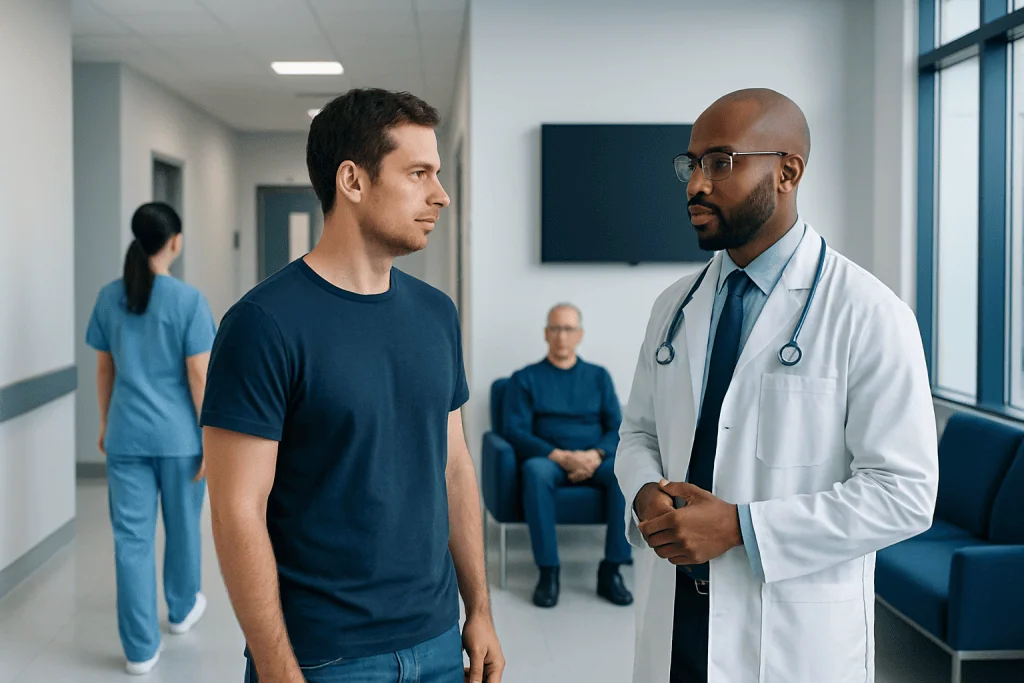
Penis enlargement surgery includes several different techniques, and each has different goals, benefits, and risks. Careful evaluation is important because many people seeking surgery have a normal penile size and may benefit from counseling or non-surgical guidance first.
Key Takeaways
- Penis enlargement surgery includes several different techniques, and each has different goals, benefits, and risks.
- Careful evaluation is important because many people seeking surgery have a normal penile size and may benefit from counseling or non-surgical guidance first.
- Possible complications include infection, scarring, asymmetry, changes in sensation, erectile problems, and dissatisfaction with cosmetic results.
- Recovery is gradual, and final appearance or function may take weeks to months to assess.
- A qualified urologist or plastic surgeon should explain realistic expectations, alternatives, and whether surgery is medically appropriate.
Penis enlargement surgery refers to procedures intended to increase penile length, girth, or both. It may help selected patients, but outcomes vary, recovery takes time, and understanding the benefits, limits, and risks is essential before deciding.
Overview: what penis enlargement surgery involves
Penis enlargement surgery is a broad term for procedures designed to increase penile length, girth, or both. In practice, there is no single standard operation. Different surgical approaches aim to change visible length, add circumference, correct tissue problems, or reconstruct the penis after injury, congenital conditions, or prior surgery.
For many patients, the most important part of care is not the operation itself but the initial assessment. A specialist usually evaluates penile anatomy, erectile function, urinary function, skin quality, and overall health. They also discuss the difference between perceived size concerns and true medical conditions such as a buried penis, Peyronie’s disease, or a micropenis.
It is also important to understand that surgery has limits. It cannot guarantee a specific size, and greater size does not always translate into improved sexual satisfaction or self-confidence. The best outcomes are generally seen when expectations are realistic, the indication is clear, and the procedure is performed by an experienced specialist.
Who may be a candidate and who may need alternatives first
Candidacy for penis enlargement surgery depends on the reason for seeking treatment. Some patients have reconstructive needs, such as congenital differences, trauma, major weight-related buried penis, scarring, or deformity. Others may seek cosmetic enlargement, in which case the threshold for surgery is higher because the procedure is elective and must be weighed carefully against possible risks.
A doctor may recommend detailed evaluation before surgery if there is concern about erectile dysfunction, curvature, pain with erections, or body image distress. In some cases, the underlying issue is not size alone but a condition that changes appearance or function, such as Peyronie’s disease or erectile difficulties that may need separate treatment.
Patients may not be good candidates if they have uncontrolled diabetes, active infection, poor wound healing, significant smoking-related vascular risk, unrealistic expectations, or untreated mental health concerns related to body image. When surgery is not the best option, alternatives may include counseling, treatment of erectile dysfunction, weight loss for a buried penis, or management of other urologic conditions.
- Good candidates generally understand the limits of surgery.
- They are medically fit for anesthesia and healing.
- They have a clear functional or carefully considered cosmetic goal.
- They are willing to follow recovery restrictions closely.
How penis enlargement surgery works: common techniques
The surgical method depends on whether the goal is extra visible length, more girth, reconstruction, or correction of an underlying problem. One lengthening approach involves releasing the suspensory ligament, which can make more of the internal penile shaft visible externally. This may increase apparent flaccid length, but the effect on erect length is often more limited than patients expect.
Girth enhancement may involve fat transfer, dermal grafts, or other tissue-based techniques intended to increase circumference. These methods differ in how natural they feel, how long results last, and whether some of the transferred tissue is reabsorbed over time. Because the penis has delicate blood vessels, nerves, and mobile skin, symmetry and healing are important considerations.
In reconstructive cases, surgery may address a buried penis, severe scarring, skin loss, deformity, or complications from previous procedures. A specialist may combine functional and aesthetic techniques to improve exposure, appearance, hygiene, and sexual function. If erection problems are part of the picture, evaluation for erectile dysfunction treatment may also be helpful as part of the overall plan.
Not all injectable or implant-based enlargement methods are recommended. Some non-medical fillers, unregulated products, or procedures offered outside specialist settings can cause serious complications, including infection, lumps, skin damage, and long-term deformity. This is why consultation with a qualified urologist or plastic surgeon is so important.
Step by step: before, during, and immediately after the procedure
Before surgery, the patient usually has a consultation, physical examination, and review of goals. The surgeon may take measurements, document any curvature or skin issues, and explain expected results in both flaccid and erect states. Lab tests, anesthesia review, and instructions about smoking, alcohol, medications, and blood thinners may be part of preparation.
On the day of surgery, anesthesia may be local with sedation or general anesthesia, depending on the procedure. The surgeon makes incisions based on the chosen technique, such as at the base of the penis for suspensory ligament release or in areas needed for grafting or tissue transfer. If fat grafting is planned, fat is first removed from another body area, processed, and then placed to enhance girth.
At the end of the procedure, dressings are applied and the patient receives instructions about wound care, swelling, activity limits, and follow-up visits. Some procedures are done as day surgery, while more complex reconstructive cases may require short hospital observation. Patients should ask in advance what level of pain, bruising, swelling, and temporary change in appearance is normal.
In specialist centers, patients may also receive guidance on preserving results, such as traction or other post-operative measures when appropriate. These details vary widely by technique, so following the operating surgeon’s instructions matters more than comparing recovery to someone else’s experience.
Benefits, limits, and possible risks
The potential benefit of penis enlargement surgery depends on the starting problem. In reconstructive cases, benefits may include better hygiene, improved exposure of the penis, easier urination, correction of deformity, or improved sexual confidence. In cosmetic cases, the main hoped-for benefit is a change in appearance, though the degree of change can be modest and may not meet every expectation.
Limitations are important to understand. Some procedures improve visible flaccid length more than erect length. Girth procedures may lose some of their initial effect as swelling settles or transferred tissue changes over time. A procedure that looks successful medically may still feel disappointing if the patient expected a dramatic transformation.
Risks vary by technique but can include bleeding, infection, scarring, asymmetry, contour irregularities, delayed healing, reduced sensation, persistent swelling, pain with erection, skin problems, dissatisfaction with appearance, and the need for revision surgery. In some cases, there can be erectile dysfunction or instability of the erect penis after ligament release. Patients with pre-existing conditions such as erectile dysfunction should discuss these issues carefully before surgery.
A balanced consultation should cover both benefits and harms in equal detail. If the aim is confidence rather than treatment of a clear physical problem, counseling and second opinions can be especially valuable before proceeding.
Recovery timeline and self-care after surgery
Recovery after penis enlargement surgery is usually gradual rather than immediate. In the first several days, swelling, bruising, mild bleeding spots on dressings, and discomfort are common. Many patients can walk and do light daily activities relatively soon, but they usually need to avoid strenuous exercise, friction, and sexual activity for a period recommended by their surgeon.
During the first few weeks, wound care and hygiene are central to healing. The doctor may advise keeping the area clean and dry, wearing supportive garments, avoiding smoking, and watching closely for signs of infection. Follow-up appointments help assess swelling, scar formation, skin health, and whether the penis is healing in the intended position or shape.
Return to work depends on the type of surgery and the nature of the job. Sedentary work may be possible earlier than physically demanding work. Sexual activity and masturbation are usually restricted until tissues have healed adequately, because early strain can affect the result or increase complications.
Final results often take longer to judge than patients expect. Swelling can mask shape changes, and scars soften over time. Patients considering surgery should ask for a realistic recovery timeline, including when appearance stabilizes, when sexual activity may resume, and when a revision would be considered if needed. For men with broader urologic concerns, treatment planning may also include urology care.
When to seek medical care
Medical advice should be sought promptly if there is increasing redness, warmth, fever, pus, severe swelling, worsening pain, difficulty urinating, darkening of the skin, or bleeding that does not settle. These symptoms can suggest infection, pressure-related complications, or blood supply problems that need urgent assessment.
It is also wise to contact the surgeon if an erection becomes unusually painful, the penis appears markedly bent or unstable after surgery, or there is new numbness that does not improve. Persistent dissatisfaction, anxiety about healing, or concerns about sexual function are also valid reasons to request review rather than waiting in silence.
Anyone considering surgery should seek medical care before the procedure as well if they have erectile problems, significant penile curvature, prior genital surgery, or chronic illnesses that may affect healing. In experienced centers, multidisciplinary specialists can assess both functional and cosmetic concerns. Acibadem International’s JCI-accredited hospitals care for international patients with input from urology, plastic surgery, and related specialties when appropriate, including penis enlargement treatment.
Frequently asked questions
Does penis enlargement surgery really work?
It can produce a measurable change in selected cases, but results depend on the technique and the starting anatomy. Some procedures mainly improve visible flaccid length, while others focus on girth. No operation can guarantee a specific final size or satisfaction level.
Is penis enlargement surgery safe?
Like any surgery, it carries risks, and safety depends on the technique, the surgeon’s experience, and the patient’s health. Possible complications include infection, scarring, asymmetry, sensation changes, and sexual function problems. Careful evaluation and realistic expectations are important parts of safety.
How long does recovery take after penis enlargement surgery?
Early recovery usually takes days to a few weeks, but full healing and final results may take longer. Swelling and bruising can persist for some time, and sexual activity is usually restricted until the surgeon confirms healing. The exact timeline varies by procedure.
Will surgery improve sexual performance?
Not necessarily. Penis enlargement surgery is designed to change size or appearance, not automatically improve erection quality, stamina, or pleasure. If there is an underlying sexual function concern, a doctor may recommend separate evaluation and treatment.
Who should avoid penis enlargement surgery?
People with uncontrolled medical conditions, active infection, poor wound healing, unrealistic expectations, or untreated body image distress may be advised against surgery. Some men are better served by treatment for buried penis, erectile dysfunction, penile curvature, or counseling rather than enlargement surgery itself.
Are non-surgical penis enlargement methods safer?
Not always. Some non-surgical products and injections offered outside proper medical settings can be risky and may cause lumps, deformity, infection, or tissue damage. Any enlargement method should be discussed with a qualified doctor before trying it.
References
This article is for general information only and is not a substitute for professional medical advice. Please consult a qualified doctor about your individual situation.
Explore treatments in Turkey — costs, top hospitals & a free quote
JCI-accredited · board-certified surgeons · reply within 24h
Add us as a Preferred Source to see more of our trusted health content across Google Search, AI Overviews and Discover.