Pennies Enlarge Surgery: Candidacy, Procedure Steps, and Recovery Timeline

Pennies enlarge surgery is generally understood to mean penis enlargement surgery. Different procedures aim to improve length, girth, or appearance, and results vary.
Key Takeaways
- Pennies enlarge surgery is generally understood to mean penis enlargement surgery.
- Different procedures aim to improve length, girth, or appearance, and results vary.
- Careful evaluation is important because not every patient is a good candidate for surgery.
- Recovery often takes several weeks, while final results may take months to settle.
- Benefits must be weighed against risks such as scarring, asymmetry, infection, or dissatisfaction.
Pennies enlarge surgery usually refers to penis enlargement surgery, a group of procedures intended to increase penile length, girth, or both. It may help selected patients, but candidacy, expected results, recovery time, and risks vary by technique and should be reviewed carefully with an experienced urologist or plastic surgeon.
Overview: what pennies enlarge surgery means
Pennies enlarge surgery is commonly used online as a misspelling or search variation for penis enlargement surgery. In medical practice, this term can include several operations designed to increase penile length, increase girth, or improve the visible appearance of the penis. These procedures are different from treatment for erectile dysfunction, infertility, or urgent urologic disease.
The main point for patients is that penis enlargement surgery is not one single operation. Surgeons may use suspensory ligament release to improve apparent flaccid length, fat transfer or dermal grafting to add girth, or reconstructive techniques in selected cases. Some patients are seeking cosmetic change, while others have a medical reason such as congenital differences, buried penis, trauma, or scarring from conditions such as Peyronie’s disease.
Because expectations can strongly influence satisfaction, doctors usually begin with a careful discussion of goals rather than surgery plans alone. A patient may want a larger penis, but the most suitable treatment could be reassurance, treatment of an underlying condition, weight reduction for a buried penis appearance, or non-surgical management instead of an operation.
Who may be a candidate
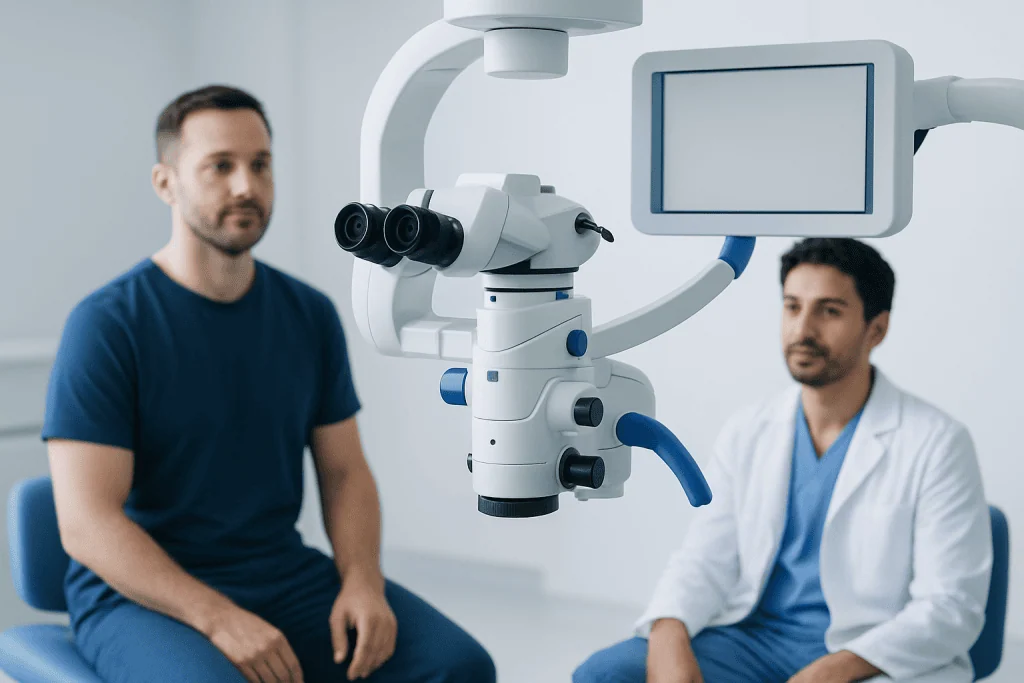
Candidacy depends on anatomy, general health, expectations, and the reason for seeking treatment. A person may be considered for surgery if there is a true structural issue, such as congenital small size, a hidden or buried penis, scarring, deformity, or changes after trauma or prior surgery. In some situations, surgery may also be part of reconstructive care after treatment for another condition.
For patients seeking cosmetic enlargement alone, surgeons usually assess whether the penis is within the normal size range and whether concerns are mainly about self-image. Many men who worry about penis size actually have normal anatomy. In that situation, a careful consultation is important because surgery may not provide the emotional or body-image improvement the patient expects.
Good candidates are typically adults in stable health who understand the limits of surgery, do not smoke or are willing to stop, and can follow recovery instructions closely. Surgery may be delayed or discouraged in people with uncontrolled diabetes, active infection, bleeding problems, unrealistic expectations, untreated mental health concerns related to body image, or severe erectile problems that need separate evaluation. When erections or sexual function are a concern, an assessment for erectile dysfunction may be recommended before considering cosmetic procedures.
How the procedure works
Penis enlargement surgery works in different ways depending on the goal. Procedures for visible length usually aim to release tissues that tether the penis closer to the pubic area, allowing more of the shaft to project outward. Procedures for girth generally add tissue around the shaft, using fat, graft material, or other reconstructive methods. These approaches change appearance more than they change the internal erectile structures.
A commonly discussed method is suspensory ligament release. The suspensory ligament helps support the penis against the pubic bone. Releasing part of this support may allow more of the shaft to hang outward in the flaccid state. However, this does not guarantee a major change in erect length, and it can alter the angle of erection in some patients.
Girth enhancement can be performed by transferring the patient’s own fat or by using tissue grafts. Fat transfer may feel more natural because it uses the patient’s own tissue, but some of the fat may be reabsorbed over time, which can make results less predictable. Grafts may offer another option in selected reconstructive cases, although they also carry risks such as contour irregularity, firmness, or scarring.
Some patients need surgery for a buried or concealed penis rather than true enlargement. In such cases, treatment may include removal of excess tissue, skin reconstruction, or related penis enlargement surgery techniques to improve exposure and function. The exact plan depends on the cause and the surgeon’s findings on examination.
Step-by-step: what happens before, during, and after surgery
Before surgery, the patient usually has a detailed consultation, physical examination, and a discussion of goals. The doctor may take measurements in standard conditions and ask about erections, urinary symptoms, prior surgeries, medications, smoking, and general health. Photographs or diagrams may be used for planning. Some patients also need lab tests or clearance for anesthesia.
On the day of surgery, the procedure is typically performed under anesthesia in a hospital or surgical center. After the area is prepared, the surgeon makes carefully placed incisions based on the chosen technique. If lengthening is planned, the suspensory ligament may be partially released and surrounding tissue adjusted. If girth enhancement is planned, fat harvesting or graft placement may be performed. The incisions are then closed, and a dressing is applied.
After surgery, the patient is monitored while waking from anesthesia and usually goes home the same day unless a more complex reconstructive procedure was performed. Pain control, wound care instructions, and activity limits are reviewed before discharge. In some cases, the surgeon may recommend a stretching device or traction program during healing to help maintain the result after lengthening surgery.
Follow-up visits are important to monitor swelling, bruising, wound healing, and early results. Patients should ask exactly when they can return to work, exercise, driving, and sexual activity, because timelines differ by procedure and by individual healing.
Recovery timeline and what to expect
Recovery after pennies enlarge surgery usually happens in stages. During the first few days, swelling, bruising, mild bleeding from the incision, tightness, and discomfort are common. These symptoms are often most noticeable in the first week and then gradually improve. Keeping the area clean, taking medicines as directed, and avoiding pressure or friction can support healing.
Many patients can return to desk-based work within several days to one to two weeks, depending on the procedure and comfort level. More strenuous activity, heavy lifting, cycling, and gym exercise often need to be postponed for several weeks. Sexual activity and masturbation are usually restricted until the surgeon confirms that the tissues have healed enough, often around four to eight weeks, though timing varies.
Appearance can continue to change for months. Swelling may hide the early result, and fat transfer can settle unevenly as some fat is reabsorbed. Scar maturation also takes time. For this reason, the final result should not be judged too early. Patience and regular follow-up help set realistic expectations.
If the procedure is part of broader reconstructive or cosmetic planning, the doctor may discuss additional treatment later. In selected patients who are also considering changes to contour or surrounding tissues, this may be reviewed alongside other options such as plastic and reconstructive surgery when appropriate.
Benefits, limits, and possible risks
The possible benefits of penis enlargement surgery include improved visible length in the flaccid state, increased girth, better exposure in buried penis cases, or correction of deformity in reconstructive situations. Some patients also report improved confidence. However, satisfaction depends heavily on whether the result matches the preoperative goal, and surgery cannot guarantee a specific size or solve every concern related to self-esteem or sexual relationships.
It is important to understand the limits. Lengthening procedures may have a modest effect on visible length and may not significantly increase erect length. Girth procedures can be less predictable over time, especially when fat is used and later reabsorbed. Symmetry, texture, and scar appearance can also vary from person to person.
Risks may include infection, bleeding, pain, altered sensation, scarring, contour irregularity, asymmetry, wound healing problems, dissatisfaction with appearance, or need for revision surgery. Some patients may notice an altered erection angle after ligament release. If surgery involves reconstructive correction for curvature or scarring, a surgeon may also evaluate whether other procedures, including Peyronie’s disease treatment, are more appropriate than enlargement alone.
- Expected benefits should be discussed in measurable terms
- Photographs and baseline measurements can help planning
- Smoking cessation may lower the risk of healing problems
- Revision procedures may sometimes be needed
Alternatives, self-care, and preparation
Not every patient needs surgery. When a penis is normal in size but seems smaller because of body weight, a prominent pubic fat pad, or anxiety about appearance, non-surgical approaches may be more helpful. Weight management, treatment of erectile dysfunction, counseling for body-image distress, or medical review of other genital concerns can improve function and confidence without an operation.
Before choosing surgery, patients should ask what result is realistic in the flaccid and erect state, how often the surgeon performs the procedure, what scars to expect, and whether a traction device or staged treatment will be needed. It is also reasonable to ask about revision rates, healing time, and how complications are managed.
Preparation usually includes stopping smoking, reviewing medications, arranging time off work, and planning help at home for the first day or two if needed. Following instructions closely before and after surgery can improve healing. If a patient has a buried penis, curvature, or other structural issue, assessment by a specialist in urology can help clarify the safest and most effective path forward.
Near the end of planning, some patients may benefit from a second opinion, especially if they are unsure about expectations or have been offered more than one technique. At Acibadem International, multidisciplinary specialists in JCI-accredited hospitals evaluate and treat international patients who need cosmetic or reconstructive genital surgery.
When to seek medical care
A prompt medical review is important if a patient notices severe pain, rapidly increasing swelling, fever, pus-like drainage, spreading redness, difficulty passing urine, significant bleeding, or separation of the wound. These symptoms do not always mean a serious complication, but they should be assessed quickly.
Patients should also contact their surgeon if they have persistent numbness, marked asymmetry, worsening discoloration, or concerns about erections after the operation. Early communication can help address problems before they become more difficult to treat.
Even without urgent symptoms, a specialist review is a good idea if the main concern is penile curvature, painful erections, hidden penis, or distress about size despite normal anatomy. The most appropriate care may involve surgery, non-surgical treatment, or reassurance based on a careful examination and discussion.
Frequently asked questions
Does pennies enlarge surgery really increase penis size?
It can increase visible length, girth, or both in selected patients, but the amount of change varies by technique. Results are usually more modest and less predictable than many people expect, so a detailed consultation is important.
Is penis enlargement surgery permanent?
Some surgical changes can be long-lasting, but the final result may change over time as swelling settles, scars mature, or transferred fat is reabsorbed. The durability depends on the exact procedure and on healing factors such as smoking, weight changes, and tissue quality.
How long is recovery after penis enlargement surgery?
Initial healing often takes a few weeks, but full recovery and final appearance can take several months. Most patients need to avoid sex and strenuous activity for a period recommended by their surgeon, commonly several weeks.
Will surgery improve erections or sexual performance?
Not necessarily. Penis enlargement surgery is mainly intended to change size or appearance, not to treat erectile dysfunction or improve sexual stamina. If erections are a concern, a separate medical evaluation is usually needed.
Who should avoid penis enlargement surgery?
People with unrealistic expectations, active infection, uncontrolled medical conditions, significant healing risks, or untreated body-image related distress may not be good candidates. A surgeon may also advise against surgery if anatomy is normal and the likely benefit is limited.
Are there visible scars after the procedure?
Most procedures involve incisions, so some scarring is expected. Surgeons try to place scars as discreetly as possible, but scar visibility and quality vary from person to person.
References
- American Urological Association
- European Association of Urology
- Urology Care Foundation
- National Institutes of Health
- British Association of Urological Surgeons
This article is for general information only and is not a substitute for professional medical advice. Please consult a qualified doctor about your individual situation.
Explore treatments in Turkey — costs, top hospitals & a free quote
JCI-accredited · board-certified surgeons · reply within 24h
Add us as a Preferred Source to see more of our trusted health content across Google Search, AI Overviews and Discover.