

Peptic Ulcer Disease: Stomach Pain, H. pylori, and Treatment

Peptic ulcers may occur in the stomach or duodenum and often cause burning or gnawing upper abdominal pain. The two leading causes are Helicobacter pylori infection and regular use of nonsteroidal anti-inflammatory drugs such as ibuprofen or aspirin.
Key Takeaways
- Peptic ulcers may occur in the stomach or duodenum and often cause burning or gnawing upper abdominal pain.
- The two leading causes are Helicobacter pylori infection and regular use of nonsteroidal anti-inflammatory drugs such as ibuprofen or aspirin.
- Diagnosis may include H. pylori testing, blood tests when needed, and upper endoscopy in selected patients.
- Treatment usually combines acid-suppressing medicine with antibiotics if H. pylori is present, plus avoidance of ulcer-triggering medications when possible.
- Urgent medical care is needed for vomiting blood, black stools, fainting, severe sudden abdominal pain, or unexplained weight loss.
Peptic ulcer disease is a common digestive condition in which open sores form in the lining of the stomach or the first part of the small intestine. With the right diagnosis and treatment, most ulcers heal well and complications can often be prevented.
Overview
Peptic ulcer disease refers to sores that develop in the protective lining of the upper digestive tract. When an ulcer forms in the stomach, it is called a gastric ulcer. When it forms in the duodenum, the first part of the small intestine just beyond the stomach, it is called a duodenal ulcer. Both types can cause similar symptoms, but their behavior and treatment decisions may vary.
The stomach naturally produces acid and digestive enzymes to help break down food. A healthy mucus barrier protects the stomach and duodenal lining from these strong substances. Peptic ulcers occur when this protective balance is disrupted, allowing acid to irritate and damage the tissue underneath.
Most peptic ulcers are related to Helicobacter pylori infection, commonly called H. pylori, or to the regular use of nonsteroidal anti-inflammatory drugs, known as NSAIDs. Stress and spicy foods do not usually cause ulcers by themselves, although they may worsen discomfort in some people. Modern treatment is very effective, especially when the underlying cause is identified and addressed.
Symptoms
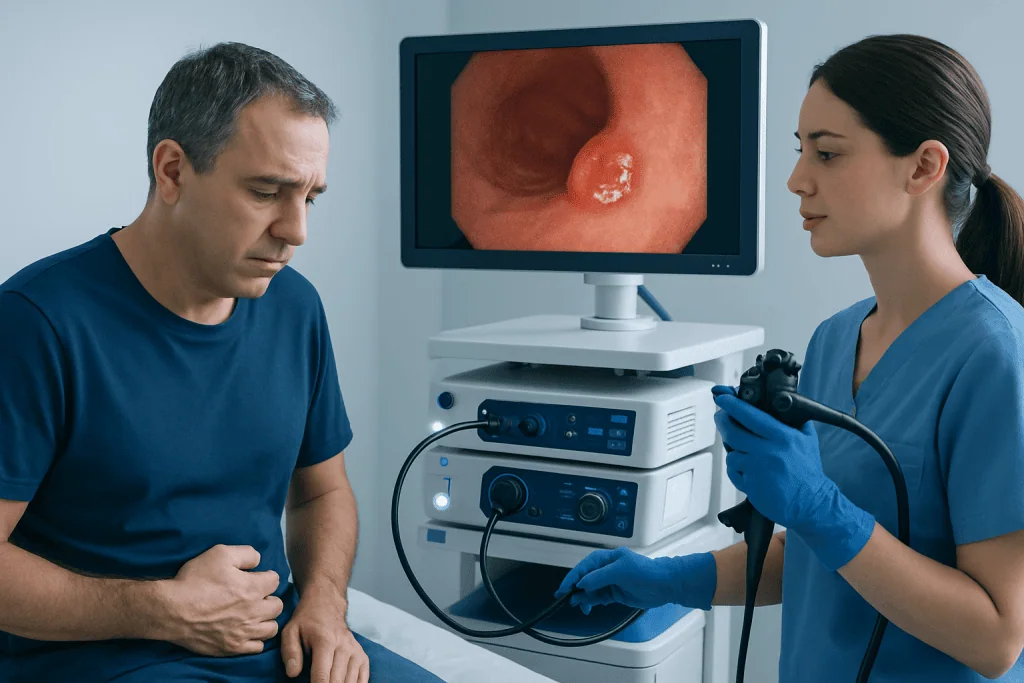
The most typical symptom of peptic ulcer disease is a burning, aching, or gnawing pain in the upper abdomen, often between the breastbone and the navel. Some people notice discomfort when the stomach is empty, while others feel worse after eating. Duodenal ulcer pain may improve temporarily with food or antacids, whereas gastric ulcer pain can sometimes worsen after meals.
Symptoms can be mild, intermittent, or absent. Some ulcers are discovered only when a person develops anemia, bleeding, or another complication. Common non-specific symptoms can overlap with reflux, gallbladder disease, functional indigestion, and other digestive conditions, so a medical assessment is important when symptoms persist.
- Burning or dull pain in the upper abdomen
- Bloating, belching, or early fullness after eating
- Nausea or occasional vomiting
- Reduced appetite or unintentional weight loss in some cases
- Heartburn-like discomfort or indigestion
Warning symptoms require prompt attention. These include vomiting blood or material that looks like coffee grounds, black tarry stools, dizziness or fainting, sudden severe abdominal pain, difficulty swallowing, persistent vomiting, or unexplained weight loss. These signs do not always mean a serious complication is present, but they should be checked urgently.
Causes & Risk Factors

H. pylori is a bacterium that can live in the stomach lining and weaken its protective defenses. Many people with H. pylori never develop an ulcer, but in some individuals the infection triggers inflammation and increases vulnerability to acid injury. The infection is treatable, and confirming that it has been eradicated after therapy is an important part of care.
NSAIDs are another major cause of peptic ulcers. These medicines include ibuprofen, naproxen, diclofenac, and aspirin. They can reduce protective prostaglandins in the stomach lining, making ulcers and bleeding more likely, especially when taken regularly, at higher doses, or in combination with other blood-thinning medicines. Taking NSAIDs with food may reduce stomach upset but does not fully remove the ulcer risk.
Other factors can increase the likelihood of ulcers or complications. These include older age, a previous ulcer, smoking, heavy alcohol use, serious illness, and use of certain medications such as corticosteroids or anticoagulants together with NSAIDs. Rarely, ulcers may be associated with conditions that cause excess acid production, but these are uncommon and require specialist evaluation.
Food choices, emotional stress, and coffee are not considered primary causes of peptic ulcer disease. However, they may affect symptoms from person to person. A practical approach is to notice personal triggers and avoid those that consistently worsen pain, without adopting overly restrictive diets unless advised by a clinician.
Diagnosis
Diagnosis begins with a medical history and physical examination. A doctor will ask about the location and timing of pain, use of NSAIDs or aspirin, previous ulcers, smoking and alcohol habits, weight changes, vomiting, stool color, and other medical conditions. This information helps decide whether initial non-invasive testing is enough or whether endoscopy is needed.
Testing for H. pylori is central because treatment differs if the bacterium is present. Common tests include the urea breath test, stool antigen test, and biopsy testing during endoscopy. Blood antibody tests may show past exposure but are less useful for confirming active infection or cure after treatment. Certain acid-suppressing medicines and antibiotics can affect test accuracy, so patients should follow their doctor’s instructions before testing.
Upper gastrointestinal endoscopy may be recommended for people with alarm symptoms, older adults with new symptoms, suspected bleeding, persistent symptoms despite treatment, or concern for another diagnosis. During endoscopy, a thin flexible tube with a camera is passed through the mouth while the patient is sedated or made comfortable according to local practice. The doctor can directly view the esophagus, stomach, and duodenum, take biopsies, test for H. pylori, and sometimes treat bleeding ulcers.
Additional tests may include a complete blood count to look for anemia, stool testing for hidden blood, or imaging if complications are suspected. Gastric ulcers often require follow-up to confirm healing and exclude other causes, depending on the patient’s age, biopsy results, and clinical picture.
Treatment Options
Treatment aims to relieve symptoms, heal the ulcer, remove H. pylori if present, and prevent recurrence. Acid-suppressing medicines are commonly used, especially proton pump inhibitors, which reduce stomach acid and allow the lining to repair. H2 receptor blockers and protective agents may also be used in selected situations. The exact medicine and duration should be decided by a qualified doctor based on the ulcer type, cause, and patient history.
If H. pylori is detected, treatment usually involves a combination of antibiotics and acid suppression. Because antibiotic resistance patterns vary, doctors choose a regimen appropriate for the region and the patient’s previous antibiotic use and allergies. It is important to take the full course as prescribed, even if symptoms improve early. A follow-up breath test, stool antigen test, or biopsy-based test is often used to confirm eradication.
When NSAIDs are involved, the safest plan is to stop the triggering medicine if medically possible. If pain relief or aspirin therapy is still required, the doctor may discuss alternatives, the lowest effective dose, protective acid suppression, or specialist input for cardiovascular or arthritis needs. Patients should not stop prescribed aspirin or blood thinners without medical advice, because these medicines may be important for preventing heart or stroke events.
Complicated ulcers require more urgent treatment. Bleeding ulcers may be treated during endoscopy with techniques that stop bleeding and reduce recurrence risk. Severe bleeding, perforation, or blockage from scarring may require hospitalization and, rarely, surgery. Fortunately, most uncomplicated ulcers heal with medical therapy and careful follow-up.
Prevention & Self-care
Prevention focuses on reducing known risks. People who need NSAIDs regularly should discuss their ulcer risk with a doctor, especially if they have had an ulcer before, are older, or take aspirin, anticoagulants, corticosteroids, or certain other medications. A clinician may recommend a safer pain-control plan or protective treatment.
Lifestyle habits can support healing and reduce irritation. Stopping smoking is strongly encouraged because smoking can delay ulcer healing and increase recurrence. Alcohol can irritate the stomach lining and may increase bleeding risk, particularly when combined with NSAIDs, so limiting or avoiding alcohol is sensible during treatment.
- Take prescribed ulcer medicines exactly as directed.
- Avoid starting NSAIDs or aspirin without asking a doctor if there is a history of ulcers.
- Eat regular, balanced meals and avoid foods that clearly trigger symptoms.
- Practice good hand hygiene and safe food habits, which may help reduce spread of some stomach infections.
- Attend follow-up testing when H. pylori eradication or ulcer healing needs confirmation.
There is no single ulcer diet that works for everyone. Bland foods are not required for all patients, and many people can continue a normal nutritious diet. If coffee, acidic foods, spicy meals, or large late-night meals worsen symptoms, reducing them can help comfort while medical treatment addresses the underlying cause.
When to See a Doctor
A person should arrange a medical visit if upper abdominal pain or indigestion lasts more than a short time, keeps returning, disturbs sleep, or is associated with nausea, appetite change, or unexplained fatigue. Evaluation is especially important for anyone with a history of ulcers, regular NSAID or aspirin use, or known H. pylori infection.
Urgent care is needed for signs of possible bleeding or perforation, including black tarry stools, vomiting blood, fainting, rapid weakness, or sudden intense abdominal pain. These symptoms can be treated, but they should not be managed at home. Prompt assessment allows doctors to stabilize the patient and choose the safest treatment.
Patients receiving treatment should contact their doctor if symptoms do not improve, return after therapy, or if side effects make it difficult to complete prescribed medication. Follow-up is also important after H. pylori treatment to confirm cure. Acibadem International’s multidisciplinary specialists and JCI-accredited hospitals diagnose and treat peptic ulcer disease for international patients, including endoscopy and coordinated follow-up when appropriate.
Frequently asked questions
Is peptic ulcer disease the same as acid reflux?
No. Peptic ulcer disease involves an open sore in the stomach or duodenal lining, while acid reflux occurs when stomach contents flow back into the esophagus. Both can cause burning discomfort, so medical evaluation may be needed to tell them apart.
Can H. pylori ulcers come back after treatment?
An ulcer can recur if H. pylori is not fully eradicated or if a person continues to use ulcer-triggering medicines such as NSAIDs. This is why doctors often recommend a follow-up test after treatment. Taking all prescribed medication correctly improves the chance of cure.
Do spicy foods cause stomach ulcers?
Spicy foods do not usually cause peptic ulcers. However, they may worsen discomfort in some people who already have an ulcer or sensitive stomach. Patients can avoid specific foods that trigger symptoms while continuing a balanced diet.
How long does it take for a peptic ulcer to heal?
Many uncomplicated ulcers improve within weeks of appropriate treatment, but healing time depends on the ulcer’s size, location, cause, and whether H. pylori or NSAID use is involved. A doctor may recommend follow-up testing or endoscopy in certain cases, especially for gastric ulcers.
Can someone take pain relievers if they have had an ulcer?
Some pain relievers, especially NSAIDs, can increase ulcer risk. People with a history of ulcers should ask a doctor before using ibuprofen, naproxen, aspirin, or similar medicines. Safer alternatives or stomach-protective treatment may be recommended depending on the person’s medical needs.
When is endoscopy necessary for an ulcer?
Endoscopy is often recommended when there are alarm symptoms, signs of bleeding, persistent symptoms despite treatment, or concern about another diagnosis. It allows the doctor to see the lining directly, take biopsies, test for H. pylori, and treat bleeding if needed.
References
- American College of Gastroenterology
- National Institute of Diabetes and Digestive and Kidney Diseases
- Mayo Clinic
- World Gastroenterology Organisation
- European Helicobacter and Microbiota Study Group
This article is for general information only and is not a substitute for professional medical advice. Please consult a qualified doctor about your individual situation.
Peptic Ulcer in Turkey — costs, top hospitals & a free quote
JCI-accredited · board-certified surgeons · reply within 24h
Add us as a Preferred Source to see more of our trusted health content across Google Search, AI Overviews and Discover.

Gastroenterology
Diagnosis and treatment of the digestive system and liver, with advanced endoscopy.
46 specialists in this unitMore from the Health Library



Related Specialists

Assoc. Prof. Dr. Erkin İsmail
General Surgery
Prof. Dr. Özgen Işık
General Surgery
Dr. Soner Dileklen
Internal Medicine
Dr. Mutluhan Temizsoy
Aesthetic Plastic & Reconstructive Surgery