Perimenopause Uti Treatment: How It Works, Results and What to Expect

UTI-like symptoms are common in perimenopause, but not all are caused by infection. A urine test can help confirm infection and guide antibiotic selection.
Key Takeaways
- UTI-like symptoms are common in perimenopause, but not all are caused by infection.
- A urine test can help confirm infection and guide antibiotic selection.
- Lower estrogen can change vaginal and urinary tissues, increasing susceptibility to recurrent UTIs in some people.
- Symptoms should usually begin to improve within a few days of effective antibiotic treatment, although the full prescribed course should be completed.
- Vaginal estrogen may help prevent recurrent UTIs for suitable patients and is different from systemic menopausal hormone therapy.
- Fever, flank pain, vomiting, pregnancy, or worsening symptoms require prompt medical assessment.
Perimenopause UTI treatment starts by confirming whether symptoms are caused by a urinary tract infection, then treating a bacterial infection with the most appropriate antibiotic. For recurrent UTIs linked to declining estrogen, clinicians may also recommend vaginal estrogen and practical prevention measures to support urinary and vaginal health.
Perimenopause UTI Treatment: How It Works
Perimenopause UTI treatment is designed to address two connected issues: treating a confirmed urinary tract infection (UTI) promptly and reducing the chance of repeated infections when hormonal changes are contributing. A clinician will usually ask about symptoms, test a urine sample when appropriate, and prescribe an antibiotic if a bacterial infection is likely or confirmed. The antibiotic choice depends on individual health factors, local resistance patterns, allergies, kidney function, and, when available, urine culture results.
Burning during urination, urgency, frequent urination, lower abdominal discomfort, and cloudy or strong-smelling urine can occur with a UTI. However, perimenopause can also cause dryness, irritation, urinary urgency, and discomfort without an infection. This is why identifying the cause is important: antibiotics do not improve symptoms caused by vaginal or urinary tissue changes alone.
For people with recurring, culture-confirmed infections, treatment may include prevention planning after the current infection has cleared. This can involve reviewing sexual, urinary, and hygiene habits; treating vaginal dryness; and considering local vaginal estrogen when medically suitable. Evaluation and treatment may be coordinated through urology treatment when symptoms recur, are complicated, or do not respond as expected.
Why Am I Getting UTIs in Perimenopause?
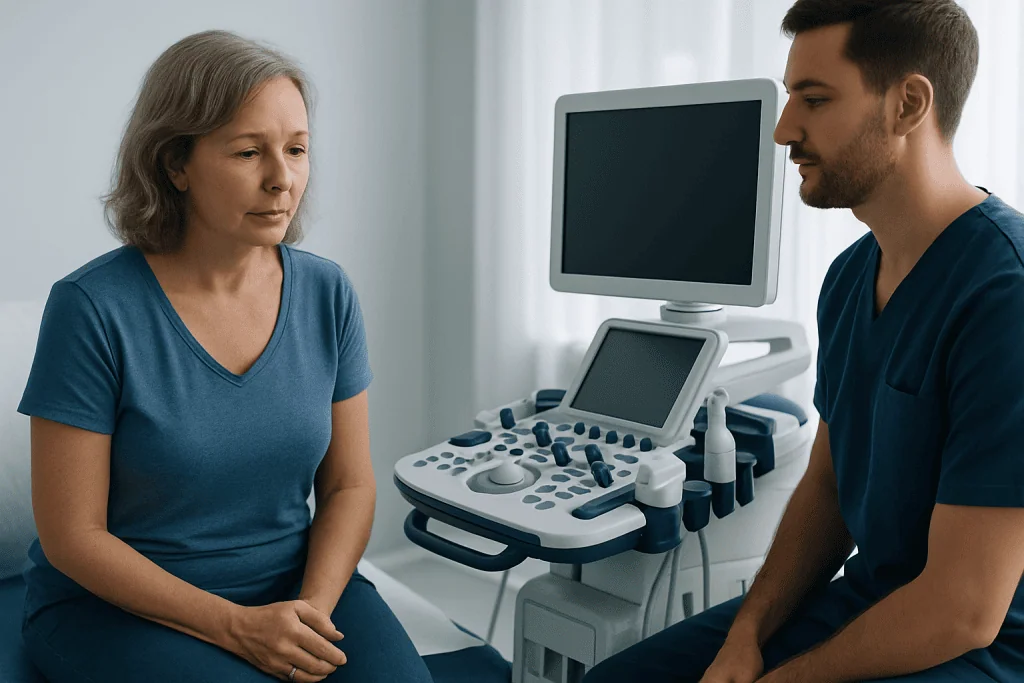
During perimenopause, estrogen levels fluctuate and gradually decline. Estrogen helps maintain the thickness, elasticity, moisture, and natural protective bacterial balance of the vagina and tissues around the urethra. When estrogen falls, these tissues may become drier, thinner, and more easily irritated, which can make it easier for bacteria to enter and multiply in the urinary tract.
These changes are often part of genitourinary syndrome of menopause, a term that describes menopause-related changes affecting the vagina, vulva, bladder, and urethra. Symptoms may include vaginal dryness, pain with sex, burning, urinary urgency, recurrent UTIs, and leakage. Other factors, such as incomplete bladder emptying, diabetes, pelvic organ prolapse, sexual activity, constipation, dehydration, or prior UTI history, can also raise the likelihood of infection.
A recurrence is not a personal failure and does not necessarily mean that someone has done anything wrong. A clinician can look for contributing factors and distinguish recurrent bacterial infection from other conditions that can produce similar urinary symptoms, including overactive bladder, stones, pelvic floor problems, or irritation related to low estrogen.
Does Perimenopause Affect the Urinary Tract?

Yes. Perimenopause can affect the urinary tract because the bladder, urethra, and surrounding pelvic tissues respond to estrogen. Lower estrogen may reduce tissue resilience and alter the bacteria that normally help protect the vaginal and urinary area. As a result, some people notice new urgency, increased frequency, discomfort with urination, repeated infections, or urinary leakage during this transition.
These symptoms can develop gradually and may vary from month to month as hormones fluctuate. It is important not to assume that every episode of urgency or burning is a UTI. Testing can help avoid unnecessary antibiotic use and ensure that symptoms such as blood in the urine, persistent pain, or recurring infections receive the right assessment.
Urinary changes may overlap with gynecological symptoms, so care may involve both urology and women’s health specialists. Pelvic floor assessment, management of vaginal dryness, and review of bladder habits can be helpful alongside infection-specific care.
Who May Benefit and What Happens During Evaluation?
Anyone with symptoms suggestive of a UTI can benefit from medical evaluation, particularly if symptoms are new, severe, recurrent, or occur during perimenopause. Assessment is especially important for people who have had two or more infections in six months, three or more in a year, symptoms that return soon after treatment, or a history of kidney disease, urinary tract abnormalities, diabetes, immune suppression, or urinary procedures.
The process usually begins with a discussion of symptoms, previous UTIs, menstrual and menopausal changes, medications, allergies, and relevant medical history. A clinician may perform an abdominal examination and, when appropriate, a pelvic examination to assess for vaginal dryness, inflammation, prolapse, or other causes of discomfort. A urine dipstick test may be done in clinic, and a urine culture may identify the specific bacteria and which antibiotics are likely to work.
If symptoms are recurrent or atypical, further steps may include blood tests, imaging, measurement of how well the bladder empties, or referral to a urologist or gynecologist. These tests are not needed for every uncomplicated infection, but they can be valuable when there are signs of a more complex problem.
- Suitable candidates for vaginal estrogen: people with recurrent UTIs or genitourinary symptoms related to low estrogen, after an individualized medical review.
- People needing tailored care: those with a history of estrogen-sensitive cancer, unexplained vaginal bleeding, pregnancy, severe kidney disease, or complicated infections.
Step-by-Step Treatment and Recovery Timeline
For a suspected uncomplicated UTI, a clinician may collect a urine sample before treatment, particularly when infections recur or symptoms are unusual. If antibiotic treatment is indicated, the medicine is prescribed for a defined course. It should be taken exactly as directed, even if symptoms improve early, unless the prescribing clinician advises otherwise. A culture result may lead to a change in antibiotic if the bacteria are resistant to the first choice.
Many people notice less burning, urgency, and frequency within 24 to 72 hours after an effective antibiotic is started. Complete recovery can take longer, especially if there is substantial bladder irritation or accompanying vaginal dryness. Drinking fluids regularly, resting as needed, and avoiding bladder irritants such as excess caffeine or alcohol while symptoms are active may improve comfort for some people.
When low estrogen is thought to be a key contributor to recurrent infections, a clinician may discuss local vaginal estrogen in forms such as a cream, tablet, insert, or ring. It acts primarily in local tissues and is typically used over time rather than as an immediate cure for an acute UTI. Improvements in dryness and tissue health may take several weeks, while prevention benefits are assessed over the following months.
For international patients, Acibadem International’s multidisciplinary specialists and JCI-accredited hospitals can evaluate recurrent urinary symptoms and coordinate urology and women’s health care. The aim is to identify the cause of symptoms and create an individualized plan rather than relying on repeated antibiotics alone.
How to Know if a UTI Treatment Is Working?
UTI treatment is generally considered to be working when symptoms steadily improve after treatment begins. Burning with urination, urgency, frequent urination, and lower abdominal discomfort often lessen within a few days. The person should continue the prescribed antibiotic course and follow up if their clinician has requested a repeat urine test or culture.
It is important to contact a healthcare professional if symptoms do not begin improving within 48 to 72 hours, become worse at any point, or return shortly after treatment ends. Persistent symptoms can mean that the bacteria are resistant to the antibiotic, the infection has not fully cleared, or the symptoms may have another cause, such as low-estrogen tissue irritation or a bladder condition.
For recurrent UTIs, successful care is measured not only by resolution of the current infection but also by fewer culture-confirmed infections over time and improved urinary comfort. A symptom diary can help identify patterns related to sex, hydration, menstrual changes, new medications, or vaginal symptoms.
Benefits, Risks, and Prevention Between Infections
The main benefit of appropriate antibiotic treatment is relief of a confirmed bacterial infection and prevention of spread to the kidneys. Using urine culture results where needed helps clinicians select a targeted medicine and reduce unnecessary exposure to antibiotics. For appropriate patients, vaginal estrogen can improve low-estrogen vaginal and urinary tissue changes and may lower the risk of recurrent UTIs.
Antibiotics can cause side effects such as nausea, diarrhea, rash, or yeast infections, and unnecessary or repeated use can contribute to antibiotic resistance. Serious allergic reactions are uncommon but require urgent attention. Vaginal estrogen may cause mild local irritation, discharge, or spotting in some people; suitability should be reviewed by a clinician, especially for anyone with a history of hormone-sensitive cancer or unexplained bleeding.
Helpful self-care measures include drinking enough fluid for regular pale urine unless a clinician has advised fluid restriction, not delaying urination for long periods, wiping from front to back after using the toilet, and urinating after sex if this is personally helpful. Avoiding scented washes, douches, and irritating products around the genital area may also protect sensitive tissues. These steps can support prevention but do not replace assessment for possible infection.
When to Seek Medical Care
Medical advice should be sought promptly for new urinary symptoms in perimenopause, especially when there is burning, urgency, frequent urination, or visible blood in the urine. A urine test is particularly useful if symptoms are recurrent, if previous antibiotics have not worked, or if symptoms could also be explained by vaginal dryness or irritation.
Urgent assessment is needed for fever, chills, pain in the side or back below the ribs, nausea or vomiting, confusion, marked weakness, or inability to keep fluids down. These symptoms can suggest a kidney infection or another condition requiring timely treatment. Pregnant people and those with significant medical conditions should seek advice promptly for possible UTI symptoms.
Persistent urinary symptoms without a positive urine culture also deserve medical attention. A qualified clinician can assess for other causes and discuss options that address both urinary health and perimenopausal changes.
Frequently asked questions
Are UTIs a symptom of low estrogen?
Low estrogen does not directly cause every UTI, but it can increase susceptibility to recurrent infections. During perimenopause, lower estrogen can alter vaginal and urethral tissues and reduce protective bacteria. It can also cause UTI-like symptoms, such as burning and urgency, even when there is no bacterial infection.
Can vaginal estrogen treat an active UTI?
Vaginal estrogen is not an antibiotic and does not treat an active bacterial UTI. It may be considered as a longer-term preventive option for people with recurrent UTIs related to low-estrogen changes. A clinician should confirm whether it is appropriate based on medical history and current symptoms.
How quickly should antibiotics work for a UTI?
Symptoms often start to improve within 24 to 72 hours after starting an effective antibiotic. It is still important to take the medication as prescribed and complete the course unless a clinician gives different instructions. Symptoms that do not improve, worsen, or return should be reviewed promptly.
Can I have UTI symptoms but a negative urine test?
Yes. Vaginal dryness, tissue irritation, overactive bladder, pelvic floor dysfunction, bladder pain syndrome, and some sexually transmitted infections can cause symptoms similar to a UTI. A clinician can use the symptom history, examination, and appropriate testing to identify the cause.
How can recurrent UTIs during perimenopause be prevented?
Prevention may include confirming infections with urine testing, maintaining regular hydration, avoiding genital irritants, and addressing constipation or incomplete bladder emptying when present. For suitable people, local vaginal estrogen may reduce recurrent infections. The best plan depends on individual risk factors and medical history.
When is a UTI considered recurrent?
A UTI is commonly considered recurrent when a person has two or more infections within six months or three or more within one year. These episodes should ideally be confirmed with urine testing, especially before considering long-term prevention strategies. Recurrent infections warrant a discussion with a qualified healthcare professional.
References
- National Institute of Diabetes and Digestive and Kidney Diseases
- American Urological Association
- The Menopause Society
- National Health Service
- Centers for Disease Control and Prevention
This article is for general information only and is not a substitute for professional medical advice. Please consult a qualified doctor about your individual situation.
Explore treatments in Turkey — costs, top hospitals & a free quote
JCI-accredited · board-certified surgeons · reply within 24h
Add us as a Preferred Source to see more of our trusted health content across Google Search, AI Overviews and Discover.