Period Poops: A Complete Clinical Guide for Patients

Period poops are common and are often caused by hormone-related changes in the gut during menstruation. Symptoms may include diarrhea, more frequent bowel movements, cramping, bloating, or a sense of urgency.
Key Takeaways
- Period poops are common and are often caused by hormone-related changes in the gut during menstruation.
- Symptoms may include diarrhea, more frequent bowel movements, cramping, bloating, or a sense of urgency.
- Simple measures such as hydration, balanced meals, regular movement, and symptom tracking may help.
- Severe pain, blood in the stool, dehydration, fever, or symptoms that continue outside the menstrual period should be assessed by a doctor.
- Conditions such as irritable bowel syndrome, endometriosis, or gastrointestinal infections can sometimes mimic or worsen period-related bowel symptoms.
Period poops are bowel changes that happen around menstruation, often including more frequent stools, looser bowel movements, bloating, or cramping. They are commonly linked to normal hormone changes, but persistent, severe, or unusual symptoms may need medical evaluation.
Overview: What are period poops?
Period poops is a common term for bowel habit changes that happen just before or during menstruation. Many people notice they need to pass stool more often, have looser stools, feel bloated, or develop cramping around the same time as menstrual bleeding. In most cases, this pattern is related to hormonal changes in the body and settles as the period ends.
The digestive tract and the reproductive system are closely influenced by hormones. During the menstrual cycle, substances called prostaglandins help the uterus contract so it can shed its lining. These same substances can also affect the intestines, making the bowels move faster and more forcefully. That is why some people experience diarrhea or urgent bowel movements during their period.
Although period poops are often normal, they should not be dismissed if symptoms are severe, disruptive, or new. Intense pelvic pain, bowel symptoms that happen throughout the month, or blood in the stool may point to another condition rather than routine menstrual changes. A careful history can help separate common period-related symptoms from problems that need medical attention.
What symptoms can happen around a period?
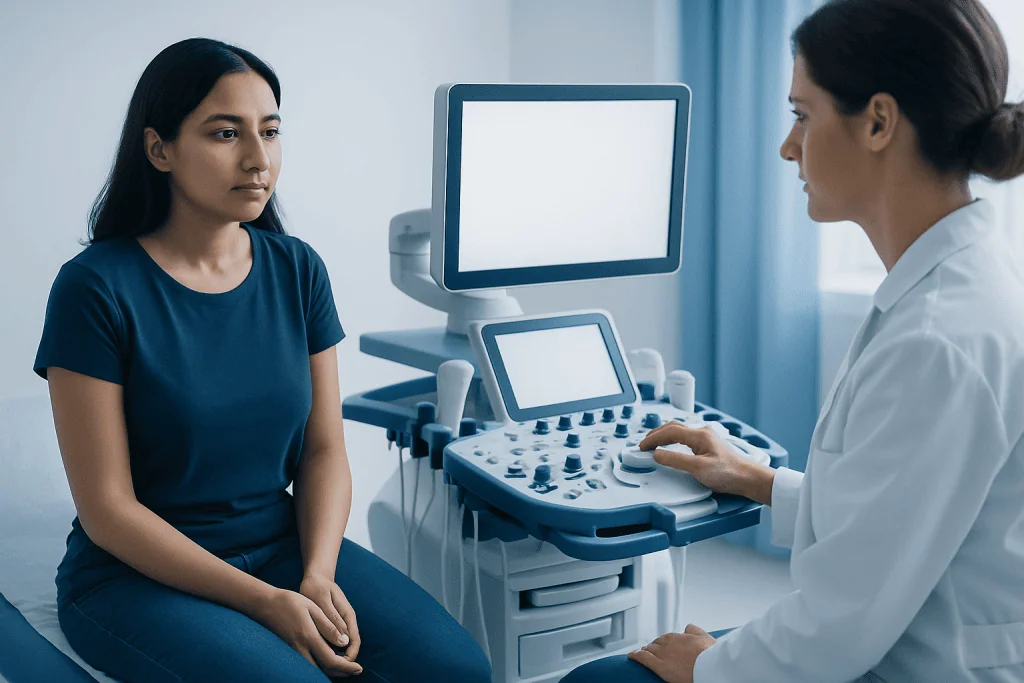
Period poops can look different from person to person. Some have mild stool changes for a day or two, while others have more noticeable digestive symptoms that affect daily activities. Symptoms may start just before bleeding begins or during the first few days of the menstrual period.
Common symptoms include:
- More frequent bowel movements
- Loose stools or diarrhea
- Bowel urgency
- Abdominal cramping
- Bloating or increased gas
- Nausea
- A feeling of incomplete emptying
- Rectal pressure or discomfort
These bowel symptoms often happen alongside other menstrual symptoms such as pelvic cramps, lower back pain, headache, fatigue, or mood changes. In some people, constipation may happen before the period starts and then shift to looser stools once bleeding begins. Keeping track of this timing can be helpful because a repeating monthly pattern supports a hormonal cause.
When bowel symptoms are severe, it is worth considering whether another gynecologic or digestive condition may be contributing. For example, people with endometriosis may have painful bowel movements during menstruation, while those with irritable bowel syndrome may notice that their usual gut symptoms flare around their period.
Why period poops happen: hormones, the gut, and the menstrual cycle
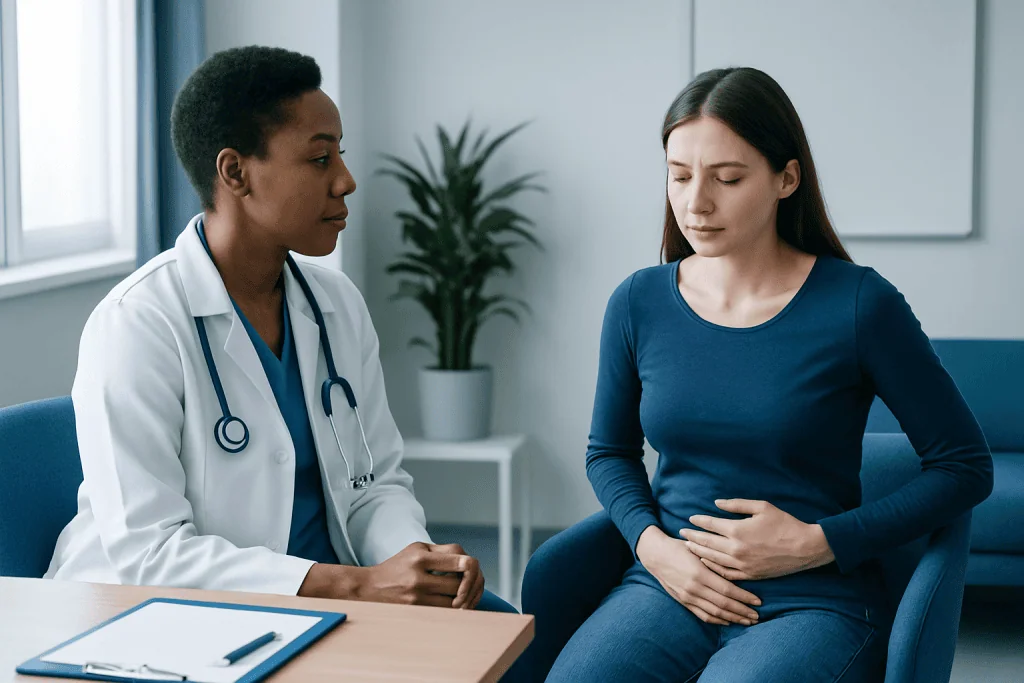
The main reason period poops happen is the effect of hormones and hormone-like chemicals on the intestines. Prostaglandins rise around menstruation and help trigger uterine contractions. If prostaglandin activity is strong, nearby smooth muscle in the bowel can also be stimulated, which speeds intestinal movement and may lead to cramping or diarrhea.
Other cycle-related hormone changes may also play a role. Estrogen and progesterone influence fluid balance, pain sensitivity, and gastrointestinal motility. Earlier in the cycle, progesterone can slow the bowels in some people and contribute to constipation or bloating. As hormone levels shift before menstruation, bowel habits may change again, leading to a cycle of constipation before the period and looser stools during it.
The brain-gut connection matters as well. Stress, anxiety, poor sleep, and menstrual pain can make the digestive tract more sensitive. This can increase urgency, nausea, or abdominal discomfort even when there is no underlying disease. Caffeine, very fatty foods, alcohol, and sugar alcohols may intensify symptoms during this time because they can stimulate the gut or worsen bloating.
Not every bowel change during a period is due to hormones alone. Food intolerances, stomach infections, inflammatory bowel disease, and chronic bowel disorders can overlap with the menstrual cycle. If symptoms are new, worsening, or out of proportion to usual menstrual discomfort, a doctor may need to look beyond normal hormonal changes.
When period poops may suggest another condition
Most period-related bowel changes are temporary and not harmful. However, some patterns suggest that menstruation may be aggravating another health issue rather than causing the whole problem. This is more likely when symptoms occur at other times of the month, have been progressively worsening, or are associated with marked pain or bleeding.
Conditions that can overlap with period poops include gynecologic disorders such as endometriosis, adenomyosis, or pelvic inflammatory disease, and digestive disorders such as irritable bowel syndrome, inflammatory bowel disease, celiac disease, hemorrhoids, or an infection. Endometriosis is especially important to consider if bowel movements during periods are very painful, if there is deep pelvic pain, or if fertility concerns are also present.
A doctor may ask about stool consistency, timing of symptoms across the cycle, diet, medications, recent travel, fever, and whether there is blood or mucus in the stool. They may also ask about menstrual flow, pain severity, sexual health, urinary symptoms, and family history of bowel disease. This broader view helps identify whether the main issue is a normal cycle-related change or something that needs targeted evaluation and treatment.
How doctors evaluate period-related bowel changes
Diagnosis usually starts with a detailed medical history rather than a single test. A doctor will often ask when symptoms begin, how long they last, whether they happen every month, and how they relate to menstrual bleeding and pain. Tracking symptoms over two or three cycles can be very useful because it may reveal a clear hormonal pattern.
A physical examination may be recommended depending on the symptoms. If there are red flags such as severe pelvic pain, significant bowel habit changes, weight loss, persistent diarrhea, or rectal bleeding, the doctor may order tests to rule out other causes. These may include blood tests, stool tests, pelvic ultrasound, or referral to a gynecologist or gastroenterologist.
When symptoms strongly suggest a gastrointestinal or pelvic disorder, more specialized testing may be needed. Some people benefit from a digestive evaluation such as colonoscopy if there is concern for bowel disease, while others may need expert pelvic assessment or imaging. If symptoms are tied to heavy or painful periods, treatment of the underlying gynecologic issue can make bowel symptoms much easier to manage.
It is important not to self-diagnose persistent severe symptoms as “just period poops.” While the term is useful and familiar, it should not delay assessment if the pattern changes or the symptoms interfere significantly with daily life.
Treatment and relief options
Treatment depends on how severe the symptoms are and whether another condition is present. For many people, period poops can be managed with simple supportive steps. Drinking enough water is important, especially if stools are loose. Smaller, lighter meals may feel easier to tolerate on days when cramps and urgency are worse.
Some people find it helpful to reduce triggers around their period, such as excess caffeine, alcohol, very spicy foods, or high-fat meals. Gentle movement, such as walking, may support bowel regularity and help ease cramping. A heating pad on the lower abdomen can provide comfort for menstrual pain, which may also reduce stress-related gut symptoms.
Doctors may recommend medicines to help with pain or bowel symptoms when appropriate. Pain relief that reduces prostaglandin effects can lessen both uterine cramps and bowel-related discomfort for some patients. If there is an underlying condition such as endometriosis or heavy menstrual symptoms, gynecologic treatment may be considered. In selected cases, treatment approaches may include hormonal management or evaluation by specialists in gynecology.
If digestive symptoms are prominent or there is concern about another bowel condition, coordinated care may be useful. Assessment by a specialist in gastroenterology can help determine whether symptoms are due to period-related changes alone or whether a digestive disorder is also present. Near the end of the care pathway, patients seeking cross-border evaluation may also wish to know that Acibadem International’s multidisciplinary specialists and JCI-accredited hospitals diagnose and treat gynecologic and gastrointestinal conditions for international patients.
Self-care, prevention, and symptom tracking
There is no guaranteed way to prevent period poops completely, because they are often driven by normal cycle-related chemistry. Still, self-care may reduce how disruptive they feel. Regular meals, adequate hydration, sufficient sleep, and gentle physical activity can support digestive function throughout the month.
Many patients benefit from a symptom diary. Useful details include the first day of the period, stool frequency, stool consistency, pain level, foods eaten, stress levels, and any medicines used. Over time, this record can show whether symptoms are consistently linked to menstruation and can help a doctor choose the most appropriate next steps.
People who tend to get diarrhea during their period may prefer bland, easy-to-digest meals on the heaviest days of symptoms. Those who develop constipation before bleeding starts may feel better with regular fluid intake, fiber from tolerated foods, and movement. Because everyone’s digestive responses are different, it is often helpful to make changes gradually and observe what actually improves symptoms rather than following overly restrictive diets.
Good menstrual pain control may also indirectly improve bowel symptoms. When cramps are less intense, the stress response can be lower, and the gut may feel calmer. If symptoms continue to disrupt work, school, sleep, or social activities despite careful self-care, a medical review is reasonable.
When to seek medical care
Medical advice is appropriate if bowel symptoms are severe, new, or difficult to explain. A doctor should assess symptoms that cause dehydration, repeated vomiting, faintness, significant weakness, or pain that is much worse than usual menstrual cramping. Care is also important if symptoms persist after the period ends or start happening at other times in the cycle.
Red flags include blood in the stool, black stools, fever, unexplained weight loss, ongoing diarrhea, nighttime bowel symptoms, or severe pelvic pain with bowel movements. These signs do not always mean a serious condition, but they do deserve prompt evaluation. People with a personal or family history of bowel disease should be especially careful not to assume all digestive symptoms are period-related.
Anyone who is unsure whether symptoms are normal can discuss them with a qualified doctor. Early assessment can provide reassurance when symptoms are benign and can also help identify treatable conditions sooner when they are not.
Frequently asked questions
Are period poops normal?
Yes, period poops are common and are usually linked to hormone-related changes during menstruation. Many people notice more frequent bowel movements, looser stools, or cramping for a short time around their period.
Why do I poop more on my period?
The body releases prostaglandins around menstruation to help the uterus contract. These chemicals can also stimulate the intestines, which may make the bowels move faster and lead to more frequent stools or diarrhea.
Can period poops cause diarrhea?
Yes, diarrhea can happen during a period and is one of the most common forms of period poops. It is often temporary and improves as hormone levels shift over the course of the menstrual period.
How can period poops be relieved at home?
Helpful steps may include staying hydrated, eating simple balanced meals, limiting foods that trigger the gut, and using gentle movement or heat for comfort. If symptoms are frequent or difficult to manage, a doctor can advise on safe treatment options.
When are period poops not normal?
They may need medical review if there is blood in the stool, fever, severe pain, persistent diarrhea, dehydration, or symptoms that continue outside the period. A changing pattern or symptoms that interfere with daily life also deserves attention.
Can endometriosis or IBS make period poops worse?
Yes, both endometriosis and irritable bowel syndrome can flare around menstruation and make bowel symptoms more noticeable. If bowel movements are very painful, symptoms occur all month, or pelvic pain is severe, medical evaluation is important.
References
- American College of Obstetricians and Gynecologists
- National Institute of Diabetes and Digestive and Kidney Diseases
- National Health Service
- Mayo Clinic
- Office on Women's Health
This article is for general information only and is not a substitute for professional medical advice. Please consult a qualified doctor about your individual situation.
Persistent digestive symptoms? Get evaluated in Turkey
JCI-accredited · board-certified surgeons · reply within 24h
Add us as a Preferred Source to see more of our trusted health content across Google Search, AI Overviews and Discover.

More from the Health Library



Related Specialists

Assoc. Prof. Dr. Mirza Zafer Dağtaş
Orthopedic Surgery & Traumatology
Özlem Üçel Zengin
Treatment of Lymphedema
Dr. Gökçe Gökkaya
Gynecology & Obstetrics
Prof. Dr. Sevgi Bilgen
Anesthesiology