

Peripheral Neuropathy Causes: Diabetes, Vitamin Deficiency, and Nerve Compression

Peripheral neuropathy is a symptom-based condition caused by injury or dysfunction of the peripheral nerves. Diabetes is one of the most common causes, but vitamin deficiencies and nerve compression are also important and sometimes treatable reasons.
Key Takeaways
- Peripheral neuropathy is a symptom-based condition caused by injury or dysfunction of the peripheral nerves.
- Diabetes is one of the most common causes, but vitamin deficiencies and nerve compression are also important and sometimes treatable reasons.
- Symptoms may include numbness, burning pain, tingling, balance problems, muscle weakness, and changes in temperature or touch sensation.
- Diagnosis usually combines a medical history, examination, blood tests, and sometimes nerve conduction studies or imaging.
- Treatment focuses on the underlying cause, symptom relief, and protecting the affected nerves from further damage.
Peripheral neuropathy is a condition caused by damage to the peripheral nerves, often leading to numbness, tingling, pain, or weakness in the hands and feet. Common causes include diabetes, vitamin deficiencies, nerve compression, infections, autoimmune disease, toxins, and some medications.
Overview
Peripheral neuropathy refers to damage affecting the peripheral nerves, which are the nerves outside the brain and spinal cord. These nerves carry messages for movement, sensation, and automatic body functions such as blood pressure, digestion, and sweating. When they are injured, the communication between the body and the nervous system can become disrupted.
The condition is not a single disease with one cause. Instead, it is a broad term that describes nerve damage resulting from different medical problems, injuries, nutritional issues, or exposures. Symptoms often begin gradually, especially in the feet and hands, but they can also affect other areas depending on which nerves are involved.
Peripheral neuropathy may involve sensory nerves, motor nerves, autonomic nerves, or a combination of these. Some people mainly notice tingling and numbness, while others develop pain, weakness, balance problems, or digestive and bladder symptoms. Understanding the cause is important because some forms can improve when the underlying issue is identified and treated early.
Symptoms of Peripheral Neuropathy
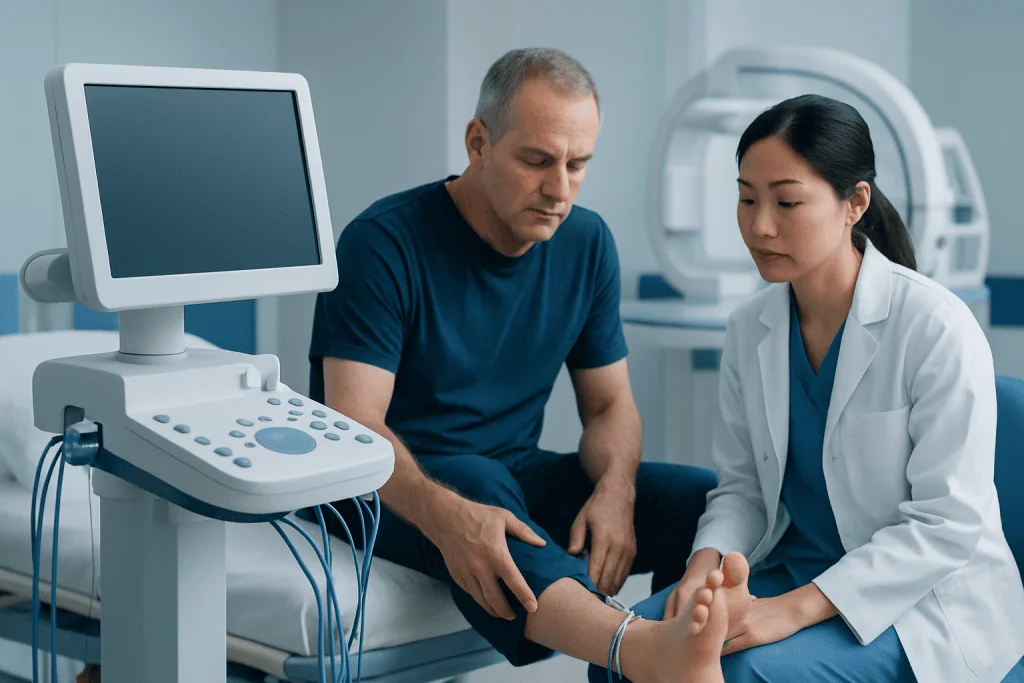
Symptoms depend on the type of nerves affected and how severe the damage is. Sensory nerve involvement commonly causes numbness, tingling, burning, stabbing pain, or an unusual sensitivity to touch. Many people describe symptoms beginning in the toes and gradually moving upward in a “stocking” pattern. The fingers may later be affected in a “glove” pattern.
When motor nerves are involved, muscle weakness, cramping, twitching, or loss of coordination may develop. Everyday activities such as buttoning clothes, climbing stairs, or walking steadily can become more difficult. If autonomic nerves are affected, symptoms may include dizziness when standing, sweating changes, digestive problems, constipation, diarrhea, or bladder dysfunction.
Some symptoms should be assessed promptly, especially if they appear suddenly, spread quickly, or significantly affect movement. A person should not ignore persistent numbness, new weakness, repeated falls, severe burning pain, or wounds on the feet that are slow to heal.
- Numbness or reduced ability to feel pain or temperature
- Tingling, prickling, or burning sensations
- Sharp, electric, or stabbing pain
- Muscle weakness or loss of grip strength
- Balance problems or unsteady walking
- Changes in sweating, digestion, blood pressure, or bladder function
Common Causes and Risk Factors

Diabetes is one of the most common causes of peripheral neuropathy. Over time, high blood sugar can damage nerves and the small blood vessels that supply them. This is often called diabetic neuropathy, and it most commonly affects the feet and legs first. Good blood sugar management can help reduce the risk of progression.
Vitamin deficiencies are another important cause, especially low levels of vitamin B12, but deficiencies in other B vitamins and vitamin E can also play a role. Poor nutrition, digestive disorders that reduce absorption, alcohol misuse, and certain medications can contribute to these deficiencies. Because this cause can sometimes be corrected, testing may be especially valuable when symptoms are unexplained.
Nerve compression happens when a nerve is squeezed or irritated by surrounding tissues. Repetitive movements, poor posture, spinal disc problems, injuries, or swelling can all contribute. Common examples include carpal tunnel syndrome at the wrist and nerve root compression from the neck or lower back. In some cases, relieving the pressure can improve symptoms and prevent further damage.
Other possible causes include autoimmune disease, infections, kidney disease, thyroid disorders, inherited nerve conditions, toxin exposure, chemotherapy, and certain other medicines. Risk may be higher in older adults and in people with long-standing diabetes, alcohol misuse, metabolic disease, or a family history of neuropathy.
How Peripheral Neuropathy Is Diagnosed
Diagnosis begins with a detailed medical history and physical examination. A doctor will ask about the pattern of symptoms, how long they have been present, any medical conditions such as diabetes or thyroid disease, alcohol use, medication exposure, family history, and whether symptoms affect sensation, strength, or autonomic functions.
Blood tests are often used to look for treatable causes. These may assess blood sugar, vitamin B12 and folate levels, thyroid function, kidney and liver function, inflammation markers, and sometimes tests for autoimmune or infectious conditions. The goal is not only to confirm neuropathy but also to identify why it is happening.
Nerve conduction studies and electromyography can help measure how well nerves and muscles are working. These tests may distinguish peripheral neuropathy from muscle disorders or nerve root problems. If compression is suspected, imaging such as MRI scan may be helpful in selected cases. Some people may also need ultrasound, skin biopsy, or specialized autonomic testing depending on the symptoms and the clinical findings.
Treatment Options
Treatment is based on the underlying cause whenever possible. For diabetes-related neuropathy, better glucose control and careful foot protection are central. If a vitamin deficiency is found, correcting the deficiency may slow or improve symptoms. When nerve compression is the main problem, treatment may include rest, activity changes, splinting, physical therapy, anti-inflammatory strategies, or procedures aimed at relieving pressure on the nerve.
Medicines may be used to manage nerve pain, but treatment is individualized and should be guided by a qualified doctor. Pain relief is important, yet it is only one part of care. Protecting numb areas from burns, pressure injuries, and cuts is also essential, especially in the feet.
Rehabilitation can help improve strength, balance, and function. Depending on the cause and symptom pattern, a care plan may involve physical therapy and rehabilitation or other supportive therapies. In people with significant weakness, walking instability, or hand dysfunction, therapy can make daily activities safer and more manageable.
If a structural nerve compression or spinal cause is identified, treatment may involve specialists in neurology, orthopedics, or neurosurgery. Some patients with related spinal or central nervous system symptoms may also be evaluated for conditions that can mimic neuropathy, such as multiple sclerosis. At Acibadem International, multidisciplinary specialists in JCI-accredited hospitals assess and treat peripheral nerve conditions for international patients.
Prevention and Self-care
Not every case can be prevented, but many people can reduce risk by addressing modifiable factors. Keeping blood sugar within a doctor-recommended range is one of the most effective ways to lower the risk of diabetic nerve damage. A balanced diet with enough vitamins, avoiding excessive alcohol, and managing chronic conditions such as kidney disease or thyroid disorders are also important.
Daily foot care is especially helpful for people with diabetes or numbness in the feet. Feet should be checked for cuts, blisters, redness, swelling, or areas of pressure. Shoes should fit well and protect the skin. Extreme heat, including hot water bottles or heating pads, should be used carefully because numb skin may not sense burns.
Posture, ergonomic habits, and activity modification can reduce the risk of some compression neuropathies. Repetitive tasks should be broken up with rest periods, and prolonged pressure on elbows, wrists, or legs should be avoided. Regular exercise, when appropriate, may support circulation, balance, and overall nerve health.
When to See a Doctor
A person should speak with a doctor if numbness, tingling, burning pain, or weakness persists, worsens, or interferes with daily life. Medical attention is also important if symptoms began after a new medication, injury, or infection, or if there is a personal history of diabetes, heavy alcohol use, digestive disease, or vitamin deficiency.
Prompt evaluation is especially important for rapidly progressing symptoms, falls, marked weakness, trouble walking, bladder changes, or severe pain. New ulcers or wounds on numb feet also need timely care because reduced sensation can delay recognition of injury and increase the risk of complications.
Early assessment can improve the chance of finding a treatable cause and may help prevent further nerve damage. Even when symptoms cannot be fully reversed, an accurate diagnosis often leads to better symptom control, safer mobility, and improved quality of life.
Frequently asked questions
What are the most common peripheral neuropathy causes?
Common causes include diabetes, vitamin deficiencies, nerve compression, alcohol misuse, autoimmune disease, infections, kidney disease, thyroid disorders, toxins, and some medications. In some people, more than one factor may contribute at the same time.
Can vitamin deficiency really cause nerve damage?
Yes. Deficiencies, especially low vitamin B12, can affect nerve function and lead to numbness, tingling, balance problems, or weakness. Early diagnosis matters because treating the deficiency may prevent further damage and sometimes improve symptoms.
Is peripheral neuropathy always caused by diabetes?
No. Diabetes is a very common cause, but it is not the only one. A careful evaluation is important because neuropathy may also result from compression, nutritional problems, autoimmune disease, inherited conditions, or medication effects.
Can peripheral neuropathy go away?
Some cases improve, especially when the cause is identified early and treated, such as a vitamin deficiency or certain compression injuries. Other cases may be long-term, but symptoms can often be managed and progression may be slowed.
How is peripheral neuropathy tested?
Doctors usually combine a symptom review, neurological examination, and blood tests to look for causes. Some patients also need nerve conduction studies, electromyography, or imaging if compression or another structural problem is suspected.
When is numbness in the feet a medical concern?
Persistent numbness, worsening symptoms, pain, weakness, balance problems, or foot wounds should be assessed by a doctor. People with diabetes should be especially careful because reduced sensation can allow injuries to go unnoticed.
References
- National Institute of Neurological Disorders and Stroke
- American Diabetes Association
- National Institute of Diabetes and Digestive and Kidney Diseases
- Mayo Clinic
- World Health Organization
This article is for general information only and is not a substitute for professional medical advice. Please consult a qualified doctor about your individual situation.
Peripheral Neuropathy in Turkey — costs, top hospitals & a free quote
JCI-accredited · board-certified surgeons · reply within 24h
Add us as a Preferred Source to see more of our trusted health content across Google Search, AI Overviews and Discover.
Check your numbers in seconds
BMI, calories, due date, blood pressure and 30+ more clinical calculators — free, instant, doctor-reviewed ranges.

Physical Medicine & Rehabilitation
Restoring movement and function after injury, surgery or neurological conditions.
152 specialists in this unitMore from the Health Library



Related Specialists

Prof. Dr. Solmaz Balcı Akar
Ophthalmology
Fzt. Alperen Mustafa Oğuz
Physical Medicine & Rehabilitation
Dr. Özlem Türkcanoğlu
Emergency Service
Fzt. Elif Tokgöz Nizam
Physical Medicine & Rehabilitation