Peristalsis: What Patients Need to Know

Peristalsis is a normal automatic muscle movement that helps food travel from the esophagus to the intestines. Symptoms of abnormal peristalsis depend on where the problem occurs and may include trouble swallowing, heartburn, bloating, constipation, or diarrhea.
Key Takeaways
- Peristalsis is a normal automatic muscle movement that helps food travel from the esophagus to the intestines.
- Symptoms of abnormal peristalsis depend on where the problem occurs and may include trouble swallowing, heartburn, bloating, constipation, or diarrhea.
- Many factors can affect digestive motility, including dehydration, diet, medications, stress, surgery, nerve disorders, and digestive diseases.
- Evaluation may involve a physical exam, blood tests, imaging, endoscopy, or specialized motility tests.
- Treatment focuses on the cause and may include lifestyle changes, medications, and care from digestive specialists.
Peristalsis is the body’s normal wave-like muscle action that moves food, liquid, and waste through the digestive tract. When peristalsis becomes too slow, too fast, or uncoordinated, it may lead to symptoms such as difficulty swallowing, reflux, bloating, constipation, or diarrhea.
Overview: what peristalsis means in everyday health
Peristalsis is the name for the rhythmic, wave-like muscle contractions that move food and liquid through the digestive system. These movements begin after swallowing and continue through the esophagus, stomach, small intestine, and large intestine. Most of the time, people do not notice peristalsis because it happens automatically.
This process is essential for digestion. It helps carry food to the stomach, mix it with digestive fluids, move nutrients through the intestines, and push waste toward the rectum. Without coordinated peristalsis, eating and digestion would become difficult and uncomfortable.
Patients often hear the term when they have symptoms such as difficulty swallowing, reflux, bloating, constipation, or irregular bowel habits. In these situations, the issue is not usually peristalsis itself, but a change in how the digestive muscles or nerves are working. Understanding this can help patients discuss symptoms more clearly with a doctor.
How peristalsis works in different parts of the digestive tract
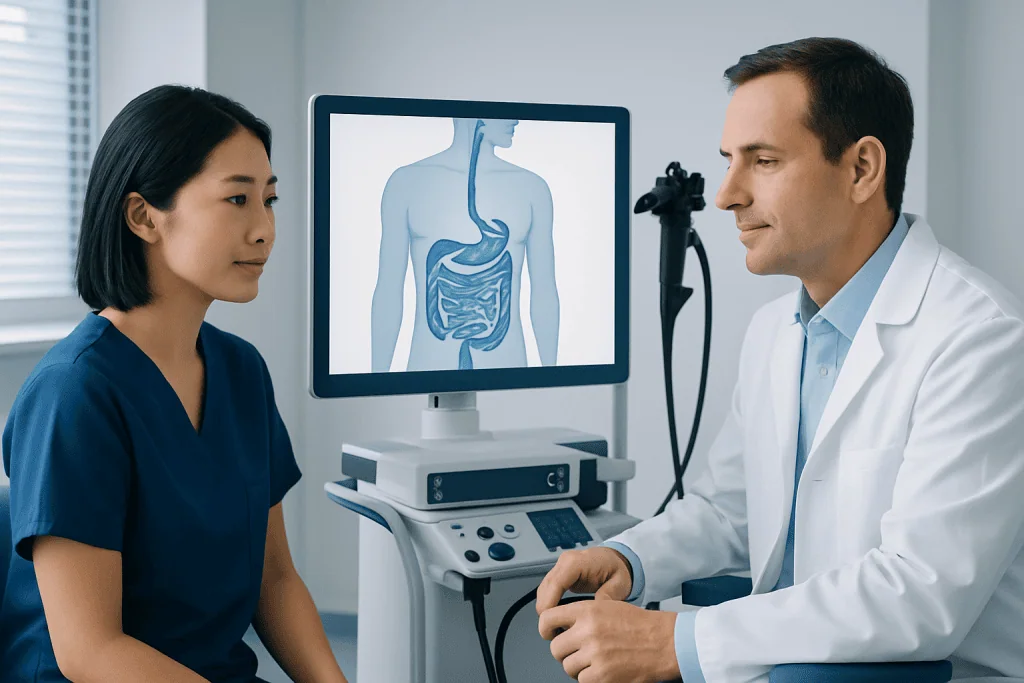
Peristalsis is controlled by smooth muscles in the digestive tract and by a network of nerves in the gut, often called the enteric nervous system. These muscles contract behind food and relax in front of it, creating a forward-moving wave. This is how swallowed food travels from the mouth to the stomach even when a person is sitting or lying down.
In the esophagus, peristalsis helps move each swallow toward the stomach. In the stomach, muscular contractions help churn food and gradually empty it into the small intestine. In the small intestine, movement helps digestion and nutrient absorption. In the colon, slower waves help absorb water and move stool toward bowel movements.
Digestive motility is slightly different from place to place, so symptoms vary depending on the location. Problems high in the digestive tract may cause swallowing difficulties or chest discomfort, while lower tract problems may lead to bloating, abdominal pain, constipation, or diarrhea. Some patients may also have related conditions such as gastroesophageal reflux disease or irritable bowel syndrome.
Signs that peristalsis may not be working normally

Abnormal peristalsis can feel different from person to person. Some people notice food seeming to stick when they swallow. Others feel fullness, nausea, early satiety, cramping, bloating, or changes in bowel habits. Symptoms may come and go or become more noticeable after certain meals, during stress, or when taking specific medicines.
Upper digestive symptoms can include difficulty swallowing, pain with swallowing, regurgitation, heartburn, unexplained chest discomfort, or frequent coughing after meals. Lower digestive symptoms can include constipation, diarrhea, urgency, abdominal distension, or a feeling of incomplete bowel emptying.
These symptoms do not always mean there is a serious disease, but they should not be ignored if they are persistent. In some cases, motility changes are linked to a blockage, inflammation, nerve dysfunction, muscle disorders, or recovery after surgery. A careful medical assessment helps separate common functional symptoms from conditions that need targeted treatment.
- Trouble swallowing or food sticking
- Heartburn or regurgitation
- Bloating and abdominal discomfort
- Constipation or infrequent bowel movements
- Diarrhea or urgency
- Nausea, early fullness, or vomiting
What can affect peristalsis
Many factors can slow down, speed up, or disrupt peristalsis. Common temporary causes include dehydration, low fiber intake, abrupt diet changes, viral illness, stress, and reduced physical activity. Travel, disrupted routines, and certain foods may also affect bowel movement patterns.
Medications are another frequent reason for altered digestive motility. Some pain medicines, iron supplements, anticholinergic drugs, and other medications can contribute to constipation or slowed movement. On the other hand, some antibiotics, laxatives, and other drugs may increase intestinal activity and lead to loose stools or cramping. Patients should not stop prescribed medicines on their own, but they should discuss side effects with a clinician.
There are also medical causes. These include diabetes-related nerve damage, thyroid disorders, neurologic diseases, connective tissue disorders, inflammation, scar tissue from prior surgery, and diseases that affect the esophagus or intestines. Structural or functional issues can sometimes require further evaluation with specialists in gastroenterology or endoscopy.
In some people, testing finds no dangerous abnormality, but the digestive tract may still be extra sensitive or poorly coordinated. This can happen in functional gut disorders, where the interaction between the gut and nervous system is altered. These conditions are real and can meaningfully affect quality of life, even when routine tests are normal.
How doctors evaluate peristalsis problems
Diagnosis begins with a detailed history and physical examination. A doctor will ask where symptoms occur, how long they have been present, whether they are linked to meals, and whether there are warning signs such as weight loss, bleeding, fever, persistent vomiting, or progressive difficulty swallowing. Medical history, previous surgery, and medication use are also important.
Basic tests may include blood work, stool studies, or imaging depending on the symptoms. For upper digestive symptoms, doctors may recommend an upper endoscopy to look for inflammation, narrowing, or other structural causes. For lower digestive symptoms, evaluation may include imaging or colon-based testing if clinically appropriate.
When a motility disorder is suspected, specialized tests may be helpful. These can include esophageal manometry, gastric emptying studies, or other motility assessments that measure how well the muscles and nerves are working. Some patients may also need colonoscopy if there are bowel symptoms that require direct evaluation of the large intestine.
The goal of testing is not only to confirm that peristalsis is altered, but also to find the reason. This helps guide treatment and avoids unnecessary therapies. A clear diagnosis can also reassure patients when symptoms are troublesome but not caused by a dangerous condition.
Treatment options and supportive care
Treatment depends on the cause, location, and severity of symptoms. If peristalsis changes are related to dehydration, low fiber intake, or medication side effects, simple adjustments may improve symptoms. Doctors may recommend hydration, meal planning, gradual increases in dietary fiber when appropriate, physical activity, or changes to the timing and composition of meals.
Medications may be used to support symptom control or improve digestive movement in selected cases. Depending on the problem, this might include medicines for reflux, nausea, constipation, diarrhea, or specific motility disorders. Treatment should be individualized, especially for older adults, people with other medical conditions, or those taking multiple medications.
Some conditions need targeted procedures or disease-specific care. For example, a narrowing in the esophagus may require endoscopic treatment, while a structural bowel problem may need further intervention. If symptoms are linked to related conditions such as constipation, treatment focuses on the underlying diagnosis rather than peristalsis as a stand-alone issue.
Care is often most effective when it addresses both physical triggers and quality-of-life factors such as diet, stress, sleep, and activity. Near the end of the care pathway, patients who need advanced assessment may be seen by multidisciplinary specialists; Acibadem International’s JCI-accredited hospitals provide diagnosis and treatment for international patients with digestive motility concerns.
Self-care habits that support healthy digestive movement
Daily habits can influence how comfortably the digestive system works. Drinking enough fluids, eating regular meals, and staying active can all support normal bowel function. Many people also benefit from chewing food well and avoiding very large meals, especially if they have upper digestive symptoms.
Fiber can be helpful for some patients, particularly when constipation is a concern, but it is not right for everyone in every situation. Increasing fiber too quickly may worsen bloating or discomfort, so changes are best made gradually and with medical guidance if symptoms are ongoing. Some patients find it useful to keep a symptom diary to identify triggers such as fatty meals, alcohol, caffeine, or highly processed foods.
Stress management matters because the brain and gut communicate closely. Sleep disruption, anxiety, and stressful routines can make digestive symptoms feel stronger. Gentle exercise, meal regularity, and good sleep habits may improve overall gut rhythm, even when they do not fully resolve the underlying condition.
- Drink fluids regularly unless a doctor has advised restriction
- Eat at consistent times and avoid rushing meals
- Stay physically active when possible
- Increase fiber gradually if appropriate
- Review medication side effects with a clinician
- Track triggers if symptoms recur
When to seek medical care
Patients should seek medical advice if symptoms related to peristalsis last more than a short period, interfere with eating, disturb sleep, or affect daily activities. Ongoing trouble swallowing, repeated vomiting, persistent constipation, unexplained diarrhea, or frequent bloating deserve proper evaluation, especially when symptoms are new or worsening.
Urgent medical attention is important for warning signs such as inability to swallow liquids, severe or worsening abdominal pain, blood in vomit or stool, black stools, dehydration, fever, fainting, or unexplained weight loss. Progressive swallowing difficulty or chest discomfort should also be assessed promptly to rule out more serious conditions.
Even when symptoms are not urgent, early assessment can prevent complications and bring relief sooner. A qualified doctor can determine whether symptoms are due to a temporary digestive upset, a functional motility issue, or a condition that needs specific treatment. Patients should avoid self-diagnosing persistent symptoms, especially if over-the-counter remedies are not helping.
Frequently asked questions
What is peristalsis in simple terms?
Peristalsis is the automatic squeezing movement of the digestive tract. It helps move food, liquid, and waste from one part of the gut to the next.
Can a person feel peristalsis happening?
Usually, no. Most people are not aware of normal peristalsis, but they may notice symptoms if movement becomes too slow, too fast, or poorly coordinated.
What causes peristalsis to slow down?
Common causes include dehydration, low fiber intake, inactivity, some medications, and recovery after illness or surgery. Certain medical conditions, including nerve or muscle disorders, can also affect digestive movement.
Is abnormal peristalsis the same as a bowel obstruction?
No. Abnormal peristalsis means digestive movement may not be working normally, while a bowel obstruction is a blockage that can stop contents from passing through. Obstruction is a medical problem that needs prompt evaluation.
How do doctors test for peristalsis problems?
Doctors may use a combination of history, examination, blood tests, imaging, endoscopy, and specialized motility tests. The right test depends on whether symptoms involve swallowing, the stomach, or the intestines.
Can lifestyle changes improve peristalsis?
Yes, in some cases. Hydration, regular meals, physical activity, and careful fiber intake can support normal digestive function, but persistent symptoms still need medical review.
References
- National Institute of Diabetes and Digestive and Kidney Diseases
- American College of Gastroenterology
- National Institutes of Health
- Mayo Clinic
- Merck Manual Consumer Version
This article is for general information only and is not a substitute for professional medical advice. Please consult a qualified doctor about your individual situation.
Persistent digestive symptoms? Get evaluated in Turkey
JCI-accredited · board-certified surgeons · reply within 24h
Add us as a Preferred Source to see more of our trusted health content across Google Search, AI Overviews and Discover.