PET-CT Scan Cost: What Changes the Price and What May Be Included?
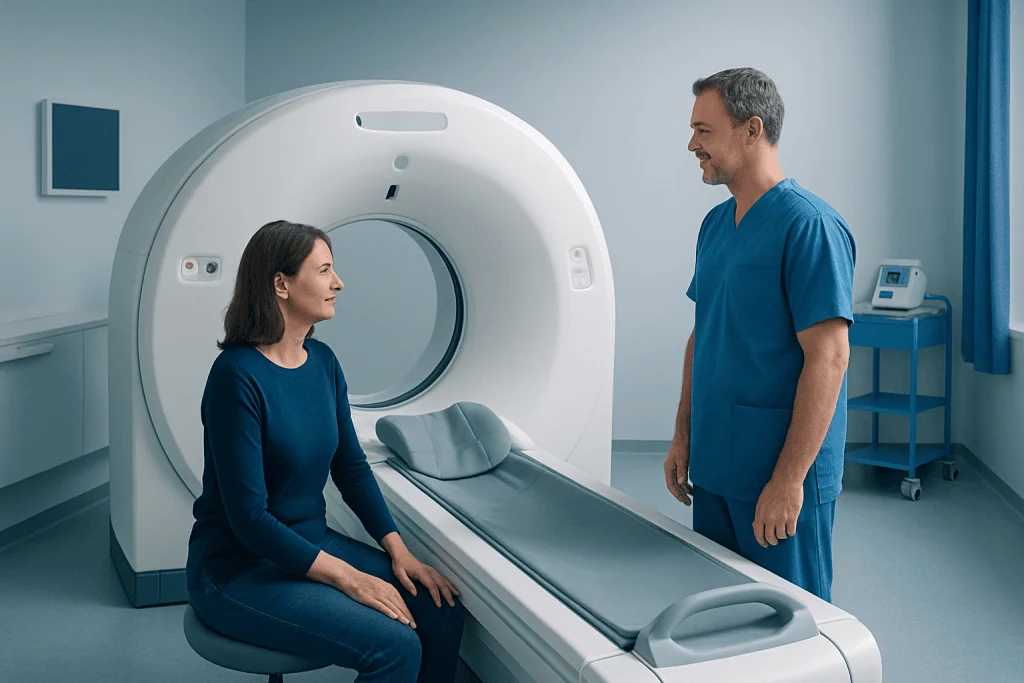
PET-CT scan cost depends on the tracer used, the body area scanned, and the reason for the test. Hospital type, country, equipment, and specialist reporting can all change the final price.
Key Takeaways
- PET-CT scan cost depends on the tracer used, the body area scanned, and the reason for the test.
- Hospital type, country, equipment, and specialist reporting can all change the final price.
- Some quotes include consultation, contrast, blood tests, and reports, while others list them separately.
- Patients should ask for a detailed written breakdown before booking a PET-CT scan.
- Medical necessity and the clinical question often matter more than choosing the lowest price.
PET-CT scan cost can vary widely because the test combines advanced imaging, specialized radioactive tracers, expert interpretation, and different hospital services. Understanding what affects the price and what may be included can help patients compare options more clearly and plan with confidence.
Overview: what a PET-CT scan is and why costs vary
A PET-CT scan combines two imaging methods in one appointment. PET, or positron emission tomography, shows how tissues and organs are functioning by using a small amount of a radioactive tracer. CT, or computed tomography, provides detailed pictures of body structures. Together, they help doctors see both anatomy and metabolic activity, which can be especially useful in cancer care, infection, inflammation, and selected heart or brain conditions.
Because PET-CT is a highly specialized test, PET-CT scan cost is usually higher than the cost of a standard X-ray, ultrasound, or routine CT. The price reflects several components: advanced scanner technology, tracer production and handling, radiation safety processes, specialist staff, and expert image interpretation. In many cases, the cost also depends on whether the scan is used for initial diagnosis, staging, treatment response, or follow-up.
For patients, the most important point is that one PET-CT quote may not be directly comparable with another. One center may include the radiologist or nuclear medicine physician report, contrast material, preparation, and consultation, while another may charge for these separately. Looking beyond the headline figure can give a more accurate picture of overall value and help avoid unexpected expenses.
Main factors that can change PET-CT scan cost
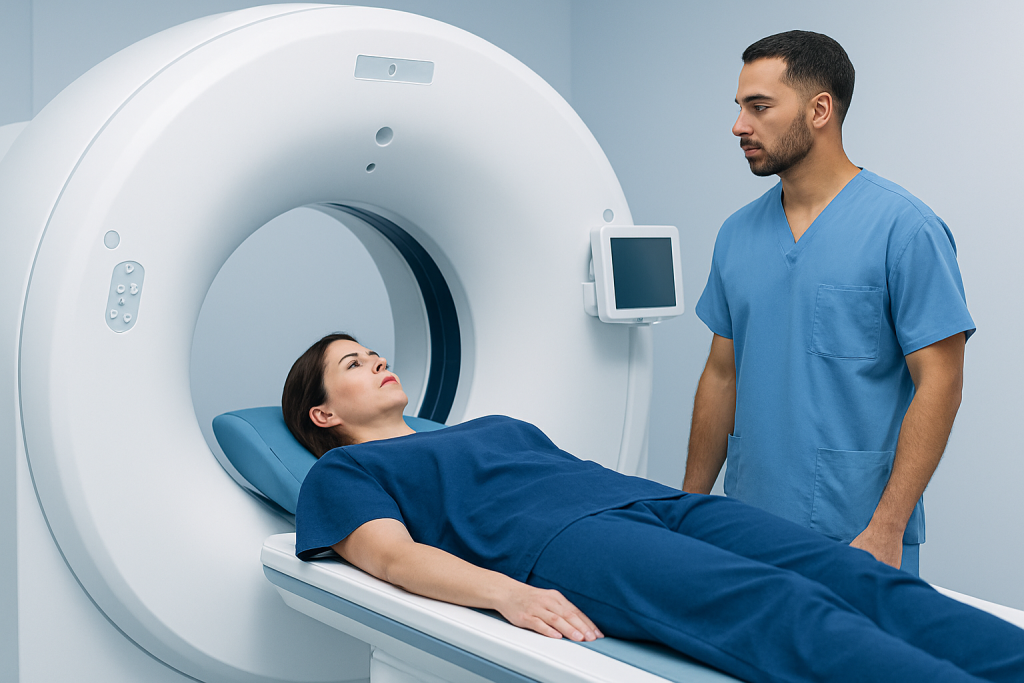
One of the biggest price factors is the type of tracer used. The most common tracer is FDG, which helps show areas of increased glucose use. However, some conditions require other tracers that may be less widely available and more expensive to produce or transport. The complexity of tracer preparation and the timing needed for its safe use can directly affect the final price.
The area being scanned can also influence cost. Some PET-CT scans are limited to a specific region, while others cover the whole body from skull base to thigh or even more extensive areas when clinically necessary. A more comprehensive exam may involve longer imaging time, additional image reconstruction, and more detailed reporting.
Hospital and location matter as well. Prices can differ between public and private facilities, between cities, and across countries. International patients may notice significant regional variation due to local labor costs, technology availability, regulatory standards, and whether the tracer is produced on-site or shipped from another center.
Other factors may include:
- Whether contrast-enhanced CT is performed as part of the study
- The experience of the reporting specialist
- Accreditation and quality standards of the imaging center
- Need for same-day or urgent scheduling
- Additional review by a multidisciplinary team
- The patient’s medical complexity, including special preparation needs
What may be included in the price

When comparing PET-CT scan cost, it helps to ask exactly what the quoted fee covers. In some centers, the price includes the radioactive tracer, the scan itself, routine nursing support, and the final written report from a radiologist or nuclear medicine physician. In others, the report may be included but the consultation before or after the scan may be billed separately.
Preparation-related services may also be included or excluded. Depending on the reason for the scan, patients may need a blood glucose check, IV cannulation, hydration advice, or a short period of observation after the test. If contrast-enhanced CT is performed at the same time, the contrast material and kidney function testing may appear as separate charges.
International or self-paying patients should also ask whether the quote includes image copies, translated reports, second-opinion review, or coordination with the referring doctor. These practical details can be important, especially when the PET-CT scan is being arranged as part of broader check-up and screening or cancer evaluation planning.
Items that may or may not be included are:
- Specialist consultation before the scan
- Tracer cost
- IV contrast material
- Blood tests such as glucose or kidney function
- Sedation, if needed in selected cases
- Official report and image CD or digital access
- Second reading or multidisciplinary discussion
Why the reason for the scan matters
The purpose of the PET-CT scan often shapes both the protocol and the price. In oncology, PET-CT may be used to look for a suspected cancer, determine stage, assess response to therapy, or monitor after treatment. Each of these clinical questions can require different imaging fields, timing, and reporting detail. For example, a scan ordered to assess response after treatment for lung cancer may be interpreted differently from a scan used to investigate a new unexplained finding.
Some cancers and other disorders need more specialized tracers or more detailed imaging protocols. This can increase cost because the tracer may be less common or the scan may require added expertise. PET-CT can also be part of planning for cancer treatment, especially when doctors need a clearer picture of how active a lesion is or whether disease has spread.
Outside oncology, PET-CT may sometimes be used in infection, inflammatory disease, selected cardiac evaluation, or neurological assessment. These uses are more individualized, and pricing may vary depending on the center’s expertise and the complexity of the case. The key point is that the most appropriate scan is the one that answers the doctor’s clinical question safely and clearly, rather than simply the least expensive option.
How to compare quotes and avoid unexpected charges
Patients often receive very different price estimates for what seems to be the same test. A clear written quote is the best way to compare options fairly. It should state whether the scan is whole-body or limited, whether the CT part is low-dose or diagnostic, what tracer will be used, and whether the report is included. Without these details, one quote may appear lower simply because key parts are billed later.
It is also wise to ask about the practical steps around the scan. Some centers include a pre-scan doctor review, while others require a separate appointment. Patients should ask whether eating restrictions, blood sugar measurement, contrast screening, and image transfer to another doctor are part of the fee. If travel is involved, timing is important because tracers have strict handling requirements and late arrival can sometimes lead to rescheduling.
Helpful questions to ask include:
- What exactly is included in this PET-CT scan cost?
- Will there be extra charges for contrast, lab tests, or the specialist report?
- Is the CT portion low-dose or diagnostic quality?
- Which tracer will be used, and does that change the price?
- How and when will the results be delivered?
- If another opinion is needed, is that included or billed separately?
For patients traveling abroad, asking about package organization can also help. In some hospitals, imaging is coordinated with related consultations such as oncology consultation when the scan is part of a larger treatment plan. This may be more convenient, but it is still important to confirm each included item in writing.
Insurance, self-pay, and international patient considerations
Insurance coverage for PET-CT varies by country, insurer, and the medical reason for the test. Some plans cover PET-CT only for specific indications, such as certain cancers or when other imaging has not answered the clinical question. Even when the scan is covered, there may still be out-of-pocket costs for deductibles, preauthorization requirements, or separate interpretation fees.
For self-paying patients, understanding whether the quote is comprehensive is especially important. A lower upfront price may not include the tracer, physician reading, or diagnostic CT with contrast. Asking for an itemized estimate can make budgeting easier and reduce uncertainty. Patients should also ask about cancellation policies, as tracer preparation may begin before arrival.
International patients may need extra services such as medical record review, language support, or coordination between specialists. These are not always included in a standard imaging price. Near the end of the care journey, some patients may choose a center that can combine imaging, specialist review, and treatment planning in one place. Acibadem International’s multidisciplinary specialists and JCI-accredited hospitals diagnose and treat patients who need PET-CT as part of a broader evaluation.
Choosing quality, safety, and the right next step
Although cost is an important practical concern, quality and appropriateness should come first. PET-CT uses ionizing radiation, so it should be performed only when it is likely to provide information that can guide care. A qualified doctor can help decide whether PET-CT is the right test or whether another imaging method, such as CT, MRI, or ultrasound, may be more suitable.
Patients can look for centers with experienced nuclear medicine and radiology teams, clear preparation instructions, and a strong approach to safety. This includes careful identity checks, tracer handling standards, and attention to kidney function or allergy history when contrast is being considered. Good communication before and after the test often reflects the overall quality of care.
If a scan result is expected to influence important decisions, such as surgery, chemotherapy, or radiation therapy, expert interpretation is especially valuable. In some cases, PET-CT findings may be reviewed alongside pathology or other imaging, including MRI when more structural detail is needed. Patients should feel comfortable asking why the scan is recommended, what information it may provide, and how the results could affect the next step in treatment.
Frequently asked questions
Why is a PET-CT scan usually more expensive than a standard CT?
A PET-CT scan combines two technologies in one exam and also requires a specialized radioactive tracer. The price reflects the scanner, tracer preparation, safety protocols, and expert interpretation. This makes it more complex than a standard CT alone.
Does PET-CT scan cost usually include the doctor’s report?
Often it does, but not always. Some centers include the written report in the total fee, while others charge separately for image interpretation or consultation. Asking for an itemized quote is the best way to confirm.
Can the type of tracer change the price?
Yes. Different tracers have different production, storage, and transport requirements. Less common tracers may cost more than standard FDG-based PET-CT scans.
Is contrast always included in a PET-CT price?
No. Some PET-CT exams use a low-dose CT without contrast, while others include a diagnostic CT with contrast for more detail. Contrast material and related blood tests may be separate charges.
What should patients ask before booking a PET-CT scan?
They should ask what is included, which tracer will be used, whether the CT is low-dose or diagnostic, and when the results will be ready. It is also helpful to ask about extra fees for contrast, lab tests, sedation, or consultations.
Does the reason for the scan affect the cost?
Yes. A scan for cancer staging, treatment response, infection, or neurological assessment may require different protocols and reporting detail. The clinical purpose can therefore change the final price.
References
- World Health Organization
- International Atomic Energy Agency
- Radiological Society of North America
- American Cancer Society
- National Cancer Institute
This article is for general information only and is not a substitute for professional medical advice. Please consult a qualified doctor about your individual situation.
Oncology care in Turkey — second opinion and treatment plan
JCI-accredited · board-certified surgeons · reply within 24h
Add us as a Preferred Source to see more of our trusted health content across Google Search, AI Overviews and Discover.