

Phantom Itch — Explained by Medical Evidence, Not Myths

Phantom itch is a type of nerve-related sensation and can occur with or without phantom limb pain. It may be triggered or worsened by stress, poor sleep, pressure on the residual limb, or other sensory cues.
Key Takeaways
- Phantom itch is a type of nerve-related sensation and can occur with or without phantom limb pain.
- It may be triggered or worsened by stress, poor sleep, pressure on the residual limb, or other sensory cues.
- A medical assessment helps rule out treatable skin, prosthetic, nerve, or circulation-related problems.
- Treatment is individualized and may include residual-limb care, rehabilitation, sensory techniques, medicines, and psychological support.
- New, severe, persistent, or distressing symptoms should be discussed with a healthcare professional.
Phantom itch is a real sensory experience in which a person feels itching in a body part that is no longer present, most often after an amputation. It is usually related to changes in nerve signaling and the brain’s body map, rather than a skin problem or imagination.
What is phantom itch?
Phantom itch is an itching sensation that seems to come from a body part that has been amputated or is no longer physically present. For example, a person may feel an itch in a missing foot, hand, toe, or finger. The sensation can be mild and occasional, or persistent enough to disturb concentration, sleep, or daily activities.
It is a real neurological symptom. Although there is no skin in the missing body part to scratch, the nerves, spinal cord, and brain can still produce or interpret signals as if that part of the body were present. Phantom itch may occur alone, alongside phantom limb sensations such as tingling or pressure, or with phantom limb pain.
The term is sometimes used more broadly for itch caused by altered nerve signaling. However, an itch on the residual limb, around a scar, or under a prosthesis is not necessarily phantom itch and may have a direct skin or mechanical cause that should be assessed.
Why phantom itch happens
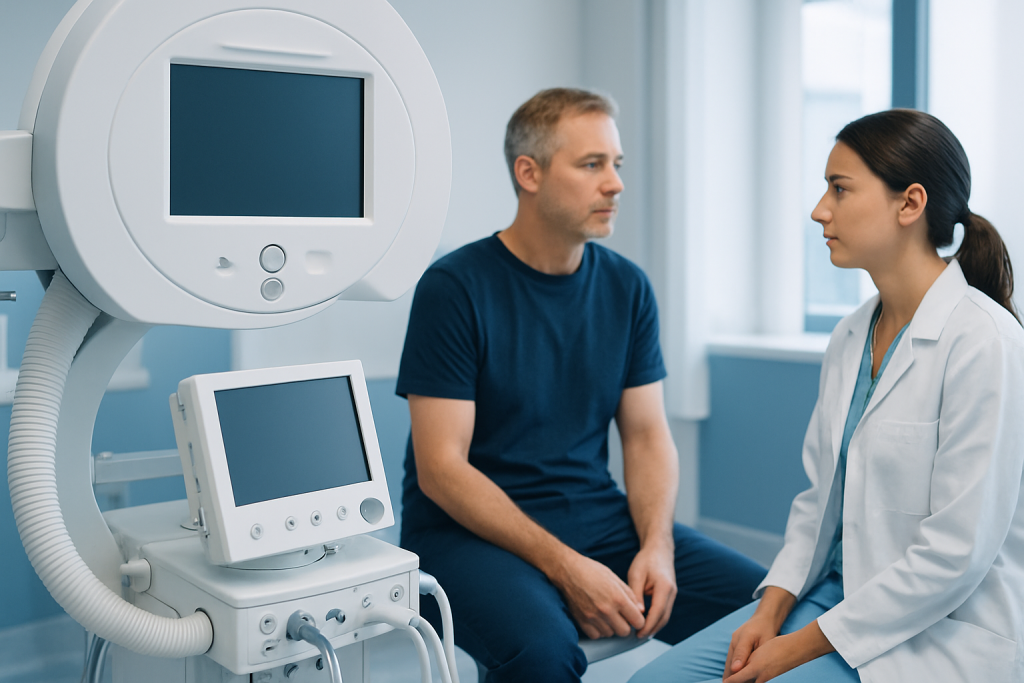
After amputation, nerves that once carried sensation from the limb no longer receive and transmit information in the usual way. The cut ends of peripheral nerves can become sensitive, and the spinal cord and brain may adapt to the loss of normal input. These changes can create sensations that are perceived as coming from the absent limb.
The brain also maintains a representation, sometimes called a body map, of different body areas. That representation does not immediately disappear after amputation. Activity in related brain pathways may therefore be experienced as itching, tingling, burning, cramping, movement, or pain in the missing limb.
Phantom sensations are not a sign that a person is “making them up.” Emotional strain, anxiety, fatigue, and poor sleep can make the nervous system more sensitive and may intensify symptoms, but they are not the sole cause. Phantom itch can also fluctuate without an obvious trigger.
How phantom itch may feel and what can trigger it
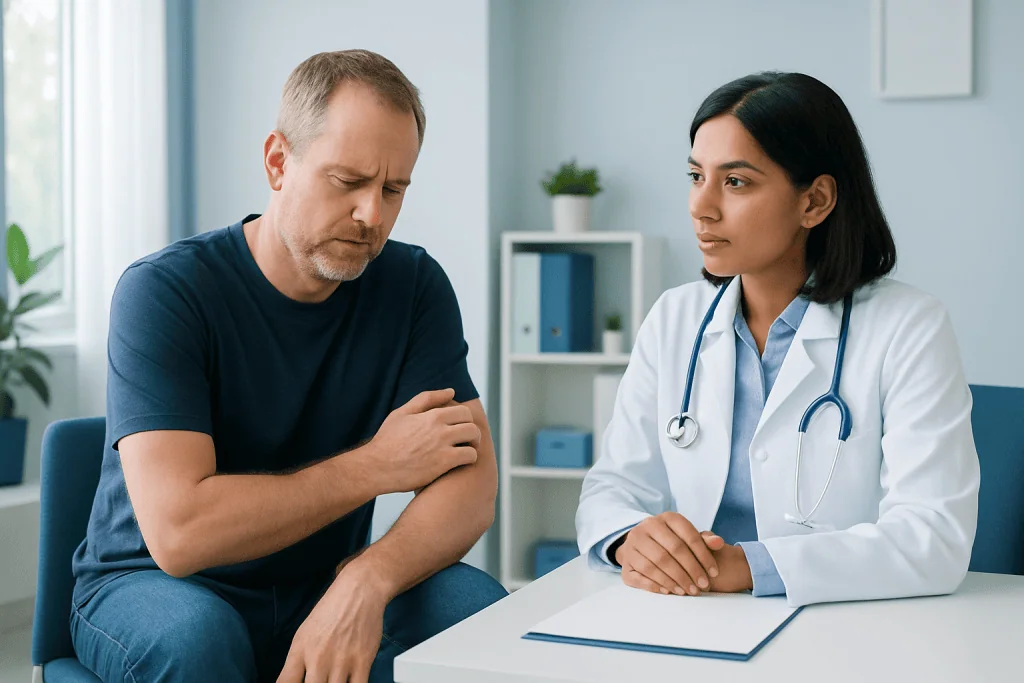
People describe phantom itch differently. It may feel like a brief tickle, crawling, prickling, deep itch, or an intense urge to scratch a very specific location. Some people can identify the exact area, such as the sole of a missing foot or between missing fingers. Because the sensation cannot be directly scratched, it can feel especially frustrating.
Episodes may last seconds, minutes, or longer and may occur daily, intermittently, or only in certain situations. Triggers vary. Some people notice symptoms during stress, cold weather, changes in position, fatigue, or after touching the residual limb. Others notice no clear pattern.
An itch that is located on the remaining limb or residual limb deserves particular attention. Dry skin, eczema, sweating, infection, friction, allergic contact dermatitis, scar sensitivity, or problems with prosthetic fit can all cause itch and may be treatable. These conditions can coexist with phantom sensations.
- Keep a simple record of timing, intensity, triggers, sleep, and activities.
- Note whether the feeling seems to arise from the absent limb, the scar, or the surrounding skin.
- Report redness, rash, warmth, swelling, drainage, or new pain to a clinician.
How clinicians assess phantom itch
Diagnosis is mainly based on a careful description of the symptom and a physical examination. A clinician will ask when the itch started, where it feels located, how often it occurs, whether it is associated with pain, and what makes it better or worse. They may also review the amputation, injury, surgery, medicines, prosthesis use, and medical history.
The residual limb is examined for skin irritation, pressure areas, wounds, infection, swelling, scar changes, and signs of a painful nerve growth called a neuroma. Depending on the symptoms, assessment may also include circulation, strength, sensation, and prosthetic fit. Tests are not always needed, but may be used if another condition is suspected.
It is important not to assume that every new itch is phantom itch. A clinician may consider other explanations, including allergic reactions, skin disease, medication effects, nerve compression, kidney or liver disease, or neurological conditions. Peripheral neuropathy can also cause nerve-related itch, tingling, and burning in areas that remain present.
Treatment options and practical relief strategies
There is no single treatment that works for everyone, so care is tailored to the person’s symptoms, health needs, and goals. If there is a skin condition, infection, scar problem, or poorly fitting prosthesis, treating that cause is an important first step. Regular residual-limb skin care and prosthetic review can reduce avoidable irritation.
For phantom itch itself, rehabilitation approaches may be helpful. These can include gentle massage or tapping of the residual limb, desensitization techniques, graded movement, and strategies that improve body awareness. Mirror therapy, which uses a mirror reflection of the intact limb to create the visual impression of two limbs, may help some people with phantom limb symptoms under guidance from a rehabilitation professional.
A doctor may recommend medicines used for nerve-related symptoms when itching is frequent, distressing, or associated with pain. The choice depends on medical history, other medicines, kidney and liver function, sleep concerns, and possible side effects. A clinician may also refer a person for physical therapy and rehabilitation or to a pain specialist when symptoms are persistent.
Relaxation methods, regular sleep routines, and psychological support can be useful additions to medical care. They do not imply that the symptom is psychological; rather, they can help reduce the effect of stress and sleep disruption on the nervous system. Scratching, cutting, or applying irritating products to the residual limb should be avoided, as these actions can damage the skin.
Living with phantom itch: self-care and prevention
Phantom itch cannot always be prevented, but a consistent routine may make episodes easier to manage. Keeping the residual limb clean and dry, moisturizing intact skin with an appropriate fragrance-free product if advised, and checking daily for pressure marks or skin changes can support skin health. People who use a prosthesis should follow the care plan provided by their prosthetist.
When an episode occurs, some people find it useful to change position, use a calming breathing exercise, gently touch or massage the residual limb if medically appropriate, or engage attention in another activity. A symptom diary can identify patterns and provide useful information at medical appointments.
Sleep, nutrition, physical activity within a person’s abilities, and emotional wellbeing are all part of recovery after amputation or major injury. Working with a rehabilitation team can address mobility, prosthetic use, skin care, and symptoms such as phantom itch or pain. This integrated approach is often more helpful than trying to manage the sensation alone.
When to seek medical care
Medical advice is recommended when phantom itch is new, becoming more frequent, interfering with sleep or rehabilitation, causing significant distress, or occurring with pain that is difficult to manage. A clinician can confirm whether it is likely nerve-related and look for problems that may need specific treatment.
Prompt assessment is especially important for redness, warmth, swelling, a rash, blisters, open skin, discharge, fever, a foul smell, sudden changes in residual-limb shape, or difficulty wearing a prosthesis. These symptoms may indicate skin irritation, infection, injury, or a prosthetic issue rather than phantom itch alone.
Acibadem International’s multidisciplinary specialists and JCI-accredited hospitals can assess nerve-related symptoms, residual-limb concerns, and rehabilitation needs for international patients. A qualified clinician can help create a plan that addresses both symptom relief and everyday function.
Frequently asked questions
Is phantom itch real?
Yes. Phantom itch is a real sensory symptom related to how nerves, the spinal cord, and the brain process signals after an amputation or major nerve change. It is not simply imagined, even though the itchy body part is absent.
Is phantom itch the same as phantom limb pain?
No. Phantom itch is an urge to scratch or an itching sensation perceived in an absent limb, while phantom limb pain may feel burning, stabbing, aching, cramping, or electric. Both can occur in the same person because they involve related nervous-system pathways.
Can phantom itch occur years after an amputation?
Yes. Phantom sensations can begin soon after amputation or appear, change, and recur later. New or changing symptoms should still be discussed with a clinician, particularly if there are skin changes, swelling, or problems with a prosthesis.
Why does scratching the residual limb sometimes help?
Touching, massaging, or applying another safe sensory input to the residual limb may temporarily alter nerve signals and reduce the sensation for some people. It does not work for everyone, and the skin should not be rubbed hard or damaged.
Are there medicines for phantom itch?
A doctor may consider medicines used for nerve-related symptoms when phantom itch is persistent or significantly affects quality of life. The most suitable option varies by individual, so medicines should be selected and monitored by a healthcare professional.
How can a person tell whether itch is phantom itch or a skin problem?
Phantom itch is usually felt in the absent part of the limb, whereas a skin problem causes itch on the remaining skin, scar, or area under a prosthesis. A visible rash, redness, warmth, sores, drainage, or worsening discomfort suggests that medical assessment is needed.
References
- National Institute of Neurological Disorders and Stroke
- American Academy of Physical Medicine and Rehabilitation
- International Association for the Study of Pain
- Mayo Clinic
This article is for general information only and is not a substitute for professional medical advice. Please consult a qualified doctor about your individual situation.
Joint and spine care in Turkey — expert assessment & treatment
JCI-accredited · board-certified surgeons · reply within 24h
Add us as a Preferred Source to see more of our trusted health content across Google Search, AI Overviews and Discover.

More from the Health Library



Related Specialists
Dr. Selim Çepel
Hand Surgery
Assoc. Prof. Dr. Mine Yavuz Taşlıpınar
Clinical Laboratory
Assoc. Prof. Dr. Hande Turan
Pediatric Endocrinology
Damla Tuncay
Physical Medicine & Rehabilitation