Phonophobia: An Evidence-Based Guide for Patients

Phonophobia means sound triggers fear, distress, or strong avoidance rather than simple dislike. It can be associated with migraine, anxiety disorders, trauma-related conditions, and sensory processing differences.
Key Takeaways
- Phonophobia means sound triggers fear, distress, or strong avoidance rather than simple dislike.
- It can be associated with migraine, anxiety disorders, trauma-related conditions, and sensory processing differences.
- Diagnosis focuses on symptoms, triggers, medical history, and ruling out hearing or neurologic problems.
- Treatment may include managing the underlying cause, gradual exposure-based therapy, counseling, and practical sound-management strategies.
- Sudden severe symptoms, hearing loss, head injury, or new neurologic symptoms need prompt medical assessment.
Phonophobia is an unusually strong fear of sound or distress triggered by everyday noises. It may happen on its own or alongside conditions such as migraine, anxiety disorders, or other forms of sound sensitivity, and effective evaluation and treatment are available.
What phonophobia is
Phonophobia is an intense fear of sound or a strong emotional reaction to noise that feels out of proportion to the situation. A person with phonophobia may become anxious, overwhelmed, or panicked by sounds that other people can tolerate, including traffic, household appliances, crowded spaces, alarms, or voices in a busy room.
Although the term is sometimes used broadly for sound sensitivity, phonophobia is not exactly the same as having sensitive hearing. In phonophobia, the response often includes fear, dread, avoidance, or distress. Some people develop it during migraine attacks, while others experience it with anxiety disorders, trauma-related conditions, or sensory processing differences.
Phonophobia can affect daily life in practical ways. It may make school, work, travel, shopping, sleep, or social events difficult. The good news is that it is a recognizable symptom pattern, and a careful medical evaluation can help identify whether it is part of migraine, a hearing-related issue, or another health condition that needs attention.
How phonophobia feels in daily life
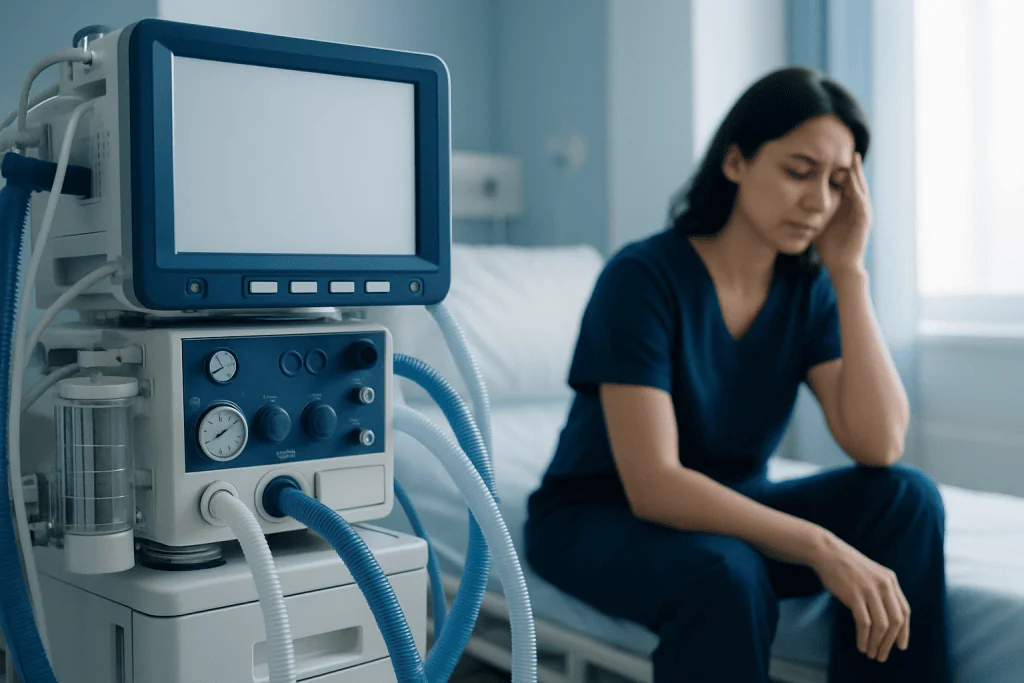
People describe phonophobia in different ways. Some feel immediate fear when they expect a sound to happen, such as a blender starting or a balloon popping. Others feel tense and alert in noisy environments because they worry certain sounds will appear. The reaction may begin before the sound itself, especially if previous experiences have made the person anticipate discomfort.
The experience can include emotional and physical symptoms. Common examples include a racing heart, sweating, muscle tension, irritability, the urge to cover the ears, trouble concentrating, and wanting to leave the environment quickly. In children, the signs may appear as crying, tantrums, clinging, avoidance of public places, or refusal to participate in routine activities involving noise.
Phonophobia may overlap with other sound-related problems, but there are differences. Hyperacusis usually refers to reduced tolerance for sound intensity, while misophonia involves strong negative reactions to specific trigger sounds such as chewing or tapping. Phonophobia centers more on fear and distress around sound exposure. Because these conditions can look similar, professional assessment is often helpful.
- Fear or dread when expecting certain sounds
- Strong distress during common daily noises
- Avoidance of crowded, noisy, or unpredictable places
- Difficulty working, studying, sleeping, or socializing because of sound
Possible causes and related conditions

Phonophobia is a symptom rather than a disease by itself in many cases. One of the most common medical links is migraine. During a migraine attack, ordinary sounds may feel unbearable, and many people want silence and darkness. When sound sensitivity appears with headache, nausea, light sensitivity, or visual symptoms, clinicians often consider migraine as part of the picture.
Anxiety disorders can also play a major role. Panic disorder, generalized anxiety disorder, specific phobias, and trauma-related conditions may all increase the body’s threat response to noise. A person who has had a frightening experience involving loud sounds may become highly alert to them afterward. In some people, this creates a cycle in which fear leads to avoidance, and avoidance makes the fear feel stronger over time.
Other possible contributors include concussion, ear disorders, autism spectrum-related sensory sensitivities, sleep deprivation, and prolonged stress. Rarely, a neurologic or hearing problem can be involved, especially if phonophobia starts suddenly or comes with dizziness, ringing in the ears, hearing loss, balance problems, or other new neurologic symptoms. This is why evaluation should look at the whole clinical picture rather than assuming one cause.
How doctors diagnose phonophobia
Diagnosis begins with a detailed history. A doctor will usually ask which sounds are difficult, when the symptoms started, whether the problem is constant or episodic, and what other symptoms happen at the same time. It is especially useful to mention headaches, light sensitivity, dizziness, ear pain, hearing changes, anxiety, sleep problems, trauma history, and any recent infections or head injuries.
A physical examination may include the ears and a basic neurologic assessment. Depending on the symptoms, hearing tests may be recommended to check for hearing loss, abnormal sound tolerance, or other ear-related conditions. In some patients, specialist evaluation by ENT, audiology, neurology, or mental health professionals helps clarify whether the main issue is migraine, sound intolerance, anxiety-related fear, or a combination of factors.
Tests are not needed for everyone. Imaging or further neurologic workup is usually guided by warning signs such as sudden onset, weakness, severe persistent headache, fainting, new balance problems, or symptoms after trauma. If migraine is suspected, doctors may also assess for related conditions and discuss options such as headache treatment when appropriate.
Treatment options and what may help
Treatment depends on the cause. If phonophobia is linked to migraine, treatment usually focuses on migraine management, trigger recognition, regular sleep, hydration, and medicines or other therapies recommended by a physician. When phonophobia occurs alongside anxiety or a specific phobia, structured psychological treatment can be very effective. Cognitive behavioral therapy and gradual exposure-based approaches are commonly used to reduce fear and avoidance.
If hearing-related sound intolerance or an ear condition is present, management may involve ENT or audiology care. This can include evaluating sound tolerance, treating underlying ear problems, and guiding safe sound exposure rather than complete silence. In selected cases, assessment through ENT evaluation and treatment may be part of a broader care plan.
Practical strategies can also help in everyday life. These may include planning quieter recovery periods, reducing unnecessary background noise, using ear protection only for truly loud settings, and practicing relaxation techniques before entering challenging environments. Constant use of earplugs in ordinary daily settings is usually discouraged unless advised by a clinician, because overprotection can sometimes increase sound sensitivity. If stress, panic, or mood symptoms are prominent, care through psychiatric assessment and treatment may be appropriate as part of comprehensive support.
For patients whose symptoms suggest a neurologic cause or recurring migraine, neurology evaluation and treatment may help guide diagnosis and long-term management. At the end of the process, the most effective treatment is often individualized, combining medical treatment for the underlying condition with behavioral tools that gradually restore confidence around sound.
Self-care, coping, and prevention
Self-care does not replace medical treatment, but it can reduce day-to-day burden. Keeping a symptom diary is often useful. This can help identify whether phonophobia is tied to migraine attacks, poor sleep, stress, crowded settings, specific sounds, or certain times of day. Noticing patterns can also make medical appointments more productive.
Healthy routines matter because the nervous system is more reactive when the body is under strain. Regular sleep, balanced meals, hydration, exercise suited to the person’s health, and stress management may reduce the frequency or intensity of episodes in some people. For children, predictable routines and gradual, calm exposure to tolerated sound levels can be helpful when guided by a clinician.
It is also important to avoid a cycle of complete sound avoidance when possible. Reasonable modifications, such as taking breaks from noisy environments, are sensible. But retreating from all normal sounds can reinforce fear and make everyday life harder over time. A clinician or therapist can help create a step-by-step plan that balances comfort with gradual adaptation.
When to seek medical care
Medical care is appropriate if phonophobia is frequent, worsening, or interfering with school, work, sleep, family life, or social activities. An evaluation is also a good idea if symptoms are accompanied by recurring headaches, nausea, visual changes, dizziness, ringing in the ears, hearing problems, panic attacks, or significant avoidance of normal daily situations.
Urgent medical attention is needed if sound sensitivity starts suddenly after a head injury, or if it appears with severe headache, weakness, confusion, fainting, fever, new hearing loss, or other neurologic symptoms. These features do not always mean a serious condition, but they should be assessed promptly.
For international patients who need multidisciplinary assessment, Acibadem International’s JCI-accredited hospitals provide evaluation and treatment through neurology, ENT, audiology, and mental health specialists. Seeking help early can improve comfort, function, and confidence in daily life.
Frequently asked questions
Is phonophobia the same as being annoyed by noise?
No. Many people dislike loud or chaotic environments, but phonophobia involves an unusually intense fear or distress response to sound. The reaction often leads to avoidance and can interfere with daily functioning.
Can phonophobia be a symptom of migraine?
Yes. Phonophobia commonly occurs during migraine attacks and may improve as the migraine is treated. If sound sensitivity comes with headache, nausea, light sensitivity, or aura symptoms, a doctor may look for migraine as an underlying cause.
What is the difference between phonophobia, hyperacusis, and misophonia?
These terms overlap but are not identical. Phonophobia focuses on fear and distress related to sound, hyperacusis usually means reduced tolerance to sound intensity, and misophonia involves strong emotional reactions to specific trigger sounds. Some people have features of more than one condition.
Can children have phonophobia?
Yes. Children may show phonophobia by crying, covering their ears, avoiding noisy places, or becoming very distressed during routine sounds. A pediatric, ENT, neurologic, or mental health assessment may help identify whether the issue is related to migraine, anxiety, sensory sensitivity, or another cause.
Will phonophobia go away on its own?
It can improve, especially if the trigger is temporary, such as a migraine episode or short-term stress. However, persistent or worsening symptoms deserve medical evaluation because treatment is often more effective when the underlying cause is identified.
Are earplugs the best long-term solution?
Not always. Ear protection is useful in truly loud environments, but using it constantly in normal daily settings may increase sound sensitivity for some people. A clinician can advise how to use sound protection safely without reinforcing avoidance.
This article is for general information only and is not a substitute for professional medical advice. Please consult a qualified doctor about your individual situation.
Explore treatments in Turkey — costs, top hospitals & a free quote
JCI-accredited · board-certified surgeons · reply within 24h
Add us as a Preferred Source to see more of our trusted health content across Google Search, AI Overviews and Discover.

More from the Health Library

Tonometry: What Patients Need to Know

Cervical tenderness during intercourse: Symptoms, Causes, and Treatment — Complete Patient Guide

Hug Hugging: A Complete Medical Overview
Seated Leg Curl Machine: What Patients Need to Know

Icu nurse: Symptoms, Causes, and Treatment — Complete Patient Guide