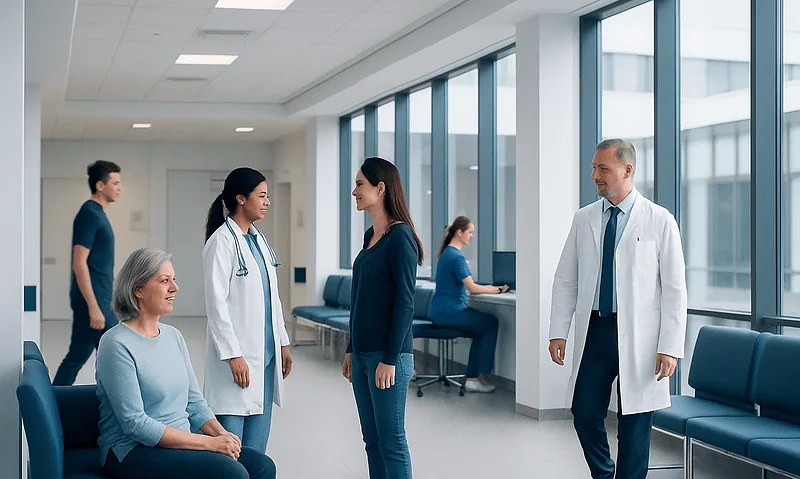
Phototherapy: An Evidence-Based Guide for Patients
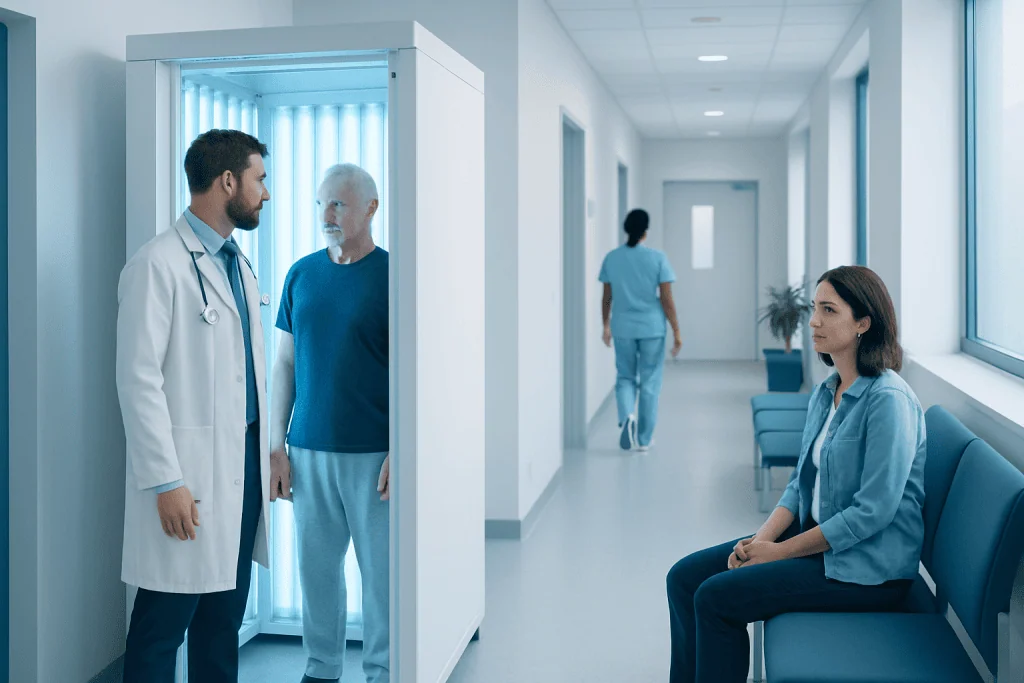
Phototherapy uses controlled ultraviolet or visible light for selected medical conditions. It is commonly used for psoriasis, eczema, vitiligo, and newborn jaundice.
Key Takeaways
- Phototherapy uses controlled ultraviolet or visible light for selected medical conditions.
- It is commonly used for psoriasis, eczema, vitiligo, and newborn jaundice.
- Treatment type, frequency, and duration depend on the diagnosis, skin type, age, and overall health.
- Possible side effects are usually mild and temporary, but monitoring is important.
- Phototherapy should be prescribed and supervised by qualified healthcare professionals.
Phototherapy is a medically supervised treatment that uses specific wavelengths of light to help manage certain skin conditions and newborn jaundice. It can be effective and safe when the type of light, treatment schedule, and follow-up are matched to the person’s condition.
Overview: what phototherapy is and who it helps
Phototherapy is a treatment that uses carefully measured light to change how the body responds in a specific area. In everyday conversation, people may hear it called “light therapy,” but in medicine the term usually refers to structured treatment delivered with special devices and protocols. Depending on the condition, the light may be ultraviolet or visible blue light.
Phototherapy is most often used in two settings. In dermatology, it can help treat inflammatory or pigment-related skin conditions such as psoriasis, eczema, and vitiligo. In newborn care, blue-light phototherapy helps lower high bilirubin levels in babies with jaundice.
This treatment is not a one-size-fits-all option. Doctors choose the wavelength, dose, and schedule according to the diagnosis, skin sensitivity, age, medicines being taken, and treatment goals. This individualized approach is one reason medically supervised phototherapy is different from home light devices marketed for general wellness.
For many patients, phototherapy can reduce symptoms, improve skin appearance, or help avoid more intensive treatment. It may be used alone or as part of a wider care plan that includes skin care routines, topical medicines, or other specialist treatment.
Types of phototherapy and how they work
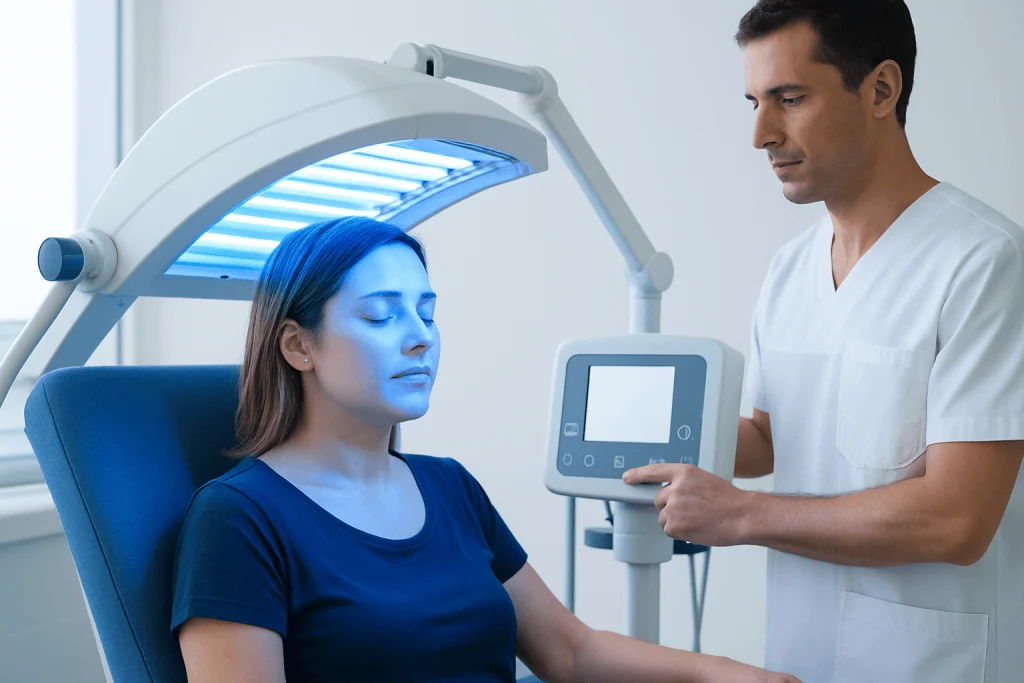
Different forms of phototherapy are used for different problems. In skin care, narrowband UVB is one of the most common options. It delivers a specific part of the ultraviolet B spectrum that can slow excessive skin cell growth and calm inflammation. This is often used for conditions such as psoriasis and some forms of eczema.
Another form is PUVA, which combines ultraviolet A light with a light-sensitizing medicine called psoralen. PUVA may be considered in selected cases, especially when other options are not suitable or have not worked well enough. Because it involves a medicine and has specific precautions, it needs careful supervision.
Targeted phototherapy focuses light only on affected areas rather than exposing larger areas of skin. This can be useful for localized disease, including patches of vitiligo. In newborn jaundice, phototherapy works differently: blue light helps transform bilirubin in the skin into forms that the baby’s body can remove more easily.
The light used in medical phototherapy is chosen for a biological effect, not simply brightness. That is why treatment involves calibrated equipment, eye protection when needed, and dose adjustments over time. If a person is considering broader dermatologic care, a specialist may also discuss options such as dermatology evaluation and treatment alongside phototherapy.
Conditions commonly treated with phototherapy
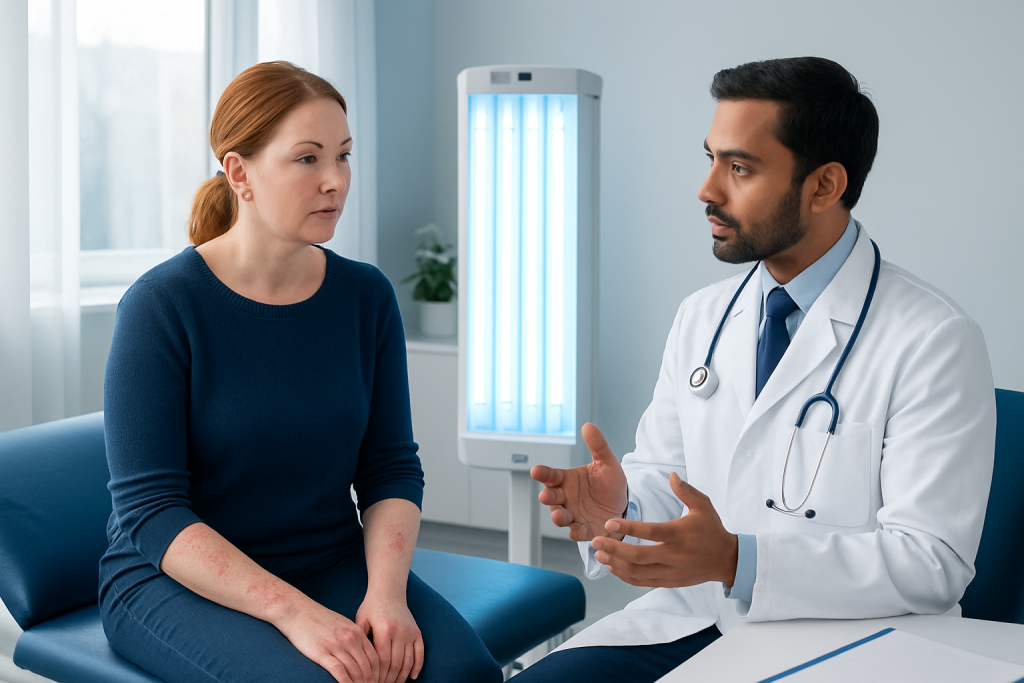
In adults and children, phototherapy is commonly used for chronic skin conditions that flare over time or do not fully respond to creams alone. Psoriasis is one of the best-known examples. Phototherapy can help reduce scaling, redness, and thickness of plaques, especially when larger body areas are involved.
Atopic dermatitis, often called eczema, may also improve with phototherapy when moisturizers and topical anti-inflammatory treatment are not enough. It can help decrease itching and calm inflamed skin. Certain forms of itch without a rash, as well as some less common inflammatory skin disorders, may also be considered for treatment in specialist centers.
Phototherapy can play a role in vitiligo by encouraging repigmentation in some patients, especially when started early and used consistently. Results vary depending on the location of the patches, the type of vitiligo, and how long it has been present. It is also sometimes used in selected cases of cutaneous T-cell lymphoma and other specific dermatologic conditions under expert care.
In newborns, phototherapy is a standard treatment for jaundice caused by elevated bilirubin. This is very different from skin phototherapy in both purpose and technique. Neonatal teams decide when to start treatment based on the baby’s age in hours, bilirubin level, gestational age, and overall clinical condition.
What to expect before, during, and after treatment
Before starting phototherapy, a doctor confirms the diagnosis and reviews the patient’s medical history. The visit may include questions about skin cancer history, autoimmune disease, eye conditions, medicines that increase light sensitivity, and previous response to treatment. For skin conditions, the clinician also assesses skin type and the extent of disease.
During treatment for skin disease, the patient usually stands in a light cabinet or receives targeted treatment to specific areas. Sessions are typically brief at first and may gradually increase as tolerated. Eye protection is usually required, and men may receive genital shielding depending on the technique used. The number of sessions each week and total duration vary by condition and response.
After each session, mild warmth, dryness, or redness can occur. Doctors may adjust the dose if the skin becomes too irritated. Improvement is often gradual rather than immediate, so regular attendance is important. Patients are usually advised to continue prescribed moisturizers or topical treatments unless their doctor recommends otherwise.
For newborn jaundice, babies receiving phototherapy are monitored closely in hospital or, in some cases, in another supervised setting. Staff check bilirubin levels, temperature, hydration, and feeding. Parents are usually reassured that the care team will pause treatment when needed for feeding, comfort, and essential bonding, according to the baby’s clinical needs.
Benefits, limitations, and possible side effects
A key benefit of phototherapy is that it can treat the affected area without exposing the whole body to medicines. For some patients, this means good control of symptoms with fewer systemic effects than oral treatments. It can also be combined with topical therapy and may help reduce the need for stronger medicines in selected cases.
However, phototherapy is not a permanent cure for many chronic conditions. Symptoms may improve and later return, making maintenance skin care and follow-up important. It also requires a time commitment, since effective treatment often depends on multiple sessions over several weeks or months.
Common side effects in skin phototherapy include temporary redness, dryness, itching, or a mild sunburn-like reaction. Some patients notice tanning or darkening of surrounding skin. PUVA may cause nausea from psoralen and carries additional precautions related to eye and skin protection. Long-term exposure to some forms of ultraviolet treatment may increase photoaging and, in some settings, may contribute to skin cancer risk, which is why dose tracking and specialist follow-up matter.
In newborn jaundice, side effects are usually mild and manageable, such as loose stools, temporary rash, or mild fluid loss if feeding is not optimized. Serious complications are uncommon when treatment is properly supervised. The balance of benefits and risks should always be discussed with a qualified clinician.
Safety, self-care, and how to prepare
Safe phototherapy begins with accurate diagnosis and proper supervision. Patients should tell their doctor about all medicines, herbal products, and supplements, because some can make the skin more sensitive to light. A history of lupus, certain eye diseases, previous skin cancers, or unusual reactions to sunlight may change whether phototherapy is appropriate.
Simple self-care can make treatment easier. Using fragrance-free moisturizers, following instructions about bathing and skin care, and avoiding unapproved tanning or extra sun exposure can help reduce irritation. If the doctor recommends sun protection after treatment, it is important to follow that advice carefully.
People should not try to replace medical phototherapy with unsupervised home lamps or tanning beds. These devices do not deliver the same controlled treatment and may increase the risk of burns or delayed diagnosis. If home phototherapy is being considered for a chronic condition, it should only be done under a doctor’s guidance with a prescribed device and follow-up plan.
When phototherapy is part of broader care, the doctor may discuss other supportive approaches or procedural options. In selected dermatologic cases, related specialist services such as skin care and dermatologic management or, less commonly, oncology care may be relevant depending on the diagnosis.
When to seek medical care
Medical advice should be sought if a skin rash is widespread, persistent, painful, rapidly worsening, or associated with fever, swelling, or signs of infection. Professional evaluation is also important if itching disrupts sleep, if over-the-counter care is not helping, or if new light sensitivity develops after starting a medicine.
Anyone receiving phototherapy should contact their care team if they develop severe redness, blistering, significant pain, eye symptoms, faintness, or any unexpected reaction after treatment. Follow-up is especially important for patients with a personal or family history of skin cancer or with changing skin lesions.
Parents should seek prompt medical assessment if a newborn appears very yellow, is difficult to wake, feeds poorly, has a high-pitched cry, or seems unusually floppy or irritable. Newborn jaundice can be common, but the need for phototherapy should be decided by a clinician using the baby’s age and bilirubin level.
For patients seeking coordinated care, Acibadem International’s multidisciplinary specialists and JCI-accredited hospitals diagnose and treat conditions in which phototherapy may be used, with care plans tailored to the individual patient.
Frequently asked questions
Is phototherapy the same as tanning or using a sunbed?
No. Medical phototherapy uses specific wavelengths of light, measured doses, and safety protocols designed for a diagnosed condition. Sunbeds and recreational tanning expose the skin differently and are not a safe substitute for prescribed treatment.
How long does phototherapy take to work?
Response time depends on the condition being treated, the type of phototherapy, and the individual patient. Some people notice improvement after a few weeks, while others need a longer course with regular sessions. A doctor will usually assess progress over time and adjust treatment if needed.
Does phototherapy cure psoriasis, eczema, or vitiligo?
Phototherapy can control symptoms and improve skin appearance, but it does not permanently cure many chronic skin conditions. Flares can still happen later. Ongoing skin care and follow-up remain important even when treatment works well.
Is phototherapy safe for children?
It can be safe for children when prescribed and supervised by experienced clinicians. The treatment plan is adjusted for the child’s age, diagnosis, and skin sensitivity. Parents should discuss benefits, alternatives, and monitoring with the child’s doctor.
Can phototherapy cause cancer?
The long-term risk depends on the type of phototherapy, the total amount of exposure over time, and the patient’s other risk factors. Some ultraviolet-based treatments may increase skin cancer risk with cumulative exposure, which is why specialists track doses and use the lowest effective regimen. The doctor will weigh this risk against the expected benefit.
What happens if a newborn needs phototherapy for jaundice?
The baby is placed under special blue lights or on a light-emitting blanket while the care team monitors bilirubin levels, feeding, temperature, and hydration. Eye protection may be used depending on the method. Treatment is stopped when bilirubin falls to a safe level and the baby is clinically well.
This article is for general information only and is not a substitute for professional medical advice. Please consult a qualified doctor about your individual situation.
Explore treatments in Turkey — costs, top hospitals & a free quote
JCI-accredited · board-certified surgeons · reply within 24h
Add us as a Preferred Source to see more of our trusted health content across Google Search, AI Overviews and Discover.

More from the Health Library

Safe Sex Using Condom: A Complete Medical Overview
Rectal Bleaching: A Complete Medical Overview

Cipd Medical Condition: What Patients Need to Know
Arachnophobia: What Patients Need to Know
Congestion — Explained by Medical Evidence, Not Myths