Physical Exam: A Complete Medical Overview

A physical exam checks general health, vital signs, and body systems. The exact parts of a physical exam depend on age, symptoms, and medical history.
Key Takeaways
- A physical exam checks general health, vital signs, and body systems.
- The exact parts of a physical exam depend on age, symptoms, and medical history.
- Physical exams help detect health issues early and guide further testing when needed.
- Most routine physical exams are quick, noninvasive, and do not require special preparation.
- New, severe, or persistent symptoms should be evaluated by a qualified doctor.
A physical exam is a medical evaluation that helps a doctor understand a person’s overall health, review symptoms, and look for signs of illness. It can be part of preventive care, a follow-up visit, or an assessment for a new health concern.
Overview: What a Physical Exam Is
A physical exam is a hands-on medical assessment used to evaluate a person’s current health. In most cases, it includes a review of symptoms, medical history, vital signs, and an examination of major body systems. Doctors use it to look for signs of disease, monitor ongoing conditions, and decide whether further tests or treatment are needed.
A physical exam may take place during an annual wellness visit, before surgery, for school or work requirements, or when someone has a new symptom. The exact exam is not the same for every person. It is usually tailored to age, sex, medical history, family history, current medications, and the reason for the visit.
Although many people think of a physical exam as a routine checkup, it is also an important diagnostic tool. A normal exam can be reassuring, while an abnormal finding may help identify issues such as high blood pressure, breathing problems, skin changes, swelling, or signs of infection. In some cases, a physical exam leads to additional evaluation such as blood tests, imaging, or referral to a specialist.
What Happens During a Physical Exam

A physical exam usually begins with questions about general health. The doctor may ask about symptoms, past illnesses, surgeries, medications, allergies, sleep, diet, exercise, smoking, alcohol use, and family history. This conversation helps guide the rest of the visit and makes the examination more focused and useful.
Vital signs are often checked early in the appointment. These commonly include blood pressure, heart rate, temperature, respiratory rate, height, weight, and sometimes oxygen saturation. Together, these measurements can offer important clues about circulation, infection, lung function, and overall health status.
The doctor then examines the body using observation, touch, and simple tools such as a stethoscope, light, or reflex hammer. A routine physical exam may include listening to the heart and lungs, checking the ears, nose, throat, abdomen, skin, lymph nodes, and joints, and assessing strength or reflexes when needed. Depending on the reason for the visit, the exam may also include targeted evaluation of a specific area, such as the chest, back, or abdomen.
- Inspection: looking for visible changes such as rashes, swelling, or posture problems
- Palpation: gently feeling areas of the body for tenderness, masses, or enlarged organs
- Auscultation: listening to the heart, lungs, or abdomen with a stethoscope
- Percussion: tapping certain body areas to help assess underlying structures
Why Physical Exams Are Important
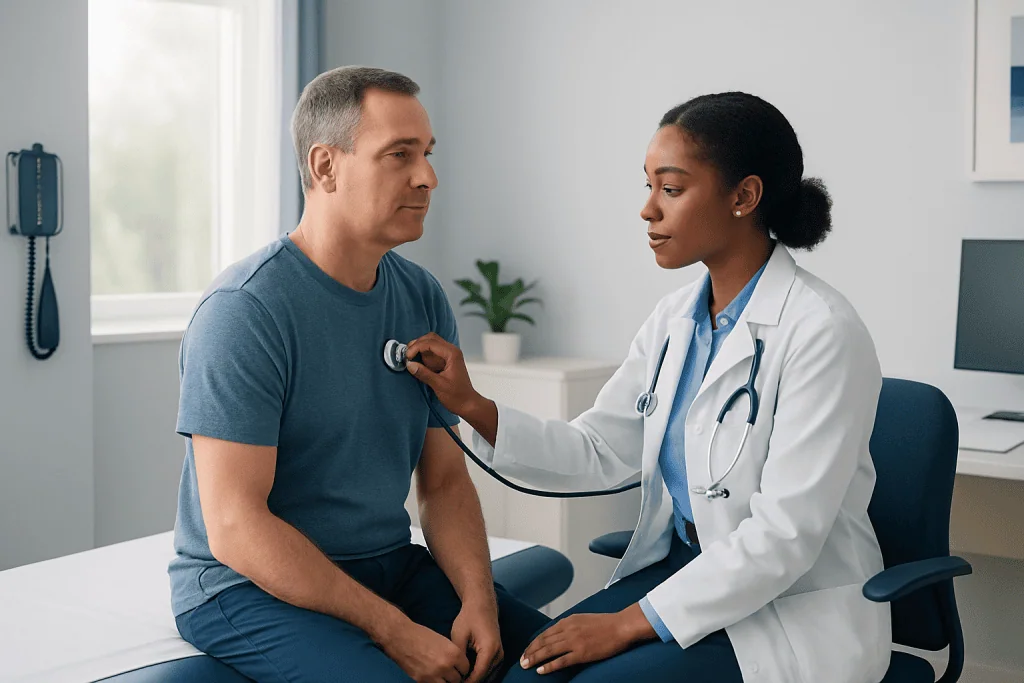
Physical exams support both prevention and diagnosis. Even when a person feels well, an exam may reveal early signs of conditions that do not always cause symptoms at first, such as high blood pressure, abnormal heart rhythms, thyroid enlargement, or skin changes. Finding these issues early can make management easier and help reduce the risk of complications.
For people with known medical conditions, physical exams help track changes over time. A doctor may compare findings from one visit to the next to see whether a condition is stable, improving, or worsening. This can be especially useful in common chronic conditions such as high blood pressure or diabetes, where regular monitoring is an important part of care.
A physical exam also helps determine whether symptoms need urgent attention or additional testing. For example, chest discomfort, shortness of breath, abdominal pain, or unexplained weight loss may lead to a more focused exam and further work-up. In this way, the physical exam often acts as the starting point for a safe and efficient care plan.
What Doctors Look For
During a physical exam, doctors are not only looking for obvious signs of illness. They also pay attention to patterns. The combination of medical history, vital signs, and exam findings can point toward certain conditions and make others less likely. For example, swollen ankles, shortness of breath, and abnormal heart sounds may suggest a heart-related issue, while wheezing and low oxygen levels may indicate a lung problem.
The examination usually follows a head-to-toe or system-based approach. This may include checking the eyes for jaundice or anemia-related pallor, the neck for lymph node swelling or thyroid enlargement, the chest for breathing sounds, the abdomen for tenderness or enlargement, and the skin for moles, rashes, bruising, or signs of dehydration. Neurological checks may be added if someone has headaches, weakness, balance problems, or numbness.
In some visits, the doctor may recommend additional evaluation based on what is found. This does not always mean a serious condition is present. It may simply mean that a symptom or sign needs clarification through laboratory tests, imaging, or a specialist assessment. For example, a suspicious breast finding may lead to mammography, while persistent abdominal symptoms may need colonoscopy or other digestive evaluation.
How to Prepare for a Physical Exam
Most physical exams require little preparation, but a few simple steps can make the visit more productive. It helps to bring a list of current medications, supplements, allergies, past surgeries, and any major illnesses. If possible, patients should also note their symptoms, when they started, what makes them better or worse, and any questions they want to ask.
Comfortable clothing can make the examination easier. Depending on the type of visit, a person may be asked to change into a gown for part of the exam. It can also be useful to bring recent test results, vaccination records, or blood pressure or blood sugar logs if these are relevant to ongoing care.
Sometimes a doctor may request fasting blood tests or ask the patient to avoid certain foods, drinks, or medications before a planned checkup. If imaging or procedure-based follow-up is expected, instructions may be more specific. When there is concern about heart-related symptoms, for example, the doctor may recommend a cardiology check-up after the initial exam to investigate further.
Limits of a Physical Exam and When More Tests Are Needed
A physical exam is valuable, but it does have limits. Some health conditions cause few or no visible or detectable changes in the early stages. Others can only be confirmed with laboratory testing, imaging, or specialized procedures. For that reason, a normal exam does not always rule out disease, especially if symptoms persist.
Doctors often combine the physical exam with screening recommendations based on age and risk factors. Depending on the individual situation, this may include blood tests, urine tests, cancer screening, heart testing, or imaging studies. The goal is not to order tests routinely without reason, but to choose the right next steps based on the person’s history and findings.
Further evaluation may be recommended if the exam suggests a problem or if symptoms are concerning despite a mostly normal exam. Examples include persistent cough, unexplained fatigue, sudden weight change, a new lump, ongoing abdominal pain, fainting, or changes in bowel habits. In these situations, follow-up is an important part of safe care.
When to Seek Medical Care
A routine physical exam is a good way to maintain preventive health, but some symptoms should be assessed promptly rather than waiting for a scheduled checkup. Medical care is especially important if a person develops chest pain, trouble breathing, fainting, severe abdominal pain, sudden weakness, confusion, or signs of stroke. These symptoms may require urgent evaluation.
It is also sensible to arrange a medical visit for symptoms that are new, persistent, or getting worse. These include fever that does not improve, unexplained weight loss, a lasting cough, blood in stool or urine, unusual bleeding, a new skin lesion, swelling, or ongoing fatigue. Early assessment can help identify the cause and guide treatment before problems progress.
For international patients who need coordinated evaluation, Acibadem International’s multidisciplinary specialists and JCI-accredited hospitals diagnose and treat a wide range of conditions. If a physical exam raises concern about brain or spine symptoms, a doctor may suggest advanced assessment such as a neurological check-up alongside other tests as appropriate.
Frequently asked questions
What is included in a physical exam?
A physical exam usually includes a medical history review, vital signs, and an examination of major body systems. The doctor may listen to the heart and lungs, check the abdomen, skin, throat, lymph nodes, and joints, and focus on specific symptoms if needed.
How long does a physical exam take?
Many routine physical exams take about 20 to 45 minutes, although timing varies. A visit may take longer if there are multiple symptoms, chronic conditions, or preventive screenings to discuss.
Do people need a physical exam every year?
Not everyone needs the same schedule, and the timing depends on age, health status, and risk factors. Many people benefit from regular checkups, especially if they have chronic conditions, take long-term medications, or need preventive screening.
Should someone fast before a physical exam?
Fasting is not always necessary for the exam itself. However, if blood tests are planned, the doctor may ask the person not to eat or drink anything except water for a certain period beforehand.
Can a physical exam detect serious illness?
A physical exam can identify signs that suggest a serious condition, but it does not diagnose every illness on its own. Some diseases require blood tests, scans, or procedures to confirm the cause.
What should a patient bring to a physical exam?
It helps to bring a list of medications, supplements, allergies, past medical problems, and surgeries. Notes about symptoms, family history, and recent test results can also make the visit more useful.
This article is for general information only and is not a substitute for professional medical advice. Please consult a qualified doctor about your individual situation.
Explore treatments in Turkey — costs, top hospitals & a free quote
JCI-accredited · board-certified surgeons · reply within 24h
Add us as a Preferred Source to see more of our trusted health content across Google Search, AI Overviews and Discover.
Check your numbers in seconds
BMI, calories, due date, blood pressure and 30+ more clinical calculators — free, instant, doctor-reviewed ranges.

More from the Health Library
Arfid: What Patients Need to Know
Finasteride 5mg — Explained by Medical Evidence, Not Myths

Doctor Illness: A Complete Medical Overview

Cructures: An Evidence-Based Guide for Patients

Ileus: A Complete Medical Overview