Physical Therapy Exercises for Planters Fasciitis: How It Works, Results and What to Expect
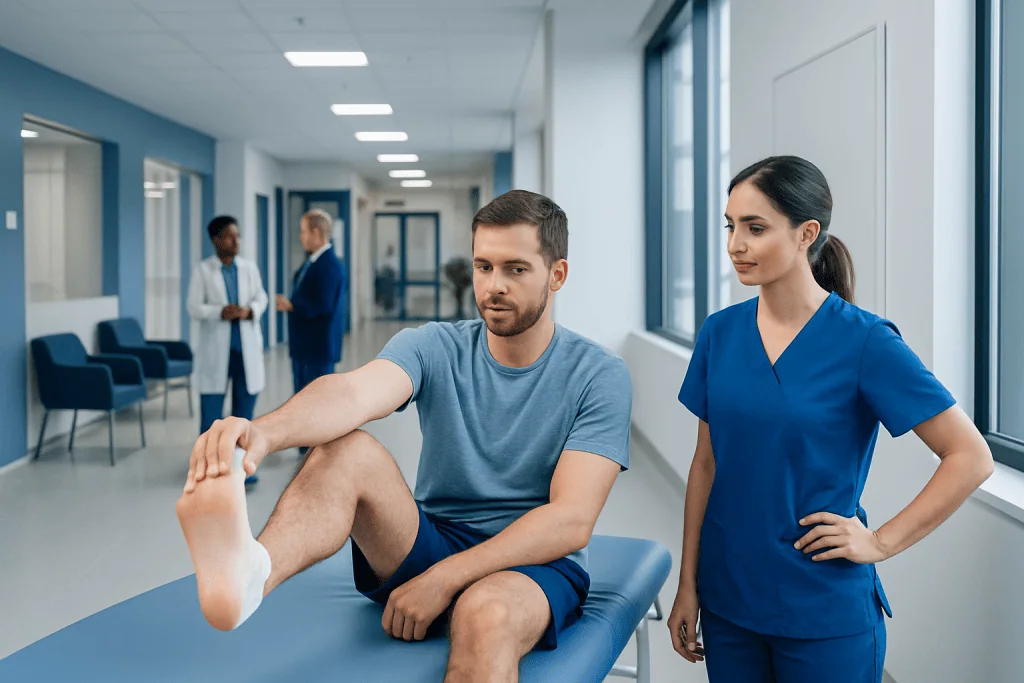
Plantar fasciitis is commonly linked to repeated stress on the plantar fascia, the thick tissue band supporting the arch of the foot. Physical therapy usually combines stretching, strengthening, manual techniques, footwear advice and a gradual return to activity.
Key Takeaways
- Plantar fasciitis is commonly linked to repeated stress on the plantar fascia, the thick tissue band supporting the arch of the foot.
- Physical therapy usually combines stretching, strengthening, manual techniques, footwear advice and a gradual return to activity.
- Improvement often develops over weeks rather than days, and symptoms may fluctuate as the tissue adapts to loading.
- Exercises should cause no more than mild, short-lived discomfort; sharp or worsening pain should be assessed by a clinician.
- Persistent heel pain may need medical evaluation to confirm the diagnosis and rule out other causes.
Physical therapy exercises for planters fasciitis can help reduce heel pain and restore comfortable walking by gradually improving flexibility, foot and calf strength, and load tolerance. A personalized program is usually most effective when it is performed consistently and paired with supportive footwear and appropriate activity adjustments.
How Physical Therapy Exercises for Planters Fasciitis Work
Physical therapy exercises for planters fasciitis are designed to reduce strain on the plantar fascia while helping the foot gradually tolerate everyday activities again. Plantar fasciitis, more accurately called plantar fasciopathy in many clinical settings, causes pain where this strong band of tissue attaches near the heel. It is often most noticeable with the first steps after rest or in the morning.
A physical therapist assesses factors that may be contributing to repeated stress, including calf tightness, limited ankle movement, foot strength, walking or running technique, footwear, recent changes in activity and time spent standing. Treatment then focuses on improving how the foot, ankle and lower leg share load during movement rather than simply resting the painful area.
Typical rehabilitation includes plantar fascia-specific stretching, calf stretching, progressive foot and calf strengthening, balance work and guidance about activity modification. The aim is not to force through pain, but to use manageable movement and gradually increased loading to support recovery.
Who May Benefit and What an Assessment Involves
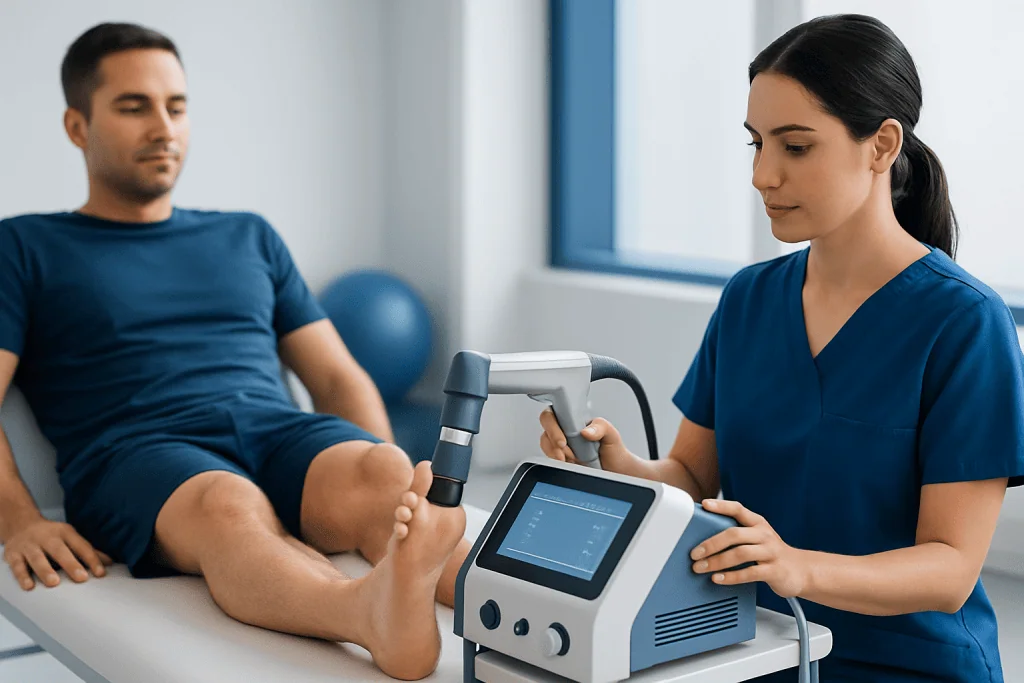
Physical therapy may be appropriate for adults with heel pain consistent with plantar fasciitis, especially when symptoms interfere with walking, work, exercise or sleep. It can be useful early in the condition and for longer-lasting symptoms that have not improved with basic self-care. People who run, walk long distances, stand for work, have recently increased activity or have reduced ankle flexibility may particularly benefit from an individualized plan.
At the first appointment, the clinician usually asks about the location and pattern of pain, previous injuries, health conditions, occupation, activity levels and shoes. They examine the foot and ankle, including tenderness around the heel, calf flexibility, joint movement, strength, balance and gait. Imaging is not always necessary, but may be considered if the diagnosis is uncertain or another problem is suspected.
Heel pain can have causes other than plantar fasciitis, such as a stress injury, nerve irritation, inflammatory arthritis or pain from the Achilles tendon. A careful assessment helps make sure treatment is matched to the underlying problem. Patients may also find it helpful to learn about plantar fasciitis and its common features.
What Happens During a Physical Therapy Program
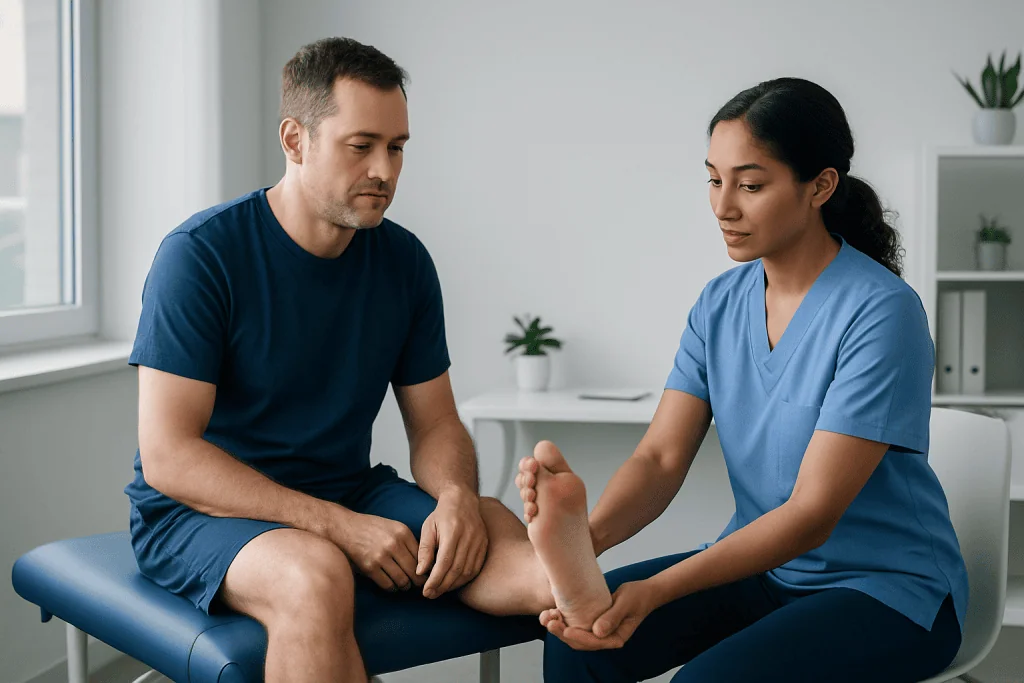
A rehabilitation program is adjusted to the person’s symptoms and goals. In the early phase, the therapist may recommend temporarily reducing activities that clearly aggravate pain, such as prolonged walking on hard surfaces, hill running or high-impact exercise. Complete inactivity is rarely necessary; low-impact alternatives may allow fitness to be maintained while the heel settles.
Common exercises include a gentle plantar fascia stretch before taking the first steps of the day, calf stretches with the knee straight and bent, and controlled heel raises. Strengthening may progress to exercises for the small muscles within the foot, the calf, hips and trunk, because these areas contribute to leg alignment and force control during walking and running.
Therapists may use hands-on techniques to improve mobility or ease surrounding muscle tension. They can also advise on taping, shoe selection, temporary heel cushioning or orthotic devices when appropriate. physical therapy and rehabilitation provides structured support for exercise progression, functional recovery and return to activity.
A home program is central to treatment. The therapist explains which movements to do, how often to do them and how to judge an acceptable response. Exercises should generally feel controlled and tolerable; pain that is sharp, severe, causes limping or remains substantially worse the next day should be discussed with the treating clinician.
How Long Does It Take for Plantar Fasciitis Exercises to Work?
Many people notice some improvement within several weeks of consistent exercise and activity adjustment, but full recovery commonly takes longer. The timing depends on how long symptoms have been present, the amount of daily standing or sport-related loading, body mechanics, footwear, general health and adherence to the program.
Progress is rarely perfectly linear. Morning pain may ease first, while longer walks or exercise may continue to trigger symptoms for a period. A therapist may change the exercise level based on pain during activity and the response over the following 24 hours, helping the tissue adapt without repeated overload.
For ongoing or recurrent symptoms, the plan may need to address contributing factors beyond the painful heel itself, such as limited ankle mobility, a rapid rise in training volume or insufficient recovery time. Continuing appropriate strength and mobility work after pain improves can help support a return to usual activity.
How Successful Is PT for Plantar Fasciitis?
Physical therapy is a well-established conservative option for plantar fasciitis and can be effective for many people, particularly when the program is individualized and carried out consistently. It addresses both symptoms and the movement-related factors that can keep the plantar fascia irritated. Treatment is usually combined with practical measures such as pacing activity and wearing supportive, comfortable shoes.
Success should be measured by more than pain on a single day. Useful signs of progress include less pain with first steps, improved walking tolerance, reduced need to avoid daily activities and a gradual return to preferred exercise. Some people require additional measures, such as short-term taping, orthoses or other clinician-directed treatments, if symptoms remain limiting.
No treatment can promise a specific outcome or recovery date. However, a clinician can review the diagnosis and treatment approach if improvement stalls, symptoms recur frequently or pain is affecting normal function.
What Finally Cured My Plantar Fasciitis?
There is no single treatment that cures plantar fasciitis for everyone. For many people, the most durable improvement comes from a combination of gradual loading exercises, calf and plantar fascia mobility work, supportive footwear, sensible pacing of standing or sport, and enough time for symptoms to settle.
It is understandable to look for a quick fix when heel pain is frustrating. Yet abruptly stopping all movement, frequently changing treatments or returning too quickly to high-impact activity can make it difficult to identify what is helping. A consistent plan, reviewed when needed by a healthcare professional, is often more useful than chasing a single product or procedure.
If conservative care has not helped, an orthopedic or rehabilitation specialist can reassess the diagnosis and discuss further options. Acibadem International’s multidisciplinary specialists and JCI-accredited hospitals diagnose and treat foot and ankle conditions for international patients.
What's the Worst Thing You Can Do for Plantar Fasciitis?
One of the most unhelpful approaches is repeatedly pushing through significant heel pain, particularly by continuing high-impact exercise or long periods of standing without modifying load. This can keep the plantar fascia irritated and delay recovery. At the same time, prolonged complete rest may reduce strength and make a return to activity more difficult.
Other common problems include suddenly increasing running distance or intensity, wearing unsupportive or worn-out shoes, walking barefoot on hard surfaces when this provokes symptoms, and attempting aggressive stretching that creates sharp pain. The goal is gradual, tolerable loading rather than either overdoing activity or avoiding all movement.
Self-treatment should also not replace assessment when the pain pattern is unusual. Persistent swelling, numbness, bruising, pain at rest or an inability to bear weight may indicate a problem other than uncomplicated plantar fasciitis.
When to Seek Medical Care
Medical assessment is advisable when heel pain is severe, lasts more than a few weeks despite sensible self-care, repeatedly returns or limits normal walking and work. A clinician should assess pain that began after a significant injury, is associated with marked swelling or bruising, or makes it difficult to put weight through the foot.
Prompt evaluation is also important for numbness, tingling, weakness, redness, warmth, fever, an open wound or pain that occurs at rest or wakes a person at night. People with diabetes, reduced sensation in the feet, circulation problems or inflammatory joint disease should seek individualized advice for new foot pain.
A healthcare professional can determine whether plantar fasciitis is the likely cause and recommend an appropriate care pathway. Early guidance can help patients return to activity safely while avoiding unnecessary aggravation.
Frequently asked questions
Which exercises are commonly used for plantar fasciitis?
Common exercises include plantar fascia stretches, calf stretches, controlled heel raises, foot intrinsic muscle strengthening and balance exercises. The right combination depends on symptoms, mobility, strength and the person’s usual activities. A physical therapist can adapt exercises so that they are safe and appropriately challenging.
Should plantar fasciitis exercises hurt?
Mild discomfort during rehabilitation can occur, especially when a painful tissue is gradually being loaded. Sharp pain, worsening limping or a major increase in symptoms that lasts into the next day usually means the exercise or activity level may need adjustment. Patients should discuss this response with their therapist or doctor.
Can walking make plantar fasciitis worse?
Walking is not automatically harmful, but a sudden increase in walking distance, speed or time on hard surfaces can aggravate symptoms. Temporarily reducing the amount of walking that causes a clear pain flare may help. A gradual return plan can build tolerance while preserving everyday mobility.
Do I need imaging for plantar fasciitis?
Imaging is not routinely required when symptoms and examination findings are typical of plantar fasciitis. A doctor may recommend an X-ray, ultrasound or other imaging if symptoms are unusual, severe, persistent or suggest another cause of heel pain. Imaging decisions are individualized.
Are orthotics necessary for plantar fasciitis?
Orthotics or heel cushions may help some people by improving comfort and reducing strain during walking. They are usually considered an addition to, rather than a replacement for, exercise, appropriate footwear and activity modification. A clinician can advise whether an over-the-counter or custom option is suitable.
Can plantar fasciitis come back after it improves?
Yes, symptoms can recur, particularly after a rapid increase in standing, walking, running or other impact activities. Maintaining calf flexibility, foot and calf strength, supportive footwear and sensible training progression may reduce the chance of recurrence. Recurrent pain should be reviewed if it does not settle with early activity adjustment.
References
- American Academy of Orthopaedic Surgeons
- American Physical Therapy Association
- National Institute for Health and Care Excellence
- Mayo Clinic
- American College of Foot and Ankle Surgeons
This article is for general information only and is not a substitute for professional medical advice. Please consult a qualified doctor about your individual situation.
Explore treatments in Turkey — costs, top hospitals & a free quote
JCI-accredited · board-certified surgeons · reply within 24h
Add us as a Preferred Source to see more of our trusted health content across Google Search, AI Overviews and Discover.