Pimple Popping: A Complete Medical Overview
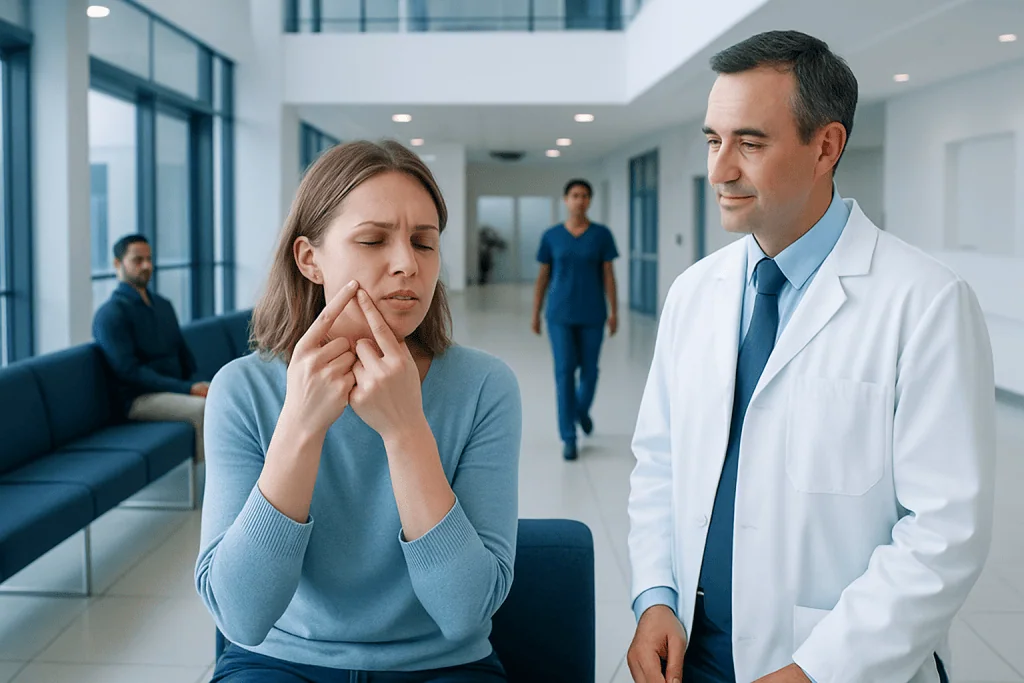
Pimple popping can push inflammation deeper into the skin and delay healing. Squeezing pimples raises the risk of scarring, dark marks, and infection.
Key Takeaways
- Pimple popping can push inflammation deeper into the skin and delay healing.
- Squeezing pimples raises the risk of scarring, dark marks, and infection.
- Hands, nails, and non-sterile tools can introduce more bacteria to the area.
- Not every bump is a simple pimple; some need medical assessment and treatment.
- Persistent, painful, or scarring acne should be evaluated by a dermatologist.
Pimple popping may feel satisfying, but it often makes blemishes last longer and increases the risk of infection, discoloration, and scarring. In most cases, gentler acne care and professional treatment are safer and more effective than squeezing the skin at home.
What pimple popping does to the skin
Pimple popping is usually not recommended because it can make acne worse rather than better. When a person squeezes a pimple, pressure can rupture the wall of the clogged pore and force oil, bacteria, and inflammatory material deeper into surrounding skin. This often leads to more redness, swelling, tenderness, and a longer healing time.
Many people pop pimples to get quick relief before work, school, or a social event. However, the visible result is often a broken surface, crusting, or a larger inflamed mark that is harder to conceal. Even when the bump seems to empty, the skin still needs time to repair itself.
Pimple popping also increases the chance of post-inflammatory hyperpigmentation, which means lingering dark or red marks after the lesion heals. In some people, especially those with deeper inflammation or a tendency to scar, picking and squeezing can leave permanent textural changes in the skin.
Why people pop pimples and why it can backfire

Pimples form when pores become blocked with oil, dead skin cells, and sometimes bacteria. The body responds with inflammation, which creates whiteheads, blackheads, papules, pustules, or deeper nodules and cysts. Because many of these lesions sit beneath the skin surface, squeezing does not remove the real cause of the blockage.
Whiteheads and pustules may look as though they are ready to be drained, but appearance can be misleading. What seems like a simple blemish may still be attached to inflamed tissue below the surface. Pressing on it can tear nearby skin and spread irritation over a wider area.
Another reason pimple popping backfires is contamination. Fingertips, nails, tissues, and home extraction tools are rarely fully sterile. Introducing more bacteria or causing tiny cuts can increase the risk of a localized skin infection. In some cases, a repeatedly picked spot can become an open wound instead of a healing acne lesion.
If breakouts are frequent, it may help to understand the broader skin condition rather than focusing on individual blemishes. Ongoing pimples, blackheads, and inflamed bumps can be part of acne that responds better to a structured treatment plan than repeated squeezing.
Common risks of popping pimples
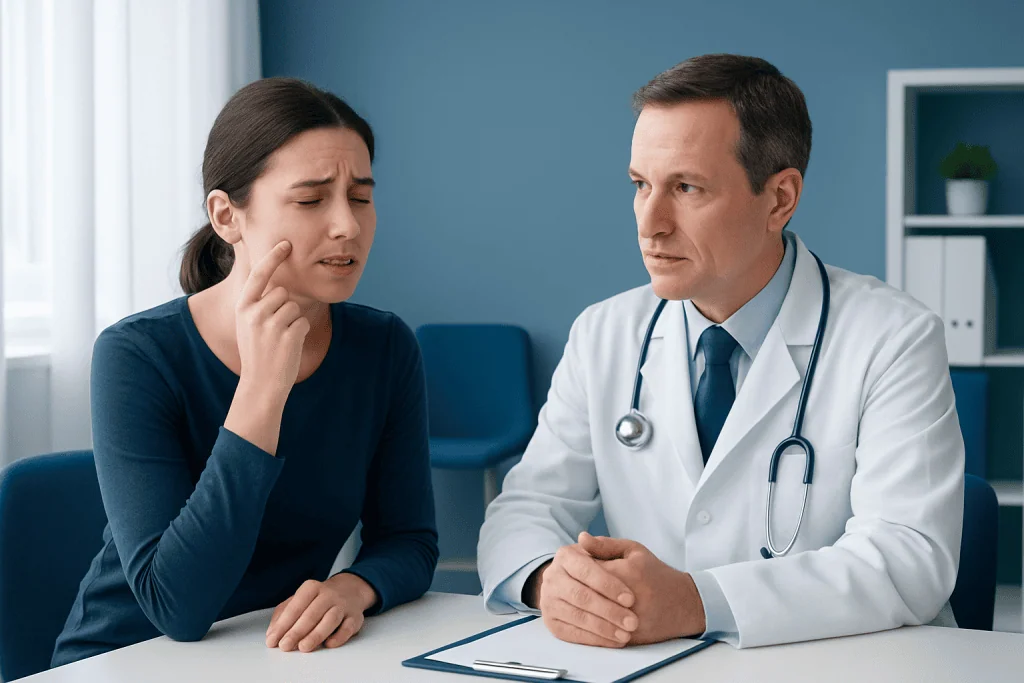
The main risks of pimple popping are inflammation, infection, and scarring. These risks are higher with deeper or more painful lesions, such as nodules and cysts, because they sit farther beneath the skin and are not meant to be manually expressed at home. Repeatedly picking the same area further damages the skin barrier.
Possible complications include:
- More redness and swelling
- Bleeding and surface injury
- Crusting or delayed healing
- Dark spots or red marks after healing
- Permanent depressed or raised scars
- Secondary bacterial infection
Some facial areas deserve extra caution. The skin around the nose, lips, and central face is sensitive and richly supplied with blood vessels. While serious complications are uncommon, aggressive squeezing in this area can lead to painful swelling and infection that needs medical care.
People with eczema, sensitive skin, diabetes, or conditions that affect healing may be more likely to develop problems after picking at the skin. For them, even small lesions can become persistently irritated or infected.
What to do instead of pimple popping
A safer approach is to reduce inflammation, protect the skin barrier, and let the blemish heal. Washing the face gently twice a day with a mild cleanser, avoiding harsh scrubs, and using non-comedogenic skincare products can help. Spot treatments that commonly contain ingredients such as benzoyl peroxide, salicylic acid, or adapalene may be useful, depending on skin type and the kind of acne present.
A warm compress may help some superficial pustules drain naturally without force, while an ice pack wrapped in a clean cloth can reduce swelling in a tender inflamed spot. Hydrocolloid pimple patches are another option; they can cover the lesion, discourage picking, and absorb surface fluid from some pimples.
If breakouts are frequent or severe, professional care is often the most effective path. A dermatologist may recommend prescription creams, oral medicines, or in-office procedures depending on the pattern of acne and the risk of scarring. In selected cases, people may benefit from acne treatment tailored to their skin and medical history.
For marks or texture changes left behind, treatment may focus on the after-effects rather than active pimples alone. Some individuals later need evaluation for acne scar treatment if scars or persistent discoloration remain after acne has improved.
When a bump may not be a simple pimple
Not every facial or body bump is acne. Ingrown hairs, folliculitis, cysts, boils, cold sores, allergic reactions, and certain rashes can resemble pimples. Attempting to pop these lesions may worsen pain, spread infection, or delay proper diagnosis.
Clues that a bump may be something else include rapid enlargement, significant warmth, marked pain, repeated recurrence in the same spot, or drainage of thick material with a strong odor. A lesion that does not improve over several weeks or one that keeps returning may need medical assessment.
Deep lumps under the skin can sometimes be epidermoid cysts or other benign growths rather than acne lesions. In those situations, squeezing at home usually does not solve the problem and can inflame the tissue further. A clinician can determine whether the lesion needs observation, medication, or a procedure.
If there is uncertainty about the diagnosis, a skin specialist can help distinguish acne from conditions such as rosacea or infectious folliculitis, especially when redness, flushing, or sensitivity are also present.
How doctors diagnose and treat related skin problems
Diagnosis is usually based on a clinical skin examination. A doctor will look at the type of lesions present, where they occur, whether there is scarring, and how long the problem has been active. Questions about skincare products, hormones, medications, stress, and family history can also guide treatment.
Treatment depends on severity. Mild acne may improve with topical products, while moderate to severe acne may require prescription combinations. Inflamed cystic lesions can sometimes be treated in clinic to reduce pain and swelling safely, rather than being squeezed at home. If an infection is present, treatment may include drainage under sterile conditions or antibiotics when appropriate.
For recurrent, stubborn, or scar-forming acne, doctors may discuss advanced options. Depending on the person’s needs, this can include procedural care, chemical peels, light-based therapies, or other dermatologist-led interventions. Some patients are evaluated for dermatology care to create a broader plan for acne, sensitive skin, and post-acne marks.
Near the end of the care pathway, support from an experienced multidisciplinary team may also be helpful for patients with complex skin concerns. Acibadem International’s multidisciplinary specialists in JCI-accredited hospitals diagnose and treat acne-related skin problems for international patients.
Prevention and daily self-care
Preventing pimple popping often starts with preventing acne flares and reducing the urge to pick. A simple, consistent routine is usually better than using many strong products at once. Gentle cleansing, oil-free moisturizers, sunscreen, and acne treatments chosen for the person’s skin type can reduce irritation and help lesions heal more cleanly.
It also helps to avoid triggers that make skin irritation worse. Heavy occlusive cosmetics, friction from helmets or tight clothing, and frequent touching of the face can all contribute to breakouts in some people. Hair products that contact the forehead may also clog pores.
Behavioral strategies can be important too. Keeping nails short, covering tempting lesions with a pimple patch, and avoiding magnifying mirrors may reduce picking. For people who repeatedly squeeze or pick the skin due to stress or habit, discussing this with a healthcare professional can be valuable, as skin-picking behaviors are common and treatable.
Healthy lifestyle habits support overall skin health. Adequate sleep, stress management, and following medical advice for any underlying hormonal or inflammatory conditions may help reduce breakouts over time, although no single habit can fully prevent acne in everyone.
When to seek medical care
Medical care is appropriate if a pimple becomes very painful, increasingly red, warm, or swollen, especially if there is pus, spreading redness, or fever. These signs can suggest infection or a deeper inflamed lesion that should not be treated by squeezing at home.
A doctor should also be consulted if acne is frequent, leaves scars or dark marks, affects self-confidence, or does not improve with over-the-counter care after several weeks. Recurrent cystic or nodular breakouts often need prescription treatment to prevent long-term skin changes.
Urgent advice is especially important for facial swelling near the eyes, a rapidly enlarging lump, or a lesion that does not seem like a typical pimple. Early assessment can help protect the skin and guide safer, more effective treatment.
Frequently asked questions
Is pimple popping ever safe?
In general, pimple popping at home is not the safest option because it can worsen inflammation and increase the risk of scarring. A lesion that seems easy to squeeze may still be deeper than it looks. If a spot needs professional drainage, a clinician can do this under cleaner and more controlled conditions.
Why does a pimple look worse after being popped?
Squeezing causes extra trauma to the pore and nearby skin. This can lead to swelling, broken skin, bleeding, and more visible redness. The injury may take longer to heal than the original pimple would have.
Can popping pimples cause scars?
Yes. Popping pimples can increase the risk of both temporary dark marks and permanent acne scars. The risk is higher with deep, inflamed, or repeatedly picked lesions, and in people whose skin scars easily.
What should someone put on a pimple instead of squeezing it?
A gentle cleanser, a non-comedogenic moisturizer, and an appropriate spot treatment can be helpful. Some people also benefit from hydrocolloid pimple patches, warm compresses for superficial pustules, or cool compresses to reduce swelling. A pharmacist or doctor can help choose products that fit the person’s skin type.
How can someone tell if a bump is not a regular pimple?
A bump may not be a simple pimple if it is unusually painful, rapidly enlarging, very warm, repeatedly comes back in the same place, or does not improve over time. Lesions with significant drainage, severe tenderness, or associated fever should be assessed by a doctor.
When should acne be evaluated by a dermatologist?
Dermatology review is a good idea when acne is persistent, widespread, painful, or causing scars and dark marks. It is also helpful when over-the-counter care has not improved the condition after several weeks. Early treatment can reduce the chance of long-term skin changes.
References
- American Academy of Dermatology
- National Health Service
- Mayo Clinic
- MedlinePlus
- American Academy of Family Physicians
This article is for general information only and is not a substitute for professional medical advice. Please consult a qualified doctor about your individual situation.
Explore treatments in Turkey — costs, top hospitals & a free quote
JCI-accredited · board-certified surgeons · reply within 24h
Add us as a Preferred Source to see more of our trusted health content across Google Search, AI Overviews and Discover.