Pincer Grasp — Explained by Medical Evidence, Not Myths

Pincer grasp is a fine motor skill that lets a child pick up small items between the thumb and index finger. Many babies begin developing this skill in late infancy, often after earlier whole-hand grasp patterns.
Key Takeaways
- Pincer grasp is a fine motor skill that lets a child pick up small items between the thumb and index finger.
- Many babies begin developing this skill in late infancy, often after earlier whole-hand grasp patterns.
- A delayed pincer grasp does not always mean a serious problem, but it may warrant review alongside other developmental milestones.
- Safe play, supervised self-feeding, and opportunities to handle age-appropriate objects can support hand development.
- Medical evaluation is important if hand use seems very uneven, milestones are broadly delayed, or there are concerns about muscle tone or coordination.
Pincer grasp is the coordinated use of the thumb and index finger to pick up small objects. It is an important fine motor milestone in infancy, and while timing varies, a delayed pincer grasp can sometimes signal a need for developmental assessment.
Overview: what pincer grasp means
Pincer grasp is the ability to pick up a small object using the thumb and index finger together. It is one of the clearest signs that a baby’s fine motor control is becoming more precise. Rather than using the whole hand or palm, the child begins to isolate finger movements and coordinate them with vision and attention.
This skill matters because it supports many everyday tasks. Once pincer grasp begins to appear, babies can handle finger foods more efficiently, explore toys in greater detail, and gradually build the hand control needed later for dressing, drawing, and writing. In this sense, pincer grasp is not just a hand movement; it reflects broader growth in the nervous system, muscles, joints, and sensory processing.
Parents often hear about pincer grasp as a milestone, but there is a range of normal development. Some children show an early, rough version first and then refine it over time. What matters most is the child’s overall developmental pattern, not a single date on the calendar.
How pincer grasp develops in babies
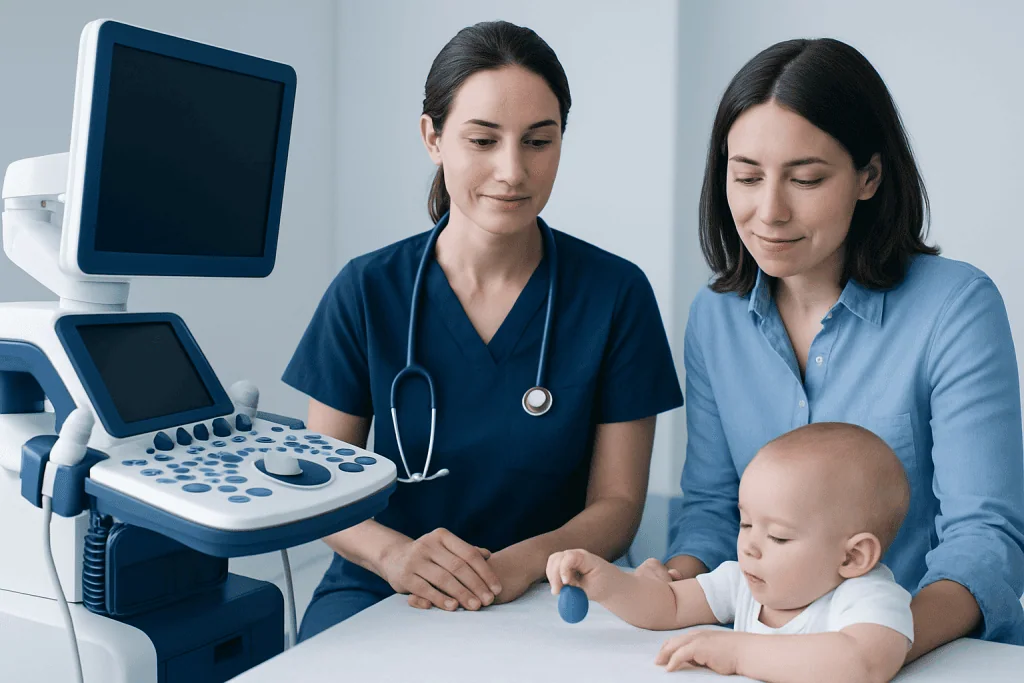
Hand development follows a step-by-step pattern. In early infancy, grasping is mostly reflexive. As babies grow, they begin reaching intentionally, transferring toys between hands, and using the whole palm to hold larger objects. Before a true pincer grasp appears, many babies use a “raking” motion to pull small items toward the palm with the fingers.
A more mature pincer grasp usually develops after these earlier stages. At first, a baby may use the side of the index finger against the thumb, sometimes called an inferior or crude pincer grasp. With practice, this often becomes a neater fingertip-to-fingertip movement, which allows the child to pick up very small pieces more accurately.
This progress depends on several systems working together. The brain must plan and coordinate movement, the hand muscles must gain strength and control, and vision must guide the fingers to the object. Repetition is part of normal learning, which is why everyday play and supervised feeding often help the skill emerge naturally.
- Early stage: whole-hand or palmar grasp
- Intermediate stage: raking small objects with the fingers
- Later stage: crude pincer grasp using thumb and side of finger
- More refined stage: fingertip pincer grasp
Why pincer grasp is important

Pincer grasp is more than a developmental checkbox. It is linked to fine motor precision, problem-solving, and independent exploration. When a child can pick up a small object deliberately, they are practicing coordination between the eyes, hands, and brain. This ability supports learning through touch, texture, shape, and movement.
The skill also helps with self-feeding. Picking up soft finger foods encourages controlled hand use and can strengthen confidence during mealtimes. Over time, this may support more complex tasks such as turning book pages, stacking small blocks, fastening clothing, or beginning to use crayons and utensils.
Clinicians look at pincer grasp as one part of overall development. A child who is slower to develop this skill but is making steady progress in other motor, language, and social areas may simply need more time. However, if pincer grasp is delayed along with other concerns, it can contribute useful information during a developmental review.
What can affect or delay pincer grasp
There are many possible reasons why pincer grasp may emerge later than expected. In some children, the pace of development is simply individual. In others, delayed fine motor skills may relate to limited opportunities for practice, prematurity, low muscle tone, increased muscle stiffness, hand or finger differences, visual problems, or broader developmental conditions.
Healthcare professionals usually assess the whole child rather than focusing on one hand skill in isolation. They may ask whether the baby reaches equally with both hands, transfers objects from one hand to the other, sits steadily, feeds independently, and shows interest in exploring toys. They may also observe muscle tone, posture, reflexes, and coordination.
Delayed pincer grasp can sometimes be seen in children with neurological or developmental disorders, but it is not a diagnosis by itself. If there are wider concerns about movement, posture, or developmental milestones, clinicians may evaluate for issues such as cerebral palsy or other motor conditions. In children with persistent delays affecting several areas, a broader developmental assessment may be considered, including review for autism when social communication differences are also present.
- Variation within normal development
- Prematurity or medical complexity in infancy
- Low or high muscle tone
- Visual or sensory processing difficulties
- Hand, joint, or nerve problems
- Global developmental or neurological conditions
How doctors assess pincer grasp
Assessment usually begins with a medical history and observation. A pediatrician or child development specialist may ask when the baby started reaching, sitting, transferring toys, and self-feeding. They often observe how the child approaches a small object, whether the movement is smooth and purposeful, and whether both hands are used in similar ways.
The examination may include evaluation of strength, muscle tone, reflexes, joint movement, vision, and posture. Doctors also check for signs that point to a broader issue, such as persistent asymmetry, unusual stiffness or floppiness, tremor, poor head or trunk control, or delays across multiple milestones.
If needed, the child may be referred for developmental pediatrics, neurology, rehabilitation, or occupational therapy. Depending on the overall picture, further assessment can include developmental screening tools or imaging and specialist review in selected cases. When concerns involve movement, coordination, or nervous system function, detailed evaluation in neurology care may help identify the cause and guide support.
Support, therapy, and everyday ways to encourage the skill
Most babies build pincer grasp through daily practice. Safe opportunities to reach for small, age-appropriate objects, supervised finger feeding, and play that encourages hand use can all help. Examples include picking up soft food pieces, grasping small blocks, turning thick pages, or placing objects into a container and taking them out again.
Parents and caregivers can support development by offering toys that match the child’s stage rather than pushing advanced tasks too early. Time spent on the floor in varied positions, stable sitting support when needed, and simple sensory play can all make hand use easier. Because small items can be a choking hazard, close supervision is always important.
If a child has a persistent delay or an identified condition, therapy may be recommended. Occupational therapy can help strengthen hand skills, improve coordination, and teach parents practical exercises through play. In children with broader motor challenges, pediatric rehabilitation may support posture, movement control, and functional development as part of a wider care plan.
When to seek medical care
Medical advice is appropriate if a baby is not showing progress in fine motor skills over time, especially if there are other developmental concerns. Parents may also wish to seek review if the child consistently uses only one hand, seems unable to bring objects to the fingers, or has unusual stiffness, floppiness, or poor coordination.
It is also sensible to discuss concerns if feeding skills are delayed, objects are rarely transferred between hands, or the baby has trouble sitting or controlling posture. A child who loses a skill they previously had should be assessed promptly. These signs do not automatically mean a serious problem, but they do deserve professional attention.
Early assessment can be reassuring and, when needed, allows support to begin sooner. Multidisciplinary specialists at Acibadem International, including pediatrics, neurology, and rehabilitation teams in JCI-accredited hospitals, evaluate developmental concerns in international patients and plan care based on the child’s individual needs.
Frequently asked questions
At what age does pincer grasp usually develop?
Pincer grasp usually appears in late infancy, often after earlier grasp patterns such as palmar grasp and raking. The exact timing varies from child to child, so doctors look at the overall pattern of development rather than one precise age.
Is delayed pincer grasp always a sign of a medical problem?
No. Some children develop fine motor skills more slowly but still follow a normal developmental path. However, if delayed pincer grasp occurs together with other concerns such as uneven hand use, unusual muscle tone, or broader developmental delays, medical assessment is advisable.
How can parents help a baby develop pincer grasp?
Parents can encourage the skill through supervised play and self-feeding with safe, age-appropriate objects and foods. Simple activities such as picking up soft finger foods, handling small blocks, and placing objects into containers can support coordination and hand control.
What is the difference between a crude and mature pincer grasp?
A crude pincer grasp uses the thumb against the side of the index finger and is an earlier stage of development. A mature pincer grasp is more precise and usually involves the fingertips of the thumb and index finger working together.
Should a baby use both hands equally?
Many babies use both hands during play, reaching, and transferring objects. A strong preference for one hand very early in infancy can sometimes suggest weakness or difficulty in the other hand and should be discussed with a doctor.
When should a child with fine motor delays see a specialist?
A specialist review may be helpful if fine motor delays persist, if milestones in other areas are also delayed, or if there are signs such as stiffness, floppiness, poor coordination, or loss of previously learned skills. Depending on the findings, referral may be made to pediatrics, neurology, rehabilitation, or occupational therapy.
This article is for general information only and is not a substitute for professional medical advice. Please consult a qualified doctor about your individual situation.
Explore treatments in Turkey — costs, top hospitals & a free quote
JCI-accredited · board-certified surgeons · reply within 24h
Add us as a Preferred Source to see more of our trusted health content across Google Search, AI Overviews and Discover.

More from the Health Library

Sauna Benefits: What Patients Need to Know

Hair Waviness: An Evidence-Based Guide for Patients

Urine: A Complete Medical Overview

Anal Herpes: An Evidence-Based Guide for Patients

Amiodarone: What Patients Need to Know