Pinched Nerve: An Evidence-Based Guide for Patients

A pinched nerve is caused by pressure on a nerve from nearby tissues. Common symptoms include pain, tingling, numbness, and muscle weakness.
Key Takeaways
- A pinched nerve is caused by pressure on a nerve from nearby tissues.
- Common symptoms include pain, tingling, numbness, and muscle weakness.
- Many cases improve with activity changes, physical therapy, and time.
- Persistent, worsening, or severe symptoms should be assessed by a doctor.
- Treatment focuses on relieving pressure and addressing the underlying cause.
A pinched nerve happens when surrounding tissues, such as bone, cartilage, muscle, or a disc, put pressure on a nerve. This pressure can cause pain, tingling, numbness, or weakness, and treatment depends on where the nerve is affected and what is causing the compression.
Overview
A pinched nerve is a common term for nerve compression. It means a nerve is being irritated or squeezed by nearby structures such as a bulging disc, inflamed tissue, bone changes, or tight muscles. Depending on the nerve involved, a person may notice pain, tingling, numbness, burning sensations, or weakness in a specific area of the body.
This is not a single disease but a problem with several possible causes. A pinched nerve can happen in the neck, back, wrist, elbow, shoulder, or hip area, and symptoms may travel along the course of the nerve rather than staying in one spot. For example, pressure on a nerve in the lower back may cause symptoms down the leg rather than only in the back.
Many pinched nerves improve with conservative care, especially when the pressure is temporary or related to posture, overuse, or mild inflammation. However, ongoing compression can lead to longer-lasting nerve irritation, so a medical review is important if symptoms do not improve, recur often, or affect normal function.
How a Pinched Nerve Feels
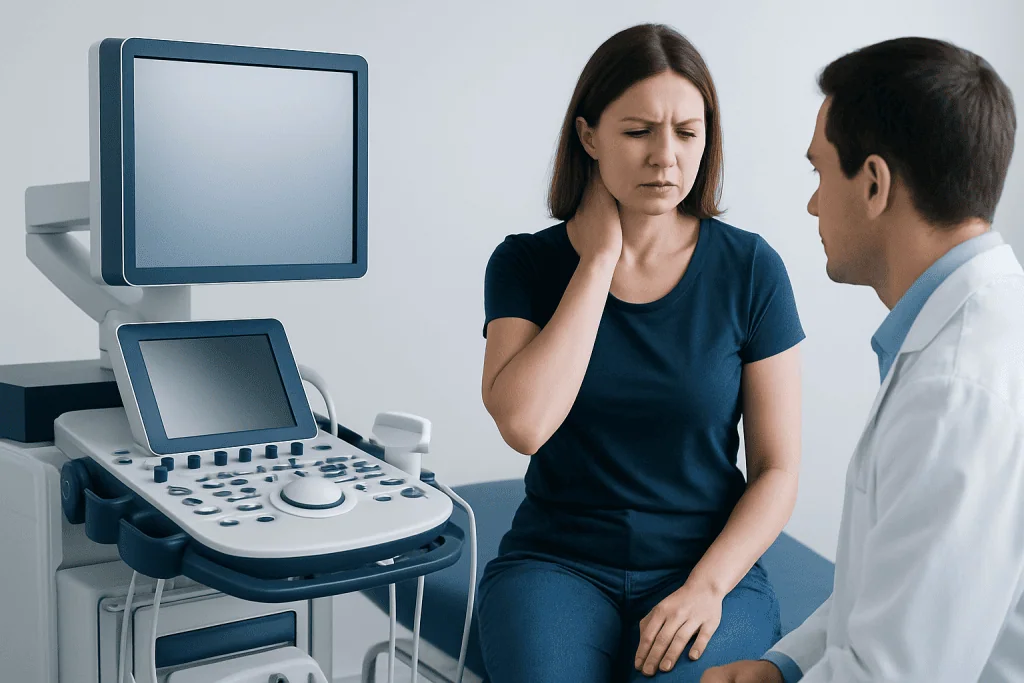
Symptoms vary by location and by how much the nerve is compressed. Some people feel a sharp or aching pain, while others notice pins-and-needles, burning, or reduced sensation. Symptoms may be constant or may come and go with certain movements, positions, or activities.
Nerves carry different types of signals. When a sensory nerve is affected, numbness or tingling may be more noticeable. When a motor nerve is affected, weakness, clumsiness, or reduced grip strength may become more prominent. Some people experience both sensory and motor symptoms at the same time.
Common patterns include:
- Neck nerve compression causing pain, tingling, or weakness into the shoulder, arm, or hand
- Lower back nerve compression causing pain, numbness, or weakness into the buttock, leg, or foot
- Wrist nerve compression, such as carpal tunnel syndrome, causing hand numbness or night-time tingling
- Elbow nerve compression causing tingling in the ring and little fingers
Symptoms often become more noticeable after repetitive movements, prolonged sitting, poor posture, heavy lifting, or sleeping in a position that puts pressure on a joint or nerve pathway.
Causes and Risk Factors

A pinched nerve develops when there is not enough space for the nerve to move freely or when nearby tissue becomes enlarged, inflamed, or displaced. In the spine, common causes include disc bulges or herniation, age-related wear in the joints, thickened ligaments, and narrowing around the nerve openings. In the arms or legs, swelling, repetitive strain, scar tissue, or tight anatomical spaces can compress a nerve.
Several factors can increase risk. Repetitive tasks, prolonged computer use, frequent bending or twisting, heavy lifting, and poor ergonomic setup may all contribute. In some people, pregnancy, fluid retention, diabetes, thyroid disease, arthritis, or previous injury can make nerve compression more likely.
Body mechanics also matter. Long periods in one position, weak core or shoulder support muscles, and reduced flexibility can place extra stress on joints and soft tissues. If the underlying issue involves the spine, related conditions such as herniated disc may need to be considered as part of the evaluation and treatment plan.
How Doctors Diagnose a Pinched Nerve
Diagnosis begins with a detailed history and physical examination. A doctor will ask where symptoms start, where they travel, what makes them better or worse, and whether weakness or loss of coordination is present. The pattern of symptoms can offer important clues about which nerve may be involved.
During the examination, the doctor may check strength, reflexes, sensation, posture, and range of motion. Certain movements may reproduce symptoms and help identify whether the source is the neck, back, wrist, elbow, or another region. The goal is to confirm nerve involvement and look for the reason behind the pressure.
Imaging or nerve testing is not always needed right away, especially if symptoms are mild and short-lived. When symptoms are persistent, severe, or unclear, tests such as MRI, ultrasound, X-rays, or nerve conduction studies may be recommended. In selected cases, evaluation may include MRI to look closely at the spine or soft tissues and identify areas of nerve compression.
Treatment Options
Treatment depends on the cause, location, and severity of symptoms. Many people improve with relative rest, changes to posture or workstation setup, avoiding activities that worsen symptoms, and short-term use of supportive devices such as a wrist splint or cervical pillow when appropriate. The aim is to reduce irritation and create space for the nerve to recover.
Physical therapy is often a central part of care. A tailored program may include stretching, strengthening, nerve-gliding exercises, and movement training to reduce pressure on the affected nerve. For some people, physical therapy and rehabilitation can improve mobility, muscle support, and day-to-day function while also lowering the chance of recurrence.
Medicines may be used to ease pain or reduce inflammation, but they do not correct the underlying mechanical cause on their own. If symptoms are linked to spinal compression, treatment may overlap with options used for spine surgery assessment, although surgery is generally considered only when conservative care fails, pain is severe, or there is progressive weakness or nerve damage.
In some cases, more targeted procedures may be discussed, especially when symptoms are persistent and imaging confirms a clear source of compression. The best approach is individualized, and a doctor may involve neurology, orthopedics, rehabilitation, or neurosurgery specialists depending on the area affected.
Self-care, Recovery, and Prevention
Recovery time varies. Some pinched nerves settle within days to weeks, while others take longer if the compression has been present for some time. During recovery, pacing activities is often more helpful than complete inactivity. Gentle movement usually supports circulation and prevents stiffness, as long as it does not worsen symptoms.
Helpful self-care measures may include:
- Adjusting sitting, sleeping, and work positions to reduce pressure on the affected area
- Taking regular breaks from repetitive tasks
- Using proper lifting technique and avoiding sudden heavy loads
- Following prescribed exercises consistently
- Maintaining general fitness, flexibility, and a healthy body weight
Prevention focuses on reducing repeated strain and improving body mechanics. Ergonomic changes, supportive footwear, gradual exercise progression, and strengthening the muscles that support the neck, back, and shoulders can all help. People with ongoing medical conditions that raise the risk of nerve compression should work with their doctor to manage those conditions as part of prevention.
When to Seek Medical Care
Medical advice is appropriate if symptoms last more than a few days, keep returning, interfere with sleep, or limit work, walking, grip, or daily activities. A clinician can help confirm whether the problem is truly a pinched nerve or another condition that needs different care.
Urgent assessment is important if there is significant or worsening weakness, trouble walking, loss of hand function, or numbness that is spreading. Immediate medical attention is also needed for new bladder or bowel control problems, severe back pain after injury, or symptoms such as saddle numbness, as these can signal more serious nerve compression.
Specialist evaluation may be useful when diagnosis is uncertain or symptoms do not improve with conservative treatment. Near the end of the care pathway, some patients may choose assessment at centers such as Acibadem International, where multidisciplinary specialists in JCI-accredited hospitals diagnose and treat nerve compression conditions for international patients.
Frequently asked questions
What is a pinched nerve?
A pinched nerve is pressure on a nerve from nearby tissues such as bone, muscle, cartilage, ligaments, or a disc. That pressure can disrupt how the nerve works and lead to pain, tingling, numbness, or weakness.
Can a pinched nerve go away on its own?
Yes, many mild cases improve with time, activity changes, and conservative care. Recovery is more likely when the pressure is temporary and the person avoids movements or positions that keep irritating the nerve.
How long does a pinched nerve last?
It depends on the cause and severity. Some cases improve within days to a few weeks, while others may last longer if there is ongoing compression, inflammation, or an underlying spine or joint problem.
Is a pinched nerve serious?
Often it is not serious and responds well to non-surgical treatment. However, persistent symptoms, increasing weakness, or loss of function should be evaluated because prolonged compression can affect nerve recovery.
What is the difference between a pinched nerve and muscle pain?
Muscle pain usually stays localized and may feel sore, tight, or tender. A pinched nerve more often causes radiating pain, tingling, numbness, burning, or weakness along a nerve pathway.
When should someone see a doctor for a pinched nerve?
A doctor should be seen if symptoms do not improve, keep returning, or affect normal movement, sleep, or daily activities. Urgent care is needed for worsening weakness, spreading numbness, or bladder or bowel control problems.
References
- National Institute of Neurological Disorders and Stroke
- American Academy of Orthopaedic Surgeons
- National Institute of Arthritis and Musculoskeletal and Skin Diseases
- Mayo Clinic
- Merck Manual Consumer Version
This article is for general information only and is not a substitute for professional medical advice. Please consult a qualified doctor about your individual situation.
Joint and spine care in Turkey — expert assessment & treatment
JCI-accredited · board-certified surgeons · reply within 24h
Add us as a Preferred Source to see more of our trusted health content across Google Search, AI Overviews and Discover.