Plastic Surgery Marketing: Procedure, Recovery and Results

Plastic surgery marketing should clearly describe benefits, limits, risks, and recovery rather than promise a particular outcome. Candidacy depends on overall health, anatomy, goals, medical history, and the ability to follow aftercare instructions.
Key Takeaways
- Plastic surgery marketing should clearly describe benefits, limits, risks, and recovery rather than promise a particular outcome.
- Candidacy depends on overall health, anatomy, goals, medical history, and the ability to follow aftercare instructions.
- Recovery varies considerably by procedure, the extent of surgery, and whether procedures are combined.
- Swelling, bruising, scars, and gradual tissue settling mean that final results may take months to develop.
- Photographs of public figures cannot reliably show whether a person has had plastic surgery.
Plastic surgery marketing can help people learn about aesthetic and reconstructive options, but it cannot determine whether a procedure is appropriate for an individual. A qualified surgical consultation remains essential for understanding candidacy, recovery, realistic results, and safety.
What Plastic Surgery Marketing Means for Patients
Plastic surgery marketing is the way hospitals, surgeons, and other providers describe aesthetic or reconstructive procedures to potential patients. It can introduce available options, but it is not medical advice and cannot establish that a procedure is needed, suitable, or safe for a particular person. A responsible decision begins with an in-person assessment by an appropriately qualified surgeon.
Useful information explains the purpose of a procedure, likely recovery needs, possible scars, limitations, and relevant risks. Before-and-after images may be helpful when they are clearly labeled, but lighting, makeup, pose, image editing, and the time since surgery can affect appearance. Claims of guaranteed results, risk-free surgery, or a perfect outcome should be approached cautiously.
How Plastic Surgery Procedures Work: Candidacy and Steps
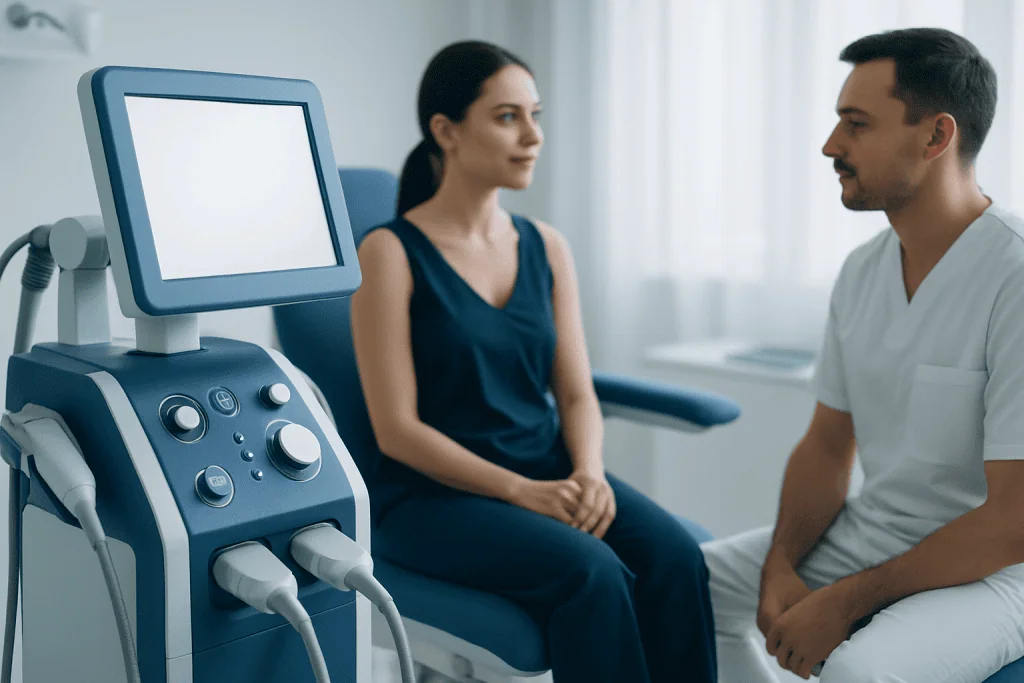
Plastic surgery includes reconstructive operations that restore form or function after injury, illness, or congenital differences, as well as aesthetic procedures intended to change appearance. Candidacy is individualized. A surgeon considers the person’s medical conditions, medicines, smoking or nicotine use, prior operations, skin and tissue quality, emotional readiness, expectations, and ability to attend follow-up care.
Although techniques differ, the process commonly includes the following stages:
- A consultation to discuss goals, examine the relevant area, review health history, and explain alternatives.
- Preoperative planning, which may include health tests, medication adjustments, and instructions about nicotine avoidance and fasting when needed.
- An operation using local anesthesia, sedation, or general anesthesia, depending on the procedure and patient needs.
- Incisions and tissue reshaping, removal, lifting, repair, or placement of an implant when appropriate, followed by closure and dressings.
- Postoperative monitoring, written aftercare instructions, and scheduled follow-up visits.
People should feel able to ask why a particular technique is recommended, what scars to expect, whether non-surgical alternatives are reasonable, and what would happen if the result does not match the initial plan. An ethical consultation leaves time for reflection rather than pressuring a person to decide quickly.
Recovery, Results, Benefits, and Risks
Recovery is not the same for every operation. In the first days, it is common to have swelling, bruising, discomfort, tiredness, and temporary limits on movement. Follow-up visits are often arranged during the first one to two weeks, while return to work, driving, exercise, travel, and lifting depends on the operation and the surgeon’s advice. Residual swelling can take several months to settle, and scars usually continue to mature for many months.
Potential benefits may include improved function, relief from a physical concern, restoration after disease or injury, or a change in appearance that aligns with personal goals. However, all surgery carries risks, including bleeding, infection, fluid collection, delayed wound healing, noticeable scarring, asymmetry, changes in sensation, anesthesia-related complications, blood clots, and a possible need for revision surgery. The individual risk profile depends on the procedure, health status, healing, and aftercare, so results should never be promised in advance.
When to Seek Medical Care
After surgery, patients should contact their surgical team promptly if pain, swelling, redness, drainage, or bleeding is increasing rather than gradually improving. Fever, a wound that opens, persistent vomiting, a rash after medication, or concerns about a dressing or drain also warrant timely medical advice. These symptoms do not always mean there is a serious problem, but early assessment can help guide safe care.
Emergency care is needed for symptoms such as trouble breathing, chest pain, fainting, sudden confusion, severe uncontrolled bleeding, or new painful swelling in one leg. Patients should follow their surgeon’s specific emergency instructions and avoid trying to manage potentially serious symptoms alone.
What is the hardest plastic surgery recovery?
There is no single procedure that is objectively the hardest recovery for every person. Recovery can be more demanding after operations involving large areas of tissue, substantial skin removal, muscle repair, multiple surgical sites, or a longer anesthetic time. Examples may include extensive body contouring after major weight loss, abdominoplasty, some combined procedures, and complex reconstructive operations.
The difficulty of recovery also depends on pain control needs, mobility limits, a person’s health, the support available at home, and whether complications occur. Combining procedures can reduce the number of separate operations, but it may also increase recovery demands and should be considered only when the surgeon believes it is medically appropriate.
Why does Dr. Phil's wife look different?
It is not possible to responsibly determine whether Dr. Phil’s wife, or any other public figure, has had a specific cosmetic procedure simply by viewing photographs or video. A person’s appearance can vary because of natural aging, weight changes, hairstyle, makeup, lighting, camera angles, facial expression, image editing, and health-related factors.
Medical procedures are private health information. Unless a person has directly and reliably shared details of a treatment, attributing a change in appearance to plastic surgery would be speculation and should not be treated as medical fact.
Why does Tom Brady look different?
Photographs cannot reliably establish why Tom Brady, or any public figure, may look different over time. Changes in age, fitness routines, facial hair, hairstyle, lighting, body weight, hydration, camera lenses, and image selection can all influence appearance.
It is not clinically appropriate to diagnose cosmetic treatment from images or make assumptions about an individual’s health choices. People considering a procedure should instead focus on their own goals, medical assessment, and a discussion of realistic results with a qualified surgeon.
What procedure takes 10 years off your face?
No procedure can reliably make every person look exactly 10 years younger. Facial aging affects skin, fat, muscle, bone structure, and volume differently in each person, so an appropriate plan depends on the main concern. A facelift may improve laxity in the cheeks, jawline, and neck, while eyelid surgery, a brow lift, skin treatments, or volume-focused treatments may be considered for other concerns.
The aim of facial rejuvenation is usually a rested, balanced, and natural-looking change rather than a guaranteed age reduction. A surgeon can explain which concerns a procedure may address, which it will not address, expected scars and recovery, and whether waiting or choosing a non-surgical approach may be more suitable.
Frequently asked questions
How can someone assess whether plastic surgery marketing is trustworthy?
Reliable material identifies the treating clinician, explains the procedure's purpose and limitations, and includes balanced information about recovery and risks. A person should verify the clinician's relevant qualifications and arrange a consultation rather than relying on promotional material alone.
Is plastic surgery only for cosmetic changes?
No. Plastic surgery also includes reconstructive care after trauma, cancer treatment, burns, congenital differences, and other health conditions. The same specialty may provide both reconstructive and aesthetic procedures.
How long does it take to see final plastic surgery results?
Early changes may be visible soon after surgery, but swelling, bruising, scar maturation, and tissue settling can continue for months. The expected timeline should be discussed for the specific procedure, because it varies widely.
Can more than one plastic surgery procedure be performed at the same time?
In selected cases, more than one procedure may be performed during one anesthetic. Whether this is appropriate depends on the planned operations, expected surgery length, health status, and the surgeon's assessment of safety.
Are non-surgical treatments an alternative to plastic surgery?
Some non-surgical options may help selected concerns, such as skin texture, mild laxity, or volume changes. They do not produce the same effects as surgery for every concern, and they also have limitations and risks.
What should a person ask at a plastic surgery consultation?
Helpful questions include why the procedure is recommended, what alternatives exist, what scars and downtime to expect, and what complications are possible. Patients can also ask about follow-up care, the likely need for revisions, and when normal activities may safely resume.
References
- American Society of Plastic Surgeons
- International Society of Aesthetic Plastic Surgery
- U.S. Food and Drug Administration
- National Health Service
This article is for general information only and is not a substitute for professional medical advice. Please consult a qualified doctor about your individual situation.
Explore treatments in Turkey — costs, top hospitals & a free quote
JCI-accredited · board-certified surgeons · reply within 24h
Add us as a Preferred Source to see more of our trusted health content across Google Search, AI Overviews and Discover.

More from the Health Library



Related Specialists

Prof. Dr. Muazzez Çevik
Pediatric Surgery
Prof. Dr. Bülent Değertekin
Internal Medicine
Dr. Firangiz Mirzazade
Gynecology & Obstetrics
Assoc. Prof. Dr. Aysun Işıklar
Internal Medicine