Ple Treatment: How It Works, Results and What to Expect

Protein-losing enteropathy (PLE) is a syndrome rather than one single disease; successful treatment depends on finding its cause. Dietary changes are central to many PLE treatment plans, but the best diet depends on the individual animal and underlying condition.
Key Takeaways
- Protein-losing enteropathy (PLE) is a syndrome rather than one single disease; successful treatment depends on finding its cause.
- Dietary changes are central to many PLE treatment plans, but the best diet depends on the individual animal and underlying condition.
- Dogs with severe low blood protein may require hospital-based supportive care before longer-term treatment can begin.
- Recovery is possible for some dogs, although relapses and long-term dietary or medical management may occur.
- Cats can also develop PLE, but ple treatment cat plans require diagnosis and care from a veterinarian familiar with feline digestive disease.
PLE treatment refers to care for protein-losing enteropathy, a serious digestive condition in which protein is lost through the intestines. In dogs, treatment is individualized and commonly combines a carefully selected diet, treatment of the underlying cause, supportive care, and regular veterinary monitoring.
PLE treatment explained
PLE treatment is the veterinary management of protein-losing enteropathy (PLE), a condition in which the intestines lose excessive amounts of protein into the digestive tract. Protein is essential for maintaining fluid balance, supporting immunity, and helping tissues function normally. When blood protein levels become low, an affected dog may develop diarrhea, weight loss, poor appetite, weakness, or fluid accumulation in the abdomen or legs.
PLE is not a diagnosis by itself. It is a clinical syndrome that can result from several intestinal, lymphatic, inflammatory, infectious, or cancer-related disorders. For this reason, the most effective ple treatments begin with a careful evaluation to identify what is driving the protein loss rather than relying on one standard medicine or diet.
Treatment usually involves a veterinarian-led combination of nutrition, medication when indicated, management of complications, and follow-up blood tests. Some animals improve substantially with treatment, while others need long-term care and adjustment of their plan over time.
How PLE develops and what can trigger it in dogs

The intestinal lining normally absorbs nutrients while keeping important proteins within the bloodstream. In PLE, inflammation, injury, abnormal lymphatic flow, or infiltration of the intestine can allow protein to leak into the bowel. Low albumin, a major blood protein, is a common laboratory finding and can contribute to swelling or fluid buildup.
What triggers PLE in dogs? Common underlying causes include chronic inflammatory bowel disease, intestinal lymphangiectasia (abnormal intestinal lymph vessels), food-responsive intestinal disease, certain intestinal infections, parasites, severe gastrointestinal inflammation, and intestinal cancer such as lymphoma. Heart disease or disorders affecting blood flow and lymphatic drainage may occasionally contribute as well.
Breed tendencies are recognized for some causes of PLE, particularly intestinal lymphangiectasia, but any dog can be affected. A trigger is not always immediately apparent. In some cases, the diagnosis becomes clearer only after dietary trials, imaging, biopsies, and response to treatment are considered together.
PLE may also occur in cats, although it is less commonly discussed. In cats, chronic intestinal inflammation, intestinal lymphoma, infections, and other digestive conditions may be involved. A ple treatment cat plan should never be copied from a dog’s plan because dietary needs, medication choices, and likely causes can differ.
PLE evaluation: how veterinarians reach a diagnosis
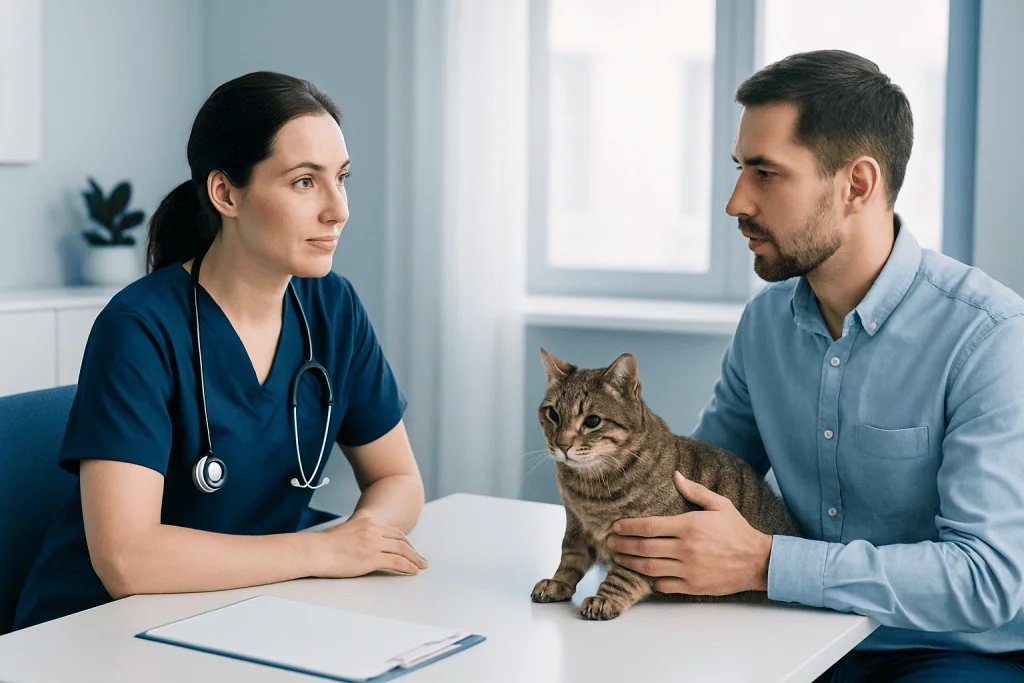
A ple evaluation usually starts with a detailed history and physical examination. The veterinarian will ask about stool changes, vomiting, appetite, weight loss, diet, parasite prevention, travel, previous illnesses, and medicines. Examination may identify dehydration, muscle loss, abdominal enlargement, swelling of the limbs, or signs of an underlying illness.
Blood and urine testing help confirm low protein and assess its possible source. A complete blood count, biochemistry profile, albumin and globulin levels, cholesterol, electrolyte measurements, urinalysis, and fecal parasite testing are often used. Protein loss through the kidneys and liver disease should be considered because they can also lower blood protein levels.
Abdominal ultrasound can assess the intestines, abdominal lymph nodes, liver, and other organs. Depending on the findings, a veterinarian may recommend tests for pancreatic function, vitamin levels, infectious diseases, heart disease, or clotting risk. Endoscopy or surgery to obtain intestinal biopsies may be advised when a tissue diagnosis will affect treatment decisions.
Testing is chosen according to the animal’s condition and may occur in stages. If a dog is unstable because of severe dehydration, fluid accumulation, blood clots, or very low albumin, supportive treatment and hospitalization may be needed before more invasive diagnostic procedures are considered.
How PLE treatment works: diet, medicines and supportive care
PLE treatment aims to reduce intestinal protein loss, treat the underlying cause, restore nutritional status, and prevent complications. A therapeutic diet is often one of the most important parts of care. For dogs with intestinal lymphangiectasia or fat-sensitive disease, a veterinarian may recommend a highly digestible, very low-fat diet. Other dogs may benefit from a hydrolyzed-protein or novel-protein diet if food-responsive inflammation is suspected.
There is no single best dog food for dogs with protein-losing enteropathy (PLE). The appropriate food depends on the cause, severity, nutritional status, concurrent conditions, and the dog’s response. A prescription therapeutic diet is often preferred because it provides controlled nutrient composition. Treats, table foods, flavored supplements, and sudden diet changes can interfere with a diet trial, so any additions should be discussed with the veterinary team.
Medicines may be used when testing or clinical findings suggest inflammation, immune-mediated disease, infection, parasites, nausea, or another specific cause. Anti-inflammatory or immunosuppressive treatment may be considered for inflammatory intestinal disease, but these medicines require veterinary oversight because benefits, risks, and monitoring needs vary. Antibiotics are not routinely appropriate unless there is a clear indication.
Supportive treatment can include fluids, anti-nausea medicines, vitamin supplementation, nutritional support, and care for fluid accumulation. Dogs with markedly low albumin can be at increased risk of blood clots; a veterinarian may assess whether clot-prevention medicine is appropriate. Treatment should be individualized, particularly in animals with severe disease or multiple health problems.
What to expect during treatment and recovery
Early treatment often focuses on stabilization and establishing a consistent nutrition plan. Dogs that are eating, hydrated, and otherwise stable may be managed at home with close follow-up. Those with severe weakness, vomiting, dehydration, abdominal fluid, breathing difficulty, or very low protein may need inpatient care. The initial plan may be adjusted as test results become available.
Improvement is usually assessed through appetite, energy, stool quality, body weight, hydration, abdominal size, and repeat blood tests. Some signs, such as appetite and diarrhea, may improve before blood protein levels return toward normal. Albumin and other laboratory values can take time to respond, and they may fluctuate if the underlying disease remains active.
Can a dog recover from PLE? Some dogs can achieve good control of PLE and return to a comfortable, active life, especially when the underlying cause is identified and responds to diet or targeted treatment. However, the outlook varies widely. Certain dogs require lifelong dietary management, repeated monitoring, or medication, and some have disease that is difficult to control.
Regular reassessment is important even when a dog appears well. Follow-up helps the veterinarian detect falling protein levels, nutritional deficiencies, medication side effects, or recurrence before signs become severe. Owners should not stop a prescribed diet or medication abruptly without veterinary guidance.
Benefits, limitations and possible risks of PLE treatment
The main benefit of a well-designed PLE treatment plan is that it can reduce digestive signs, support adequate nutrition, improve blood protein levels, and lower the chance of complications. Treatment can also provide important diagnostic information: for example, a strong response to a properly conducted diet trial may help identify food-responsive disease.
PLE itself can be serious because low blood protein affects fluid balance and overall health. Potential complications include abdominal fluid buildup, swelling, malnutrition, electrolyte disturbances, and blood clots. The seriousness depends on the degree of protein loss, the underlying cause, complications, and response to treatment.
How serious is PLE? PLE should always be taken seriously and assessed by a veterinarian promptly, particularly when there is rapid weight loss, persistent diarrhea, weakness, vomiting, a swollen abdomen, or difficulty breathing. At the same time, seriousness does not mean that improvement is impossible. Many animals benefit from timely diagnosis, individualized treatment, and careful monitoring.
Treatment also has limitations and risks. Restrictive diets may be difficult for some animals to accept, medicines can have side effects, and invasive testing such as endoscopy or biopsy requires discussion of anesthesia and procedural risks. A veterinary team can explain why each option is being considered and help balance diagnostic value with the animal’s current health.
When to seek medical care
Dogs with persistent diarrhea, unexplained weight loss, reduced appetite, vomiting, lethargy, or a change in drinking habits should be examined by a veterinarian. These signs are not specific to PLE, but early assessment can help identify digestive disease and other conditions before nutritional decline becomes more significant.
Urgent veterinary care is appropriate if a dog has severe weakness, collapse, repeated vomiting, marked abdominal enlargement, pale gums, trouble breathing, black or bloody stools, or swelling of the limbs. These signs can indicate serious complications and should not be managed with home remedies alone.
Owners should bring details of the dog’s current food, treats, supplements, parasite prevention, medicines, recent travel, and stool changes to the appointment. This information can make the ple evaluation more efficient and help the veterinarian select appropriate tests.
For international patients seeking coordinated specialist care, Acibadem International’s multidisciplinary teams and JCI-accredited hospitals can support diagnosis and treatment planning for complex digestive conditions. Care decisions should always be made with a qualified veterinarian when the patient is a dog or cat.
Frequently asked questions
What is PLE in dogs?
PLE stands for protein-losing enteropathy. It describes excessive loss of blood proteins through the intestines because of an underlying digestive, lymphatic, inflammatory, infectious, or cancer-related condition. It is a syndrome, so identifying the underlying cause is essential for planning treatment.
Can a dog recover from PLE?
Some dogs respond well to tailored diet changes and treatment for the underlying cause, and may regain weight, energy, and more stable blood protein levels. Others need long-term management and may have relapses. The outlook depends on the cause of PLE, the severity of protein loss, complications, and response to treatment.
What is the best dog food for dogs with protein-losing enteropathy (PLE)?
There is no single food that is best for every dog with PLE. Many dogs benefit from a veterinary-prescribed highly digestible low-fat diet, while others may need a hydrolyzed-protein or novel-protein diet. A veterinarian should recommend the diet after considering the suspected cause and the dog’s nutritional needs.
How serious is PLE?
PLE can be serious because low blood protein may cause fluid accumulation, malnutrition, weakness, and an increased risk of blood clots. Its severity varies considerably between animals. Prompt veterinary assessment and regular monitoring can improve the ability to manage complications early.
What triggers PLE in dogs?
PLE can be triggered by inflammatory bowel disease, intestinal lymphangiectasia, food-responsive intestinal disease, parasites or infections, intestinal lymphoma, and other disorders that damage the intestine or alter lymphatic drainage. Some dogs have more than one contributing factor. Diagnostic testing helps identify the most likely trigger.
Is PLE treatment different in cats?
The general goals are similar: identify the cause, support nutrition, reduce intestinal protein loss, and monitor response. However, cats have different nutritional requirements and may have different underlying diseases than dogs. A veterinarian should create a species-specific plan rather than using a dog treatment approach.
References
- Merck Veterinary Manual
- World Small Animal Veterinary Association
- American College of Veterinary Internal Medicine
- VCA Animal Hospitals
This article is for general information only and is not a substitute for professional medical advice. Please consult a qualified doctor about your individual situation.
Medical weight-loss options in Turkey — costs & eligibility
JCI-accredited · board-certified surgeons · reply within 24h
Add us as a Preferred Source to see more of our trusted health content across Google Search, AI Overviews and Discover.
Check your numbers in seconds
BMI, calories, due date, blood pressure and 30+ more clinical calculators — free, instant, doctor-reviewed ranges.