Plica Syndrome: Diagnosis, Outlook, and Modern Treatment Approaches

Plica syndrome happens when a normal fold in the knee lining becomes inflamed or irritated. Common symptoms include front or inner knee pain, clicking, and discomfort when squatting, climbing stairs, or sitting for long periods.
Key Takeaways
- Plica syndrome happens when a normal fold in the knee lining becomes inflamed or irritated.
- Common symptoms include front or inner knee pain, clicking, and discomfort when squatting, climbing stairs, or sitting for long periods.
- Diagnosis is mainly based on medical history and physical examination, with imaging used to rule out other causes of knee pain.
- Treatment usually starts with rest, exercise modification, physical therapy, and anti-inflammatory measures.
- Arthroscopic treatment may be considered if symptoms continue despite well-guided conservative care.
Plica syndrome is a knee condition in which a normal fold of joint lining becomes irritated and painful, often causing clicking, tenderness, or discomfort with bending. Most people improve with activity changes, physical therapy, and other conservative care, while surgery is reserved for symptoms that do not settle.
Overview: what plica syndrome is and why it happens
Plica syndrome is a condition in which a fold of tissue inside the knee becomes irritated. The plica is part of the synovium, the thin lining that helps the knee joint move smoothly. Many people have one or more plicae and never know it, because these folds are a normal developmental feature rather than a disease on their own.
Problems begin when the plica becomes thickened or inflamed from repeated friction, overuse, a direct blow, or sometimes after another knee problem. The irritated fold can rub against nearby structures during movement, especially when the knee bends and straightens many times. This may lead to pain, a catching or snapping feeling, and tenderness along the front or inner side of the knee.
The medial plica, found on the inner side of the knee, is the one most often linked to symptoms. Because plica syndrome can feel similar to other knee conditions, it is often confused with overuse injuries, cartilage irritation, or patellofemoral pain syndrome. A careful assessment helps separate these possibilities and guide the right treatment plan.
Symptoms and how the condition may feel day to day
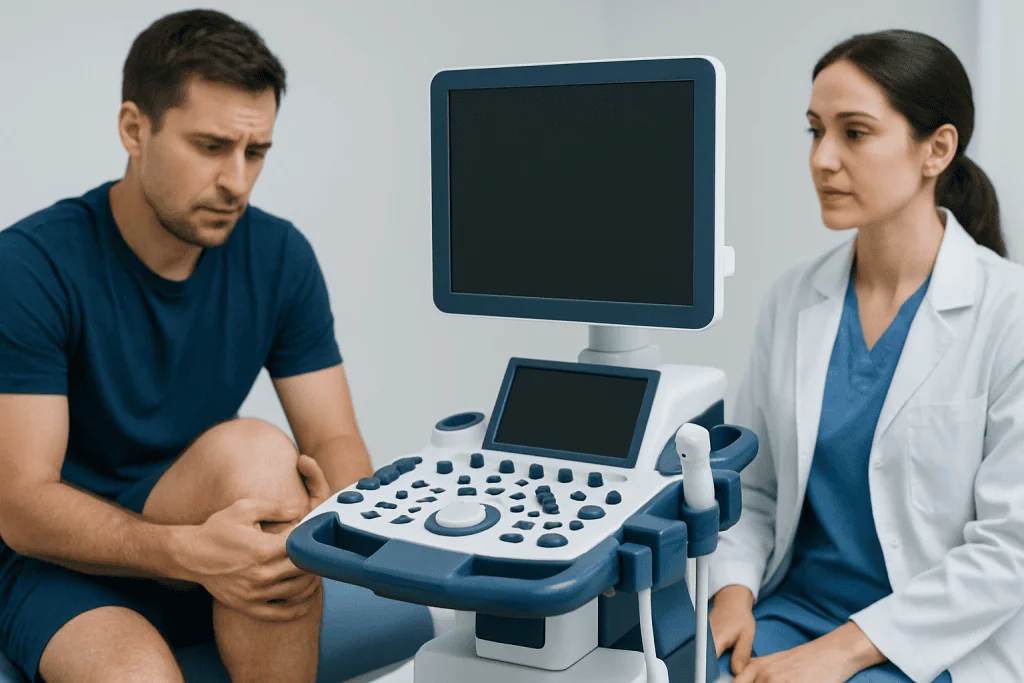
The most common symptom of plica syndrome is knee pain, usually felt in the front or on the inner side of the knee. The pain may be mild at first and then become more noticeable with activities that repeatedly bend the knee, such as climbing stairs, cycling, squatting, or running. Some people also notice discomfort after sitting for a long time with the knee bent.
Another common feature is a clicking, snapping, or catching sensation. This does not always mean the knee is damaged, but it can be bothersome and may increase concern. The knee may also feel tender when pressed in a specific area, and some people report a sense of tightness or swelling, especially after exercise.
Symptoms often come and go. They may flare after a sudden increase in activity, a change in training routine, or a period of repeated kneeling or squatting. In more persistent cases, the irritated plica can interfere with comfortable movement and may even contribute to weakness or reduced confidence in using the knee.
- Pain at the front or inner side of the knee
- Clicking, snapping, or catching with movement
- Tenderness over the affected area
- Symptoms that worsen with stairs, squats, running, or prolonged sitting
- Mild swelling or a feeling of fullness around the knee
Causes and risk factors

Plica syndrome usually develops from irritation rather than a single underlying disease. Repetitive knee bending is a common trigger, particularly in runners, cyclists, dancers, and people whose work involves frequent squatting or kneeling. A plica that is naturally thicker or positioned in a way that causes more friction may be more likely to become symptomatic.
Direct trauma to the knee can also set off inflammation. In some cases, plica irritation follows another knee problem, such as altered kneecap tracking, muscle imbalance, or recovery after injury. Weakness in the hip and thigh muscles may change the way forces travel through the knee and add to ongoing irritation.
Risk can also increase when training intensity rises too quickly, when recovery time is limited, or when flexibility and movement patterns are not well balanced. These factors do not guarantee that someone will develop plica syndrome, but they can make symptoms more likely in a knee that is already sensitive.
How plica syndrome is diagnosed
Diagnosis starts with a detailed history and physical examination. A doctor will ask when symptoms began, which activities make them worse, whether there has been a recent increase in exercise, and whether there is any history of trauma. The pattern of symptoms often offers important clues, especially pain with repetitive bending and a distinct area of tenderness.
During the examination, the knee is checked for tenderness, range of motion, swelling, alignment, and signs of catching or snapping. The doctor may also assess the hips, thigh muscles, and kneecap movement because weakness or poor mechanics can contribute to symptoms. There is no single test that confirms plica syndrome in every case, so diagnosis is usually based on the overall clinical picture.
Imaging may be used to rule out other causes of knee pain. X-rays do not show a plica itself, but they can help exclude bone-related problems. MRI can sometimes show an inflamed plica, though its main value is often in checking for meniscus tears, cartilage injury, or other conditions. If symptoms overlap with meniscus tear or similar knee disorders, this step can be especially helpful. In some situations, doctors may recommend MRI scanning as part of a broader knee assessment.
Modern treatment approaches
Treatment for plica syndrome usually begins with conservative care. The first goal is to calm irritation and reduce the repeated friction that is driving symptoms. This often means temporarily modifying activities that worsen pain, such as deep squats, running hills, frequent stair climbing, or long cycling sessions. Ice and general anti-inflammatory measures may be advised by a clinician when appropriate.
Physical therapy is a central part of modern treatment. A structured program typically focuses on improving flexibility, strengthening the quadriceps and hip muscles, and correcting movement patterns that overload the knee. This stepwise approach can reduce pain, improve function, and help lower the chance of symptoms returning. Many people benefit from supervised rehabilitation and a gradual return to activity through physical therapy and rehabilitation.
If symptoms continue despite a reasonable period of conservative treatment, a doctor may consider additional options such as targeted injections in selected cases or arthroscopic treatment. Arthroscopy allows the surgeon to inspect the knee directly and remove or trim the irritated plica if it is clearly causing symptoms. This is usually considered only after other possible causes have been assessed and simpler treatments have not provided enough relief. When surgery is appropriate, it may be performed using knee arthroscopy as part of a personalized orthopedic plan.
Outlook, recovery, and self-care
The outlook for plica syndrome is generally good. Many people improve with time, activity adjustment, and rehabilitation, especially when treatment starts before irritation becomes long-standing. Recovery can vary depending on how inflamed the tissue is, how long symptoms have been present, and whether there are other knee mechanics that also need attention.
Self-care is most effective when it supports a clear medical plan. Gradual return to sport or exercise is usually better than stopping all movement for long periods and then restarting quickly. Paying attention to warm-up, technique, footwear, and training volume can make the knee more comfortable as healing progresses.
Helpful habits often include avoiding repeated painful movements for a time, keeping up with strengthening exercises, and monitoring for patterns that trigger flare-ups. If symptoms have not improved as expected, follow-up is important so that another diagnosis is not missed and the treatment strategy can be adjusted.
- Increase activity gradually rather than all at once
- Continue prescribed strengthening and flexibility exercises
- Avoid repeated deep knee bending during flare-ups
- Use recovery time between higher-impact activities
- Seek reassessment if pain persists or changes in character
When to seek medical care
Medical evaluation is a good idea if knee pain lasts more than a short period, keeps returning, or starts to limit daily activities, exercise, or work. Ongoing clicking, catching, or swelling also deserves attention, especially if home measures are not helping. A proper diagnosis matters because several knee conditions can feel similar but need different treatment.
More urgent assessment is recommended if the knee gives way, locks so that it cannot fully bend or straighten, becomes significantly swollen, or pain follows a notable injury. Fever, marked redness, or severe pain should also be evaluated promptly, as these signs may point to a different problem.
For people with persistent or complex knee symptoms, multidisciplinary orthopedic assessment can be useful. Acibadem International’s specialists in JCI-accredited hospitals diagnose and treat knee conditions for international patients, including cases that may require advanced imaging, rehabilitation, or minimally invasive procedures such as orthopedic surgery.
Frequently asked questions
Is plica syndrome serious?
Plica syndrome is usually not a dangerous condition, but it can be uncomfortable and interfere with activity. In many cases it improves with conservative care, especially when the cause of irritation is addressed early.
Can plica syndrome go away on its own?
Mild cases may settle with rest, activity changes, and time. However, persistent symptoms should be evaluated so that treatment can be tailored and other knee conditions are not overlooked.
How is plica syndrome different from a meniscus tear?
Both conditions can cause knee pain and a catching sensation, which is why they are sometimes confused. Plica syndrome involves inflamed lining tissue, while a meniscus tear affects the knee's cartilage cushion, and a physical exam plus imaging may be needed to tell them apart.
Do all people with plica syndrome need surgery?
No. Most people are treated first with non-surgical methods such as exercise modification, physical therapy, and anti-inflammatory measures. Surgery is usually considered only when symptoms persist despite a well-guided conservative program.
What activities tend to make plica syndrome worse?
Repeated knee bending often aggravates symptoms, including running, cycling, stair climbing, squatting, and kneeling. Sitting for long periods with the knee bent can also trigger discomfort in some people.
How long does recovery usually take?
Recovery varies from person to person and depends on how long symptoms have been present, how much irritation exists, and whether movement patterns are corrected. Some people improve within weeks, while others need a longer period of structured rehabilitation.
References
- American Academy of Orthopaedic Surgeons
- National Institute of Arthritis and Musculoskeletal and Skin Diseases
- American Orthopaedic Society for Sports Medicine
- MedlinePlus
- National Health Service
This article is for general information only and is not a substitute for professional medical advice. Please consult a qualified doctor about your individual situation.
Joint and spine care in Turkey — expert assessment & treatment
JCI-accredited · board-certified surgeons · reply within 24h
Add us as a Preferred Source to see more of our trusted health content across Google Search, AI Overviews and Discover.