Pls Treatment: How It Works, Results and What to Expect

Primary lateral sclerosis is a rare, slowly progressive disorder affecting upper motor neurons. There is no proven disease-modifying PLS treatment, but many symptoms can be treated effectively.
Key Takeaways
- Primary lateral sclerosis is a rare, slowly progressive disorder affecting upper motor neurons.
- There is no proven disease-modifying PLS treatment, but many symptoms can be treated effectively.
- Physical, occupational and speech therapy can support mobility, safety, communication and daily activities.
- PLS usually progresses more slowly than ALS, and many people have a near-normal life expectancy.
- A specialist assessment is important because diagnosis requires excluding other causes of upper motor neuron symptoms.
PLS treatment does not currently reverse primary lateral sclerosis, but it can reduce stiffness and discomfort, preserve independence and help people adapt as symptoms change. Care is usually coordinated by a neurologist and includes rehabilitation, symptom management, mobility support and regular follow-up.
PLS treatment: the answer in brief
PLS treatment, or treatment for primary lateral sclerosis, is focused on managing symptoms, protecting mobility and independence, and supporting quality of life over time. There is currently no treatment proven to stop or reverse the underlying nerve-cell changes, but individualized care can help with muscle stiffness, spasms, walking difficulties, speech changes and emotional wellbeing.
Primary lateral sclerosis is a rare neurological condition that mainly affects upper motor neurons, the nerve cells that carry movement signals from the brain to the spinal cord. Because symptoms may overlap with other neurological disorders, especially early on, care should be guided by a neurologist with experience in motor neuron conditions.
The term PLSR treatment is sometimes used in online searches, but it generally refers to PLS treatment. In healthcare, the most helpful approach is multidisciplinary: neurological monitoring alongside physical rehabilitation, speech and swallowing support when needed, and practical planning for everyday life.
How PLS treatment works
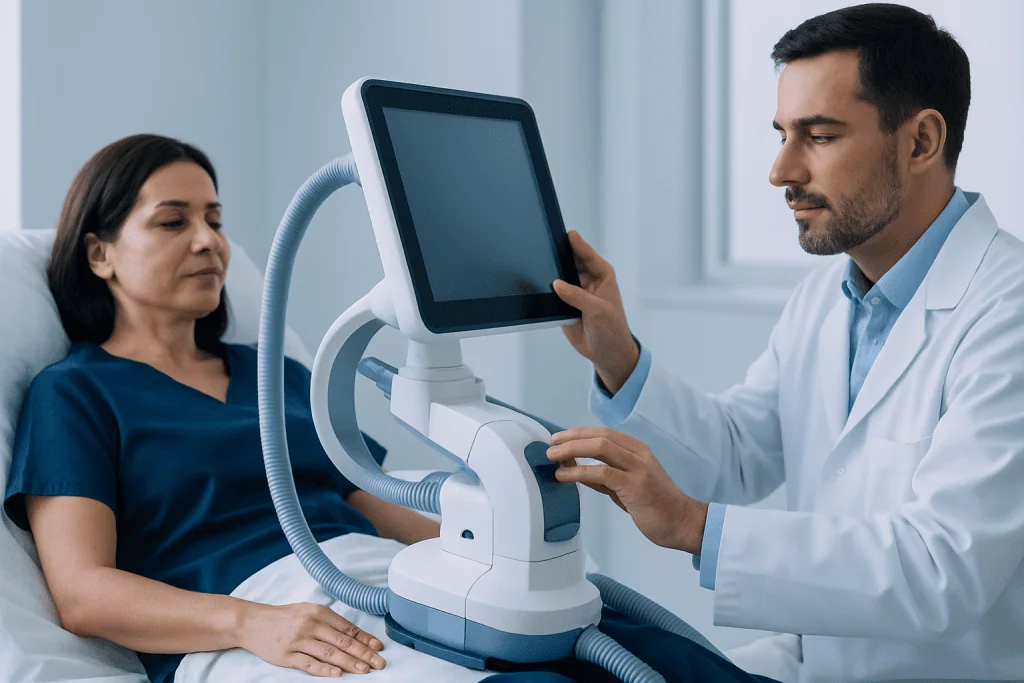
PLS care is not one procedure or a single medication. It is a long-term, person-centred treatment plan that changes according to symptoms, goals, work and home needs, and the pace of progression. A neurologist may coordinate care with rehabilitation specialists, physiotherapists, occupational therapists, speech-language therapists, nurses, psychologists and social workers.
Medicines may be considered to lessen muscle stiffness, spasms, pain, sleep disruption or mood symptoms. The choice depends on a person’s health history, other medicines and possible side effects, so treatment should be reviewed regularly rather than self-managed.
Rehabilitation is a central part of PLS treatment. Physical therapy can help maintain flexibility, strengthen unaffected muscles, improve balance and develop safer movement strategies. Occupational therapy can recommend techniques and equipment that make dressing, bathing, cooking, work and other daily activities easier and safer.
- Stretching and positioning plans may help reduce stiffness and discomfort.
- Walking aids, orthoses, scooters or wheelchairs may improve safety and conserve energy.
- Speech therapy can address slowed or strained speech and introduce communication tools if needed.
- Nutrition and swallowing evaluations may be useful if chewing or swallowing becomes difficult.
Who is a candidate for PLS treatment?

Anyone diagnosed with, or being evaluated for, primary lateral sclerosis can benefit from supportive PLS treatment. Care is appropriate from the earliest symptoms; it does not need to wait until walking, speech or daily activities are substantially affected. Early rehabilitation assessment can establish a baseline and identify useful preventive strategies.
Diagnosis can take time because there is no single test that confirms PLS. Neurologists assess the pattern and duration of symptoms, perform a neurological examination, and may use MRI scans, blood tests, electromyography (EMG), nerve-conduction studies and other tests to rule out conditions that can look similar.
These may include structural problems affecting the brain or spinal cord, inflammatory conditions, hereditary spastic disorders, metabolic causes and motor neuron disease with lower motor neuron involvement. A diagnosis may be reassessed over time as the clinical picture becomes clearer. People with persistent stiffness, weakness, changes in gait or speech should not assume they have PLS without specialist evaluation.
What happens during PLS care?
Unlike a surgical procedure, PLS treatment usually begins with a detailed evaluation and continues through planned follow-up. At the first assessment, the clinical team asks about symptom onset, falls, pain, fatigue, speech, swallowing, breathing, sleep, mood and how symptoms affect home, work and social life. Mobility, muscle tone, strength, reflexes and coordination are assessed.
A personalized plan then prioritizes the issues that matter most to the individual. For example, one person may initially need a home stretching plan and advice on preventing falls, while another may benefit from a brace, walking aid, medication review or speech evaluation. The team may also discuss driving safety, workplace adjustments and accessible home modifications.
At follow-up visits, clinicians monitor symptoms and adjust support. They may assess walking distance, balance, stiffness, pain, communication, swallowing and emotional health. Regular review helps ensure that equipment and therapy remain appropriate as needs change, and it gives patients and families time to plan ahead at a comfortable pace.
Recovery timeline, benefits and possible challenges
PLS is a progressive neurological condition, so recovery does not mean curing or reversing the disease. Instead, the expected course of care involves learning effective strategies, maintaining abilities where possible and responding early to new symptoms. Some benefits of therapy, such as improved comfort, confidence with movement or safer transfers, may be noticed within weeks; other benefits depend on ongoing practice and adaptation.
Potential benefits of a coordinated plan include fewer falls, less discomfort from stiffness or spasms, improved mobility, better energy conservation and greater ability to participate in meaningful activities. Communication support and counselling can also reduce the practical and emotional burden of living with a chronic condition.
Possible challenges include medication side effects such as tiredness, dizziness or weakness, especially when medicines used to relax muscles are started or adjusted. Exercise should be individualized because overly strenuous activity can worsen fatigue or discomfort. A therapist can help identify a sustainable level of activity, with rest periods and safety measures built into the plan.
How fast does PLS progress?
PLS generally progresses slowly, often over many years. Symptoms commonly begin in the legs with stiffness, slowed walking, balance problems or tripping, but they can also begin with speech changes or affect the arms. The speed and pattern vary considerably from one person to another.
Progression is usually gradual rather than sudden. Muscle stiffness and weakness may spread to other body regions over time, and some people eventually need canes, walkers, wheelchairs or communication support. Regular neurological follow-up is useful because it helps distinguish expected changes from symptoms that may need separate evaluation or treatment.
It is important to remember that individual prediction is difficult. A clinician familiar with the person’s examination findings, symptom history and test results is best placed to discuss likely progression and practical planning.
Can you live a normal life with PLS?
Many people with PLS continue to lead active, meaningful lives, including maintaining relationships, interests and, for some time, employment. What feels “normal” may change as mobility, speech or energy levels change, but adaptations and support can help preserve autonomy and participation.
Planning ahead can make daily life easier. Examples include pacing activities, using supportive footwear or mobility equipment before falls occur, arranging accessible transport, adapting bathrooms or stairs, and discussing workplace flexibility. Family members and caregivers may also benefit from education and support.
Mental health is an important part of care. Adjusting to a chronic neurological diagnosis can bring frustration, grief, anxiety or low mood. Counselling, peer support and open communication with the care team can help individuals and families navigate these changes.
What is the life expectancy for people with primary lateral sclerosis (PLS)?
Life expectancy for people with primary lateral sclerosis is often near normal. PLS typically progresses much more slowly than amyotrophic lateral sclerosis (ALS), and many people live with the condition for decades. However, outcomes vary, and a healthcare professional should discuss prognosis in the context of the individual’s symptoms and overall health.
PLS predominantly affects upper motor neurons. In contrast, ALS involves both upper and lower motor neurons and more commonly affects breathing and swallowing earlier in the disease course. Because the distinction can be challenging in the early years, ongoing follow-up remains important.
New or worsening swallowing difficulties, weight loss, breathlessness, frequent chest infections or rapidly changing weakness should be assessed promptly. These symptoms do not automatically mean a change in diagnosis, but they deserve medical review.
What are the stages of PLS?
There is no universally accepted staging system for PLS. Clinicians usually describe the condition according to which body regions are affected, the severity of stiffness and weakness, and the level of support needed for mobility, communication and daily activities.
In an earlier phase, symptoms may be limited to one area, often the legs, and may include stiffness, brisk reflexes, cramps and changes in walking. Over time, symptoms can involve the arms or muscles used for speech and swallowing. In more advanced phases, people may require more assistance with transfers, personal care, mobility or communication.
These descriptions are guides rather than fixed steps. Progression does not follow the same pattern for everyone, and care plans should be based on present needs rather than labels. Rehabilitation and supportive treatment can be helpful throughout all phases.
When to seek medical care
Medical assessment is recommended for persistent or progressive muscle stiffness, weakness, changes in walking, repeated falls, unexplained clumsiness, speech changes or swallowing difficulty. These symptoms have many possible causes, and timely evaluation helps identify conditions that may require different treatment.
Urgent medical care is appropriate for sudden weakness, sudden speech difficulty, facial drooping, severe shortness of breath, choking that does not resolve, or symptoms suggesting a stroke. These are not typical gradual PLS symptoms and should be assessed urgently.
For people living with PLS, contact the care team if falls increase, pain or spasms are no longer controlled, equipment is no longer meeting needs, or there are new concerns about swallowing, weight, breathing, sleep or mood. Acibadem International’s multidisciplinary specialists and JCI-accredited hospitals can diagnose and treat PLS-related needs for international patients.
Frequently asked questions
Is there a cure for primary lateral sclerosis?
There is currently no cure or proven disease-modifying treatment that stops primary lateral sclerosis. Treatment focuses on controlling symptoms, preserving function, preventing complications and supporting quality of life. Ongoing follow-up with a neurologist is important as care needs may change.
What medications are used for PLS treatment?
Doctors may prescribe medicines to help manage stiffness, painful spasms, sleep problems, pain or emotional symptoms. The best option depends on the person’s symptoms, other medical conditions and potential side effects. Medication choices should be made and monitored by a qualified clinician.
Does physical therapy make PLS worse?
Appropriately planned physical therapy is generally intended to support mobility, flexibility, balance and safety rather than worsen PLS. However, exercises should be tailored to avoid excessive fatigue, pain or overexertion. A physiotherapist can adjust activity as symptoms and energy levels change.
Is PLS the same as ALS?
No. PLS mainly affects upper motor neurons and usually progresses more slowly than ALS. ALS affects both upper and lower motor neurons and is more likely to cause earlier muscle wasting, marked weakness and breathing involvement. A neurologist may need time and repeat assessments to distinguish these conditions.
Will everyone with PLS need a wheelchair?
Not everyone will need a wheelchair, and the timing of mobility changes varies widely. Some people use a cane, walker, brace or scooter only for certain distances or situations. Mobility devices are tools for safety, energy conservation and independence, not signs of failure.
Can PLS affect speech and swallowing?
Yes, PLS can affect the muscles involved in speech and, less commonly, swallowing as it progresses. Speech-language therapy can help with communication strategies and assess swallowing safety. New coughing during meals, choking, weight loss or recurrent chest infections should be reported to a healthcare professional.
References
- National Institute of Neurological Disorders and Stroke
- National Organization for Rare Disorders
- Mayo Clinic
- Motor Neurone Disease Association
This article is for general information only and is not a substitute for professional medical advice. Please consult a qualified doctor about your individual situation.
Explore treatments in Turkey — costs, top hospitals & a free quote
JCI-accredited · board-certified surgeons · reply within 24h
Add us as a Preferred Source to see more of our trusted health content across Google Search, AI Overviews and Discover.