Pmdd Symptoms: Possible Causes and When to Seek Care

PMDD symptoms usually occur during the luteal phase, after ovulation and before menstruation. Common symptoms include marked mood changes, irritability, anxiety, depression, fatigue, bloating, and breast tenderness.
Key Takeaways
- PMDD symptoms usually occur during the luteal phase, after ovulation and before menstruation.
- Common symptoms include marked mood changes, irritability, anxiety, depression, fatigue, bloating, and breast tenderness.
- PMDD is more severe than PMS because symptoms interfere with daily life and relationships.
- Diagnosis often relies on tracking symptoms across at least two menstrual cycles.
- Treatment may include lifestyle changes, counseling, hormonal approaches, and selected medications.
PMDD symptoms are intense emotional and physical symptoms that appear in the days or weeks before a menstrual period and usually improve soon after bleeding begins. Unlike typical PMS, PMDD can significantly affect work, relationships, sleep, and daily functioning, so proper evaluation and care are important.
Overview: What PMDD Symptoms Mean
PMDD symptoms refer to a pattern of severe emotional and physical changes linked to the menstrual cycle. These symptoms usually begin in the second half of the cycle, often 1 to 2 weeks before a period, and improve within a few days after menstruation starts. The key feature is not just discomfort, but the degree to which symptoms disrupt normal life.
Premenstrual dysphoric disorder, or PMDD, is considered a more serious form of premenstrual symptoms. Many people experience some PMS symptoms, but PMDD involves more intense mood-related symptoms such as irritability, anxiety, sadness, or emotional sensitivity. These may occur alongside physical symptoms like bloating, headaches, or sleep changes.
PMDD is not a sign of weakness or poor coping. It is a health condition associated with the body’s response to normal hormone changes during the menstrual cycle. Because it can overlap with depression, anxiety, or other gynecologic concerns, an accurate assessment is important.
Common PMDD Symptoms
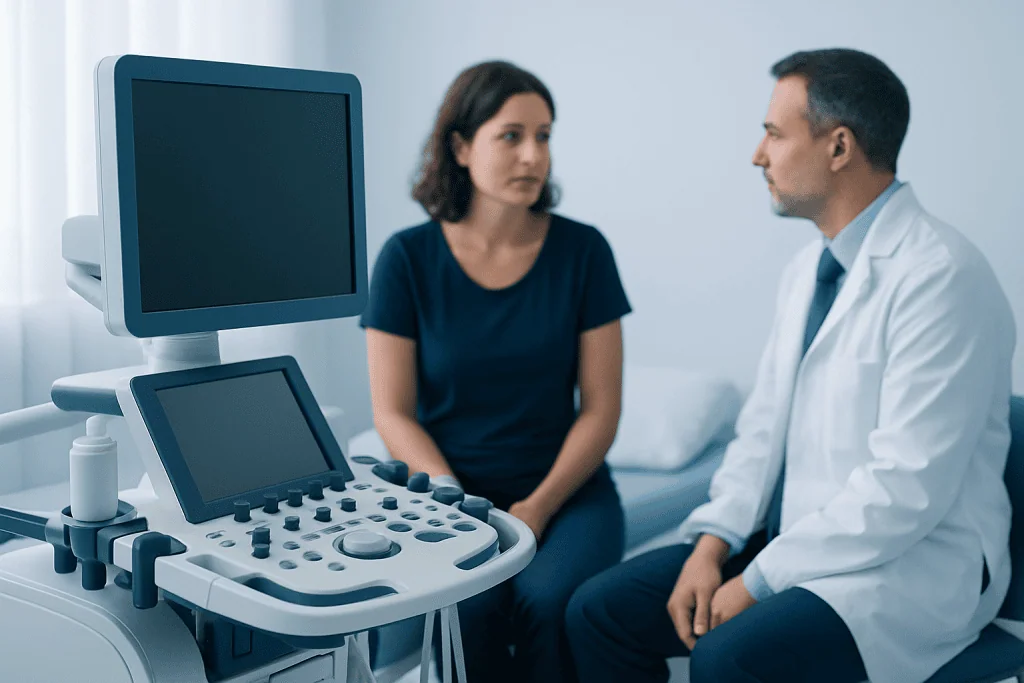
PMDD symptoms can look different from one person to another, but they often include prominent mood changes. A person may feel suddenly tearful, unusually angry, hopeless, tense, or overwhelmed in the days before a period. Some describe feeling unlike themselves for a predictable part of every cycle.
Emotional and behavioral symptoms may include trouble concentrating, loss of interest in usual activities, social withdrawal, increased conflict with others, changes in appetite, and sleep problems. Fatigue is also common, and some people feel mentally slowed or unable to manage routine tasks.
Physical symptoms can occur at the same time. These may include:
- Bloating or a feeling of abdominal fullness
- Breast tenderness or swelling
- Headache
- Joint or muscle aches
- Changes in sleep
- Food cravings or appetite changes
- Low energy
The timing matters. PMDD symptoms usually follow a cyclical pattern, appearing after ovulation, worsening before menstruation, and then easing once the period begins. If symptoms are present throughout the month without this pattern, a doctor may consider another explanation or a coexisting condition.
PMDD vs PMS: Why the Difference Matters

People often use PMS and PMDD interchangeably, but they are not the same. PMS can cause mild to moderate physical or emotional discomfort before a period. PMDD is more severe and is defined by symptoms that meaningfully interfere with daily function, relationships, school, or work.
One of the most important differences is the intensity of mood symptoms. In PMDD, irritability, depression, anxiety, or sudden mood shifts may become the dominant problem. A person may find it difficult to communicate, care for responsibilities, or feel emotionally steady during the premenstrual phase.
This distinction matters because treatment decisions may differ. A person with occasional mild PMS may benefit mainly from self-care and symptom tracking, while PMDD often calls for a more structured medical evaluation. Doctors may also check for conditions that can mimic or worsen premenstrual symptoms, such as thyroid disorders, anemia, or underlying depression.
Possible Causes and Risk Factors
The exact cause of PMDD is not fully understood, but experts believe it is related to an increased sensitivity to normal hormonal fluctuations, especially after ovulation. In other words, hormone levels may be within the expected range, yet the brain and body respond in a way that triggers significant symptoms.
Chemical messengers in the brain, including serotonin, are thought to play an important role. This may help explain why mood symptoms are so prominent and why some treatments that affect serotonin can be useful. PMDD is therefore not simply a gynecologic issue or simply a mental health issue; it involves interactions between hormones, the brain, and overall health.
Some factors may increase the likelihood of PMDD or make symptoms feel more intense. These include a personal or family history of mood disorders, high stress, poor sleep, and other health conditions that affect hormonal or emotional balance. Symptoms may also be confused with or worsen alongside cycle-related issues such as endometriosis or heavy painful periods.
Keeping a symptom diary can help identify patterns and triggers. For example, some people notice that poor sleep, alcohol use, major stress, or skipped meals make the premenstrual phase harder to manage, even though these factors do not cause PMDD on their own.
How PMDD Is Diagnosed
There is no single blood test or scan that confirms PMDD. Diagnosis usually depends on a careful medical history, review of symptoms, and tracking those symptoms over time. A doctor will ask when symptoms begin, how long they last, how severe they are, and how much they interfere with daily life.
Symptom tracking across at least two menstrual cycles is often a key part of diagnosis. This helps show whether symptoms follow the characteristic premenstrual pattern and improve once menstruation starts. Written tracking or an app can be useful if it records both emotional and physical symptoms each day.
Doctors also try to rule out other conditions or identify problems that may coexist with PMDD. Depending on the person’s symptoms, this may include assessment for anxiety, mood disorders, thyroid problems, sleep disorders, or gynecologic concerns. In some cases, a gynecologic evaluation or women’s health check-up and diagnostics may be recommended to provide a fuller picture.
Treatment Options for PMDD Symptoms
Treatment is tailored to symptom severity, personal health history, pregnancy plans, and whether mood or physical symptoms are most disruptive. Many people do best with a combination approach rather than relying on just one strategy. A doctor may coordinate care with gynecology, primary care, and mental health professionals when needed.
Lifestyle measures can help support treatment. Regular exercise, consistent sleep, stress management, balanced meals, and limiting alcohol may reduce symptom intensity for some people. These steps are valuable, but they may not be enough on their own when symptoms are severe.
Medical treatment may include selected antidepressant medicines, especially those that affect serotonin, hormonal therapies that suppress ovulation in some cases, or treatment of specific physical symptoms such as pain or headaches. For some patients, counseling such as cognitive behavioral therapy can help improve coping, identify patterns, and reduce the impact of recurring symptoms. If symptoms are strongly linked to menstrual cycles, a specialist may discuss gynecology care and, when relevant, options used in broader women’s health services.
Because PMDD can affect both emotional wellbeing and reproductive health, follow-up matters. Treatment may need adjustment over time, especially if symptoms change, pregnancy is being planned, or another condition is discovered.
Self-care and Daily Support Strategies
Self-care does not replace diagnosis, but it can make symptoms more manageable and help a person feel more prepared for the part of the cycle when symptoms tend to appear. A practical first step is to track the menstrual cycle along with mood, energy, sleep, pain, appetite, and major stressors. This can help confirm patterns and support more focused conversations with a doctor.
Many people benefit from building extra support into the premenstrual phase. That may include simplifying schedules, planning rest, preparing easy meals, limiting known triggers, and letting trusted family members know when symptoms tend to peak. Small adjustments can reduce stress during the days when concentration and patience are lower.
Helpful daily strategies may include:
- Regular physical activity
- Consistent sleep and wake times
- Balanced meals and adequate hydration
- Relaxation practices such as breathing exercises or mindfulness
- Reducing alcohol and avoiding smoking
- Seeking counseling if symptoms affect coping or relationships
If PMDD symptoms are frequent or severe, self-care should be viewed as supportive rather than sufficient treatment. Persistent distress deserves professional evaluation so that other causes are not missed and effective options can be discussed.
When to Seek Medical Care
Medical care is appropriate when pmdd symptoms are interfering with work, school, relationships, sleep, or everyday activities. It is also wise to seek care if symptoms are becoming more severe, if the pattern is unclear, or if over-the-counter approaches and lifestyle changes are not enough.
A prompt evaluation is especially important if there is significant depression, panic, hopelessness, or thoughts of self-harm at any time in the cycle. These symptoms deserve urgent attention and should not be managed alone. If immediate safety is a concern, emergency help should be sought right away.
It is also helpful to see a doctor when premenstrual symptoms occur together with very painful periods, unusually heavy bleeding, or pelvic pain, because another gynecologic condition may be present. Near the end of the evaluation process, some patients choose care in specialized centers; Acibadem International’s multidisciplinary specialists and JCI-accredited hospitals diagnose and treat menstrual and women’s health conditions for international patients.
Frequently asked questions
What are the main PMDD symptoms?
The main PMDD symptoms are severe mood changes before a period, especially irritability, anxiety, sadness, and sudden emotional shifts. Many people also have physical symptoms such as bloating, breast tenderness, headaches, fatigue, and sleep changes.
How is PMDD different from PMS?
PMDD is more severe than PMS and has a stronger effect on daily functioning. The emotional symptoms are usually more intense and can interfere with work, relationships, school, or normal routines.
When do PMDD symptoms usually happen?
PMDD symptoms usually appear after ovulation, during the second half of the menstrual cycle. They often improve within a few days after menstruation starts and are much less noticeable during the rest of the month.
Can PMDD symptoms include depression or anxiety?
Yes, depression- and anxiety-like symptoms are common in PMDD. Because these symptoms can overlap with other mental health conditions, a doctor may recommend tracking them over several cycles to see whether they follow a clear premenstrual pattern.
How do doctors diagnose PMDD?
Doctors diagnose PMDD mainly by reviewing symptoms, menstrual timing, and the effect on daily life. Tracking symptoms for at least two cycles is often an important part of diagnosis, and other conditions may need to be ruled out.
What treatments can help PMDD symptoms?
Treatment may include lifestyle measures, counseling, selected antidepressant medicines, and hormonal treatments depending on the person’s needs. Many people benefit most from a combination of symptom tracking, medical care, and supportive self-care habits.
References
- American College of Obstetricians and Gynecologists
- National Institute of Mental Health
- Mayo Clinic
- Office on Women's Health
- World Health Organization
This article is for general information only and is not a substitute for professional medical advice. Please consult a qualified doctor about your individual situation.
Explore treatments in Turkey — costs, top hospitals & a free quote
JCI-accredited · board-certified surgeons · reply within 24h
Add us as a Preferred Source to see more of our trusted health content across Google Search, AI Overviews and Discover.
Check your numbers in seconds
BMI, calories, due date, blood pressure and 30+ more clinical calculators — free, instant, doctor-reviewed ranges.