Pms Symptoms: Possible Causes and When to Seek Care

Pms symptoms usually begin after ovulation and improve when the period starts or soon after. Common symptoms include bloating, breast tenderness, mood changes, fatigue, headaches, and food cravings.
Key Takeaways
- Pms symptoms usually begin after ovulation and improve when the period starts or soon after.
- Common symptoms include bloating, breast tenderness, mood changes, fatigue, headaches, and food cravings.
- Tracking symptoms across at least two menstrual cycles can help confirm a PMS pattern.
- Lifestyle measures, stress management, and medical treatment can reduce symptoms when needed.
- Medical care is important if symptoms are severe, new, unpredictable, or interfere with daily life.
Pms symptoms are the physical, emotional, and behavioral changes that happen in the days or two weeks before a menstrual period. They are common and often improve with lifestyle measures, but severe, worsening, or disruptive symptoms should be discussed with a doctor.
Overview: what pms symptoms mean
Pms symptoms are a group of physical, emotional, and behavioral changes that appear before menstruation and tend to settle once bleeding begins or shortly afterward. PMS stands for premenstrual syndrome. For many people, symptoms are mild and manageable, but for others they can affect work, school, sleep, relationships, and general well-being.
The pattern matters as much as the symptoms themselves. PMS typically happens during the second half of the menstrual cycle, after ovulation, and returns in a similar way month after month. This timing helps distinguish it from other conditions that can cause similar problems at any point in the month.
PMS is not simply “part of having a period,” and it should not be dismissed if symptoms are distressing. There are practical ways to evaluate it and a range of treatments that can help. In some cases, symptoms that seem like PMS may actually reflect another issue, such as a thyroid disorder, depression, anxiety, or a gynecologic condition that needs attention.
Common pms symptoms
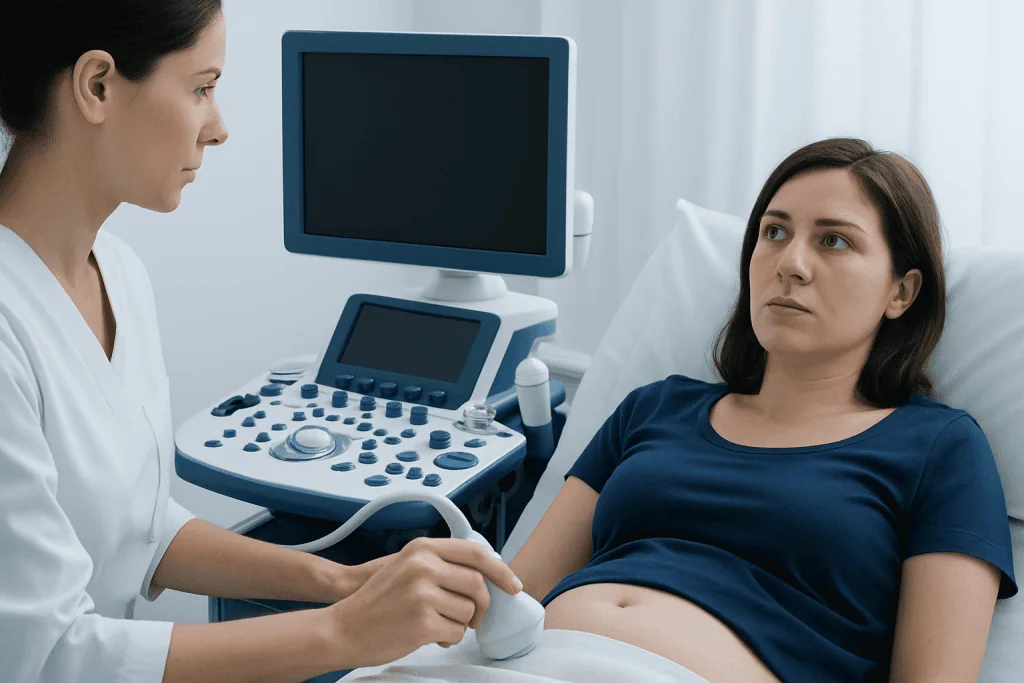
Pms symptoms can vary from one person to another and may also change over time. Some people mostly notice physical discomfort, while others are more affected by mood or energy changes. Symptoms usually start 5 to 14 days before a period and improve when menstruation begins.
Common physical symptoms include bloating, breast tenderness, headaches, acne flares, constipation or diarrhea, fatigue, joint or muscle aches, and trouble sleeping. Appetite changes and cravings, especially for salty or sweet foods, are also common. Some people feel more sensitive to pain or more physically uncomfortable than usual during this time.
Emotional and behavioral symptoms may include irritability, mood swings, feeling tearful, anxiety, low mood, difficulty concentrating, and reduced interest in usual activities. These symptoms can overlap with stress, depression, or anxiety disorders, which is why symptom timing and pattern are important.
- Bloating or a feeling of water retention
- Breast swelling or tenderness
- Headaches or migraine worsening before a period
- Fatigue or low energy
- Irritability, sadness, or anxiety
- Food cravings and appetite changes
- Sleep problems
- Difficulty focusing
Why pms symptoms happen
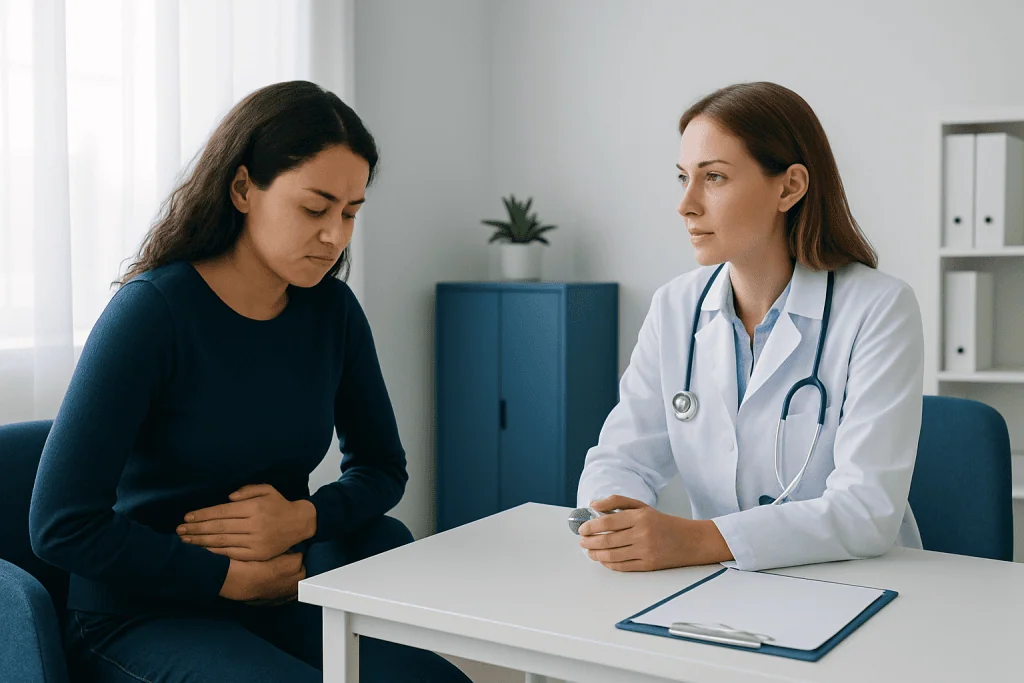
The exact cause of PMS is not completely understood, but it is closely linked to normal hormonal changes during the menstrual cycle. After ovulation, estrogen and progesterone levels rise and then fall if pregnancy does not occur. In some people, the brain and body appear to be more sensitive to these hormone shifts, leading to symptoms.
Chemicals in the brain, especially serotonin, may also play a role. Serotonin affects mood, sleep, appetite, and pain perception, so changes in how the body responds to it may help explain emotional symptoms, cravings, and tiredness. Fluid balance, inflammation, and individual differences in stress response may contribute as well.
PMS is not caused by doing something wrong, and it is not a sign of weakness. However, symptoms can feel worse when other factors are present, including poor sleep, high stress, limited physical activity, smoking, or an unbalanced diet. Severe premenstrual mood symptoms may sometimes suggest premenstrual dysphoric disorder rather than typical PMS.
Risk factors and conditions that can look similar
Certain factors can make PMS more likely or more noticeable. These include a personal or family history of depression, anxiety, or postpartum mood changes, higher stress levels, sleep difficulties, and being in the late 20s to 40s, though PMS can occur at other reproductive ages too. Symptoms may also change after pregnancy or with age.
Several health conditions can cause symptoms that overlap with PMS. For example, heavy or painful periods may point to endometriosis or other gynecologic disorders. Ongoing low mood, panic symptoms, or irritability throughout the month may be related to a mental health condition rather than PMS alone. Thyroid problems, anemia, perimenopause, and medication side effects can also mimic or worsen premenstrual symptoms.
This is why doctors usually ask whether symptoms are present only before a period or continue through the rest of the month. If symptoms are new, severe, or unpredictable, a broader medical assessment may be helpful to rule out another cause and guide treatment appropriately.
How pms symptoms are diagnosed
There is no single blood test or scan that confirms PMS. Diagnosis is mainly based on a clear symptom pattern over time. A doctor will usually ask what symptoms occur, when they start, when they improve, how intense they are, and whether they affect daily activities.
Keeping a daily symptom diary for at least two menstrual cycles is often one of the most useful tools. This can include mood changes, physical symptoms, sleep, bleeding dates, and anything that seems to trigger or relieve symptoms. A diary helps show whether the symptoms consistently happen in the luteal phase, which is the time between ovulation and the period.
Depending on the symptoms, a doctor may recommend a pelvic exam, pregnancy test, or lab tests to look for thyroid disease, anemia, or other issues. If periods are very painful, very heavy, or associated with pelvic pain, further gynecologic evaluation may be advised, sometimes including gynecology evaluation and care to assess the menstrual cycle more fully.
Treatment options that may help
Treatment depends on how severe the symptoms are and which symptoms are most troublesome. Many people benefit from a combination of lifestyle changes and medical support. Even when PMS is common, treatment is worthwhile if symptoms reduce quality of life.
Regular exercise, good sleep habits, stress reduction, and balanced meals can make a meaningful difference for some people. Limiting excess salt may help bloating, and reducing caffeine or alcohol may improve sleep, irritability, or breast discomfort in some cases. Not every strategy works for everyone, so it may take time to find the right approach.
When symptoms are moderate to severe, doctors may suggest medicines or other therapies. These can include pain relievers for cramps or headaches, hormonal birth control to suppress ovulation in some patients, or selective serotonin reuptake inhibitors for mood-related symptoms. If symptoms include significant anxiety, depression, or marked impairment before periods, specialist input such as psychiatric assessment and support may be appropriate.
If another condition is suspected, treatment should focus on that cause as well. For example, people with persistent pelvic pain or very painful periods may need assessment through obstetrics and gynecology care rather than assuming PMS is the only explanation.
Self-care and prevention strategies
Although PMS cannot always be prevented completely, self-care can reduce symptom intensity and make cycles more predictable. Tracking symptoms, sleep, stress, and eating patterns can help identify what is most likely to help. Some people notice their symptoms worsen during stressful months or when sleep is poor.
Useful habits often include regular physical activity, eating meals at consistent times, staying hydrated, and aiming for sufficient sleep. Relaxation techniques such as breathing exercises, yoga, or mindfulness may help with irritability, tension, and sleep quality. Gentle movement can also improve bloating and low energy.
It is also helpful to plan ahead if symptoms are predictable. For example, scheduling extra rest, preparing simple nutritious meals, and reducing nonessential commitments in the days before a period can lessen the impact on daily life. Symptom tracking can also make conversations with a doctor more precise and productive.
- Track symptoms daily for two or more cycles
- Exercise most days of the week if possible
- Prioritize regular sleep and stress management
- Eat balanced meals and limit excess salt, alcohol, or caffeine if these worsen symptoms
- Seek medical advice rather than self-diagnosing severe symptoms
When to seek medical care
Medical advice is a good idea if pms symptoms are severe, getting worse, or interfering with work, school, relationships, or sleep. Care is also important if over-the-counter measures are not helping, if mood symptoms feel overwhelming, or if symptoms are not clearly linked to the days before a period.
A person should seek prompt medical attention for thoughts of self-harm, severe depression, chest pain, fainting, sudden severe headache, or unusually heavy bleeding. These symptoms are not typical PMS and need urgent assessment. It is also important to speak with a doctor if periods are very painful, cycles become irregular, or symptoms start for the first time later in adult life.
Near the end of evaluation and treatment planning, coordinated care can be useful when symptoms involve both physical and emotional health. Acibadem International’s multidisciplinary specialists and JCI-accredited hospitals diagnose and treat menstrual and hormone-related concerns for international patients, with referrals tailored to each person’s symptoms and needs.
Frequently asked questions
How long do pms symptoms usually last?
Pms symptoms usually begin in the second half of the menstrual cycle, often 5 to 14 days before a period. They commonly improve when bleeding starts or within the first few days of menstruation.
Can pms symptoms change from month to month?
Yes. The type and intensity of symptoms can vary from one cycle to the next, and stress, sleep, illness, and age may influence how symptoms feel. Even so, PMS usually follows a similar pattern in relation to the menstrual cycle.
What is the difference between PMS and PMDD?
PMS includes premenstrual physical and emotional symptoms that may be mild to moderate. PMDD, or premenstrual dysphoric disorder, is a more severe condition in which mood symptoms such as irritability, depression, or anxiety significantly disrupt daily life and relationships.
Do pms symptoms mean a period is definitely coming?
Often they do, but not always. Symptoms like bloating, breast tenderness, or mood changes can also occur with stress, hormonal fluctuations, perimenopause, or other medical conditions, so pattern tracking is more reliable than a single month of symptoms.
Can lifestyle changes really help pms symptoms?
For many people, yes. Regular exercise, better sleep, stress management, and balanced eating habits can reduce the severity of bloating, fatigue, mood changes, and headaches, although some people also need medical treatment.
Should someone see a doctor for pms symptoms?
A doctor should be consulted if symptoms are severe, new, getting worse, or affecting normal life. Medical advice is also important when symptoms are not limited to the days before a period or when there is heavy bleeding, severe pain, or major mood changes.
This article is for general information only and is not a substitute for professional medical advice. Please consult a qualified doctor about your individual situation.
Explore treatments in Turkey — costs, top hospitals & a free quote
JCI-accredited · board-certified surgeons · reply within 24h
Add us as a Preferred Source to see more of our trusted health content across Google Search, AI Overviews and Discover.
Check your numbers in seconds
BMI, calories, due date, blood pressure and 30+ more clinical calculators — free, instant, doctor-reviewed ranges.

More from the Health Library

Itchy Bumps on Skin Like Mosquito Bites But Aren’t: Common Causes, Related Conditions, and When to See a Doctor

Can You Have Surgery with a Cold? A Doctor-Reviewed Answer

Can You Get a Bladder Infection From Holding Your Urine? Causes, Explanations, and Next Steps
Coughing and Can’t Stop Explained: Common Triggers and Red Flags

Tizanidine vs Cyclobenzaprine: Key Differences and How Doctors Tell Them Apart