Polydipsia: What Patients Need to Know

Polydipsia refers to unusually strong or persistent thirst. Common causes include dehydration, high blood sugar, certain medicines, and hormone or kidney-related disorders.
Key Takeaways
- Polydipsia refers to unusually strong or persistent thirst.
- Common causes include dehydration, high blood sugar, certain medicines, and hormone or kidney-related disorders.
- Polydipsia often occurs together with frequent urination, especially in diabetes and some water-balance disorders.
- Diagnosis focuses on medical history, fluid intake, symptoms, blood tests, and urine tests.
- Treatment depends on the cause rather than thirst alone.
- Persistent excessive thirst or thirst with weight loss, weakness, or confusion needs prompt medical advice.
Polydipsia means excessive thirst that goes beyond normal needs after heat, exercise, or salty foods. It can happen for simple reasons such as dehydration, but it may also be a sign of an underlying medical condition that should be assessed by a doctor.
Overview: what polydipsia means
Polydipsia is the medical term for excessive thirst. It describes a level of thirst that feels unusually strong, lasts longer than expected, or leads a person to drink much more fluid than usual. In many cases, it is the body’s normal response to fluid loss. In others, it can be a clue that the body is having trouble regulating blood sugar, salt balance, or water balance.
Thirst normally rises after exercise, hot weather, fever, vomiting, diarrhea, or eating salty foods. Polydipsia is different because it may continue even when these triggers are not present or after fluid needs should already be met. Some people notice a dry mouth, while others simply feel they cannot quench their thirst.
On its own, polydipsia is a symptom, not a disease. The possible causes range from mild and temporary to conditions that need medical attention. Understanding the pattern of thirst, related symptoms, and overall health can help identify whether the problem is due to lifestyle factors, medicines, or an underlying illness.
Symptoms and related signs
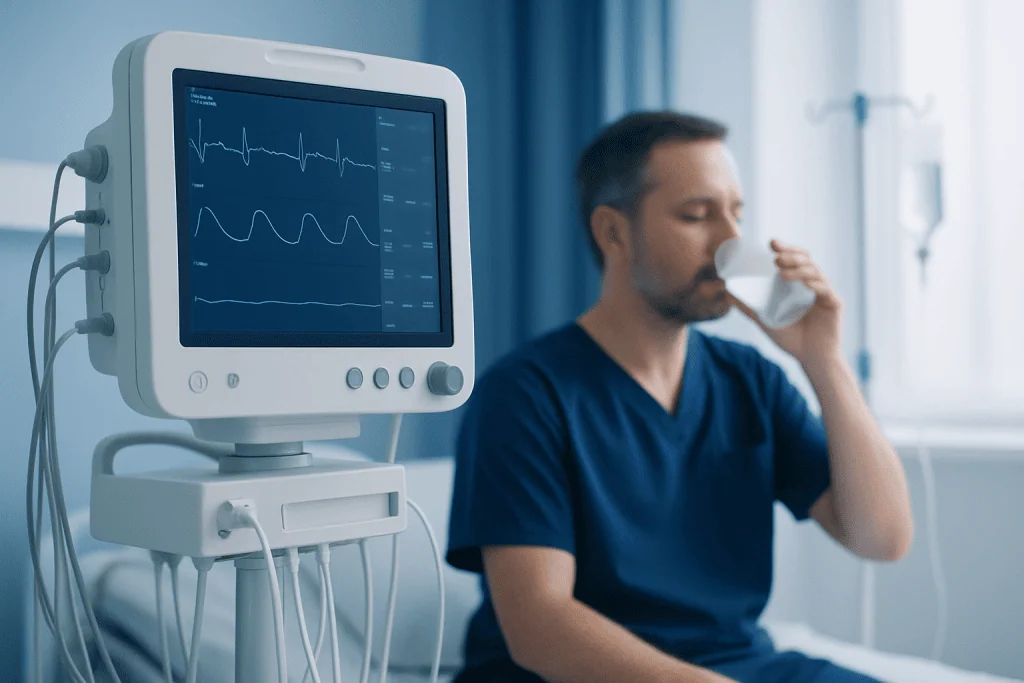
The main symptom of polydipsia is persistent or excessive thirst. A person may feel the need to drink water repeatedly throughout the day or wake at night to drink. Some describe needing to carry water constantly or feeling thirsty again soon after drinking.
Polydipsia often appears alongside other symptoms, and these can offer important clues about the cause. Frequent urination is one of the most common associated signs. This combination may occur when the kidneys are removing excess sugar or when the body cannot concentrate urine properly.
Other symptoms that may occur with excessive thirst include:
- Dry mouth or sticky feeling in the mouth
- Frequent urination, including during the night
- Fatigue or low energy
- Blurred vision
- Headache
- Dizziness or lightheadedness
- Unexplained weight loss
- Nausea or general weakness
If thirst is severe and occurs with vomiting, confusion, rapid breathing, or marked weakness, urgent medical assessment is important. These symptoms can suggest significant dehydration or serious metabolic imbalance.
Common causes and risk factors

One of the most common reasons for polydipsia is dehydration. This may follow heavy sweating, hot weather, fever, vomiting, diarrhea, or not drinking enough fluids. Blood loss and some infections can also increase thirst as the body tries to restore fluid balance.
High blood sugar is another major cause. In diabetes, glucose builds up in the blood and the kidneys draw more water into the urine, leading to frequent urination and increased thirst. In some people, excessive thirst is one of the first signs that diabetes may be present. Related endocrine disorders can also affect thirst and water balance, which is why testing may include evaluation for hormonal conditions.
Polydipsia may also result from problems with the hormone system that regulates water. In diabetes insipidus, the body either does not make enough antidiuretic hormone or does not respond to it properly. This causes the kidneys to pass large volumes of dilute urine, which then triggers intense thirst. Kidney disease, high calcium levels, low potassium, and certain neurological conditions can also disrupt water regulation.
Some medicines can contribute as well. Diuretics, lithium, some antipsychotic medicines, and drugs that cause dry mouth may increase fluid intake. Risk factors include a history of diabetes, kidney problems, endocrine disorders, long-term medication use, older age, and mental health conditions that may be linked with psychogenic or primary polydipsia, where a person drinks more fluid than the body needs.
How doctors diagnose polydipsia
Diagnosis begins with a careful history. A doctor will usually ask when the thirst started, how much fluid is being consumed, whether urination has changed, and whether symptoms such as weight loss, fever, diarrhea, or medication changes are present. This step helps distinguish simple dehydration from a more complex medical cause.
The physical examination may look for signs of dehydration, changes in blood pressure, dry mucous membranes, or clues to endocrine or kidney-related disease. Patients may be asked to estimate daily fluid intake and urine output. Keeping a short symptom diary before the appointment can be helpful.
Laboratory testing often includes blood glucose, electrolytes, kidney function, and urine analysis. Depending on the findings, a doctor may order additional testing to assess hormones involved in water balance. In selected cases, specialist assessment in endocrinology and metabolic diseases or check-up and screening may be useful to clarify the cause and guide treatment.
The aim of diagnosis is not just to confirm excessive thirst, but to understand why it is happening. Because causes differ widely, treatment is most effective when it addresses the underlying issue rather than fluid intake alone.
Treatment options and symptom management
Polydipsia treatment depends on its cause. If thirst is due to dehydration, replacing fluids and treating the reason for fluid loss may be enough. For example, recovery from a stomach illness, fever, or heat exposure often improves thirst once the body’s balance is restored.
When polydipsia is linked to high blood sugar, treatment focuses on blood glucose control. This may involve lifestyle changes, monitoring, and diabetes care under medical supervision. If needed, broader evaluation by internal medicine specialists can help coordinate testing and long-term management of related conditions.
If a medicine is contributing, a doctor may review whether another option is more suitable. People should not stop prescription medication on their own without medical advice. In disorders such as diabetes insipidus, treatment may include specific medicines and close monitoring of fluid and electrolyte balance.
For primary polydipsia, care may include structured fluid guidance and management of contributing psychological or behavioral factors. The safest approach is individualized, since both over-drinking and under-drinking can be harmful depending on the cause.
Self-care, daily habits, and prevention
Not all cases of excessive thirst can be prevented, but some practical steps support healthy fluid balance. Drinking regularly in hot weather, during exercise, or when ill can reduce dehydration. Water is usually the best choice for routine hydration, while sugary drinks may worsen thirst in people with high blood sugar.
It can also help to pay attention to patterns. Persistent thirst with frequent urination, nighttime waking to urinate, or new fatigue should not be ignored. Keeping track of how much is being drunk each day, along with urine frequency and any associated symptoms, can make a medical evaluation more precise.
People with diabetes or kidney disease should follow their clinician’s advice about fluids, monitoring, and regular checkups. Those taking medicines known to affect urination or dry the mouth should mention new symptoms promptly. Avoid making major changes to daily fluid intake unless a doctor has recommended them, especially if there is a known endocrine, heart, or kidney condition.
Near the end of the diagnostic journey, some patients benefit from multidisciplinary care. Acibadem International’s multidisciplinary specialists in JCI-accredited hospitals diagnose and treat conditions linked to excessive thirst for international patients when coordinated specialist assessment is needed.
When to seek medical care
Medical advice is appropriate if polydipsia lasts for several days, keeps returning, or is clearly out of proportion to activity, temperature, or diet. A person should also arrange an evaluation if thirst is paired with frequent urination, blurred vision, tiredness, or unexplained weight loss, since these may point to diabetes or another metabolic problem.
Prompt care is especially important for children, older adults, pregnant people, and anyone with known diabetes, kidney disease, or hormone disorders. Dehydration can develop more quickly in these groups, and symptoms may be less specific.
Urgent medical attention is needed if excessive thirst occurs with confusion, fainting, severe weakness, persistent vomiting, shortness of breath, or signs of severe dehydration such as very little urination. These symptoms can indicate a serious disturbance in fluid balance, blood sugar, or electrolytes and should be assessed without delay.
Frequently asked questions
Is polydipsia the same as normal thirst?
No. Normal thirst usually improves after drinking enough fluid or after the body cools down. Polydipsia is more persistent, often stronger than expected, and may continue even when usual fluid needs have been met.
Can polydipsia be a sign of diabetes?
Yes, it can. Excessive thirst together with frequent urination is a common symptom of diabetes because high blood sugar causes the body to lose more water in urine. A doctor can check this with blood and urine tests.
What is the difference between polydipsia and diabetes insipidus?
Polydipsia is a symptom, meaning excessive thirst. Diabetes insipidus is one possible cause of that symptom and happens when the body cannot regulate water properly, leading to large amounts of dilute urine and intense thirst.
Can drinking too much water be harmful?
Yes, in some situations it can be. Very high fluid intake can dilute sodium levels in the blood and cause serious symptoms, especially if the body cannot regulate water normally. This is why ongoing excessive thirst should be evaluated rather than managed by simply drinking more.
Which tests are usually done for excessive thirst?
Doctors often start with blood glucose, electrolytes, kidney function tests, and a urine test. Depending on the results and symptoms, they may also check hormones involved in fluid balance or recommend further specialist evaluation.
When should someone worry about polydipsia?
Polydipsia should be assessed if it is persistent, unexplained, or comes with frequent urination, weight loss, fatigue, or blurred vision. Urgent care is important if there is confusion, severe weakness, vomiting, or signs of serious dehydration.
This article is for general information only and is not a substitute for professional medical advice. Please consult a qualified doctor about your individual situation.
Explore treatments in Turkey — costs, top hospitals & a free quote
JCI-accredited · board-certified surgeons · reply within 24h
Add us as a Preferred Source to see more of our trusted health content across Google Search, AI Overviews and Discover.
Check your numbers in seconds
BMI, calories, due date, blood pressure and 30+ more clinical calculators — free, instant, doctor-reviewed ranges.

More from the Health Library

Baby Sleeping — Explained by Medical Evidence, Not Myths

Phenylephrine Hcl: An Evidence-Based Guide for Patients

The Branched Structure of Glycogen and Energy Storage

Microscopic Inflammation Colon — Explained by Medical Evidence, Not Myths

Psyllium Husk Powder: An Evidence-Based Guide for Patients