Polysubstance Abuse: A Complete Medical Overview

Polysubstance abuse involves more than one substance and can be intentional or unintentional. Combining substances may intensify sedation, breathing problems, heart strain, and overdose risk.
Key Takeaways
- Polysubstance abuse involves more than one substance and can be intentional or unintentional.
- Combining substances may intensify sedation, breathing problems, heart strain, and overdose risk.
- Diagnosis looks at the full pattern of use, coexisting mental health concerns, and medical complications.
- Treatment often combines detox support, counseling, medication when appropriate, and long-term follow-up.
- Urgent medical care is needed for overdose signs such as slowed breathing, confusion, seizures, or unresponsiveness.
Polysubstance abuse means using more than one substance, either at the same time or within a similar period, in ways that increase harm. It can involve alcohol, prescription medicines, illicit drugs, nicotine, or cannabis, and it often raises the risk of overdose, dependence, and mental or physical health complications.
Overview
Polysubstance abuse is the repeated use of more than one psychoactive substance in a harmful way. A person may take two or more substances at the same time, such as alcohol with sedatives, or may cycle between substances over days or weeks. In both situations, the combined effects can make health risks more serious than with a single substance alone.
This pattern of use can involve alcohol, opioids, stimulants, cannabis, nicotine, prescription medicines, or other drugs. Sometimes the combination is deliberate, such as using one substance to enhance or soften the effects of another. In other cases, it is unintentional, for example when a person mixes prescription medication with alcohol without realizing the danger.
Polysubstance abuse matters medically because different substances can interact in unpredictable ways. Some combinations suppress breathing and consciousness, while others increase agitation, blood pressure, or abnormal heart rhythms. The overall effect depends on the substances used, the amount, the person’s age, general health, and whether there are underlying conditions such as anxiety, depression, or chronic pain.
How polysubstance abuse affects the body
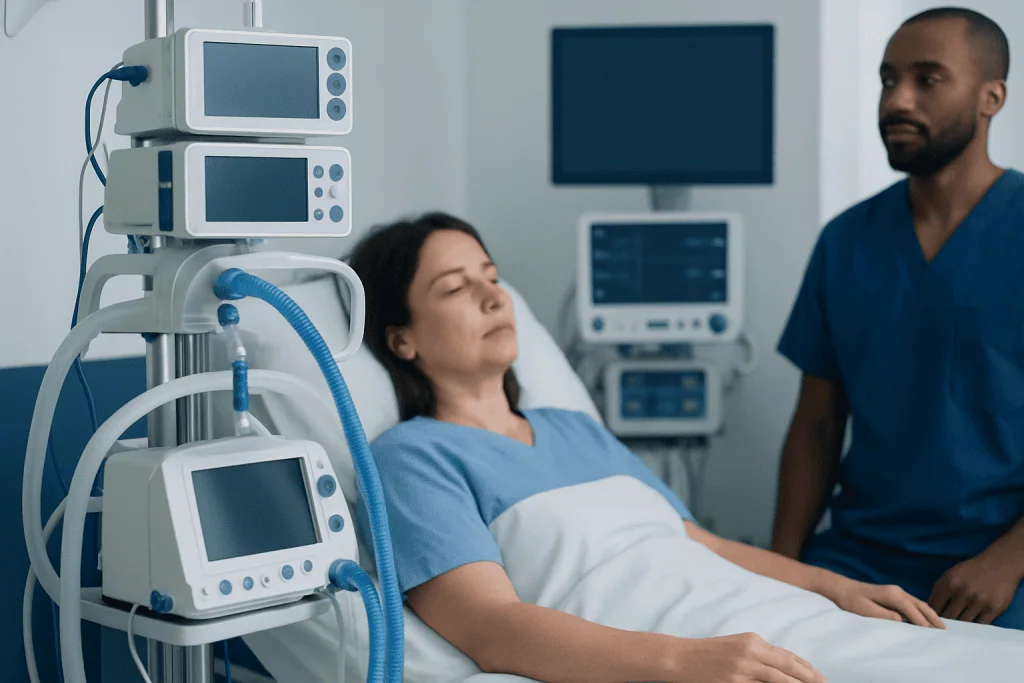
Using multiple substances can affect nearly every organ system. Alcohol, opioids, benzodiazepines, and some sleep medications all slow the central nervous system. When taken together, they may amplify drowsiness and suppress breathing, which is one of the main reasons combined use can become life-threatening.
Other combinations place strain on the heart and brain. Stimulants such as cocaine or methamphetamine may increase heart rate, blood pressure, body temperature, and anxiety. If stimulants are combined with alcohol or other drugs, the person may misjudge how intoxicated they are, take more than intended, or develop dangerous complications such as chest pain, arrhythmias, or severe agitation.
Longer-term polysubstance abuse can also affect memory, mood, sleep, appetite, liver function, immune health, and hormone balance. It may worsen existing psychiatric conditions or contribute to new symptoms such as panic, depression, irritability, or psychosis. Because effects can overlap, people may not always recognize that multiple substances are driving their symptoms.
Symptoms and warning signs

The signs of polysubstance abuse vary depending on the substances involved, but common changes include mood swings, poor concentration, secrecy around substance use, social withdrawal, declining performance at work or school, and risky behavior. Physical clues can include unsteady walking, slurred speech, unusually large or small pupils, tremors, changes in sleep, frequent nausea, or unexplained injuries.
Family members or caregivers may notice that a person seems intoxicated in ways that do not match one substance alone. For example, someone may appear both sedated and restless, or may have severe confusion after using a medication that previously seemed familiar. Tolerance can also develop, meaning the person needs more of one or more substances to achieve the same effect.
Warning signs of a possible overdose or acute medical emergency include:
- Slow, shallow, or stopped breathing
- Blue or gray lips or fingertips
- Severe drowsiness or inability to wake up
- Seizures
- Chest pain or collapse
- Extreme agitation, paranoia, or hallucinations
- Vomiting with reduced consciousness
These symptoms need immediate medical attention. Rapid assessment is especially important because the person may not know exactly what substances were taken.
Causes and risk factors
There is no single cause of polysubstance abuse. It usually develops through a combination of biological, psychological, and social factors. Some people begin with one substance and later add another to manage withdrawal, improve sleep, increase energy, or cope with emotional distress. Others may use what is available in their environment, especially when substances are shared socially.
Several risk factors can increase vulnerability. These include a personal or family history of substance use disorder, trauma, chronic stress, depression, anxiety, attention difficulties, untreated pain, and early exposure to drugs or alcohol. Social isolation, unstable housing, financial strain, and limited access to mental health care may also contribute.
Prescription medications deserve special attention. Using opioids, sedatives, anti-anxiety medicines, or sleeping pills outside medical guidance can be risky, especially when mixed with alcohol or illicit drugs. A person living with depression or another mental health condition may also be at higher risk if symptoms are not being treated in a coordinated way.
Polysubstance abuse can occur in any age group, but patterns differ. Younger adults may be more likely to combine substances in social settings, while older adults may be at risk because of multiple prescriptions, alcohol use, and age-related changes in metabolism. In every age group, stigma can delay care.
How doctors diagnose it
Diagnosis is based on a careful clinical assessment rather than a single test. A doctor will ask about all substances used, including alcohol, prescription medicines, over-the-counter products, nicotine, cannabis, and recreational drugs. The timing of use matters because interactions may happen even when substances are not taken at exactly the same moment.
The evaluation usually includes questions about cravings, tolerance, withdrawal symptoms, mental health, sleep, pain, and past treatment. Doctors may also ask about injuries, legal problems, work issues, or relationship strain, because substance use disorders often affect daily functioning as well as physical health.
Physical examination and laboratory tests can help identify complications. Depending on the situation, clinicians may use blood tests, toxicology screening, liver and kidney function tests, heart monitoring, or imaging studies. If symptoms suggest related conditions, the care team may also evaluate for alcohol addiction or other substance-specific disorders.
A full diagnosis often looks beyond intoxication alone. It may include coexisting anxiety, trauma-related symptoms, chronic pain, or medical illnesses that influence substance use. This broad assessment helps shape a safer and more effective treatment plan.
Treatment options and recovery planning
Treatment for polysubstance abuse is individualized because each substance combination carries different risks. The first priority is safety. Some people need supervised withdrawal management or hospital-based care, especially if they have used alcohol, benzodiazepines, opioids, or large amounts of multiple substances. In these cases, intensive care or close inpatient monitoring may be needed to support breathing, circulation, and withdrawal symptoms.
After immediate stabilization, treatment often combines medical care with psychological support. This may include individual counseling, group therapy, family support, relapse-prevention planning, and treatment for coexisting mental health conditions. For selected substance use disorders, doctors may recommend medicines that reduce cravings, support withdrawal, or help maintain recovery.
Integrated care is especially important because treating only one substance may leave the larger pattern unchanged. For example, a person may reduce opioid use but increase alcohol or sedative use if underlying anxiety, insomnia, or pain remains unaddressed. A team-based plan may involve addiction specialists, psychiatrists, internists, psychologists, and social workers, as well as psychiatry support when mental health symptoms are significant.
Recovery is usually a long-term process rather than a single event. Follow-up visits, therapy, peer support, family involvement, and attention to housing, employment, and sleep can all support lasting improvement. Near the end of recovery planning, some international patients seek coordinated evaluation at centers such as Acibadem International, where multidisciplinary specialists in JCI-accredited hospitals assess and treat complex substance-related health needs.
Prevention and self-care
Prevention starts with awareness of drug interactions and honest communication with healthcare professionals. People should take medications only as prescribed and should ask a doctor or pharmacist before combining them with alcohol, cannabis, sleep aids, or other substances. Even common prescriptions can become hazardous when mixed.
Self-care also includes addressing the reasons behind substance use. Better sleep habits, regular meals, exercise, stress management, and treatment for anxiety, depression, or chronic pain may reduce the urge to rely on multiple substances. For some people, structured counseling through psychology services can help identify triggers and build healthier coping strategies.
Families can support prevention by keeping an open, nonjudgmental tone and watching for changes in behavior or functioning. Safe storage of medications, avoiding sharing prescriptions, and proper disposal of unused drugs can also reduce risk. If substance use is becoming harder to control, early medical advice is safer than waiting for a crisis.
When to seek medical care
Medical care should be sought promptly if a person is mixing substances regularly, losing control over use, or experiencing withdrawal symptoms such as shaking, sweating, nausea, insomnia, anxiety, or cravings. Professional assessment is also important when substance use is affecting mood, relationships, work, memory, or physical health.
Emergency care is needed right away for slow breathing, unresponsiveness, seizures, severe confusion, chest pain, fainting, violent agitation, or suspected overdose. If available and appropriate, emergency responders may advise the use of overdose-reversal medication for opioids, but emergency evaluation is still necessary because multiple substances may be involved.
People should also seek care if they are worried about a loved one’s safety, even if the person denies a problem. A calm medical assessment can identify hidden risks and help guide next steps. Early intervention often improves safety, comfort, and the chance of sustained recovery.
Frequently asked questions
What is polysubstance abuse?
Polysubstance abuse means using more than one substance in a harmful or risky way, either at the same time or over a short period. It may involve alcohol, prescription medicines, illicit drugs, cannabis, nicotine, or other substances. The combination can increase health risks beyond those of any single substance.
Why is combining substances more dangerous?
Different substances can interact and intensify each other’s effects. Some combinations slow breathing and consciousness, while others overstimulate the heart and nervous system. Because the effects are less predictable, overdose and medical complications can happen more easily.
Can prescription medicines be part of polysubstance abuse?
Yes. Polysubstance abuse can include prescription medications, especially if they are taken outside medical advice or mixed with alcohol or recreational drugs. Sedatives, opioid pain medicines, and sleep medications are examples that may become particularly risky when combined.
How is polysubstance abuse treated?
Treatment depends on which substances are involved and whether the person is intoxicated, withdrawing, or living with long-term dependence. Care may include supervised detox support, counseling, medication for selected substance use disorders, and treatment for mental health conditions. A coordinated plan is often the safest approach.
Is recovery possible after polysubstance abuse?
Yes, recovery is possible, although it often takes time and ongoing support. Many people benefit from a combination of medical treatment, therapy, family support, and regular follow-up. Relapse can happen, but it does not mean treatment has failed; it means the care plan may need adjustment.
When should someone go to the emergency room?
Emergency care is needed for slow or stopped breathing, severe sleepiness, unresponsiveness, seizures, chest pain, collapse, or extreme confusion. These signs may point to overdose or another serious reaction. If there is any doubt, urgent evaluation is the safest choice.
This article is for general information only and is not a substitute for professional medical advice. Please consult a qualified doctor about your individual situation.
Explore treatments in Turkey — costs, top hospitals & a free quote
JCI-accredited · board-certified surgeons · reply within 24h
Add us as a Preferred Source to see more of our trusted health content across Google Search, AI Overviews and Discover.
Check your numbers in seconds
BMI, calories, due date, blood pressure and 30+ more clinical calculators — free, instant, doctor-reviewed ranges.

More from the Health Library

Nofap: A Complete Medical Overview

Pearly Penile Papules: A Complete Medical Overview

Sarilumab: A Complete Medical Overview

Cry It Out Technique: An Evidence-Based Guide for Patients

Redness Images: An Evidence-Based Guide for Patients