Nofap: A Complete Medical Overview

Nofap is a personal lifestyle choice, not a formal medical diagnosis or standard medical therapy. Masturbation is generally considered a normal behavior unless it becomes distressing, compulsive, or interferes with daily life.
Key Takeaways
- Nofap is a personal lifestyle choice, not a formal medical diagnosis or standard medical therapy.
- Masturbation is generally considered a normal behavior unless it becomes distressing, compulsive, or interferes with daily life.
- People may report benefits from nofap, but experiences differ and strong medical evidence for universal benefits is limited.
- If sexual behavior feels out of control or is linked with anxiety, depression, relationship strain, or erectile concerns, professional evaluation can help.
- A balanced approach often works better than shame or rigid rules, especially when behavior is driven by stress, loneliness, or compulsive patterns.
Nofap refers to a self-directed choice to avoid masturbation, pornography, or both for a set time or indefinitely. Medically, it is not a recognized treatment on its own, but some people use it to reduce distressing sexual habits, improve focus, or reset behaviors they feel are no longer healthy.
Overview: What nofap means medically
Nofap is a term commonly used online to describe choosing not to masturbate, not to view pornography, or both. Some people try it for a short challenge, while others adopt it as a longer-term personal goal. From a medical perspective, nofap is best understood as a behavior change strategy rather than a disease, diagnosis, or established treatment.
There is no single medical rule saying that masturbation is unhealthy. In general, masturbation is considered a normal part of human sexuality across many ages and relationship types. It usually becomes a health concern only if it causes distress, leads to guilt that affects wellbeing, disrupts sleep or work, causes physical irritation, or feels difficult to control.
People who try nofap often hope for better concentration, less pornography use, improved relationships, more energy, or a stronger sense of self-control. Some do feel better, especially if the change helps them step away from habits they believe are compulsive. However, benefits are not guaranteed, and many claims shared online are based on personal experience rather than strong clinical evidence.
Why people try nofap and what benefits they may notice
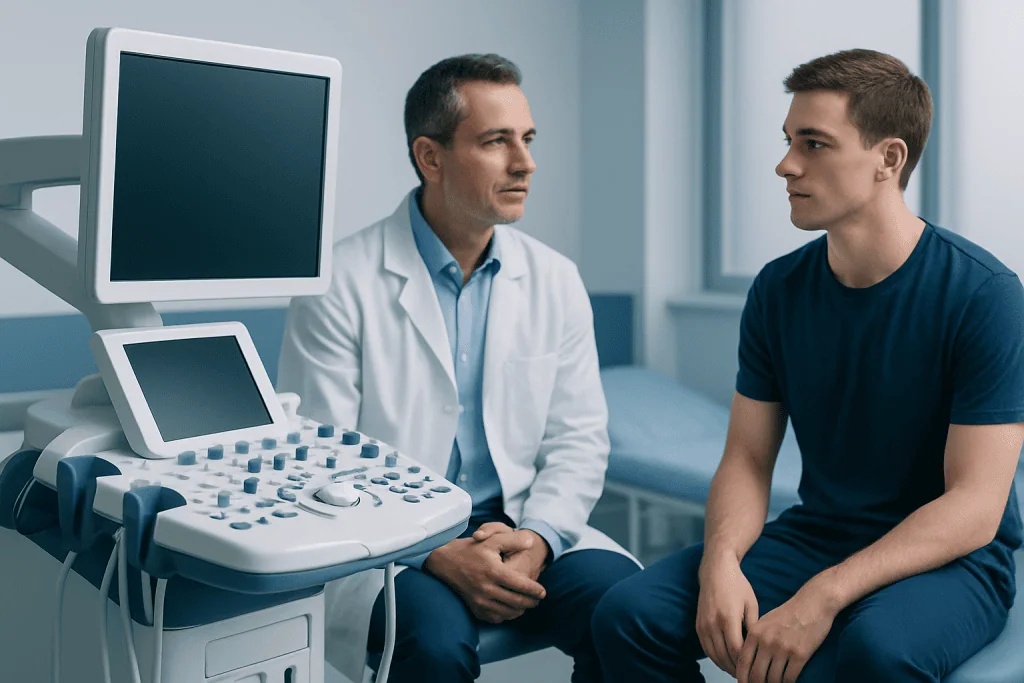
The reasons for starting nofap vary widely. Some people feel that frequent pornography use has become automatic or emotionally driven. Others want to test whether reducing sexual stimulation changes their mood, attention, motivation, or intimacy with a partner. In these cases, the goal is often less about abstinence itself and more about gaining insight into habits and triggers.
Some individuals report temporary benefits such as improved focus, more time for exercise or hobbies, less reliance on explicit material, and a feeling of greater control over impulses. If masturbation or pornography use was taking up a large amount of time or was being used to cope with stress, reducing it may create room for healthier routines. Better sleep habits, regular exercise, and reduced screen time can also contribute to these improvements.
It is important to keep expectations realistic. Nofap is unlikely to cure anxiety, depression, erectile dysfunction, or relationship problems on its own. When sexual behavior has become part of a larger emotional or behavioral pattern, it is usually more helpful to look at the whole picture, including stress, mental health, relationship dynamics, and physical health.
Possible downsides, myths, and common misunderstandings

One of the main medical concerns around nofap is not the practice itself, but the way it is sometimes framed. Online messages may present masturbation as inherently harmful or suggest that stopping it will produce major hormonal, physical, or social changes. These claims are often overstated. Current medical knowledge does not support the idea that masturbation is automatically damaging or that abstinence reliably creates dramatic health benefits.
For some people, strict abstinence goals can lead to shame, anxiety, or repeated cycles of “success” and “failure.” That pattern may increase distress rather than improve wellbeing. If a person feels guilty after any sexual thought or behavior, or starts avoiding normal intimacy, a rigid approach may become counterproductive.
There can also be confusion between pornography-related concerns and masturbation itself. A person may feel that highly frequent porn use is affecting arousal, attention, or expectations in relationships, while masturbation without pornography may not be the main problem. Looking carefully at the specific behavior, rather than treating all sexual activity as harmful, often leads to more practical and balanced solutions.
- Masturbation is generally normal and not automatically unhealthy.
- Abstinence is a personal choice, not a medically required goal.
- Online claims about semen retention, testosterone surges, or guaranteed life changes are often exaggerated.
- Shame-based approaches can worsen anxiety and obsessive thinking.
When nofap may point to an underlying health issue
Sometimes interest in nofap reflects a deeper concern that deserves medical attention. A person may feel unable to control pornography use, spend long periods searching for sexual content, or continue the behavior despite relationship strain, poor concentration, or loss of sleep. In these situations, the issue may be less about masturbation itself and more about compulsive or distressing sexual behavior.
There may also be related sexual symptoms. For example, some people worry that heavy pornography use has affected arousal with a partner, erection quality, or sexual satisfaction. Erectile difficulties can have many causes, including stress, anxiety, diabetes, vascular conditions, medication side effects, or relationship tension. Assessment for erectile dysfunction may be helpful when symptoms are ongoing.
Mental health matters too. If nofap efforts are driven by intense guilt, intrusive sexual thoughts, obsessive checking, depression, or social withdrawal, support from a qualified clinician can be useful. In some cases, treatment may involve counseling, evaluation for anxiety or mood disorders, or support for problematic internet and screen-use patterns rather than focusing only on sexual abstinence.
How doctors assess sexual behavior concerns
There is no laboratory test that can determine whether nofap is right for someone. Instead, doctors look at symptoms, patterns, and overall health. A clinical evaluation usually begins with questions about how often the behavior happens, what triggers it, whether it causes distress, and whether it affects work, relationships, sleep, or daily functioning.
If there are sexual performance concerns, a doctor may ask about erections, arousal, ejaculation, pain, urinary symptoms, medications, and chronic health conditions. This helps separate behavior-related concerns from medical causes. In some men, issues such as low mood, fatigue, or libido changes may prompt broader evaluation, including whether there are hormonal or reproductive concerns such as male infertility or other andrology-related conditions.
Diagnosis focuses on the real problem rather than the label. That may include compulsive sexual behavior, anxiety, depression, relationship stress, sleep disturbance, or a urologic issue. A thoughtful assessment can prevent unnecessary fear and guide the person toward care that matches their symptoms and goals.
Treatment options and healthy behavior change
When a person wants to reduce masturbation or pornography use, treatment is not always necessary. Many people benefit from simple, structured self-management: identifying triggers, limiting late-night screen use, improving sleep, exercising regularly, and replacing automatic habits with planned activities. Tracking urges and noticing emotional patterns can also help.
If the behavior feels compulsive or distressing, professional support is often more effective than willpower alone. Counseling, especially approaches that build coping skills and reduce shame, can help people understand why the behavior happens and how to manage it. When symptoms are linked to sexual function, an evaluation by a urologist or men’s health specialist may be appropriate, and in some cases a doctor may discuss erectile dysfunction treatment if erection problems are part of the picture.
Some people need care that goes beyond sexual health alone. If anxiety, depression, trauma, or relationship conflict are driving the pattern, those issues should be addressed directly. Men with broader reproductive or hormonal concerns may also benefit from male infertility treatment or related specialist care when clinically indicated. The most helpful plan is individualized, practical, and based on symptoms rather than internet rules.
Self-care, prevention, and when to seek medical care
A balanced approach to self-care is usually more sustainable than extreme restriction. Helpful habits include setting realistic goals, reducing unplanned screen time, avoiding triggers during stressful periods, keeping a regular sleep schedule, and staying socially connected. If pornography is the main concern, using content filters or moving devices out of the bedroom may support change.
It can also help to reframe the goal. Instead of asking whether all masturbation must stop, a person may ask whether their sexual behavior is aligned with their values, comfort, and daily wellbeing. If there is no distress or impairment, treatment may not be needed. If there is distress, the aim should be healthier function, not punishment.
Medical care should be sought if sexual behavior feels impossible to control, causes marked distress, leads to injury or skin irritation, disrupts school or work, or is associated with erectile problems, pelvic pain, anxiety, depression, or relationship conflict. Persistent sexual performance concerns may require assessment, and some men may need urology care to look for physical contributors. Acibadem International’s multidisciplinary specialists and JCI-accredited hospitals also evaluate and treat sexual health and related medical concerns for international patients.
Frequently asked questions
Is nofap medically necessary?
No. Nofap is a personal choice, not a standard medical requirement. It may be useful for some people who want to reduce distressing habits, but it is not necessary for everyone.
Is masturbation unhealthy?
In most cases, masturbation is considered a normal sexual behavior. It usually becomes a concern only if it causes distress, interferes with daily life, leads to physical irritation, or feels difficult to control.
Can nofap improve erectile function?
Some people report improvement, especially if pornography use was excessive or anxiety was involved. However, erectile problems can also be caused by medical, psychological, or relationship factors, so persistent symptoms should be assessed by a doctor.
Does nofap increase testosterone or fertility?
Claims about major hormonal or fertility benefits are often overstated. Short-term changes in hormone levels do not necessarily translate into meaningful health improvements, and fertility depends on many factors beyond ejaculation frequency.
How long should someone try nofap?
There is no medically defined timeline. A person who wants to experiment with behavior change may choose a realistic period and monitor whether it improves mood, focus, relationships, or sexual health without increasing shame or anxiety.
When should someone see a doctor about nofap-related concerns?
A doctor should be consulted if sexual behavior feels compulsive, causes significant distress, affects work or relationships, or is linked with erection problems, pain, depression, or anxiety. Professional evaluation can help identify whether the issue is behavioral, emotional, or physical.
This article is for general information only and is not a substitute for professional medical advice. Please consult a qualified doctor about your individual situation.
Explore treatments in Turkey — costs, top hospitals & a free quote
JCI-accredited · board-certified surgeons · reply within 24h
Add us as a Preferred Source to see more of our trusted health content across Google Search, AI Overviews and Discover.

More from the Health Library

Lucency: Symptoms, Causes, and Treatment — Complete Patient Guide

Ozempic and Alcohol: An Evidence-Based Guide for Patients
103 Fever — Explained by Medical Evidence, Not Myths

Big Areolas — Explained by Medical Evidence, Not Myths

Peristalsis: What Patients Need to Know