Poop Transplant: Procedure, Recovery and Results

A poop transplant is a medical microbiome treatment, not a home remedy or do-it-yourself procedure. Its best-established use is preventing further episodes of recurrent C. difficile infection after appropriate antibiotic treatment.
Key Takeaways
- A poop transplant is a medical microbiome treatment, not a home remedy or do-it-yourself procedure.
- Its best-established use is preventing further episodes of recurrent C. difficile infection after appropriate antibiotic treatment.
- The material comes from rigorously screened donors or regulated microbiota-based products.
- Most people resume usual daily activities quickly, but bowel habits may take days to settle.
- C. difficile can return after treatment, so follow-up and prompt assessment of recurrent diarrhea are important.
A poop transplant, medically called fecal microbiota transplantation (FMT), transfers screened healthy stool microbes into the intestine to restore the gut microbiome. It is most often used for recurrent or difficult-to-treat Clostridioides difficile (C. diff) infection, under specialist supervision.
What is a poop transplant?
A poop transplant is a common term for fecal microbiota transplantation (FMT). It is a treatment that introduces beneficial microorganisms from carefully screened donor stool into a patient’s digestive tract. These microorganisms may help rebuild a healthy and diverse gut microbiome, the community of bacteria and other microbes that supports normal intestinal function.
The main evidence-based use of this poop transplant treatment is for recurrent Clostridioides difficile infection, also called C. diff. C. diff can cause frequent watery diarrhea, abdominal discomfort and inflammation of the colon, particularly after antibiotics disrupt normal gut bacteria. FMT is generally considered after appropriate antibiotic treatment has not prevented repeated infection.
A poop transplant is not typically used as a general treatment for bloating, irritable bowel syndrome, obesity, fatigue, or other digestive symptoms outside clinical trials or carefully selected specialist settings. A gastroenterologist or infectious diseases specialist can explain whether it is suitable for an individual situation.
How the poop transplant process works
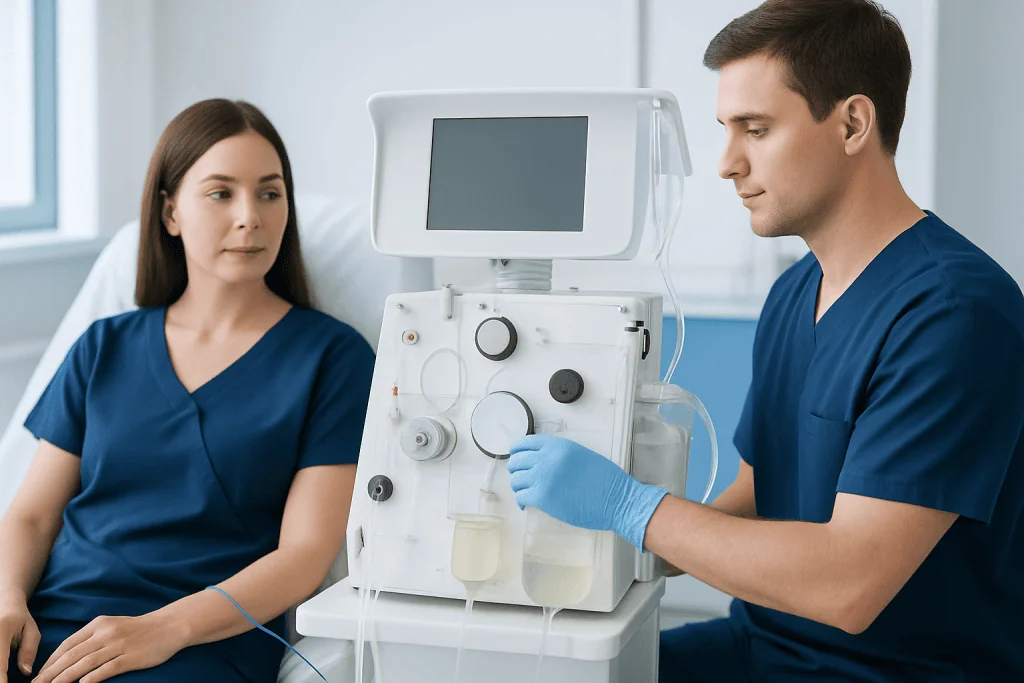
The goal of the poop transfer procedure is to restore colonization resistance: the ability of a healthy gut microbiome to limit the overgrowth of harmful organisms such as C. diff. Donor material is processed in a controlled clinical setting and delivered into the digestive tract. It may be given through colonoscopy, capsules swallowed by mouth, or sometimes through the upper digestive tract, depending on local practice and the person’s clinical needs.
Donors undergo detailed health questionnaires and laboratory testing. Screening aims to reduce the chance of transmitting infections or other unwanted organisms. Programs may use material from individual donors, stool banks, or approved microbiota-based products, depending on the country and treatment center.
Before recommending FMT, the care team confirms that symptoms are consistent with recurrent C. diff and considers other explanations for diarrhea. Testing is interpreted alongside symptoms because people can sometimes carry C. diff without having active infection. C. difficile infection requires a tailored plan based on symptom severity, prior treatments and overall health.
Who may be a candidate for a poop transplant?
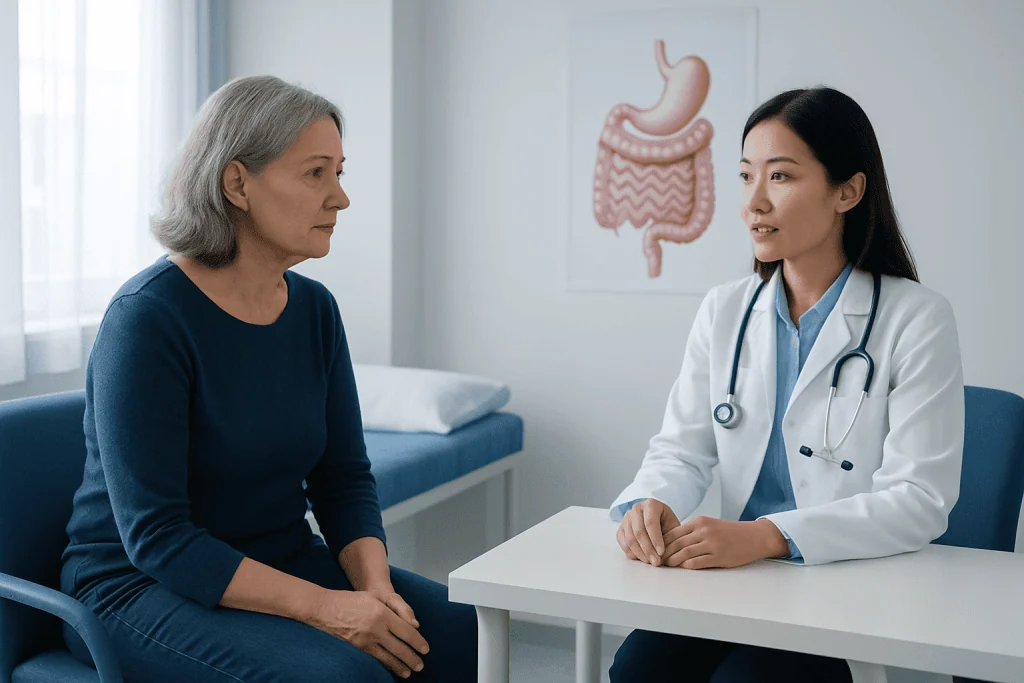
People most likely to be considered for a poop transplant are adults with multiple proven episodes of C. diff infection despite recommended antibiotic treatment. It may also be considered in selected people with severe or complicated C. diff when standard treatment is not working, usually with input from experienced specialists.
Assessment is individual. The clinician will review the number and timing of previous infections, stool test results, recent antibiotic exposure, other medicines, hospital admissions, bowel disease, immune function and any serious medical conditions. A person may need treatment to control the active infection before the microbiota therapy is given.
Extra caution is needed for people who are severely immunocompromised, critically ill, pregnant, or have certain intestinal conditions. These factors do not automatically rule out treatment, but they may change the balance of potential benefits and risks. The safest approach is a discussion with a gastroenterology and infectious diseases team experienced in recurrent infection.
What happens during a poop transplant procedure?
A poop transplant procedure begins with preparation chosen for the delivery method. For colonoscopy delivery, the person may follow a bowel-preparation plan similar to that used before a routine colonoscopy. The team may advise when to stop or adjust certain medicines, including antibiotics, but medication changes should only be made on medical advice.
During colonoscopy, a flexible camera is gently passed through the rectum and colon while the person is sedated or given anesthesia as appropriate. The prepared microbiota material is placed into the colon. If capsules are used, they are swallowed under instructions from the treatment team. A capsule-based approach avoids an endoscopic procedure for some suitable patients.
Although people sometimes call it poop transplant surgery, it is usually not surgery in the traditional sense. No incision is made for colonoscopy or capsule administration. The appointment length varies according to the method, preparation needs and recovery from sedation. The clinical team provides instructions for eating, hydration, medicines and monitoring after the procedure.
For patients requiring specialist evaluation and coordinated digestive care, fecal microbiota transplantation may be planned as part of a broader strategy to prevent recurrent C. diff infection.
Recovery, benefits and possible risks
Most people can go home the same day after a poop transplant procedure. Those who receive sedation for colonoscopy need someone to accompany them home and should avoid driving, alcohol, signing important documents or operating machinery until the effects have fully worn off. Mild gas, bloating, cramping, loose stools or constipation can occur temporarily.
The potential benefit is a reduced risk of another C. diff episode by restoring a healthier gut microbial balance. However, results vary. Symptoms should be monitored rather than assuming that any digestive change is a normal recovery effect. The care team may arrange follow-up and explain what changes should prompt a call.
Although rigorous donor screening is essential, FMT can carry risks. These include transmission of infectious organisms, worsening digestive symptoms, aspiration risk with some upper-gut delivery methods, and risks related to colonoscopy or sedation when those are used. Serious adverse effects are uncommon but possible, which is why FMT should only be performed through a regulated, experienced medical service.
People should not attempt a home stool transplant or use unscreened donor material. Unregulated approaches can expose a person to infections and may delay appropriate treatment for C. diff or another cause of diarrhea.
How long does it take to recover from a fecal transplant?
Recovery from a fecal transplant is often quick. Many people return to light usual activities the next day, while recovery from sedation may take the rest of the procedure day. Bowel movements may remain different from usual for several days as the intestine settles and the effects of the preceding infection and antibiotics resolve.
The timeline for feeling fully better depends on the person’s health before treatment, the severity of C. diff, nutritional status, medicines and whether there are other bowel conditions. Diarrhea may improve within days, but this is not identical for everyone. The treating clinician should guide expectations and follow-up testing rather than relying only on symptom timing.
During recovery, it is generally helpful to maintain hydration and follow the care team’s advice on food, medicines and activity. New fever, increasing abdominal pain, persistent vomiting, blood in the stool, severe bloating, or frequent watery diarrhea should be reported promptly.
What is the success rate of stool transplants?
Stool transplants are highly effective for many people with recurrent C. diff infection, particularly when used after recommended antibiotic therapy. Research findings differ because studies use different patient groups, delivery methods, donor products and definitions of success. For this reason, a clinician should discuss the expected outcome in the context of the individual’s prior infections and health status.
A successful outcome usually means that C. diff diarrhea does not return during the planned follow-up period. Some people need more than one course of microbiota therapy, particularly if they have repeated recurrences or ongoing factors that disturb the gut microbiome, such as a need for further antibiotics.
FMT does not guarantee that symptoms will resolve, and it may not be appropriate for every type of diarrhea. If symptoms continue, the care team may reassess for persistent C. diff, another infection, inflammatory bowel disease, medication effects, or another digestive condition.
Can you get C. diff again after a fecal transplant?
Yes. C. diff can return after a fecal transplant, although the treatment is designed to lower the chance of further recurrence. Repeat infection may be more likely when a person needs antibiotics for another illness, has major medical conditions, has frequent healthcare exposure, or has a weakened immune system.
Any return of significant watery diarrhea should be discussed with a clinician rather than self-treated with antidiarrheal medicines. The clinician may request stool testing and assess whether symptoms represent recurrent C. diff or another cause. Early assessment helps ensure the right treatment is selected.
Preventing future episodes often includes avoiding unnecessary antibiotics, taking antibiotics exactly as prescribed when they are needed, and practicing careful handwashing with soap and water. In healthcare settings, infection-control measures are also important for limiting spread.
How much do you get paid for a fecal transplant?
A person receiving a fecal transplant is not paid; they receive a medical treatment when it is clinically appropriate. This question may also refer to stool donation. Compensation for donors, where permitted, varies by country, stool bank and local regulations, and is separate from the patient’s treatment decision.
Potential donors should not assume they are eligible based on general good health alone. Donation programs use strict screening and may exclude people because of health history, travel, medication use, infection risks or test results. Individuals interested in donation should contact an established, regulated program rather than responding to informal requests.
Patients considering treatment should discuss practical arrangements, insurance coverage where relevant, and available options directly with their healthcare provider or treatment center. Medical suitability and safety should remain the priority.
When to seek medical care
Medical care is important for diarrhea that is severe, persistent, or develops after antibiotics or a recent hospital stay. A person should contact a clinician promptly if they have frequent watery stools, fever, increasing abdominal pain, dehydration, weakness, or symptoms that recur after previous C. diff treatment.
Urgent assessment is needed for severe abdominal pain or swelling, inability to keep fluids down, fainting, confusion, signs of significant dehydration, blood in the stool, or a high fever. These symptoms may have several causes and should not be managed by attempting a home poop transplant.
Acibadem International’s multidisciplinary gastroenterology and infectious diseases specialists in JCI-accredited hospitals assess and treat recurrent C. diff infection for international patients. A specialist can help determine whether microbiota-based therapy, antibiotic management, or another approach is most appropriate.
Frequently asked questions
Is a poop transplant the same as fecal microbiota transplantation?
Yes. Poop transplant is an informal name for fecal microbiota transplantation, or FMT. The treatment uses carefully screened donor-derived microbiota to help restore a healthier gut microbial community.
Is a poop transplant painful?
The experience depends on how the treatment is delivered. Colonoscopy-based treatment is usually performed with sedation or anesthesia, while capsules do not involve an invasive procedure. Temporary bloating, gas or mild abdominal discomfort can occur afterward.
How long does it take to recover from a fecal transplant?
Many people resume light normal activities by the next day, although sedation can affect the rest of the procedure day. Digestive symptoms and bowel habits may take several days to settle, especially after a recent C. diff infection.
What is the success rate of stool transplants?
Stool transplants are considered highly effective for preventing recurrent C. diff in appropriately selected patients. Outcomes differ between individuals and studies, and some people need additional treatment or may still have recurrence.
Can you get C. diff again after a fecal transplant?
Yes, recurrence is still possible after FMT. The risk can increase if antibiotics are needed later or if a person has factors that affect the immune system or gut microbiome. New watery diarrhea should be assessed promptly by a clinician.
How much do you get paid for a fecal transplant?
Patients are not paid for receiving a fecal transplant because it is a medical treatment. Some regulated stool-donation programs may offer compensation to eligible donors, but policies differ by location and donor screening is strict.
References
- U.S. Food and Drug Administration
- Centers for Disease Control and Prevention
- American College of Gastroenterology
- European Society of Clinical Microbiology and Infectious Diseases
- National Institute of Diabetes and Digestive and Kidney Diseases
This article is for general information only and is not a substitute for professional medical advice. Please consult a qualified doctor about your individual situation.
Persistent digestive symptoms? Get evaluated in Turkey
JCI-accredited · board-certified surgeons · reply within 24h
Add us as a Preferred Source to see more of our trusted health content across Google Search, AI Overviews and Discover.