Popped Blister: An Evidence-Based Guide for Patients

Wash hands before touching a popped blister and clean it gently with soap and water. Do not routinely remove the loose skin over a blister; it can protect the tender skin underneath.
Key Takeaways
- Wash hands before touching a popped blister and clean it gently with soap and water.
- Do not routinely remove the loose skin over a blister; it can protect the tender skin underneath.
- Use a sterile nonstick dressing and reduce pressure or friction while the area heals.
- Watch for spreading redness, warmth, increasing pain, pus, fever, or red streaks, which may indicate infection.
- People with diabetes, poor circulation, immune suppression, or reduced sensation should seek medical advice early for foot blisters or wounds.
A popped blister usually heals well when it is kept clean, covered, and protected from further rubbing. The remaining skin flap often acts as a natural protective layer, so it should usually be left in place unless it is dirty, torn, or dead.
Popped Blister: What to Do First
A popped blister should be gently cleaned, covered, and protected from friction while it heals. In most cases, the loose layer of skin should be left in place because it covers the sensitive tissue beneath and can reduce pain and contamination.
Blisters form when fluid collects between layers of skin, often after rubbing, pressure, a minor burn, or skin irritation. Once the blister roof has opened, the area is essentially a shallow wound. Good basic wound care helps support healing and lowers the chance of infection.
It is best not to deliberately pop an intact blister unless a healthcare professional advises it. The unbroken skin is a natural barrier. If a blister has already opened accidentally, calm, careful care is usually all that is needed.
Step-by-Step Care for a Popped Blister
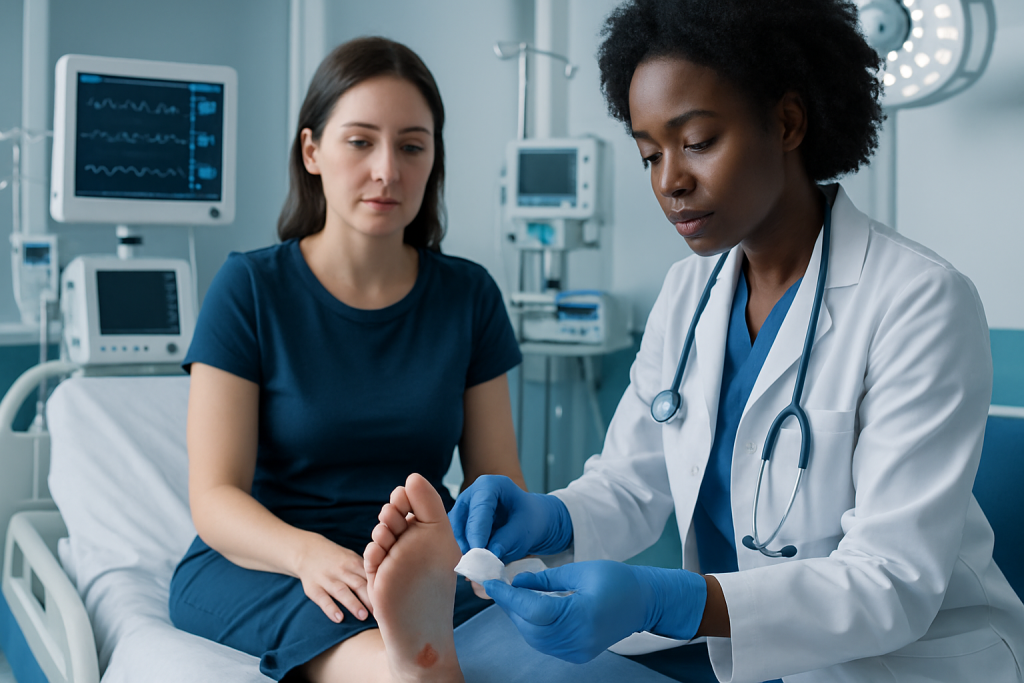
Start by washing hands thoroughly with soap and water. Rinse the blistered area gently with clean running water and mild soap, then pat it dry with a clean towel or gauze. Avoid scrubbing, which can further damage the fragile skin.
If a flap of skin remains attached, smooth it gently back over the raw area when possible. Do not pull it off. If the flap is completely detached, visibly dirty, or hanging by a small thread and likely to catch, a clinician can advise whether it should be trimmed with sterile equipment.
Apply a thin layer of plain petroleum jelly if suitable for the person, then cover the area with a sterile nonstick dressing. Change the dressing daily, or sooner if it becomes wet, dirty, or loose. A cushioned blister dressing may also reduce friction for blisters caused by shoes or repetitive activity.
- Keep the area clean and dry between dressing changes.
- Choose loose footwear or clothing that does not rub the wound.
- Use padding around, rather than directly over, a pressure point if needed.
- Avoid alcohol, hydrogen peroxide, and iodine inside the wound unless specifically recommended, as they can irritate healing tissue.
Why Blisters Pop and What Affects Healing
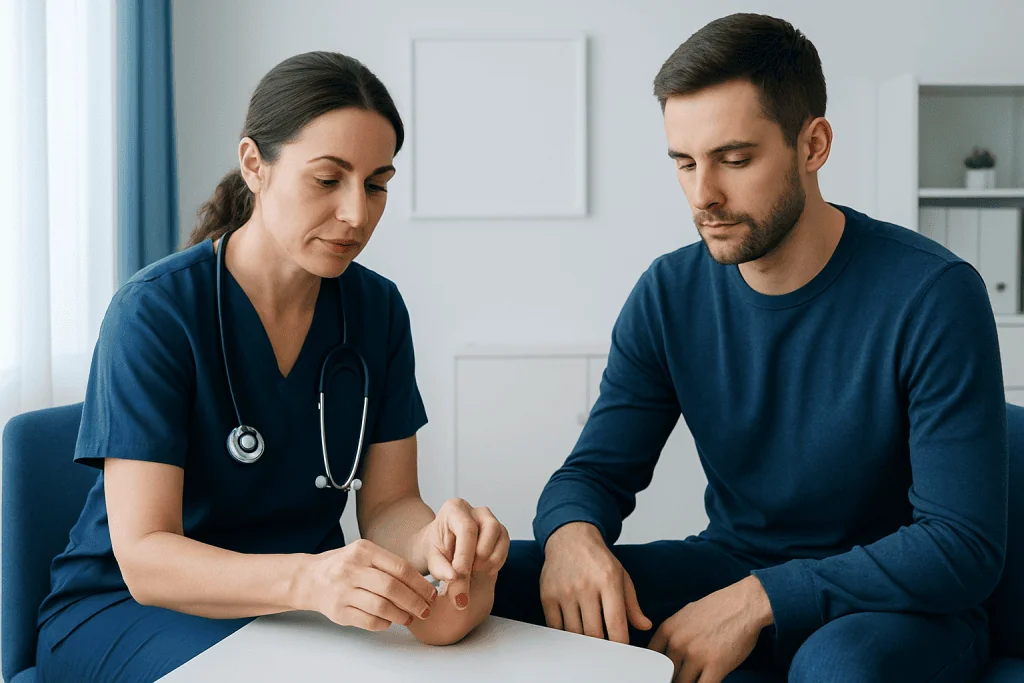
Friction is a common cause of blisters on the feet and hands. New shoes, long walks, sports equipment, or repeated manual work can separate the outer layers of skin. Heat and moisture make skin more vulnerable to rubbing, which is why sweaty socks or damp gloves may contribute.
Blisters can also result from minor burns, sun exposure, allergic or irritant contact reactions, insect bites, and some infections. A blister caused by a chemical burn, electrical injury, or a significant thermal burn needs different assessment from an ordinary friction blister.
Most uncomplicated small blisters improve within several days and heal over one to two weeks. Healing may take longer when there is continued pressure, poor nutrition, smoking, diabetes, circulation problems, nerve damage, or medicines and conditions that affect the immune system.
Repeated, unexplained, widespread, or very painful blisters deserve medical review. In some cases, blistering can be related to a skin disorder or infection rather than friction alone.
How to Recognize Possible Infection
A little tenderness and clear fluid can be normal after a blister opens. The surrounding skin may appear mildly pink at first, particularly if it has been rubbed. These changes should gradually settle rather than worsen.
Possible signs of infection include redness that expands beyond the blister, increasing warmth or swelling, worsening pain, cloudy yellow or green drainage, an unpleasant odor, or a wound that is not improving. Fever, chills, feeling unwell, or red streaks moving away from the wound require prompt medical assessment.
Do not attempt to drain pus, cut away large areas of skin, or use leftover antibiotic medicines. A clinician can examine the area, assess the cause, clean the wound if necessary, and recommend appropriate treatment. Skin infections may require care similar to that used for cellulitis, particularly when redness is spreading.
Special Considerations for Feet, Diabetes, and Poor Circulation
A popped blister on the foot needs extra attention because walking can repeatedly reopen the skin and introduce bacteria. Keep weight and friction off the area as much as practical, inspect the dressing daily, and avoid wearing the same footwear that caused the blister until the skin has healed.
People with diabetes should not ignore a blister, cut, or sore on the foot. Reduced sensation may make injuries less noticeable, while reduced circulation and slower healing can raise the risk of complications. A healthcare professional should assess new foot wounds early, especially if there is redness, drainage, discoloration, or no clear improvement.
The same cautious approach is important for people with peripheral artery disease, neuropathy, immune suppression, or a history of foot ulcers. Preventive foot checks and prompt wound assessment are part of comprehensive diabetes treatment and ongoing foot health care.
Preventing Another Blister
Preventing friction is usually more effective than treating a blister after it develops. Shoes should fit well, with enough room in the toe box and no rubbing at the heel or sides. Break in new shoes gradually rather than wearing them for a long activity immediately.
Moisture-wicking socks, properly fitted gloves, and protective padding can help during sport, hiking, or repetitive work. Changing damp socks or gloves promptly may reduce skin softening. If a specific spot repeatedly rubs, consider adjusting footwear, using an insole, or seeking advice from a podiatrist or clinician.
For minor burns, cool the area under cool running water as soon as possible, remove tight jewelry or clothing near the injury if it is not stuck to the skin, and cover it loosely. Do not apply ice directly to a burn or pop burn blisters. Larger or deeper burns need medical evaluation and may require burn treatment.
When to Seek Medical Care
Medical care is advisable if a popped blister is large, deep, very painful, caused by a burn or chemical exposure, or located on the face, genitals, or over a major joint. A clinician should also evaluate blisters that occur without an obvious cause, recur often, or appear in clusters with a rash.
Seek prompt care for signs of infection, including increasing redness, swelling, heat, pus, fever, red streaks, or worsening pain. Urgent assessment is important if the affected area becomes numb, pale, blue, or black, or if movement is difficult.
People with diabetes, poor circulation, reduced feeling in the feet, or immune suppression should contact a healthcare professional early for a popped blister, particularly on the foot. Acibadem International’s multidisciplinary specialists and JCI-accredited hospitals can assess wounds and related conditions for international patients when specialist care is needed.
Frequently asked questions
Should the skin be removed from a popped blister?
Usually, no. The remaining skin can act as a protective cover over the tender tissue beneath. It should be kept clean and gently laid back in place unless it is detached, dirty, or dead, in which case a healthcare professional can advise on safe removal.
Can a popped blister be left uncovered?
A small blister in a clean, low-friction location may occasionally be left open briefly, but covering it is generally more comfortable and protective. A sterile nonstick dressing helps prevent rubbing and reduces exposure to dirt and bacteria. Change the dressing if it gets wet or soiled.
How long does a popped blister take to heal?
Many minor popped blisters heal within about one to two weeks. The time depends on the blister’s size and location, whether it continues to rub, and the person's overall health. It should gradually become less painful and develop new skin rather than worsen.
What should not be put on a popped blister?
Avoid harsh products such as rubbing alcohol, hydrogen peroxide, or strong antiseptics unless a clinician specifically recommends them. These can irritate healthy tissue and may delay healing. Do not use unprescribed antibiotic creams if there is a history of allergy or if the wound appears infected; seek medical advice instead.
Is a popped blister contagious?
A friction blister is not contagious. However, blisters caused by certain infections, such as herpes viruses or some bacterial skin infections, may spread to others or to other areas of the body. Blisters with an unexplained rash, clustered lesions, or recurrent episodes should be assessed by a clinician.
When is a popped blister an emergency?
Urgent care is needed for rapidly spreading redness, fever, red streaks, severe pain, pus, numbness, or dark discoloration. Blisters from chemical or electrical injuries and extensive burns also need urgent medical assessment. People with diabetes or poor circulation should seek early guidance for foot blisters, even when symptoms seem mild.
This article is for general information only and is not a substitute for professional medical advice. Please consult a qualified doctor about your individual situation.
Explore treatments in Turkey — costs, top hospitals & a free quote
JCI-accredited · board-certified surgeons · reply within 24h
Add us as a Preferred Source to see more of our trusted health content across Google Search, AI Overviews and Discover.

More from the Health Library

Ed Capsule: An Evidence-Based Guide for Patients

Dexmethylphenidate: An Evidence-Based Guide for Patients

Medicated Shampoo: What Patients Need to Know
Largest Muscle in the Body — Explained by Medical Evidence, Not Myths

Aortic Dissection: A Complete Medical Overview