Pore Pores: What Patients Need to Know

Pores are normal openings in the skin that help release oil and sweat. Visible pores are often related to oily skin, aging, sun damage, and clogged debris.
Key Takeaways
- Pores are normal openings in the skin that help release oil and sweat.
- Visible pores are often related to oily skin, aging, sun damage, and clogged debris.
- Pores do not open and close like doors, but they can look larger or smaller depending on skin condition.
- Gentle cleansing, non-comedogenic products, and sun protection can help reduce their appearance.
- A dermatologist can recommend treatments if pores are persistent, bothersome, or linked to acne or other skin concerns.
Pore pores usually refers to visible, enlarged, or clogged skin pores rather than a separate medical condition. While pores cannot be permanently removed, their appearance can often be improved with the right skin care, lifestyle habits, and, when needed, dermatologist-guided treatment.
Overview: what “pore pores” usually means
“Pore pores” is not a formal medical diagnosis. Most people use the phrase when they are worried about pores that look large, dark, clogged, or more noticeable than expected. In simple terms, pores are tiny openings in the skin. They are a normal part of healthy skin and allow natural oil, called sebum, and sweat to reach the surface.
Many people notice pores most on the nose, cheeks, forehead, and chin. These areas often have more oil glands, so pores there may naturally be easier to see. Visible pores are very common and do not usually mean the skin is unhealthy. However, they can become more noticeable with excess oil, dead skin buildup, acne, aging, or sun damage.
It is also helpful to know that pores cannot be completely closed, erased, or made invisible. Products that claim to “shrink pores permanently” usually overpromise. What skin care and medical treatment can do is reduce congestion, improve surface texture, balance oil, and support collagen so pores look less prominent over time.
Why pores become more visible

Pores may look larger for several reasons. One of the most common is increased oil production. When the skin produces more sebum, the opening of the pore can appear more noticeable, especially on the T-zone of the face. This is why people with oily or combination skin often report larger-looking pores.
Another important cause is clogging. Dead skin cells, oil, sunscreen, makeup, and environmental debris can collect inside pores. When this material stretches the opening, pores may look darker or bigger. Blackheads are a common example of clogged pores becoming visible on the skin surface. Some people with acne-prone skin may also notice pore visibility along with breakouts and inflammation, such as in acne.
Age and sun exposure also matter. As skin gets older, it gradually loses elasticity and collagen. When support around the pore decreases, the pore opening may look wider. Long-term ultraviolet exposure can speed this process by damaging collagen and making skin texture less even.
Genetics can also play a role. Some people naturally have more visible pores because of inherited skin type, oil gland activity, and facial structure. This means pore size is not always fully controllable, even with a good routine.
Common signs and related skin concerns
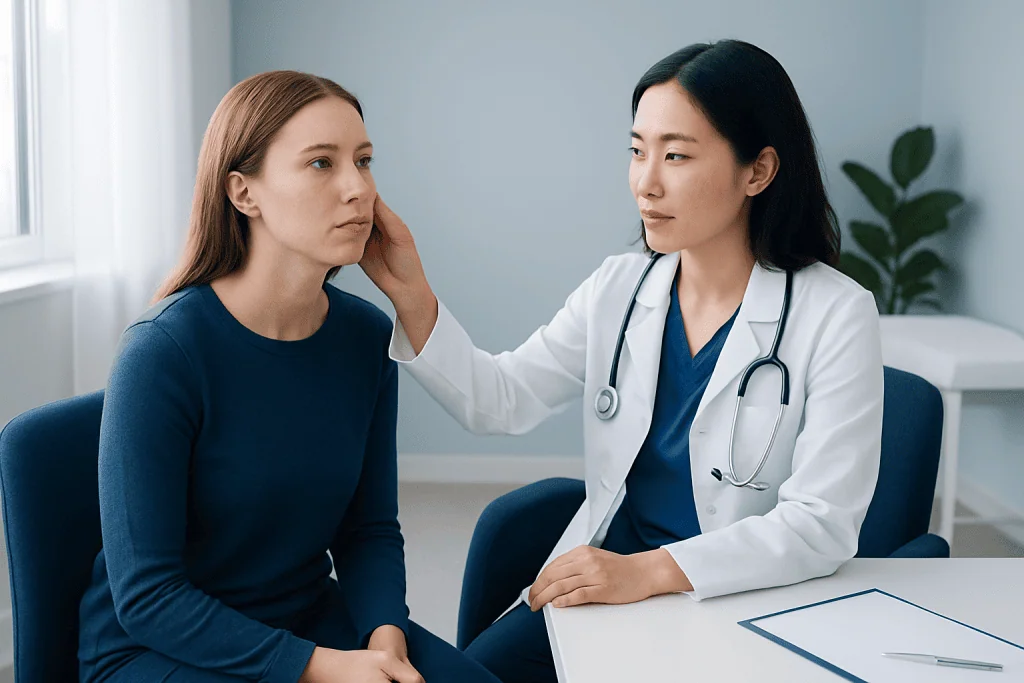
Visible pores may appear as small dots or tiny openings on the skin, especially under bright light or close-up mirrors. They are often most obvious on the nose and nearby cheeks. In many cases, this is simply a cosmetic concern rather than a medical problem.
Some people also notice rough texture, shine, blackheads, or recurring congestion. These signs can suggest that pores are becoming blocked with oil and dead skin. If there is redness, tenderness, swelling, or repeated pimples, another skin issue may be present alongside visible pores.
It can help to distinguish pores from other marks. For example, acne scars, small cysts, milia, or inflammation can sometimes be mistaken for enlarged pores. Persistent changes in texture or discoloration deserve professional evaluation if they do not improve with basic care.
- Most often affected areas include the nose, forehead, chin, and inner cheeks.
- Oily shine and blackheads often make pores look more noticeable.
- Sun damage and reduced skin firmness can make pores appear wider over time.
- Not all surface irregularities are pores; some may be scars or other skin conditions.
What can make pores worse
Several daily habits can make pores look more obvious. Heavy or occlusive skin products may trap oil and debris, especially if they are not labeled non-comedogenic. Sleeping in makeup, infrequent cleansing after sweating, and harsh exfoliation can also worsen congestion or irritation.
Overwashing is another common issue. Scrubbing the face aggressively does not remove pores and can irritate the skin barrier. When the barrier becomes disrupted, the skin may produce more oil or become inflamed, making texture concerns stand out even more. A balanced routine usually works better than a very strong one.
Hormonal changes may also increase oil production and lead to more visible pores. Stress can indirectly affect the skin as well, especially in people who are already prone to oiliness or breakouts. In some individuals, related concerns such as rosacea can add redness and sensitivity that changes the overall look of the skin, although rosacea itself does not cause enlarged pores.
Finally, unprotected sun exposure can gradually worsen the appearance of pores by weakening collagen and making skin tone uneven. This is one reason daily sunscreen is considered one of the most important long-term habits for skin texture support.
How visible pores are assessed
Most of the time, visible pores are assessed during a routine skin examination. A doctor or dermatologist will usually ask about oiliness, acne history, current skin products, sun exposure, and whether the problem is new or long-standing. They may look closely at the skin to determine whether the concern is truly enlarged pores, clogged pores, acne scarring, or another texture change.
There is usually no special laboratory test for enlarged pores alone. Diagnosis is generally clinical, meaning it is based on the skin’s appearance and the person’s symptoms. If there are signs of inflammation, severe acne, persistent redness, or unusual lesions, the doctor may focus on ruling out other skin conditions.
This assessment matters because treatment depends on the cause. Pores that look larger due to blackheads are managed differently from pores made more noticeable by aging, sun damage, or acne scars. A clear diagnosis helps avoid buying multiple products that may not be useful for the real issue.
Treatment options and skin care that can help
For many people, the first step is a simple, consistent skin care routine. Gentle cleansing once or twice daily can remove oil, sweat, and debris without over-drying the skin. Non-comedogenic moisturizers help maintain the skin barrier, and broad-spectrum sunscreen helps prevent collagen damage that can make pores more visible over time.
Ingredients that may help include salicylic acid, which can clear oil and dead skin from pores, and retinoids, which support skin cell turnover and may improve texture. Niacinamide may also help some people by supporting the skin barrier and reducing the appearance of excess oil. Because active products can irritate sensitive skin, it is usually best to introduce them gradually and seek professional advice if there is stinging, peeling, or persistent redness.
When home care is not enough, a dermatologist may discuss office-based options. Depending on the skin type and the reason pores are visible, options may include chemical peeling, laser treatment, or professionally selected resurfacing methods to improve texture and collagen support. If blackheads or acne are a major factor, treatment may also focus on controlling breakouts first.
People with scarring, deeper texture changes, or recurrent acne may need a broader treatment plan. In some cases, evaluation by specialists in dermatology helps tailor care to the person’s skin sensitivity, pigmentation risk, and long-term goals. No treatment can remove pores entirely, but many can make skin look smoother and more even.
Prevention and self-care habits
Preventing clogged or more visible pores usually centers on daily habits rather than quick fixes. Gentle cleansing, regular removal of sunscreen and makeup, and choosing products that suit the skin type can reduce buildup. For oily skin, lightweight and non-comedogenic formulations are often helpful.
Sun protection is one of the most effective long-term steps. A broad-spectrum sunscreen used consistently can help protect collagen and reduce the texture changes that come with photoaging. Wearing hats and limiting direct sun exposure during peak hours may also support skin health.
It is also wise to avoid picking, squeezing, or aggressively extracting pores at home. This can increase irritation, cause inflammation, and raise the risk of marks or scarring. Instead, persistent blackheads or congestion should be addressed with appropriate skin care or professional guidance.
- Cleanse gently without harsh scrubbing.
- Use non-comedogenic skin care and makeup when possible.
- Apply sunscreen daily, even on cloudy days.
- Introduce exfoliating or retinoid products slowly.
- Avoid picking at blackheads or blemishes.
When to seek medical care
Medical care is worth seeking if pores are accompanied by painful acne, repeated inflammation, scarring, sudden skin changes, or redness that does not improve. Professional advice is also helpful when over-the-counter products have been used consistently for several weeks without benefit, or when the skin becomes irritated from self-treatment.
A dermatologist can help determine whether the concern is enlarged pores, blackheads, acne scars, rosacea, or another skin condition. This can be especially important for people with sensitive skin or darker skin tones, where irritation can sometimes lead to longer-lasting discoloration if the wrong products are used.
For international patients who need assessment and treatment planning, Acibadem International’s multidisciplinary specialists in JCI-accredited hospitals evaluate skin concerns and offer evidence-based care tailored to the individual.
Frequently asked questions
Can pores be permanently closed?
No. Pores are normal openings in the skin and cannot be permanently closed or removed. Treatment can make them look less noticeable by reducing oil, clearing congestion, and improving skin texture.
Why do pores look larger on the nose?
The nose has many active oil glands, so pores there are often naturally more visible. Oil buildup and blackheads can make them stand out even more.
Do ice, steam, or hot water open and close pores?
Pores do not open and close like tiny doors. Temperature can temporarily affect how the skin feels and looks, but it does not change pore structure in a lasting way.
What skin care ingredients help with enlarged pores?
Salicylic acid, retinoids, and niacinamide are commonly used to improve congestion and texture. The best choice depends on skin type, sensitivity, and whether acne or irritation is also present.
Are visible pores a sign of poor hygiene?
No. Visible pores are usually related to skin type, oil production, age, sun exposure, and genetics. Good cleansing helps, but prominent pores are not simply a result of poor hygiene.
When should someone see a dermatologist about pores?
A dermatologist should be considered if the skin is painful, inflamed, scarred, or not improving with gentle over-the-counter care. Professional evaluation is also useful when a person is unsure whether the issue is pores, acne, scarring, or another skin condition.
References
- American Academy of Dermatology
- National Institute of Arthritis and Musculoskeletal and Skin Diseases
- Mayo Clinic
- NHS
- British Association of Dermatologists
This article is for general information only and is not a substitute for professional medical advice. Please consult a qualified doctor about your individual situation.
Explore treatments in Turkey — costs, top hospitals & a free quote
JCI-accredited · board-certified surgeons · reply within 24h
Add us as a Preferred Source to see more of our trusted health content across Google Search, AI Overviews and Discover.

More from the Health Library

ADHD Combined Type — Explained by Medical Evidence, Not Myths

Aquaphor Baby: What Patients Need to Know
Stink Navel: What Patients Need to Know

Continuous Glucose Monitors: An Evidence-Based Guide for Patients

Female Bodybuilder: What Patients Need to Know