Continuous Glucose Monitors: An Evidence-Based Guide for Patients
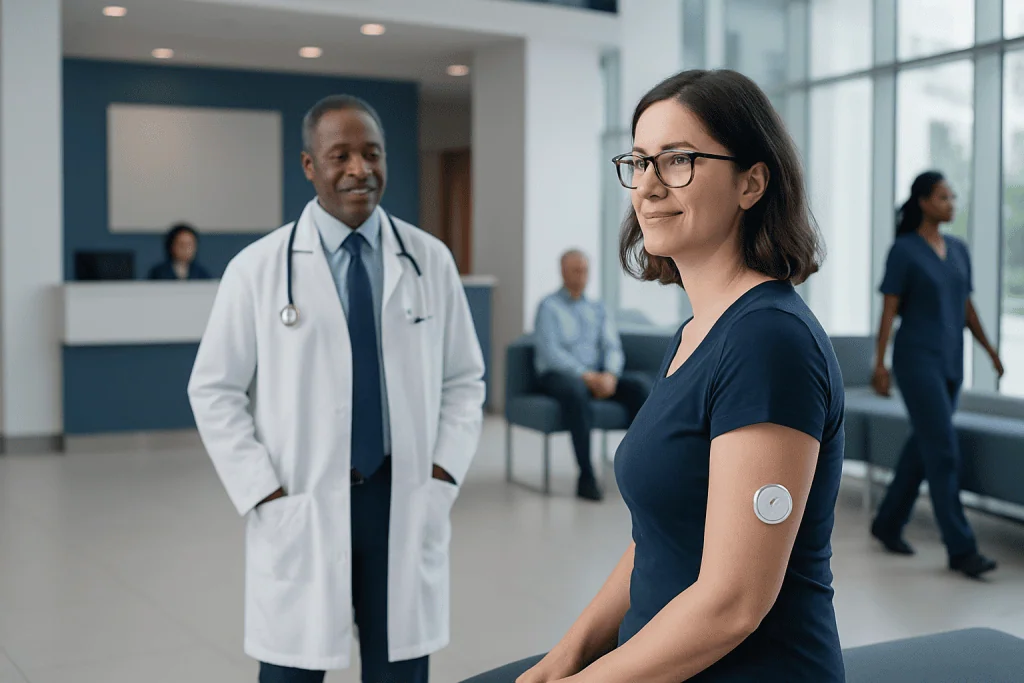
Continuous glucose monitors measure glucose in interstitial fluid every few minutes and show trends over time. CGMs can improve day-to-day diabetes management, but they do not replace medical judgment or regular follow-up.
Key Takeaways
- Continuous glucose monitors measure glucose in interstitial fluid every few minutes and show trends over time.
- CGMs can improve day-to-day diabetes management, but they do not replace medical judgment or regular follow-up.
- Readings may lag behind blood glucose during rapid changes, so confirm urgent symptoms with a fingerstick if advised.
- A CGM works best when the user understands alerts, trend arrows, sensor placement, and how to interpret patterns.
- Not everyone needs the same device features; selection depends on diabetes type, treatment plan, lifestyle, and clinician advice.
Continuous glucose monitors are wearable devices that measure glucose levels throughout the day and night, offering a fuller picture than occasional fingerstick checks alone. They can help many people with diabetes recognize patterns, respond to highs and lows more quickly, and make informed decisions with their healthcare team.
Overview: what continuous glucose monitors do
Continuous glucose monitors, often called CGMs, are small wearable devices that estimate glucose levels throughout the day and night. A tiny sensor placed under the skin measures glucose in the fluid between cells, known as interstitial fluid, and sends readings to a receiver, smartphone, or insulin pump. Instead of showing only a single moment in time, a CGM displays patterns, trend arrows, and alerts for high or low glucose.
For many patients, continuous glucose monitors reduce the burden of frequent fingerstick testing and make glucose changes easier to understand. They can be especially helpful for people using insulin, those with frequent low blood sugar, or anyone who wants to see how meals, exercise, stress, illness, and sleep affect glucose levels. Some systems send alarms when glucose is dropping or rising quickly, which may support safer and more timely action.
CGMs are not exactly the same as a laboratory blood test or a traditional glucose meter. Because they measure interstitial fluid, readings can lag behind blood glucose by several minutes, especially after meals, exercise, or treatment of low blood sugar. That is why a clinician may still recommend a fingerstick check in certain situations, such as when symptoms do not match the CGM reading or when a reading is unexpectedly extreme.
Who may benefit from a CGM
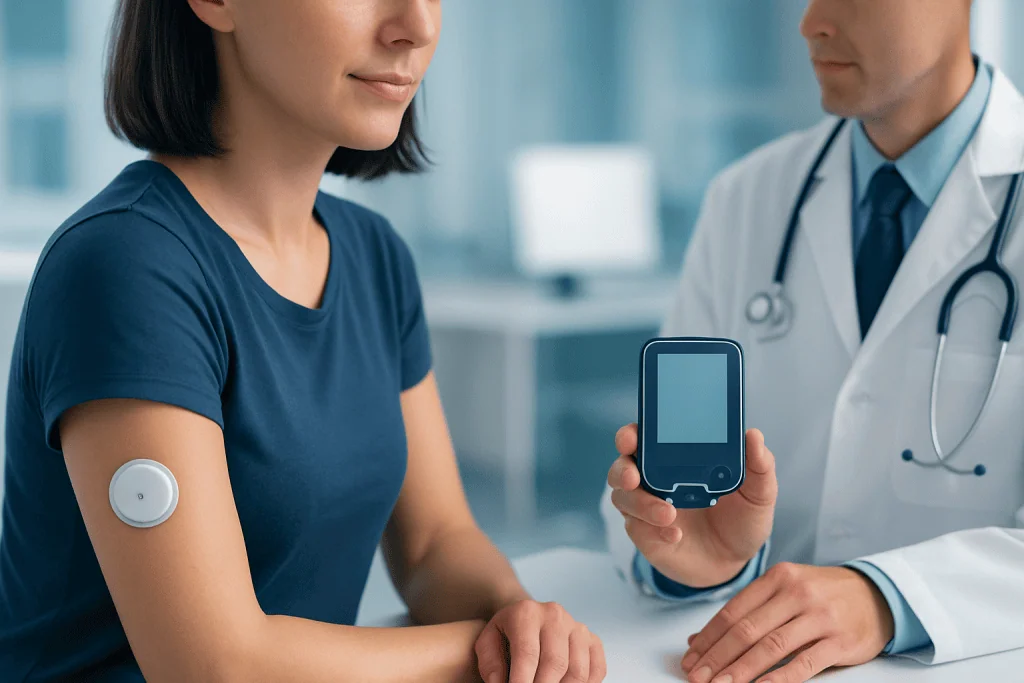
Continuous glucose monitors are most commonly used by people with type 1 diabetes and many people with type 2 diabetes, particularly those using insulin. They may also be considered during pregnancy complicated by diabetes, in some cases of recurrent hypoglycemia, or when blood sugar patterns are difficult to interpret with standard testing alone. The goal is not simply to collect more numbers, but to turn those numbers into safer and more personalized decisions.
A CGM may be useful for someone who experiences overnight low glucose, has difficulty noticing hypoglycemia symptoms, or finds fingersticks hard to perform regularly. It can also help active individuals understand how exercise affects glucose before, during, and after activity. For some patients, seeing trend data improves confidence and reduces guesswork about meals, medication timing, and correction strategies.
Not every patient needs the same approach. Some people do well with standard home glucose monitoring, while others benefit most from a CGM integrated with an insulin pump or digital app. A diabetes specialist can help determine whether continuous monitoring is appropriate and whether it should be used on its own or as part of broader diabetes care.
How a continuous glucose monitor works in daily life
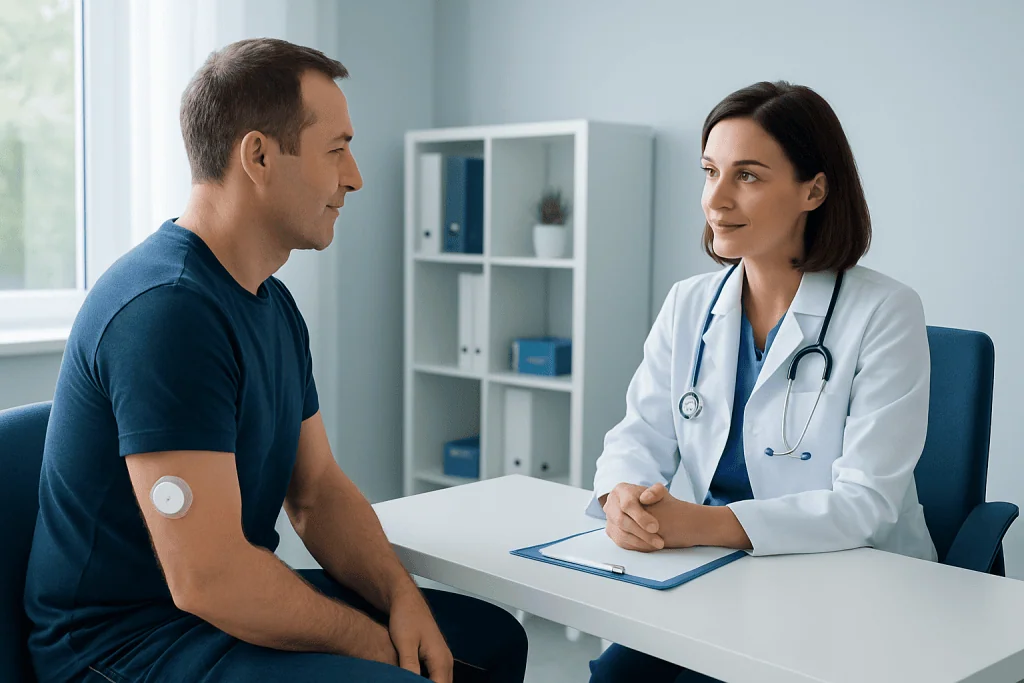
A typical CGM system includes a disposable or semi-disposable sensor worn on the skin, a transmitter, and a display device. The sensor is often placed on the abdomen or the back of the upper arm, depending on the brand and individual instructions. Once inserted, it records glucose values at regular intervals and creates a visual curve that shows whether glucose is stable, rising, or falling.
Many users learn to focus not only on the number itself, but also on the direction and speed of change. Trend arrows can be especially helpful before driving, exercising, sleeping, or giving insulin. Some devices allow remote sharing, so family members or caregivers can view alerts, which may be valuable for children, older adults, or people with a history of severe hypoglycemia.
Daily use still requires attention to practical details. Sensors need to be replaced on schedule, skin should be clean and dry at application, and alarms should be customized with medical guidance. If someone uses advanced diabetes technology, a clinician may discuss options such as insulin pump therapy or related digital management tools to support smoother glucose control.
- Real-time CGMs send glucose data continuously and may provide automatic alerts.
- Intermittently scanned systems require the user to scan the sensor to view readings.
- Some systems can connect with pumps, phones, smartwatches, or remote monitoring platforms.
Benefits, limits, and common misconceptions
The main strength of continuous glucose monitors is the broader view they provide. Rather than relying on isolated readings, users and clinicians can assess time spent in target range, overnight patterns, post-meal rises, and repeated low-glucose episodes. This can lead to more informed treatment adjustments and may help improve glucose stability over time.
At the same time, a CGM is not a cure for diabetes and does not automatically prevent complications. Data can only help when it is interpreted correctly and used alongside medications, nutrition, physical activity, and regular medical review. Patients may also need education to avoid overreacting to every small change, since normal glucose levels shift throughout the day.
Another common misunderstanding is that CGM readings are always identical to blood glucose meter readings. They are related but not interchangeable in every moment. During rapid changes, the sensor value may trail behind blood glucose, and some devices require occasional confirmation in special situations. A qualified team may recommend structured diabetes education or diabetes education and management to help patients use CGM data effectively and safely.
Possible drawbacks and side effects
Most people tolerate CGMs well, but some practical challenges are common. Skin irritation can occur from adhesive, especially in people with sensitive skin or sweating during exercise. Sensors may loosen, fail early, or give signal interruptions. These issues can usually be managed with careful placement, barrier products suggested by a clinician, and replacing the device as instructed.
Some users find alarms stressful, particularly at night or when thresholds are set too tightly. It may take time to learn which alerts are most useful. Anxiety can also develop if a person checks readings too often or feels pressure to keep glucose perfectly steady. A balanced approach helps: the purpose of CGM is to improve understanding and safety, not to create constant worry.
There are also situations in which CGM interpretation becomes more complex, such as severe dehydration, pressure on the sensor while sleeping, or rapid glucose shifts after exercise or treatment for hypoglycemia. If unusual results are frequent, the patient should discuss them with a healthcare professional. In selected cases, further assessment through endocrinology evaluation may help clarify whether device settings, medications, or another health issue are contributing.
How doctors use CGM data for diagnosis and treatment decisions
Doctors do not usually diagnose diabetes from CGM alone. Diagnosis is generally based on standard blood tests such as fasting plasma glucose, oral glucose tolerance testing, or hemoglobin A1c, interpreted in the right clinical context. However, CGM can add useful information after diagnosis by revealing real-world glucose patterns that office-based testing may miss.
During review, clinicians often look at average glucose, glucose variability, time in range, and the frequency of low or high glucose episodes. They compare this information with the patient’s meal timing, insulin or medication use, exercise, illness, and symptoms. This makes it easier to identify repeated patterns, such as early morning highs, overnight lows, or large spikes after specific foods.
CGM data may guide changes in insulin doses, meal planning, physical activity routines, and timing of medications. It can also support conversations about related conditions, including prediabetes or obesity, when glucose trends suggest broader metabolic concerns. The most useful reports come from wearing the sensor consistently and documenting key events such as meals, exercise, and hypoglycemia treatment.
Self-care tips for getting the most from a CGM
Learning to use a CGM well takes time, but a few habits make a big difference. Patients should follow device instructions carefully, rotate sites as recommended, and keep supplies available for sensor changes. It also helps to understand how trend arrows work before making decisions about food or medication. When symptoms and readings do not match, the patient should use the checking method recommended by their doctor.
Keeping a simple record of meals, exercise, illness, sleep, and medication timing can make patterns easier to interpret. For example, a glucose rise after breakfast every day may suggest that portion size, meal composition, or insulin timing needs discussion. Rather than responding to isolated numbers, patients are usually better served by looking for repeated trends over several days.
CGM works best as one part of an overall health plan. Healthy eating, regular physical activity, medication adherence, sleep, hydration, and routine follow-up remain essential. Near the end of the care journey, some international patients may seek specialist review at centers such as Acibadem International, where multidisciplinary teams in JCI-accredited hospitals evaluate and treat diabetes-related needs in a coordinated way.
When to seek medical care
Medical advice is important if a patient has repeated low glucose, repeated very high readings, or symptoms that do not fit the CGM result. Urgent care may be needed for confusion, fainting, severe weakness, trouble breathing, vomiting, signs of dehydration, or suspected diabetic ketoacidosis. A CGM is a useful tool, but it should never delay timely assessment when symptoms are concerning.
A doctor should also be contacted if the device causes significant skin reactions, if alarms become difficult to interpret, or if readings seem persistently inaccurate. Children, older adults, pregnant patients, and people with complex medical conditions may need closer supervision when starting a CGM. Any major medication change should be made with clinician guidance rather than by self-adjusting based only on a few sensor readings.
Routine follow-up matters even when the device is working well. Regular visits help confirm that the data is being interpreted correctly, that treatment goals remain realistic, and that the device still matches the patient’s needs. With good instruction and ongoing medical support, continuous glucose monitors can become a practical and reassuring part of long-term glucose management.
Frequently asked questions
Are continuous glucose monitors accurate?
Continuous glucose monitors are generally accurate enough for day-to-day diabetes management when used correctly. However, they measure glucose in interstitial fluid rather than directly in blood, so readings can differ slightly from a fingerstick, especially during rapid glucose changes.
Do continuous glucose monitors completely replace fingerstick testing?
Not always. Some people may still need fingerstick checks in certain situations, such as when symptoms do not match the reading, when glucose is changing quickly, or when the device gives an error or unexpected result. A doctor can explain when confirmation is needed for a specific device.
Who should consider using a CGM?
CGMs are commonly considered for people with type 1 diabetes, many people with insulin-treated type 2 diabetes, and those with frequent low blood sugar or hard-to-manage glucose patterns. They may also be helpful in pregnancy affected by diabetes or when overnight lows are a concern.
Can a person without diabetes use a continuous glucose monitor?
Some people without diabetes are interested in CGMs, but these devices are mainly designed for medical glucose management. In someone without diabetes, readings can be misunderstood and may not provide useful health information unless a clinician recommends monitoring for a specific reason.
What is the difference between a CGM and a blood glucose meter?
A blood glucose meter gives a single blood sugar reading at the moment of the fingerstick. A CGM provides repeated readings over time, along with trends and alerts, which helps show how glucose changes during meals, exercise, sleep, and daily routines.
Can a CGM help prevent low blood sugar?
A CGM can help many patients recognize falling glucose earlier because it shows trend arrows and can sound alerts. Even so, it cannot prevent every episode, and patients still need an action plan for treating hypoglycemia and knowing when to seek help.
References
- American Diabetes Association
- National Institute of Diabetes and Digestive and Kidney Diseases
- Centers for Disease Control and Prevention
- International Diabetes Federation
- U.S. Food and Drug Administration
This article is for general information only and is not a substitute for professional medical advice. Please consult a qualified doctor about your individual situation.
Explore treatments in Turkey — costs, top hospitals & a free quote
JCI-accredited · board-certified surgeons · reply within 24h
Add us as a Preferred Source to see more of our trusted health content across Google Search, AI Overviews and Discover.

More from the Health Library
Amiodarone: What Patients Need to Know

Shin Splints What: A Complete Medical Overview

Spasm of the Neck: What Patients Need to Know

Smell Smell: A Complete Medical Overview

Salmon Oil: What Patients Need to Know