Shin Splints What: A Complete Medical Overview

Shin splints are usually caused by repetitive stress on the shin and nearby tissues. Pain often appears during or after running, jumping, or other high-impact exercise.
Key Takeaways
- Shin splints are usually caused by repetitive stress on the shin and nearby tissues.
- Pain often appears during or after running, jumping, or other high-impact exercise.
- Early rest, training changes, and supportive footwear can help symptoms improve.
- A doctor may need to rule out stress fracture, compartment syndrome, or tendon problems if pain is severe or persistent.
- Prevention focuses on gradual training progression, strength, flexibility, and proper recovery.
Shin splints, also called medial tibial stress syndrome, are a common overuse injury that causes pain along the front or inner edge of the shin bone. They often develop when muscles, tendons, and bone tissue are stressed by repetitive activity, especially after a sudden increase in exercise.
What shin splints are
Shin splints are a broad term for pain along the shin, most often on the inner border of the tibia, the larger bone in the lower leg. In medical terms, this is commonly called medial tibial stress syndrome. It usually happens when repeated impact irritates the muscles, tendons, and outer surface of the bone where these tissues attach.
People often ask “shin splints what” when they notice aching or tenderness in the lower leg after running, brisk walking, jumping, dancing, or sports training. The condition is common in runners, military recruits, and people starting a new exercise routine. It is not usually dangerous, but it should not be ignored because continuing to train through pain may lead to more serious injury.
Shin splints are different from a sudden traumatic injury. They typically build up over time and are considered an overuse problem. The discomfort may begin as a mild ache during activity and later become more noticeable after exercise or even with everyday walking if the irritation worsens.
Symptoms and how the pain feels
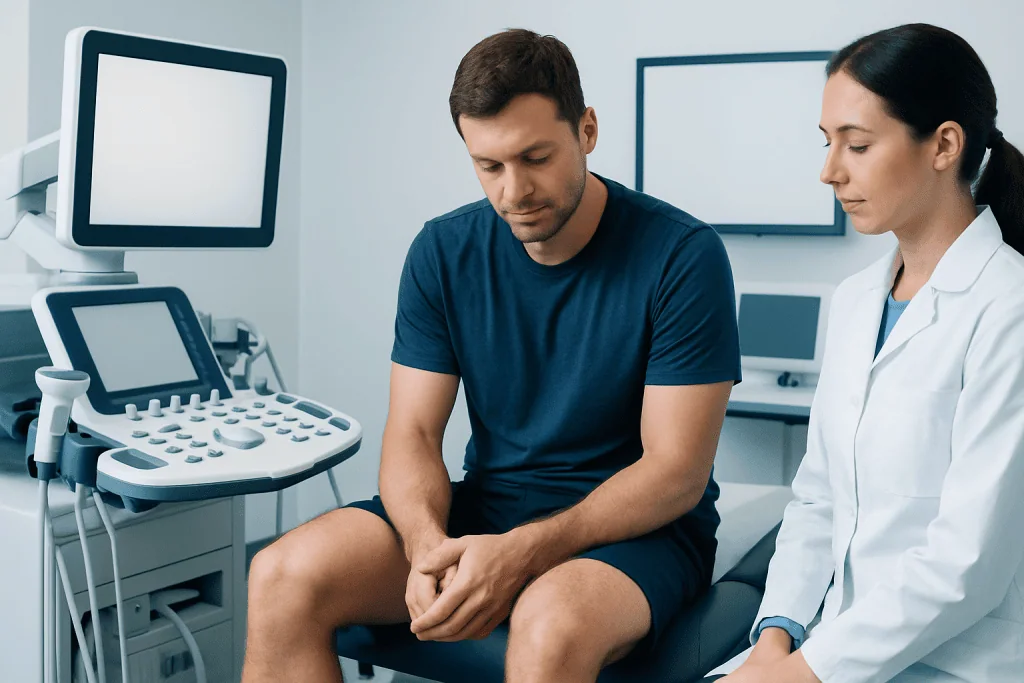
The main symptom is pain along the front or inner part of the lower leg, usually over a broad area rather than one exact point. The pain may feel dull, aching, throbbing, or tender to touch. Some people notice it at the beginning of exercise, then it eases as they warm up, only to return afterward.
As shin splints progress, the discomfort may appear earlier during activity, last longer afterward, or become strong enough to interfere with training. Mild swelling can occur in some cases. Both legs can be affected, although one side may be more painful than the other.
Symptoms that are often reported include:
- Diffuse pain along the inner lower shin
- Tenderness when pressing the area
- Pain during running, jumping, or fast walking
- Discomfort after exercise or the next day
- Occasional mild swelling in the lower leg
Not every shin pain is shin splints. Sharp, localized pain in one small spot, pain at rest, numbness, weakness, or marked swelling may suggest a different condition and should be assessed by a clinician.
Why shin splints happen
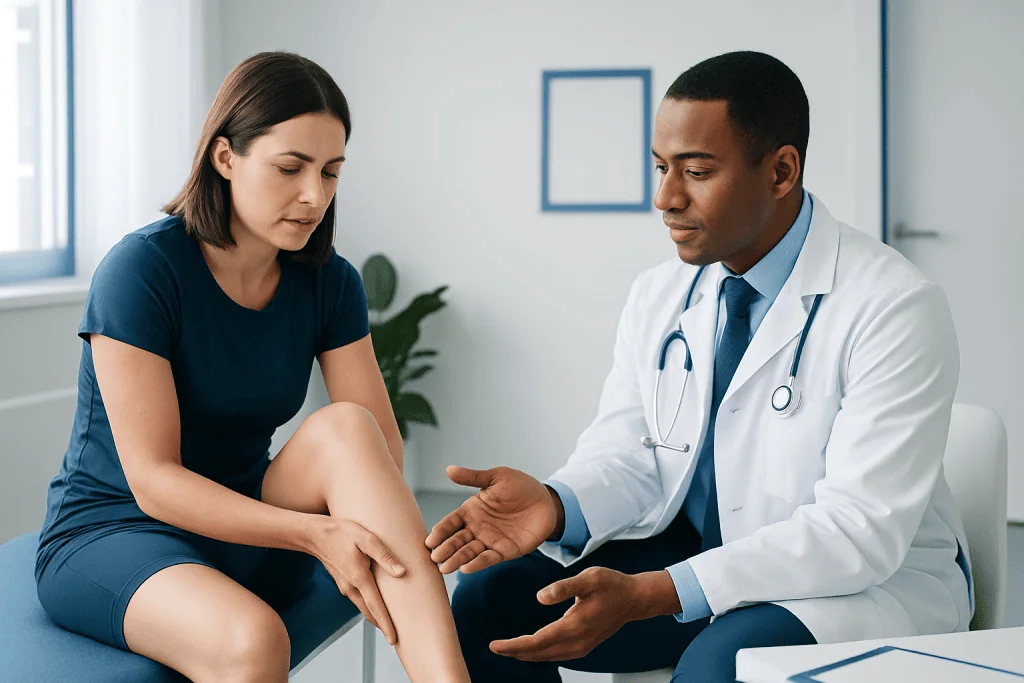
Shin splints usually develop when the lower leg is exposed to more stress than it can comfortably adapt to. Repetitive impact from running or jumping can overload the muscles that support the foot and ankle, as well as the tissue attached to the tibia. This repeated pulling and strain can irritate the bone covering and surrounding structures.
A common trigger is a sudden change in training. This may include running longer distances, increasing speed, adding hills, changing surfaces, returning to exercise after a break, or starting high-impact workouts too quickly. Footwear that no longer provides support, or shoes that do not match a person’s foot mechanics, may also contribute.
Risk factors can include:
- Rapid increases in exercise intensity, duration, or frequency
- Running on hard or uneven surfaces
- Flat feet, high arches, or other gait and alignment differences
- Tight calves or weakness in the hips, core, and lower leg muscles
- Poor recovery between training sessions
- Previous lower-limb overuse injuries
In some people, shin pain may overlap with other conditions such as tendon irritation or bone stress injuries. A clinician may consider problems like stress fracture or chronic exertional compartment syndrome when the symptoms do not fit the usual pattern of shin splints.
How doctors diagnose shin splints
Diagnosis usually begins with a medical history and physical examination. The doctor asks when the pain started, what activities trigger it, whether training recently changed, and whether the pain is spread out or located in one precise spot. The shin, foot, ankle, and lower leg muscles are then examined for tenderness, swelling, alignment, strength, and flexibility.
Shin splints are often diagnosed clinically, meaning the pattern of symptoms and the examination are enough to make the diagnosis. Imaging is not always needed. However, if the pain is severe, lasts despite rest, or seems unusually localized, imaging may be recommended to rule out other causes.
Depending on the situation, a doctor may request MRI or X-ray studies to look for bone stress injury, fracture, or another structural problem. Sometimes ultrasound or gait assessment may also be useful. The goal is not only to confirm shin splints but also to exclude conditions that need different treatment.
Important conditions that may mimic shin splints include stress fracture, tendon injuries, nerve irritation, and circulation-related problems. A careful diagnosis helps guide safe return to activity and reduces the risk of repeated injury.
Treatment and recovery options
The first step in treatment is usually to reduce or temporarily stop the activity that causes pain. This does not always mean complete inactivity. Many people can switch to lower-impact exercise, such as cycling, swimming, or certain forms of guided rehabilitation, while the shin heals. Early management often focuses on rest, ice, and avoiding repeated impact.
Doctors may recommend a structured recovery plan that includes stretching the calf muscles, strengthening the foot and lower leg, and improving hip and core control. Supportive footwear or shoe replacement may help, and some people benefit from insoles or orthotics if foot mechanics contribute to overload. In selected cases, physical therapy and rehabilitation can help correct training errors, improve movement patterns, and support a gradual return to sport.
Pain relief strategies may include short-term use of measures advised by a clinician, but medication alone does not solve the underlying problem. Recovery is often quicker when the training load is adjusted early rather than ignored. Returning too soon can cause symptoms to come back.
If another diagnosis is found, treatment may differ. For example, a stress fracture needs more protection than typical shin splints. Because of this, persistent or worsening symptoms deserve professional assessment rather than repeated self-treatment.
Prevention and self-care
Preventing shin splints usually comes down to balancing training with recovery. Exercise should increase gradually so the bones and soft tissues of the lower leg have time to adapt. A common practical approach is to avoid sudden jumps in distance, speed, or frequency, especially after time away from activity.
Warm-up, flexibility, and strength work can also help. Attention to calf flexibility, foot and ankle strength, and hip stability may reduce unnecessary stress on the shin. Running form and training surface matter as well; changing terrain or adding hills should be done progressively.
Useful self-care and prevention habits include:
- Increase exercise volume gradually
- Replace worn-out athletic shoes regularly
- Use activity-appropriate footwear
- Include rest days and recovery sessions
- Cross-train with lower-impact activities
- Address tightness or weakness with guided exercises
If shin pain starts, early action is helpful. Cutting back on impact activity for a short time, using ice after exercise, and reviewing shoes and training load may prevent a mild problem from becoming a prolonged one. People with recurring lower-leg pain may benefit from a sports medicine or orthopedic evaluation.
When to seek medical care
Medical care is recommended if shin pain does not improve after a reasonable period of rest and activity modification, or if it returns repeatedly every time exercise resumes. A doctor should also assess pain that is severe enough to limit walking, disturbs sleep, or occurs even without exercise.
Prompt assessment is especially important when the pain is sharply localized to one spot, there is significant swelling, numbness, weakness, or the lower leg feels unusually tight during activity. These features can suggest conditions other than routine shin splints and may need different treatment.
People who are unsure whether they have shin splints or another cause of leg pain can benefit from specialist review. Near the end of the care pathway, it may be helpful to involve orthopedics, sports medicine, rehabilitation, or imaging specialists. Acibadem International’s multidisciplinary specialists and JCI-accredited hospitals diagnose and treat lower-leg overuse injuries for international patients.
Frequently asked questions
Are shin splints the same as a stress fracture?
No. Shin splints usually cause more diffuse pain over a broader area of the shin, while a stress fracture often causes sharper pain in one small, localized spot. A doctor may use an exam and sometimes imaging to tell the difference.
Can a person keep running with shin splints?
It depends on the severity, but continuing high-impact exercise through pain is often not recommended. Mild cases may improve with reduced training and technique adjustments, while more painful cases need rest from running. If symptoms persist, medical advice is important.
How long do shin splints take to heal?
Recovery time varies depending on how long symptoms have been present and whether the person reduces the triggering activity early. Mild cases may settle over a few weeks, while more persistent cases can take longer. Returning gradually usually helps reduce recurrence.
What activities are safe during recovery?
Lower-impact activities such as swimming, cycling, or other exercises recommended by a clinician are often better tolerated than running or jumping. The right choice depends on pain level and the exact diagnosis. Activity should not significantly worsen symptoms.
Do shoe inserts help shin splints?
For some people, they can. Inserts or orthotics may help if foot mechanics, arch shape, or support issues contribute to repeated shin stress. They work best as part of a broader plan that also addresses training load, strength, and recovery.
When should shin pain be checked by a doctor?
A doctor should assess shin pain that is severe, persistent, getting worse, or present even at rest. Evaluation is also important if there is one very tender point, significant swelling, numbness, or weakness. These features may suggest something other than routine shin splints.
References
- American Academy of Orthopaedic Surgeons
- American College of Sports Medicine
- National Institute of Arthritis and Musculoskeletal and Skin Diseases
- Mayo Clinic
- Cleveland Clinic
This article is for general information only and is not a substitute for professional medical advice. Please consult a qualified doctor about your individual situation.
Joint and spine care in Turkey — expert assessment & treatment
JCI-accredited · board-certified surgeons · reply within 24h
Add us as a Preferred Source to see more of our trusted health content across Google Search, AI Overviews and Discover.