

Positional Headache Explained: Common Triggers and Red Flags

A positional headache is defined by a consistent change in pain with body position, not simply by pain occurring during movement. Headaches that worsen upright and improve when lying flat may be linked to low cerebrospinal fluid pressure, among other causes.
Key Takeaways
- A positional headache is defined by a consistent change in pain with body position, not simply by pain occurring during movement.
- Headaches that worsen upright and improve when lying flat may be linked to low cerebrospinal fluid pressure, among other causes.
- Headaches that worsen when lying down, coughing, straining, or on waking can sometimes suggest increased pressure inside the skull and need medical assessment.
- Migraine, neck-related pain, dehydration, medication effects, and sinus or ear problems can also create posture-sensitive headache symptoms.
- Sudden severe headache, neurological symptoms, fever, confusion, vision loss, or headache after head injury requires urgent medical care.
A positional headache is head pain that reliably changes in intensity when a person sits, stands, lies down, bends, or changes position. The pattern can offer useful diagnostic clues, but a new, severe, or persistent posture-related headache should be assessed by a qualified clinician.
What Is a Positional Headache?
A positional headache is a headache that predictably becomes better or worse with a change in body posture. For example, pain may appear or intensify after standing and ease after lying flat, or it may feel worse when lying down, bending forward, coughing, or straining. This pattern is different from an occasional headache that happens to occur while a person is standing or resting.
The direction of the change matters. A headache that is much worse upright and improves within minutes to hours of lying down is often called an orthostatic headache. A headache that becomes more noticeable when lying flat or first thing in the morning may have different possible explanations. Neither pattern alone confirms a diagnosis, but it helps a clinician decide which questions, examinations, and tests may be appropriate.
Many positional headaches are not caused by a dangerous condition. However, a new or clearly changing headache pattern deserves attention, especially when symptoms are persistent, severe, or accompanied by changes in vision, balance, strength, sensation, speech, alertness, or fever.
How the Pattern May Feel and What to Track
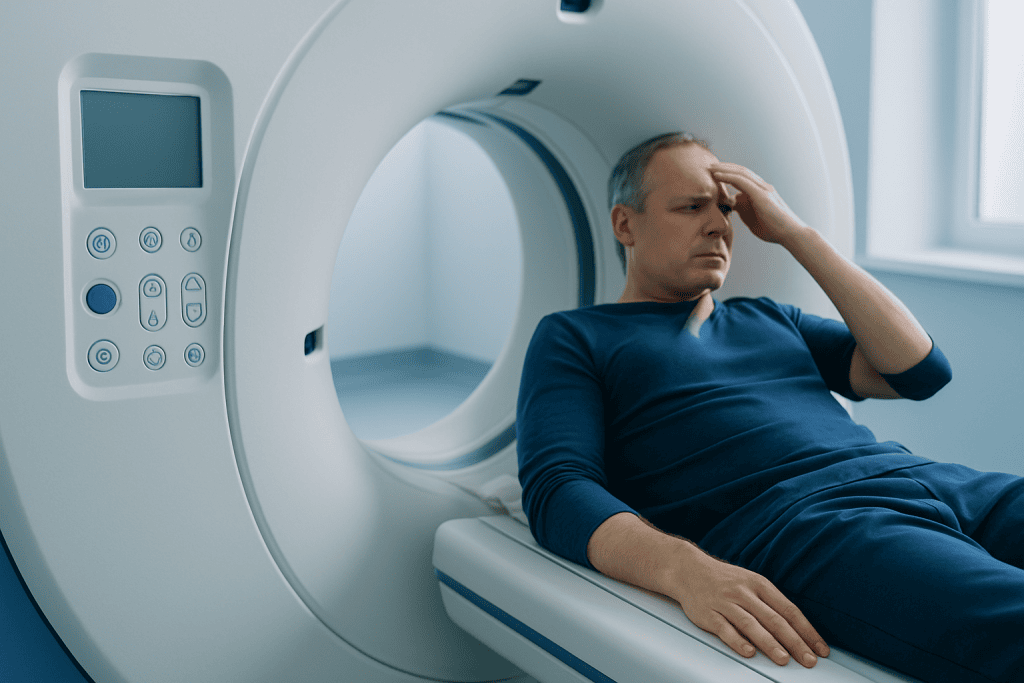
Positional headache pain may be pressure-like, throbbing, tight, or aching. It can affect the whole head or be felt at the back of the head, forehead, behind the eyes, or one side. Some people also experience neck pain, nausea, dizziness, ringing in the ears, muffled hearing, sensitivity to light, or difficulty concentrating.
For an upright-worse headache, a person may feel reasonably well on waking but develop pain after sitting or standing. The discomfort may increase through the day and improve after lying flat. In contrast, a lying-down-worse headache may be more prominent overnight, on waking, with bending, or during activities that briefly increase pressure in the chest and head, such as coughing or straining.
Keeping a short symptom record can make an appointment more productive. It is helpful to note when the headache began, how quickly it changes after altering position, its severity, associated symptoms, recent illnesses or injuries, fluid intake, sleep, menstrual timing where relevant, medications, and whether there was a recent spinal procedure. This information supports diagnosis without requiring a person to self-diagnose the cause.
Common Causes and Contributing Factors

One important cause of an orthostatic headache is low pressure or low volume of cerebrospinal fluid (CSF), the fluid that cushions the brain and spinal cord. This can occur when CSF leaks through a small opening in the covering around the spinal cord. A leak may follow a lumbar puncture, spinal anesthesia, epidural procedure, injury, or surgery. In some cases, it occurs spontaneously, sometimes in people with an underlying connective-tissue tendency.
Not every headache that changes with position is due to a CSF leak. Dehydration, prolonged bed rest, low blood pressure on standing, anemia, viral illness, and medication effects can contribute to dizziness and head discomfort when upright. Migraine may also be influenced by activity and position, although it usually has additional features such as nausea or sensitivity to light and sound. Neck muscle strain, arthritis, or irritation of upper neck structures can cause pain that changes with posture or head movement.
A headache that worsens lying down may occasionally be associated with increased pressure within the skull. Potential causes include certain disorders of CSF circulation, inflammation, blood clots in veins draining the brain, medication-related effects, or a mass affecting the brain. These conditions are less common, but the pattern is clinically important, particularly if there are vomiting, visual symptoms, confusion, weakness, or a progressively worsening course.
Sinus congestion, ear conditions, sleep disruption, and sleep apnea can also make headaches feel worse in particular positions. A clinician considers the full symptom pattern rather than relying on posture alone.
Why Cerebrospinal Fluid Pressure Matters
The brain floats within CSF, which helps protect it from everyday movement. When there is a significant reduction in CSF volume or pressure, the supporting effect changes. In an upright position, this may create traction on pain-sensitive structures, producing a characteristic headache that improves when the person lies down.
Low-CSF-pressure headache is often described as new and persistent, with a strong upright component. Neck stiffness, nausea, hearing changes, dizziness, or pain between the shoulder blades may occur. After a spinal tap or epidural, this pattern is commonly known as a post-dural puncture headache. Symptoms should be discussed with the team that performed the procedure, because treatment may be needed when conservative measures are not enough.
High pressure inside the skull can also cause headache, but its presentation is not the simple opposite in every person. Symptoms may include headache worse on waking or when lying down, transient dimming of vision, double vision, pulsating noise in an ear, nausea, or vomiting. Because vision can be affected in some causes of raised pressure, prompt assessment is important when visual symptoms are present.
How Doctors Evaluate a Positional Headache
Evaluation begins with a detailed history and neurological examination. A clinician will ask about the timing of the headache, its relation to lying down and standing, recent procedures, trauma, infection, pregnancy or postpartum status, medication use, and personal or family history. Blood pressure, pulse, hydration status, eye findings, neck movement, balance, strength, sensation, and reflexes may also be checked.
Testing is guided by the suspected cause. Depending on symptoms, this may include blood tests, an eye examination, or imaging such as magnetic resonance imaging (MRI) of the brain and sometimes the spine. MRI can help identify signs associated with altered CSF pressure and can also look for other structural causes. Computed tomography (CT) may be used in urgent situations, particularly for sudden severe headache or after injury.
Additional investigations are not necessary for every person. A clinician balances the headache pattern, examination findings, age, medical history, and red flags to decide whether monitoring, outpatient testing, or urgent evaluation is appropriate. It is best not to assume a CSF leak, sinus problem, or migraine without professional assessment when the symptoms are new or unusual.
Treatment and Day-to-Day Support
Treatment depends on the underlying cause. For example, a headache related to inadequate fluid intake, missed meals, poor sleep, or neck tension may improve with correcting those factors and following a clinician’s advice on suitable pain relief. Migraine management may include lifestyle measures and prescription treatments tailored to the individual. Treating the cause is more effective than repeatedly masking a persistent positional headache with pain medicine.
When a post-dural puncture headache or suspected CSF leak is responsible, clinicians may initially recommend rest, fluids, caffeine where medically appropriate, and symptom relief. If symptoms are severe, prolonged, or disabling, a procedure called an epidural blood patch may be considered. This uses a small amount of the person’s own blood to help seal a suspected leak and is performed by trained specialists when indicated.
People should avoid suddenly stopping prescribed medicines or taking frequent over-the-counter pain relievers without guidance. Using headache medicines too often can itself contribute to medication-overuse headache. Until reviewed, it may help to rise slowly, maintain regular meals and fluids, prioritize sleep, and avoid activities that clearly worsen symptoms. These measures are supportive and do not replace evaluation of a significant new headache pattern.
Acibadem International’s multidisciplinary specialists and JCI-accredited hospitals evaluate and treat neurological and spinal causes of persistent positional headaches for international patients when specialist care is needed.
When to Seek Medical Care
A person should arrange a medical appointment for a new positional headache that lasts more than a few days, returns repeatedly, interferes with normal activities, follows a spinal injection or lumbar puncture, or is different from previous headaches. Assessment is also appropriate if pain steadily worsens, begins after a fall or accident, or comes with persistent neck pain, nausea, hearing changes, or dizziness.
Urgent medical care is needed for a sudden, extremely severe headache that reaches maximum intensity quickly; headache with fainting, confusion, seizure, fever and stiff neck; new weakness or numbness; trouble speaking; loss of balance; or new double vision or vision loss. Emergency assessment is also important for severe headache during pregnancy or after delivery, and for a new headache in a person with cancer, significant immune suppression, or use of blood-thinning medication.
A careful evaluation is reassuring for many people because it can identify common, treatable contributors and rule out conditions needing prompt care. The key is to describe the positional pattern clearly and seek advice early rather than trying to manage persistent or escalating symptoms alone.
Frequently asked questions
Is a positional headache always caused by a CSF leak?
No. A cerebrospinal fluid leak is one possible cause, particularly when headache is clearly worse upright and improves when lying flat. Migraine, dehydration, blood pressure changes, neck-related pain, medication effects, and other conditions can also produce posture-sensitive symptoms. A clinician can assess the overall pattern and decide whether further testing is needed.
Why does my headache get worse when I stand up?
A headache that worsens when standing can occur when the body has difficulty adapting to the upright position or when CSF pressure is low. Dehydration, low blood pressure, and recent spinal procedures are examples of factors that may contribute. If the pattern is new, strong, or persistent, medical evaluation is advisable.
Why is my headache worse when lying down?
Headache that worsens lying down can be related to congestion, sleep issues, migraine, or neck position. Less commonly, it may point to increased pressure within the skull, especially when it occurs with vomiting, vision changes, or worsening symptoms on waking. A doctor should assess a new or progressive lying-down-worse headache.
Can a spinal tap or epidural cause a positional headache?
Yes. A small leak of cerebrospinal fluid can sometimes occur after a lumbar puncture, spinal anesthesia, or epidural procedure, causing pain that is usually worse upright and improved by lying down. The person should contact the clinician or facility that performed the procedure, particularly if symptoms are severe or do not improve.
How long can a positional headache last?
Duration depends on the cause. Headaches related to dehydration or temporary illness may resolve after the contributing factor is corrected, while a post-procedure headache or spontaneous CSF leak can persist without targeted treatment. Ongoing symptoms should not be ignored, particularly if the headache is limiting daily life.
Can I exercise with a positional headache?
It is generally sensible to avoid strenuous activity, heavy lifting, or actions that consistently worsen the pain until the cause is clearer. Gentle activity may be appropriate for some people, but this depends on symptoms and medical history. Anyone with red-flag symptoms or a severe new headache should seek medical advice before exercising.
References
- American Headache Society
- National Institute of Neurological Disorders and Stroke
- Mayo Clinic
- Cleveland Clinic
- International Classification of Headache Disorders, International Headache Society
This article is for general information only and is not a substitute for professional medical advice. Please consult a qualified doctor about your individual situation.
Joint and spine care in Turkey — expert assessment & treatment
JCI-accredited · board-certified surgeons · reply within 24h
Add us as a Preferred Source to see more of our trusted health content across Google Search, AI Overviews and Discover.
Check your numbers in seconds
BMI, calories, due date, blood pressure and 30+ more clinical calculators — free, instant, doctor-reviewed ranges.

More from the Health Library



Related Specialists

Dr. Fatih Kaya
General Surgery
Dr. Ömercan Yağız Öksüz
Aesthetic Plastic & Reconstructive Surgery
Dr. Bülent Şengül
Gastroenterology
Prof. Dr. Hüseyin Dindar
Pediatric Surgery