Post Pregnancy Gas: What Is Normal, What Is Not, and When to Seek Care

Gas and bloating are common after both vaginal birth and cesarean delivery. Constipation, pelvic floor changes, pain medicines, reduced movement, and swallowed air can all contribute.
Key Takeaways
- Gas and bloating are common after both vaginal birth and cesarean delivery.
- Constipation, pelvic floor changes, pain medicines, reduced movement, and swallowed air can all contribute.
- Gentle activity, fluids, regular meals, and gradual fiber intake may help reduce discomfort.
- Persistent, severe, or worsening symptoms should not be assumed to be normal postpartum recovery.
- Urgent assessment is important if gas is accompanied by severe pain, fever, vomiting, abdominal swelling, or heavy bleeding.
Post pregnancy gas is common and is usually related to hormonal changes, slowed bowel activity, constipation, healing after delivery, and changes in diet or activity. It often improves gradually in the first days to weeks after birth, but severe or worsening abdominal pain, fever, vomiting, or inability to pass stool or gas should be assessed promptly.
Post Pregnancy Gas: What Is Usually Normal?
Post pregnancy gas, bloating, burping, and passing wind are very common during the days and weeks after giving birth. For many people, these symptoms reflect normal digestive changes during recovery rather than a serious problem. The abdomen and pelvic floor have been under pressure during pregnancy, the bowel may be moving more slowly, and daily routines often change substantially after delivery.
Gas may feel like fullness, cramping, pressure, rumbling, or brief sharp pains that improve after passing wind or having a bowel movement. It can occur after a vaginal delivery or a cesarean birth. After cesarean delivery, the bowel may temporarily become sluggish because of anesthesia, surgery, pain relief medicines, and limited movement in the early recovery period.
Although post pregnancy gas can be uncomfortable, it commonly settles as bowel habits return to normal, activity increases, and the body heals. It is still important to pay attention to the pattern of symptoms. New, intense, or progressively worsening pain is not something that should automatically be attributed to gas.
Why Gas and Bloating Can Increase After Birth
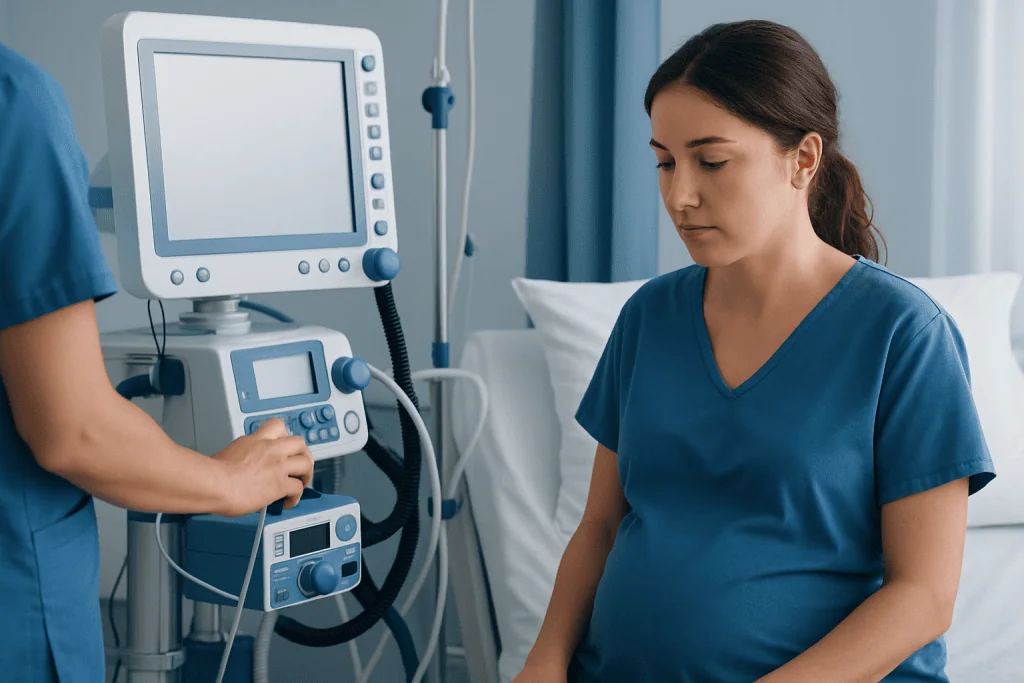
Pregnancy hormones, especially progesterone, can slow digestion by relaxing the muscles of the digestive tract. This effect may not disappear immediately after birth. A slower-moving bowel gives intestinal bacteria more time to produce gas and can also contribute to constipation, which commonly makes bloating and wind more noticeable.
The postpartum period can also disrupt usual eating, drinking, sleeping, and toileting habits. Some people eat quickly between infant feeds, skip meals, drink less water than usual, or delay going to the toilet because of discomfort, stitches, hemorrhoids, or lack of privacy. Swallowing air while eating quickly, chewing gum, drinking carbonated beverages, or drinking through a straw may add to gas.
Vaginal delivery may temporarily stretch or weaken pelvic floor muscles, which can make it harder to control passing gas. This is common and often improves as tissues recover. After a cesarean delivery, abdominal surgery and certain opioid pain medicines can contribute to constipation and trapped gas. If symptoms are ongoing or difficult to manage, a clinician can assess for constipation and other digestive concerns.
Symptoms That Can Accompany Postpartum Gas

Typical gas-related symptoms include bloating, a sense of abdominal pressure, frequent passing of wind, burping, and cramp-like discomfort that comes and goes. The discomfort may shift around the abdomen and often improves after passing gas or stool. Mild constipation, straining, or the feeling of incomplete emptying can occur at the same time.
It can be difficult to distinguish intestinal discomfort from normal uterine cramping after birth. Uterine contractions, often called afterpains, are particularly common during breastfeeding because oxytocin helps the uterus contract. These cramps are usually felt low in the abdomen or pelvis and tend to lessen over time, whereas gas discomfort may be more variable and may ease after a bowel movement.
People recovering from a cesarean delivery may notice shoulder-tip discomfort as well as abdominal bloating shortly after surgery. This may be related to positioning, reduced movement, or referred discomfort and should gradually improve. A care team should be told about pain that is severe, persistent, or not improving as expected.
Practical Ways to Ease Gas During Recovery
Gentle movement is often one of the most useful measures. Short, regular walks, if approved by the maternity care team, can stimulate bowel movement and help gas pass. Changing position, sitting upright after meals, and avoiding long periods of immobility may also reduce the feeling of trapped wind, especially after a cesarean birth.
Regular fluids and meals can support bowel function. Fiber-rich foods such as fruits, vegetables, beans, whole grains, and prunes may help prevent constipation, but fiber is best increased gradually because a sudden large increase can cause more gas. Some people find that temporarily limiting carbonated drinks, very large meals, and foods that personally trigger bloating is helpful. There is no need to avoid nutritious foods unless they consistently worsen symptoms or a clinician recommends it.
Going to the toilet when the urge occurs can prevent stool from becoming harder and more difficult to pass. A footstool under the feet may make bowel movements more comfortable for some people. If constipation is significant, a doctor, midwife, or pharmacist can advise on postpartum-safe options, including whether a stool softener or laxative is appropriate. Avoid starting medicines or herbal remedies without professional advice, particularly while breastfeeding.
- Walk gently and regularly as recovery allows.
- Drink enough fluids throughout the day.
- Eat regular meals and increase fiber gradually.
- Take time to use the toilet without straining.
- Discuss persistent constipation or pain medicine side effects with a clinician.
Food, Breastfeeding, and Gut Changes
Breastfeeding itself does not usually cause gas in the parent, but feeding an infant can make it harder to eat regularly, drink enough, rest, and respond to the urge to have a bowel movement. Breastfeeding also increases fluid needs, so maintaining adequate hydration can be especially helpful when constipation and bloating are present.
There is no universal postpartum diet for gas. Foods such as beans, lentils, onions, cabbage, dairy products, wheat, and sugar alcohols can increase gas in some individuals, but they do not affect everyone in the same way. Keeping a simple record of meals and symptoms for several days can help identify consistent personal triggers without unnecessarily restricting the diet.
Gas in a breastfed baby is not usually caused by the parent eating gas-producing foods. Gas is formed in the parent’s own digestive tract and does not pass into breast milk. A clinician or lactation professional can offer individualized guidance if there are concerns about maternal nutrition, an infant’s feeding, or a possible food sensitivity.
When to Seek Medical Care
Contact a doctor, midwife, or maternity unit if gas and bloating are not gradually improving, are interfering with eating or recovery, or occur with ongoing constipation despite basic self-care. Medical review is also appropriate for new diarrhea, blood in the stool, pain during bowel movements, or symptoms that continue beyond the expected early recovery period.
Seek urgent medical care for severe or worsening abdominal pain, a hard or markedly swollen abdomen, repeated vomiting, fever, chills, fainting, shortness of breath, inability to pass stool or gas, or feeling very unwell. These symptoms can occasionally indicate conditions that need prompt treatment, such as a bowel obstruction, infection, bleeding, or another postpartum complication.
Heavy vaginal bleeding, large clots, foul-smelling discharge, worsening pelvic pain, redness or discharge from a cesarean incision, chest pain, or one-sided leg swelling also require urgent assessment. These symptoms may not be caused by gas and should be evaluated promptly. It is always appropriate to contact the care team if something feels different from the expected recovery pattern.
Medical Assessment and Treatment Options
A clinician will usually ask about the timing of symptoms, delivery type, bowel movements, diet, medicines, breastfeeding, and associated signs such as nausea, bleeding, fever, or urinary symptoms. They may examine the abdomen, assess a cesarean incision if relevant, and consider whether constipation, hemorrhoids, pelvic floor recovery, infection, or another condition could be contributing.
For uncomplicated symptoms, treatment often focuses on restoring regular bowel habits with fluids, suitable dietary changes, movement, and clinician-approved medicines when needed. If pain medicines are causing constipation, the prescriber may review the plan. Persistent abdominal symptoms may require blood tests, stool tests, ultrasound, or other investigations based on the individual situation.
People with ongoing bowel difficulties, leakage of gas or stool, or pelvic pressure may benefit from pelvic floor assessment and rehabilitation. Acibadem International’s multidisciplinary specialists and JCI-accredited hospitals can assess postpartum digestive and pelvic health concerns for international patients, with care tailored to the person’s recovery and clinical needs.
Frequently asked questions
How long does post pregnancy gas last?
For many people, gas and bloating improve during the first days to weeks after birth as bowel movement, activity, and eating habits become more regular. Recovery may take longer after a cesarean delivery or when constipation is present. Symptoms that persist, worsen, or cause significant pain should be discussed with a healthcare professional.
Is trapped gas normal after a cesarean delivery?
Some gas and abdominal bloating are common after a cesarean delivery because surgery, anesthesia, pain medicines, and reduced movement can slow bowel activity. Gentle walking, fluids, and following the surgical team’s recovery advice can help. Severe pain, vomiting, abdominal swelling, fever, or inability to pass gas or stool needs urgent medical assessment.
Can postpartum hormones cause gas?
Yes. Hormonal changes during pregnancy can slow digestion, and bowel function may take time to normalize after delivery. Other postpartum factors, including constipation, disrupted meals, stress, and reduced movement, can add to the problem.
Does breastfeeding cause gas in the mother?
Breastfeeding does not directly cause gas, but it can make regular hydration, meals, rest, and toilet routines more difficult. These changes can contribute to constipation and bloating. Drinking fluids regularly and eating balanced meals may support digestion while breastfeeding.
What foods should be avoided for postpartum gas?
There is no single list of foods that everyone needs to avoid. Carbonated drinks, very large meals, and particular foods such as beans, onions, dairy, or certain sweeteners may worsen gas for some people. It is usually better to identify individual triggers than to restrict nutritious foods unnecessarily.
When is postpartum abdominal pain not just gas?
Pain should be assessed promptly if it is severe, worsening, constant, or accompanied by fever, vomiting, a swollen or hard abdomen, fainting, heavy bleeding, foul-smelling discharge, or inability to pass stool or gas. These signs can indicate a condition other than routine digestive discomfort. When uncertain, contacting a maternity care provider is the safest choice.
References
- American College of Obstetricians and Gynecologists
- National Health Service
- Mayo Clinic
- National Institute of Diabetes and Digestive and Kidney Diseases
This article is for general information only and is not a substitute for professional medical advice. Please consult a qualified doctor about your individual situation.
Persistent digestive symptoms? Get evaluated in Turkey
JCI-accredited · board-certified surgeons · reply within 24h
Add us as a Preferred Source to see more of our trusted health content across Google Search, AI Overviews and Discover.