Post Prostatectomy Diet: An Evidence-Based Patient Guide

Start with easy-to-digest foods and adequate fluids, then return gradually to a balanced Mediterranean-style eating pattern. Protein supports tissue repair, while fiber and hydration can help prevent constipation caused by anesthesia, pain medicines, and reduced activity.
Key Takeaways
- Start with easy-to-digest foods and adequate fluids, then return gradually to a balanced Mediterranean-style eating pattern.
- Protein supports tissue repair, while fiber and hydration can help prevent constipation caused by anesthesia, pain medicines, and reduced activity.
- Limit alcohol, excessive caffeine, very spicy foods, and foods that cause personal bladder or bowel irritation during early recovery.
- There is no single food that prevents prostate cancer recurrence; overall dietary pattern, weight management, activity, and follow-up care matter more.
- Seek prompt medical advice for fever, worsening pain, persistent vomiting, inability to drink, severe constipation, or urinary catheter concerns.
A post prostatectomy diet should emphasize fluids, protein-rich foods, fiber introduced gradually, and minimally processed plant foods to support healing and regular bowel movements. Individual instructions from the surgical team take priority, especially while a urinary catheter is in place or if nausea, constipation, diabetes, kidney disease, or treatment-related appetite changes are present.
Post Prostatectomy Diet: The Main Principles
A post prostatectomy diet is not usually a restrictive or specialized long-term diet. In the first days after prostate removal, the priority is to drink enough fluid, eat foods that are comfortable to tolerate, and prevent constipation while the body heals. As appetite and bowel function return, most people can move toward a balanced pattern rich in vegetables, fruit, whole grains, beans, fish, and other lean protein sources.
The surgical team’s discharge advice should always guide recovery. Instructions may differ depending on whether surgery was open, laparoscopic, or robotic, whether lymph nodes were removed, and whether the person has diabetes, kidney disease, heart disease, swallowing problems, or another condition affecting food choices. A temporary urinary catheter is common after radical prostatectomy, and some people find that certain drinks or foods irritate the bladder while it is in place.
Nutrition is one part of a broader post prostatectomy protocol. Gentle walking, prescribed pelvic-floor rehabilitation, catheter care, wound care, pain control, and follow-up appointments all contribute to recovery. Diet can support these steps, but it does not replace individualized medical care.
How Prostate Removal Works and Who May Need It
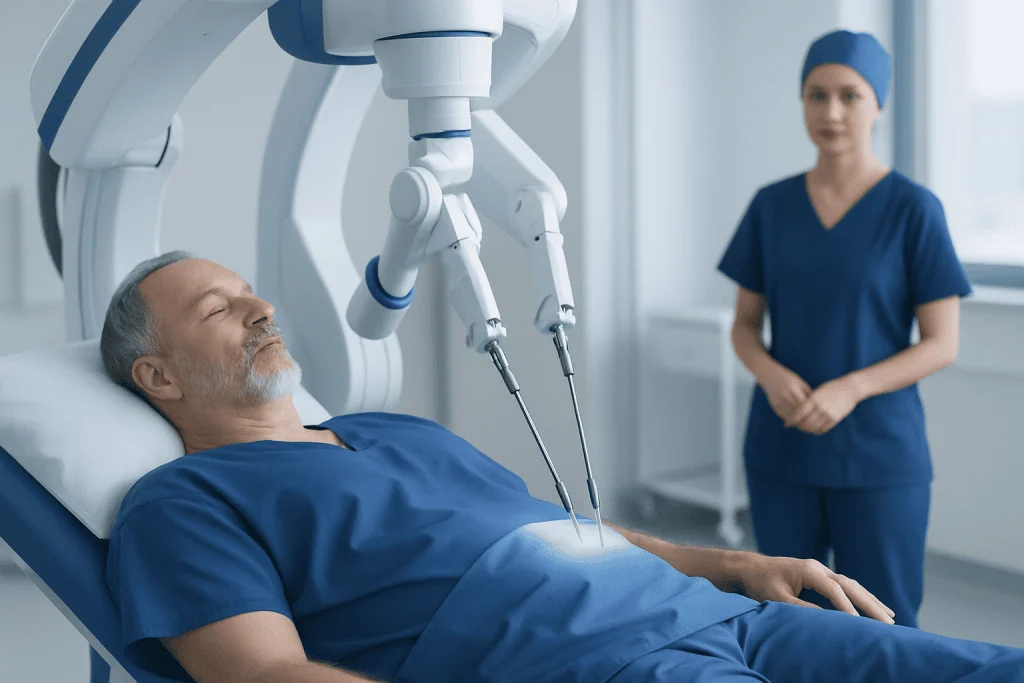
Prostatectomy means surgical removal of part or all of the prostate gland. A radical prostatectomy removes the prostate and seminal vesicles and is most often used to treat localized prostate cancer. The procedure may be performed through open surgery or minimally invasive laparoscopic or robotic techniques. The surgeon may also remove nearby lymph nodes when there is a clinical reason to assess whether cancer has spread.
Candidacy is based on several factors, including the cancer’s stage and grade, prostate-specific antigen results, imaging findings, expected benefit of treatment, urinary and sexual function before surgery, age, overall health, and personal priorities. Surgery is one option among several for some people with prostate cancer, so discussions commonly include active surveillance, radiation therapy, hormone therapy, and other approaches where appropriate.
During the operation, the prostate is separated from surrounding structures and the bladder is reconnected to the urethra. Nerve-sparing techniques may be considered when medically appropriate to help preserve erectile function. A catheter drains urine while this connection heals. For more information about the condition that may lead to surgery, see prostate cancer.
Recovery Timeline and How Food Fits In

Immediately after surgery, the medical team typically begins with clear fluids and advances the diet as nausea improves and bowel sounds return. This may progress to soups, yogurt, toast, eggs, cooked cereals, rice, potatoes, soft fruit, cooked vegetables, fish, or poultry. Smaller meals can be easier than large meals during the first few days, particularly if appetite is reduced.
In the first one to two weeks, adequate fluid and protein intake are especially useful for recovery. Appetite often improves steadily, but fatigue is common and may affect meal preparation. Simple options such as yogurt, eggs, lentil soup, beans, fish, chicken, tofu, cottage cheese, and nut butter can help meet protein needs without requiring large portions.
A post prostatectomy rehab protocol often also includes gradual activity and pelvic-floor exercises recommended by a clinician or physiotherapist. Recovery can vary considerably. Catheter removal, return to normal energy, bowel regularity, continence improvement, and sexual rehabilitation occur on different timelines, so progress should be assessed with the treating team rather than compared with another person’s experience.
Post prostatectomy outcome measures can include cancer control, urinary continence, erectile function, complications, quality of life, and return to usual daily activities. A nutritious dietary pattern supports general health and healing, but no particular food or supplement can reliably determine these outcomes.
What Is the Best Diet to Follow After Prostate Removal?
The best diet after prostate removal is generally a flexible, Mediterranean-style pattern adjusted to recovery needs: plenty of vegetables and fruit, whole grains, beans, nuts, olive oil, fish or other lean proteins, and limited highly processed foods. During the first days, softer and lower-fiber foods may be more comfortable; fiber can then be increased gradually as bowel function normalizes.
Protein is important for wound healing and maintaining muscle during a period of lower activity. Include a protein food at each meal if possible. Fiber helps reduce constipation, but increasing it too rapidly can cause bloating. Pair fiber-rich foods with water and gentle movement. If constipation persists, the surgical team may recommend a stool softener or other treatment; patients should not start laxatives or supplements without checking their instructions.
- Early recovery choices: broth-based soups, oatmeal, yogurt, eggs, soft-cooked vegetables, bananas, rice, potatoes, lean poultry, fish, tofu, and well-cooked beans if tolerated.
- As recovery progresses: salads, whole-grain breads, lentils, chickpeas, berries, nuts, seeds, and a wider range of vegetables and fruit.
- Practical approach: eat smaller meals, chew thoroughly, and choose foods that feel comfortable rather than forcing a large meal.
People managing diabetes, chronic kidney disease, inflammatory bowel disease, or unintentional weight loss may need individualized nutrition advice. A registered dietitian can tailor food choices to medical needs and recovery goals.
What Not to Eat After Prostate Removal?
There is rarely a permanent list of forbidden foods after prostatectomy. However, it is sensible to limit foods and drinks that worsen nausea, constipation, bloating, diarrhea, or bladder irritation during early healing. Fried meals, very fatty foods, heavily processed snacks, and large portions may be difficult to tolerate shortly after anesthesia.
Alcohol should generally be avoided until the surgeon says it is safe, particularly while taking opioid pain medicines, antibiotics, sedatives, or other medicines that may interact with it. Caffeine, carbonated drinks, acidic citrus drinks, artificial sweeteners, very spicy foods, and chocolate can increase urgency or bladder discomfort for some people. They do not affect everyone the same way, so a gradual, individual approach is reasonable after the immediate recovery period.
Processed meats and frequent high-salt, highly refined foods are best kept occasional as part of long-term health planning. Rather than focusing on a single restricted item, aim for an overall eating pattern that supports a healthy weight, blood pressure, blood sugar, and heart health. This is particularly relevant because long-term prostate cancer care may involve treatments that affect metabolism or bone health.
What Is the Number One Food for the Prostate?
There is no number one food for the prostate and no food that can replace medical follow-up or treatment. Research supports overall dietary patterns more strongly than individual “superfoods.” A pattern centered on varied plant foods, healthy fats, and adequate protein is a practical evidence-based approach for general health after prostate surgery.
Tomatoes and other cooked tomato products are often discussed because they contain lycopene, and cruciferous vegetables such as broccoli, cabbage, and cauliflower are nutritious additions to meals. Fish, legumes, berries, whole grains, and nuts also provide valuable nutrients. These foods are beneficial because they contribute to a balanced diet, not because they are proven to cure prostate cancer or prevent recurrence.
Dietary supplements marketed for prostate health should be approached carefully. Some may interact with medicines, affect bleeding risk, or provide unnecessary high doses of nutrients. It is safest to discuss any supplement, herbal product, or concentrated antioxidant product with the urologist, oncologist, pharmacist, or dietitian before using it.
What Is the Best Drink to Drink After Prostate Surgery?
For most people, water is the best drink after prostate surgery. Regular fluid intake helps prevent dehydration and can support bowel regularity. Unless the clinical team has set a fluid limit for heart, kidney, or another medical condition, sipping water throughout the day is usually more comfortable than drinking very large amounts at once.
Clear soups, milk or fortified plant-based alternatives, and non-caffeinated drinks may also fit into recovery. If nausea is present, small sips of water, oral rehydration fluids when advised, or mild teas may be easier to manage. A person with diabetes should select beverages carefully to avoid unnecessary added sugars.
While the catheter is present and in the weeks after it is removed, reduce or avoid drinks that trigger urgency, burning, leakage, or bladder spasms. Common triggers include alcohol, coffee, energy drinks, cola, strongly caffeinated tea, and fizzy drinks. The right amount of fluid should be confirmed with the treating team; intentionally drinking too little can concentrate urine and may worsen discomfort or constipation.
When to Seek Medical Care
Contact the surgical team promptly for a fever, chills, worsening redness or drainage around an incision, increasing abdominal or pelvic pain, persistent vomiting, inability to keep fluids down, or a swollen abdomen. These symptoms do not always indicate a serious complication, but they need timely assessment after surgery.
Urgent advice is also needed if the catheter stops draining, falls out, leaks heavily around the catheter with pain or bladder fullness, or if there are large blood clots in the urine. Mild blood-tinged urine can occur after surgery or catheter movement, but the team should explain what is expected for the individual situation.
Severe constipation, no bowel movement for several days with worsening discomfort, new shortness of breath, chest pain, one-sided leg swelling, or sudden confusion require urgent medical assessment. Patients should follow the emergency instructions provided at discharge and should not attempt to remove or replace a catheter themselves.
Acibadem International’s multidisciplinary specialists and JCI-accredited hospitals provide evaluation and treatment for international patients undergoing prostate cancer care and recovery planning.
Frequently asked questions
How soon can someone eat normally after prostatectomy?
Many people begin with clear fluids and progress to light, easy-to-digest meals within a short time after surgery, depending on nausea and return of bowel function. A usual balanced diet can often be resumed gradually over days to weeks. The surgical team’s discharge instructions should take priority, particularly if there were complications or other health conditions.
Should fiber be increased immediately after prostate surgery?
Fiber can help prevent constipation, but a sudden large increase may cause gas, bloating, or discomfort soon after surgery. It is usually best to add fiber gradually while drinking enough water and walking as advised. If constipation is persistent or painful, the patient should contact the care team for guidance.
Can coffee be consumed after prostate removal?
Coffee is not permanently prohibited for most people, but caffeine can worsen bladder urgency, frequency, leakage, or irritation during recovery. It is often sensible to avoid it initially and reintroduce a small amount later if symptoms allow. Decaffeinated choices may be better tolerated by some people.
Does diet affect urinary leakage after prostatectomy?
Diet does not directly repair the urinary sphincter, but avoiding personal bladder irritants and preventing constipation may make urinary symptoms easier to manage. Pelvic-floor exercises prescribed by a qualified clinician are an important part of continence rehabilitation. Ongoing or troublesome leakage should be discussed at follow-up appointments.
Are protein shakes helpful after prostate surgery?
A protein shake can be a convenient option if appetite is low or eating enough protein is difficult. It should complement, rather than replace, a varied diet when possible. People with kidney disease, diabetes, food allergies, or cancer-related weight loss should ask their healthcare team or dietitian for individualized advice.
Can supplements prevent prostate cancer from returning after surgery?
No supplement has been proven to prevent recurrence after prostatectomy. High-dose vitamins, antioxidants, herbal products, and prostate supplements may have side effects or interact with medicines. Follow-up testing and treatment recommendations from the urology and oncology team remain essential.
References
- American Cancer Society
- National Cancer Institute
- American Urological Association
- European Association of Urology
- Academy of Nutrition and Dietetics
This article is for general information only and is not a substitute for professional medical advice. Please consult a qualified doctor about your individual situation.
Persistent digestive symptoms? Get evaluated in Turkey
JCI-accredited · board-certified surgeons · reply within 24h
Add us as a Preferred Source to see more of our trusted health content across Google Search, AI Overviews and Discover.
Check your numbers in seconds
BMI, calories, due date, blood pressure and 30+ more clinical calculators — free, instant, doctor-reviewed ranges.