Post Stem Cell Transplant Immunizations: Procedure, Recovery and Results

Stem cell transplantation can weaken or erase immunity gained from earlier vaccines, making revaccination an important part of long-term follow-up. Most inactivated vaccines are restarted months after transplant, while live vaccines are delayed and only considered for selected people with adequate immune recovery.
Key Takeaways
- Stem cell transplantation can weaken or erase immunity gained from earlier vaccines, making revaccination an important part of long-term follow-up.
- Most inactivated vaccines are restarted months after transplant, while live vaccines are delayed and only considered for selected people with adequate immune recovery.
- The timing depends on whether the transplant used the patient’s own cells or donor cells, as well as graft-versus-host disease and immune-suppressing treatment.
- Vaccines may be postponed during active illness, intensive immune suppression or certain transplant complications.
- Fever, pain, breathing symptoms or signs of infection after transplantation should be discussed promptly with the transplant team.
Post stem cell transplant immunizations are a planned series of vaccines given after the immune system begins to recover. Because many previous vaccine protections may be reduced or lost after transplant, the transplant team creates an individual schedule based on transplant type, immune recovery, medicines and overall health.
Overview: Why Immunizations Are Needed After Transplant
Post stem cell transplant immunizations are vaccines given after a hematopoietic stem cell transplant, also called a bone marrow or blood stem cell transplant. They help restore protection from preventable infections after high-dose treatment and transplantation have weakened the immune system. The process is not usually a single injection; it is a carefully timed program of repeated vaccines and follow-up appointments.
Even if a person was fully vaccinated before transplant, their earlier protection may no longer be reliable. The transplant process can reduce immune memory, and donor-derived immune cells in an allogeneic transplant need time to mature. The aim is to rebuild protection safely once the body can respond to vaccines.
The precise plan should always come from the transplant physician or infectious diseases specialist. Recommendations vary with age, local vaccine schedules, the reason for transplant, laboratory results, graft-versus-host disease (GVHD), and medicines that suppress immune activity.
How Post Stem Cell Transplant Immunizations Work
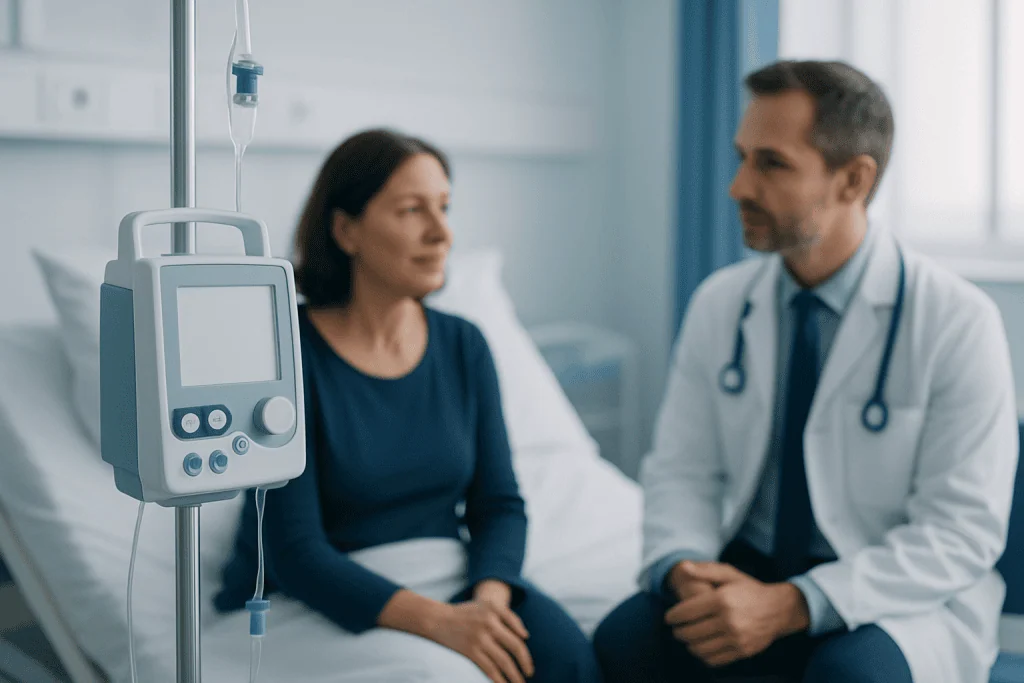
Vaccines train the recovering immune system to recognize selected germs before a real infection occurs. After transplant, the immune response is often slower or weaker than it is in people who have not had a transplant. For this reason, several vaccines are commonly given as a primary series rather than assuming older vaccinations still provide full protection.
Inactivated, non-live vaccines are generally used first. These may include vaccines against pneumococcal disease, diphtheria, tetanus, pertussis, polio, Haemophilus influenzae type b, hepatitis B, meningococcal disease, influenza and COVID-19, according to an individual plan and local recommendations. Some vaccines require several doses over time to improve the chance of a protective response.
Live vaccines contain weakened organisms and can pose risks when immunity is low. They are therefore not used early after transplant. In carefully selected patients, a live vaccine may be considered much later only when the person has adequate immune recovery, is not receiving immune-suppressing treatment, has no active GVHD and meets other safety criteria set by the transplant team.
Who Is a Candidate and When Should I Get Re-vaccinated After a Stem Cell Transplant?
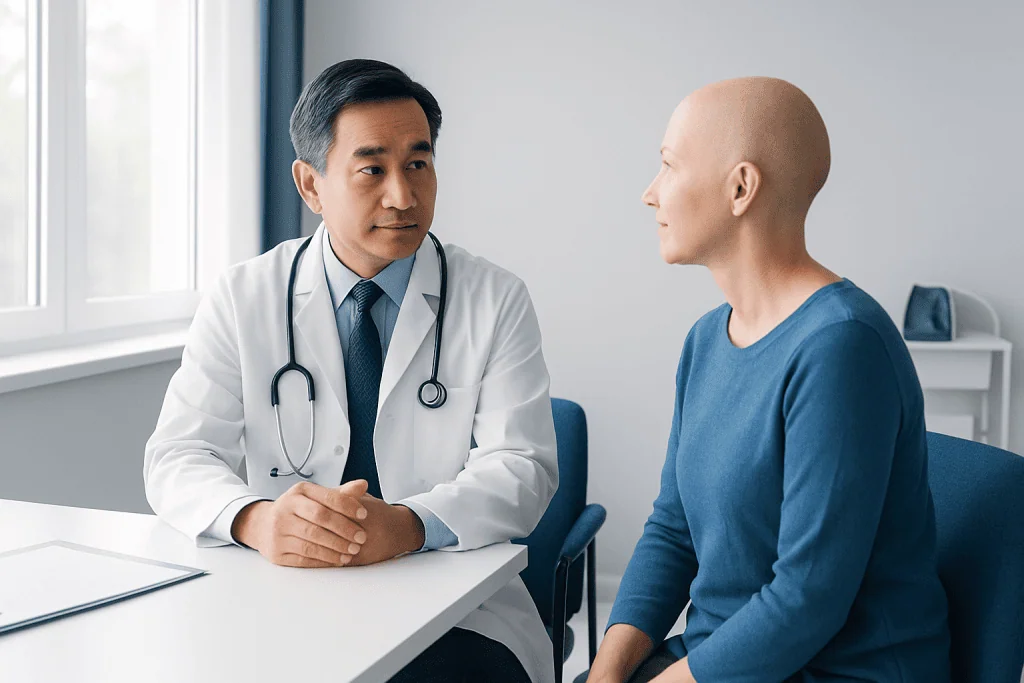
Most people who have undergone an autologous transplant, using their own stem cells, or an allogeneic transplant, using donor stem cells, will need a post-transplant vaccination plan. The schedule commonly begins several months after transplant, but there is no single date that is right for everyone. A clinician considers blood counts, immune-cell recovery, infection history, ongoing treatment and complications before recommending each vaccine.
Inactivated vaccines are often started around 3 to 6 months after transplant, although some may begin later depending on the person’s clinical situation and national guidance. Seasonal influenza vaccination may be advised earlier during an influenza season, even if the response may be incomplete. COVID-19 vaccination is also usually incorporated into the recovery plan according to current public-health guidance.
Live vaccines are typically delayed until at least 24 months after an allogeneic transplant and may remain unsuitable for some people. They should never be received without explicit approval from the transplant team. Household members may also need recommended vaccines to reduce the chance of bringing infections into the home, although they should ask a clinician about any live vaccines.
A written immunization record is useful. Patients should bring it to transplant, primary care and infectious diseases appointments so clinicians can coordinate care and avoid missed or duplicate doses.
Step-by-Step: The Immunization Procedure and Monitoring
Before vaccination, the care team reviews the transplant history, current medicines, recent infections, allergies, previous vaccinations and any signs of GVHD. Blood tests may be used to assess general recovery, although testing is not needed before every vaccine. Vaccination may be deferred if a person has a moderate or severe acute illness, uncontrolled transplant complication or a treatment that is expected to markedly limit vaccine response.
Most vaccines are injected into a muscle, usually in the upper arm. The appointment itself is brief, but post-transplant patients may have several injections at a visit or return at scheduled intervals for additional doses. The team records the vaccine name, date and planned next dose.
Patients are usually observed briefly after an injection in case of an immediate allergic reaction. The team also explains expected local effects and provides instructions on when to call. In some situations, antibody testing after selected vaccine series may be considered to help guide further doses, particularly when immune recovery has been delayed.
People undergoing follow-up after stem cell transplantation benefit from coordinated input from transplant physicians, hematologists, infectious diseases specialists, pharmacists and primary care clinicians. This approach helps align vaccinations with ongoing cancer treatment, immune-suppressing medicines and long-term survivorship care.
Recovery Timeline, Benefits and Possible Risks
Recovery after transplant occurs in stages. Blood counts may improve in weeks, but immune recovery often takes many months and can take longer after a donor transplant, GVHD or prolonged immune suppression. Vaccination is therefore part of a longer recovery pathway rather than an immediate post-procedure event.
The benefit of post-transplant immunizations is a lower risk of certain serious, vaccine-preventable infections as immune protection is rebuilt. Vaccines do not eliminate all infection risk, and their effectiveness can be reduced while immunity is still recovering. Hand hygiene, food safety, avoiding close contact with people who are ill and following the transplant team’s precautions remain important.
Common vaccine reactions include temporary soreness, redness or swelling at the injection site, fatigue, headache, mild fever or muscle aches. These symptoms usually settle within a few days. Serious allergic reactions are uncommon, but urgent assessment is needed for breathing difficulty, widespread hives, facial swelling, fainting or rapidly worsening symptoms.
Vaccinations do not cause GVHD, but timing may be adjusted when GVHD is active or immune-suppressing medicines are being changed. The care team weighs the potential benefit of vaccination against the likelihood of an adequate immune response at that particular time.
What Can You Not Do After Stem Cell Injections?
The term “stem cell injections” can mean the infusion of stem cells during transplantation. After a stem cell transplant, restrictions depend on the phase of recovery, blood counts, immune status and any complications. Early after transplant, patients are usually advised to avoid exposure to people with contagious illnesses, crowded indoor settings when infection risk is high, untreated water and foods that may carry infection risks.
They should not receive any vaccine, especially a live vaccine, unless the transplant team has reviewed and approved it. Patients should also avoid stopping prescribed antiviral, antibacterial, antifungal or immune-suppressing medicines on their own. Any herbal product, supplement or over-the-counter medicine should be checked first because interactions and safety concerns may apply.
Strenuous activity, travel and return to work or school may need to be gradual. The team can advise when it is safe to resume driving, exercise, sexual activity and other everyday activities. Individual precautions are particularly important for people receiving immune-suppressing therapy or experiencing graft-versus-host disease.
How Long Is Recovery From Stem Cell Injections?
There is no fixed recovery time after a stem cell transplant. Initial recovery, including engraftment and improvement in blood counts, may occur over several weeks. However, rebuilding immune function, energy, strength and emotional wellbeing commonly takes months, and some people need a year or longer before they feel closer to their usual level.
Recovery can be longer after an allogeneic transplant because donor cells need to establish themselves and because GVHD or immune-suppressing treatment may occur. The original disease, prior chemotherapy or radiation, infections, nutritional status and age can also affect the pace of recovery.
Regular follow-up allows the team to monitor blood counts, organ function, infections, medication effects and vaccination progress. Rehabilitation, nutritional support, mental health support and gradual physical activity may all have a role in recovery. New or persistent symptoms should be reported rather than assumed to be a normal part of healing.
Does Your Body Change After a Stem Cell Transplant? When to Seek Medical Care
Yes. A stem cell transplant can bring temporary and, sometimes, longer-lasting physical changes. Fatigue, reduced stamina, appetite changes, altered taste, hair loss from prior treatment, skin changes and changes in fertility or hormone function may occur. In a donor transplant, the immune system becomes donor-derived, while the rest of the person’s body remains their own; this can contribute to the need for revaccination and careful immune monitoring.
Some changes improve as treatment effects lessen and the immune system recovers. Others require focused care, such as support for bone health, endocrine effects, fertility concerns, nutrition, emotional health or chronic GVHD. The transplant team can explain which effects are expected for the individual and arrange appropriate referrals.
Seek medical care promptly for a fever or chills, new cough or shortness of breath, chest pain, confusion, persistent vomiting or diarrhea, a painful rash, jaundice, unusual bleeding, severe weakness, or symptoms that worsen quickly. Contact the transplant team urgently rather than waiting for a routine visit, as infections and transplant-related complications may need early treatment.
Acibadem International’s multidisciplinary specialists at JCI-accredited hospitals support diagnosis, transplant follow-up and individualized immunization planning for international patients.
Frequently asked questions
When should I get re-vaccinated after a stem cell transplant?
Most people begin selected inactivated vaccines several months after transplant, often around 3 to 6 months, but timing is individualized. The transplant type, immune recovery, GVHD and immune-suppressing medicines all influence the schedule. Live vaccines are generally delayed much longer and require specific approval from the transplant team.
Do I need vaccines if I was vaccinated before my transplant?
Usually, yes. High-dose treatment and transplantation can weaken or remove protection from previous vaccines. The post-transplant schedule commonly repeats key vaccines as a new series, even when a person was fully vaccinated before treatment.
Can I get a flu or COVID-19 vaccine after transplant?
These vaccines are commonly included in post-transplant care because respiratory infections can be more serious during immune recovery. The best timing depends on the season, the time since transplant and current immune-suppressing treatment. The transplant team should provide the exact recommendation.
What can you not do after stem cell injections?
After stem cell transplantation, patients should avoid unapproved vaccines, especially live vaccines, and should not stop prescribed medicines without medical advice. During early recovery, they may also need to avoid infection exposures, certain high-risk foods and activities that exceed their current strength. Restrictions are adjusted as immunity and general health improve.
How long is recovery from stem cell injections?
Early physical recovery may take weeks, while immune recovery commonly takes months and can take a year or longer. Recovery may be prolonged after donor transplantation, GVHD, infection or continuing immune suppression. Follow-up appointments help guide a safe return to normal activities.
Does your body change after a stem cell transplant?
A transplant can affect energy, strength, appetite, skin, hair, fertility, hormones and infection risk, especially during the first months. In a donor transplant, the immune system is rebuilt from donor stem cells, which is one reason previous vaccine protection may not remain reliable. Many changes improve with time, while others may need specialist care.
References
- Centers for Disease Control and Prevention
- European Society for Blood and Marrow Transplantation
- American Society for Transplantation and Cellular Therapy
- World Health Organization
- Infectious Diseases Society of America
This article is for general information only and is not a substitute for professional medical advice. Please consult a qualified doctor about your individual situation.
Stem Cell Transplant in Turkey — costs, top hospitals & a free quote
JCI-accredited · board-certified surgeons · reply within 24h
Add us as a Preferred Source to see more of our trusted health content across Google Search, AI Overviews and Discover.

Organ Transplantation
Kidney, liver and bone-marrow transplantation programs with dedicated coordination.
4 specialists in this unit