Post Wisdom Teeth Removal Care: Procedure, Recovery and Results

Biting on gauze as instructed, resting and avoiding suction help protect the blood clot after extraction. Swelling, jaw stiffness and mild bleeding are common early in wisdom teeth recovery.
Key Takeaways
- Biting on gauze as instructed, resting and avoiding suction help protect the blood clot after extraction.
- Swelling, jaw stiffness and mild bleeding are common early in wisdom teeth recovery.
- Soft, cool or lukewarm foods and careful oral hygiene can support comfortable healing.
- Pain or swelling that becomes worse after several days may need prompt dental assessment.
- Dry socket is less likely when people avoid smoking, vaping, straws and forceful rinsing.
Post wisdom teeth removal care focuses on protecting the extraction sites while the blood clots and gums heal. Most people improve steadily within a week, although swelling and discomfort commonly peak during the second or third day.
Post Wisdom Teeth Removal Care: What to Do First
Post wisdom teeth removal care begins immediately after the procedure. The main goals are to control bleeding, reduce swelling, manage discomfort and protect the blood clot that forms in each socket. This clot is an important part of normal healing because it covers the underlying bone and nerve endings while new tissue develops.
Patients should follow the specific instructions provided by their dentist or oral surgeon, as care may differ depending on whether one tooth or several teeth were removed, whether teeth were impacted, and whether stitches were placed. In general, the first 24 hours involve rest, gentle pressure with gauze when advised, a soft-food diet and avoiding actions that may dislodge the clot.
Light oozing or blood-tinged saliva can be normal on the first day. It is usually best to sit upright, apply firm but gentle pressure to the gauze for the recommended period, and replace it only as directed. If bleeding is heavy, continues despite pressure, or causes concern, the dental team should be contacted.
How Wisdom Tooth Removal Works and Who May Need It
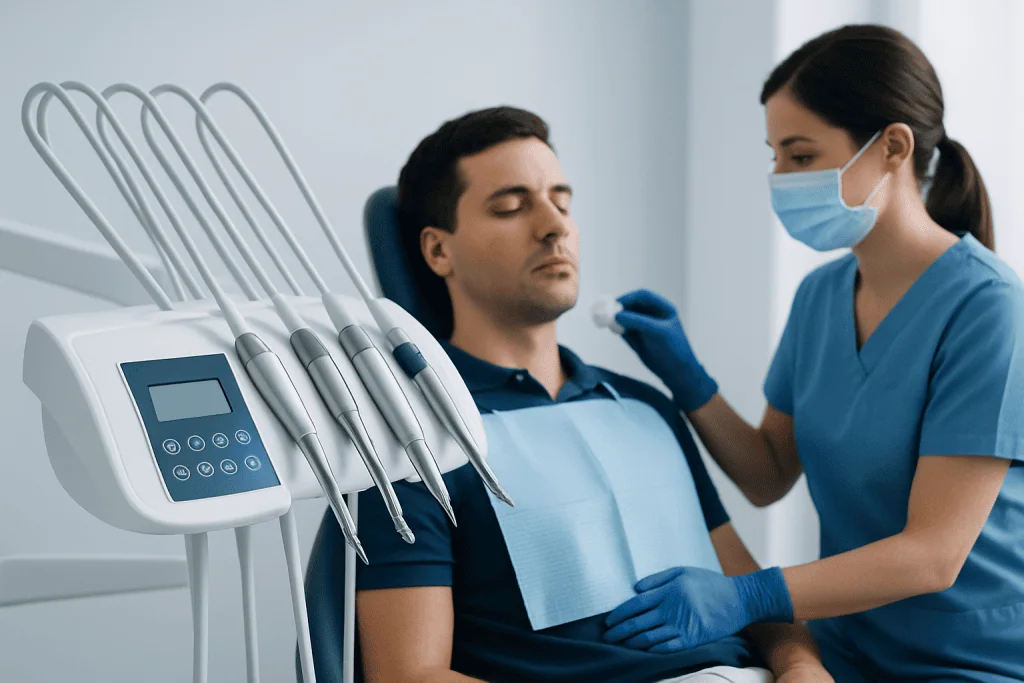
Wisdom teeth are the third molars at the back of the mouth. They may be removed when they are painful, partly erupted, trapped beneath the gum or bone, affected by decay or gum disease, or likely to damage neighboring teeth. Some people have enough room for wisdom teeth to remain healthy, so removal is not automatically necessary for everyone.
A dentist or oral and maxillofacial surgeon assesses the mouth, symptoms and dental imaging before recommending extraction. X-rays help show the tooth position, root shape, nearby nerves and the relationship to the sinus in the upper jaw. This assessment also helps the clinician explain expected recovery and any procedure-specific risks.
People may be candidates for extraction if an impacted tooth causes repeated gum inflammation, infection, cyst-related changes, crowding concerns or damage to adjacent teeth. The decision is individualized and should take account of the person’s age, general health, medications, oral hygiene and the likely risks of leaving the tooth in place.
What Happens During the Procedure

Wisdom tooth extraction is usually performed under local anesthetic, which numbs the treatment area. Depending on the complexity of the extraction and the patient’s needs, sedation or general anesthesia may also be considered. The dental team will discuss fasting requirements, transport arrangements and medication instructions beforehand if sedation or anesthesia is planned.
Once the area is numb, the clinician gently loosens and removes the tooth. For an impacted wisdom tooth, a small incision in the gum may be needed, and a small amount of bone may be carefully removed to access the tooth. The tooth may be divided into smaller sections to allow safer removal.
The socket is cleaned after the tooth is removed, and dissolvable stitches may be placed where appropriate. Gauze is positioned over the site to support clot formation. The procedure itself can vary considerably in length, especially when multiple teeth or deeply impacted lower teeth are involved.
Before leaving, patients receive aftercare guidance and should arrange for a responsible adult to accompany them home when sedation or general anesthesia has been used. They should not drive, drink alcohol or make important decisions until the effects of sedative medication have fully worn off.
Recovery Timeline: What Healing May Feel Like
During the first 24 hours, numbness gradually fades and mild bleeding or oozing may occur. Discomfort can usually be managed with medicines recommended by the treating clinician. Cold packs applied externally in short intervals may help limit early swelling; they should be wrapped to protect the skin and not applied continuously.
Swelling and jaw stiffness often increase during the first two to three days before gradually settling. Bruising can develop, particularly after more complex lower wisdom tooth removal. Many people return to desk-based work, school or routine daily tasks after a few days, but recovery varies and physically demanding activity may need to wait longer.
From about day 3 onward, the extraction sites generally become more comfortable, although food may still collect near the sockets and chewing can remain difficult. The dentist may recommend gentle warm salt-water rinses after the first 24 hours, provided this is consistent with the individual care plan. Any prescribed irrigation syringe should only be used at the time advised by the clinician.
Gum healing continues for several weeks, while the socket gradually fills in over a longer period. Dissolvable stitches commonly loosen or disappear on their own. Follow-up may be arranged if the extraction was complex, if non-dissolving stitches need removal, or if the clinician wishes to monitor healing.
What's the Worst Day of Wisdom Teeth Recovery?
For many people, the second or third day is the most uncomfortable part of wisdom teeth recovery. This is when swelling and inflammation commonly peak, and jaw stiffness may make eating and opening the mouth more difficult. The exact experience depends on the number of teeth removed, whether they were impacted and the person’s overall health.
Symptoms should generally stabilize and then begin improving after this peak. Keeping the head elevated when resting, using cold packs during the first day as advised, choosing soft foods and taking recommended pain relief can make this period more manageable.
A different pattern deserves attention: pain that becomes substantially worse after initially improving, especially around days 3 to 5, can be a sign of dry socket or another complication. Contacting the dental team promptly allows them to assess the extraction site and provide appropriate care.
Is Day 2 or 3 Worse After Wisdom Teeth Removal?
Either day 2 or day 3 can feel worse, but day 2 is often when swelling becomes more noticeable and day 3 is commonly when it reaches its maximum. This can be normal healing rather than a sign that something has gone wrong. Discomfort should be manageable with the plan provided by the dental clinician and should not continue escalating day after day.
Each person’s recovery is different. A simple erupted tooth extraction may involve little swelling, while surgical removal of an impacted lower tooth can cause more pronounced swelling, tenderness and temporary difficulty opening the mouth. Following activity restrictions and keeping follow-up appointments can support recovery.
New fever, worsening facial swelling, foul taste with increasing pain, difficulty swallowing or breathing, or persistent heavy bleeding are not symptoms to manage alone. These require urgent advice from a dentist, oral surgeon or emergency service, depending on severity.
Home Care, Eating and Activity After Extraction
For the first day, patients are usually advised to avoid vigorous rinsing, spitting, drinking through straws and smoking or vaping. These actions create pressure changes or irritation that can dislodge the blood clot. Alcohol should also be avoided, especially while taking medicines that may interact with it or after sedation.
Soft foods such as yogurt, mashed vegetables, soup that has cooled to lukewarm temperature, eggs and smooth oatmeal may be easier to tolerate. Very hot foods and drinks can increase bleeding early on, while hard, sharp or crumbly foods can irritate the socket. Hydration is important, but drinks should be taken from a cup rather than through a straw.
Brushing should continue, but the extraction areas should be avoided initially and cleaned gently as directed. After the first 24 hours, gentle salt-water rinsing is often recommended, although the treating clinician’s instructions take priority. Patients should avoid vigorous exercise for the period advised because it can increase bleeding and swelling.
Do not place aspirin directly on the gum or extraction site, as this can damage oral tissues. Pain medicine should be taken only as recommended by a qualified clinician, pharmacist or the product label, with special attention to allergies, other medicines and relevant health conditions.
Can I Kiss Someone 5 Days After Wisdom Teeth Removal?
Gentle kissing may be comfortable for some people five days after wisdom teeth removal, but it is sensible to wait if there is still significant pain, swelling, bleeding or jaw stiffness. Avoid deep kissing, prolonged pressure around the jaw or any activity that causes discomfort, as the extraction sites may still be healing.
It is also sensible to avoid exchanging saliva if there is concern about infection or if the mouth is not yet comfortable enough for normal oral hygiene. The most important issue is not a fixed number of days but whether healing is progressing normally and the person can do so without pain or strain.
If the procedure was complex, several teeth were removed, or the oral surgeon gave more specific restrictions, those instructions should be followed. When uncertain, patients can contact their dental team for advice that reflects their procedure and recovery.
How Long Should You Rest After Getting Your Wisdom Teeth Pulled?
Most people should plan to rest for at least 24 hours after wisdom teeth removal. A further one to three days away from strenuous exercise, heavy lifting and demanding activity is often appropriate, particularly after surgical extraction or removal of multiple teeth. People who have received sedation or general anesthesia may need additional time to recover safely from its effects.
Return to normal activities should be gradual. Light activity may be reasonable when bleeding has stopped, pain is controlled and the person feels well, but intense exercise can raise blood pressure and may trigger more bleeding or throbbing. Contact sports should be delayed until the mouth and jaw are comfortable and the clinician agrees it is safe.
Work and school plans vary. Some patients feel ready to return after two or three days, whereas others benefit from a longer recovery period. Planning for flexibility is helpful, especially for impacted teeth or extraction of all four wisdom teeth.
Benefits, Risks and When to Seek Medical Care
When extraction is clinically indicated, removing a wisdom tooth can relieve pain and recurrent gum inflammation, help manage infection and protect nearby teeth from damage. It may also reduce the likelihood of future problems associated with a poorly positioned or partially erupted tooth. However, all surgical procedures have potential risks, which the clinician should explain before treatment.
Common short-term effects include pain, swelling, bruising, bleeding, temporary numbness and limited jaw opening. Less common complications can include dry socket, infection, delayed healing, injury to nearby teeth or temporary or persistent altered sensation in the lip, chin or tongue, particularly with lower wisdom teeth close to a nerve.
Patients should seek dental advice promptly if pain becomes worse after a few days, swelling increases rather than improves, there is pus, fever, a persistent bad taste or odor, ongoing numbness, or bleeding that does not settle with instructed pressure. Difficulty breathing, swallowing, severe facial swelling or signs of a serious allergic reaction require urgent emergency assessment.
Acibadem International’s multidisciplinary specialists and JCI-accredited hospitals support international patients who need assessment and treatment for dental and oral health concerns. A qualified dentist or oral and maxillofacial surgeon can provide individualized guidance before and after wisdom tooth extraction.
Frequently asked questions
How can dry socket be prevented after wisdom teeth removal?
Dry socket risk may be reduced by protecting the blood clot in the extraction socket. Patients should avoid smoking, vaping, straws, forceful spitting and vigorous rinsing for the period advised by their clinician. Following oral hygiene and aftercare instructions is also important.
Can I brush my teeth after wisdom tooth extraction?
Yes, brushing usually continues after extraction, but the surgical area should be avoided or cleaned very gently at first. The rest of the mouth should be kept clean to support healing. The dental team can explain when and how to clean directly around the sockets.
What foods should be avoided after wisdom teeth removal?
Hard, crunchy, sharp, spicy and crumbly foods can irritate extraction sites or become trapped in them. Very hot foods and drinks may increase bleeding during the early recovery period. Soft, cool or lukewarm foods are generally easier to manage initially.
How long does swelling last after wisdom teeth removal?
Swelling commonly increases for two to three days and then gradually improves over the following several days. Bruising and mild jaw stiffness can last longer, particularly after an impacted tooth extraction. Worsening swelling after initial improvement should be discussed with the dental team.
When can I smoke after wisdom teeth removal?
Smoking and vaping should be avoided for as long as the oral surgeon advises because they can interfere with clot formation and healing. They also increase the risk of dry socket and infection. Patients who need help avoiding nicotine during recovery can ask a healthcare professional for support.
Is a bad taste normal after wisdom teeth removal?
A mild unpleasant taste can occur during early healing, especially if small amounts of blood are present. However, a persistent foul taste or odor combined with increasing pain, swelling, fever or discharge may indicate a complication. A dentist or oral surgeon should assess these symptoms promptly.
References
- American Association of Oral and Maxillofacial Surgeons
- American Dental Association
- National Health Service
- Mayo Clinic
This article is for general information only and is not a substitute for professional medical advice. Please consult a qualified doctor about your individual situation.
Wisdom Teeth in Turkey — costs, top hospitals & a free quote
JCI-accredited · board-certified surgeons · reply within 24h
Add us as a Preferred Source to see more of our trusted health content across Google Search, AI Overviews and Discover.

More from the Health Library



Related Specialists

Damla Tuncay
Physical Medicine & Rehabilitation
Dr. Başak Bolluk Kılıç
Neurology
Prof. Dr. Sabahattin Kaymakoğlu
Gastroenterology
Dr. Elif Külahçı Aslan
Gynecology & Obstetrics