Postictal: An Evidence-Based Guide for Patients
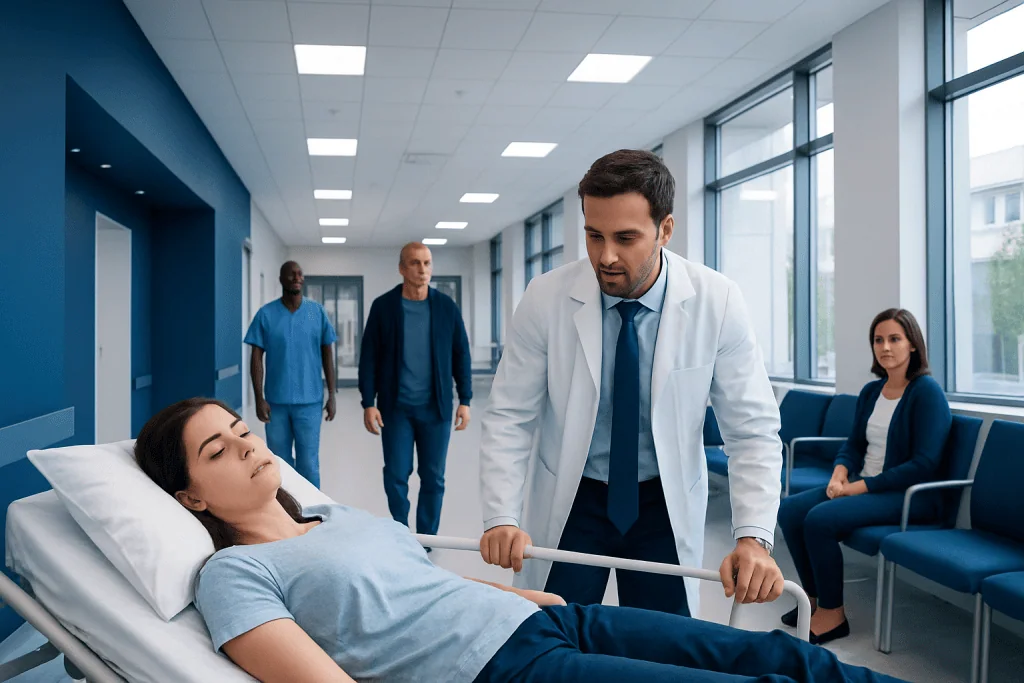
The postictal phase is the recovery period that follows a seizure. Common postictal symptoms include confusion, fatigue, headache, muscle soreness, and temporary weakness.
Key Takeaways
- The postictal phase is the recovery period that follows a seizure.
- Common postictal symptoms include confusion, fatigue, headache, muscle soreness, and temporary weakness.
- Not every seizure has the same postictal pattern, and symptom length can vary widely.
- Medical evaluation helps identify the cause of seizures and rule out other urgent conditions.
- Emergency care is important if symptoms are severe, prolonged, or followed by injury or repeated seizures.
Postictal describes the period after a seizure, when the brain and body are recovering. During this time, a person may feel confused, sleepy, weak, or have trouble speaking or remembering, and symptoms usually improve gradually over minutes to hours, though some may last longer.
What postictal means
Postictal means “after a seizure.” It refers to the temporary recovery phase that happens once the seizure itself has ended. In this period, the brain is returning to its usual activity, and the person may not feel or act like themselves right away.
The postictal state can look different from one person to another. Some people mainly feel sleepy and exhausted, while others are confused, emotional, or have difficulty speaking, walking, or remembering what happened. These changes are usually temporary, but they can be distressing for the person and for anyone nearby.
It is important to understand that postictal symptoms are part of seizure recovery, not necessarily a new illness. Even so, the symptoms should be assessed in the broader context of the person’s health, because similar signs can also occur with fainting, stroke, infection, low blood sugar, head injury, or substance-related problems.
If seizures are suspected, doctors may also evaluate related conditions such as epilepsy. Recognizing the postictal phase can help families, caregivers, and patients respond calmly and know when further medical care is needed.
Common postictal symptoms
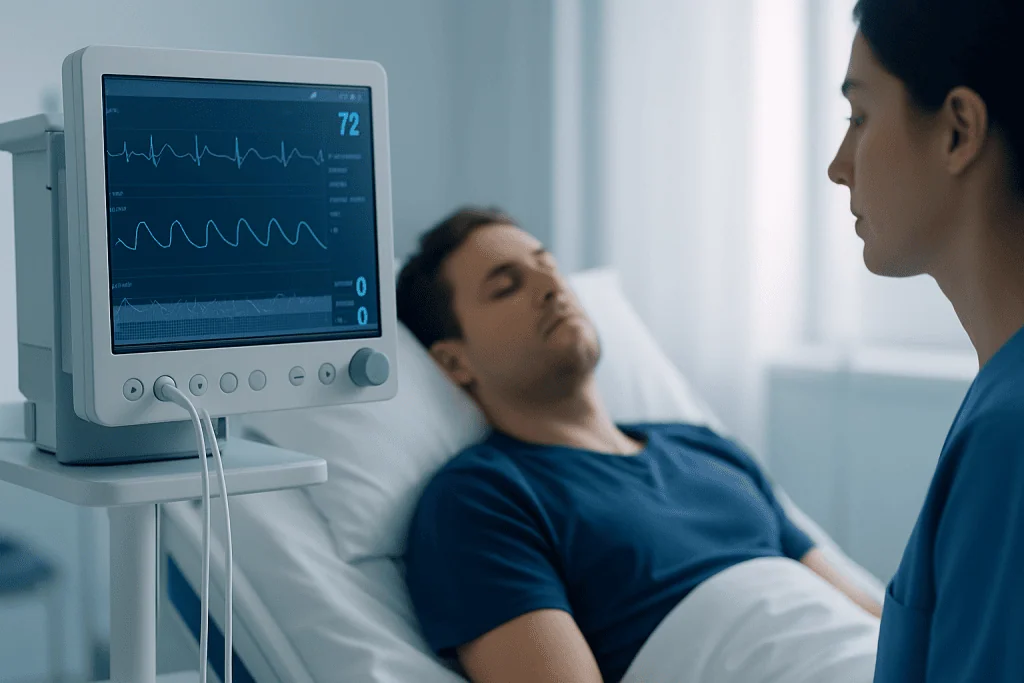
Postictal symptoms often involve thinking, awareness, energy, and movement. Many people are drowsy, confused, and slow to respond after a seizure. They may not remember the seizure or the period right after it, and they may need quiet, reassurance, and time to reorient.
Other common symptoms include headache, nausea, muscle aches, tongue soreness, and deep fatigue. Some people are emotionally upset, tearful, embarrassed, or irritable. Temporary problems with concentration and short-term memory are also common while the brain recovers.
In some cases, there are more specific neurological symptoms. A person may have weakness on one side of the body after a seizure, a temporary problem known as Todd’s paralysis or postictal paresis. Speech may be slurred or difficult, and vision or coordination may briefly be affected. These symptoms can be alarming, so they often need medical assessment to distinguish them from conditions such as stroke.
- Confusion or disorientation
- Sleepiness or unusual tiredness
- Headache or body aches
- Temporary memory problems
- Weakness, trouble speaking, or poor coordination
- Emotional changes such as fear, agitation, or sadness
How long the postictal phase lasts

The length of the postictal phase varies. For some people it lasts only a few minutes, while for others it can continue for hours. Less commonly, certain symptoms such as marked fatigue or slower thinking may linger longer, especially after a more intense seizure or a cluster of seizures.
Duration depends on several factors, including the type of seizure, how long it lasted, which parts of the brain were involved, whether there was a loss of consciousness, and the person’s general health. Sleep deprivation, infection, alcohol use, missed seizure medication, and recent head injury may also influence recovery.
A person who is returning steadily to their usual level of awareness is generally following a typical recovery pattern. However, persistent confusion, increasing weakness, trouble breathing, or a failure to wake up as expected should not be assumed to be normal postictal recovery. Those signs require prompt medical attention.
Why postictal symptoms happen
Researchers believe postictal symptoms result from temporary changes in brain function after a seizure. During a seizure, groups of brain cells become abnormally active. Once the seizure stops, the brain needs time to rebalance its electrical activity, restore normal communication between nerve cells, and recover its energy demands.
The exact symptoms depend partly on where in the brain the seizure started or spread. For example, a seizure affecting language areas may leave temporary speech difficulty, while one involving movement areas may cause temporary weakness or poor coordination. Generalized seizures, which involve both sides of the brain, more often produce broad confusion and heavy fatigue afterward.
Postictal symptoms can also be influenced by the cause of the seizure itself. Seizures may be related to epilepsy, fever, metabolic disturbances, infection, medication effects, alcohol withdrawal, brain injury, or structural brain conditions. Because the postictal phase is only one part of the picture, doctors often investigate the seizure and its trigger rather than focusing on symptoms in isolation.
How doctors diagnose the cause
There is no single test for the postictal state itself. Diagnosis is based on the history of the event, witness descriptions, the person’s symptoms after the event, and the findings on examination. This is why details from family members, friends, or bystanders can be very helpful, especially if the person does not remember the episode.
Doctors may ask how the event began, how long it lasted, whether there was shaking, staring, unresponsiveness, tongue biting, urinary incontinence, cyanosis, or injury, and how the person behaved afterward. They also look for clues suggesting other conditions, such as fainting, migraine, panic attacks, infection, or stroke.
Depending on the situation, evaluation may include blood tests, brain imaging, and an electroencephalogram (EEG), which records the brain’s electrical activity. In some patients, an EEG is part of a broader EEG evaluation to help confirm whether seizures are likely. Brain scans such as MRI may be used to look for structural causes if clinically appropriate.
When episodes are recurrent or diagnosis is uncertain, referral to a neurologist is often recommended. Specialized care is particularly useful if seizures are difficult to classify, if medicines are not working as expected, or if symptoms raise concern for related neurological conditions.
Treatment and supportive care after a seizure
The postictal phase itself is usually managed with supportive care while the person recovers. This includes keeping them in a safe position, monitoring breathing, allowing rest, and speaking calmly and simply. If the person is sleepy but breathing normally, placing them on their side can help protect the airway until they become more alert.
Specific treatment depends on the underlying cause of the seizure and on whether the person has a known seizure disorder. Some people may need adjustment of antiseizure medication, treatment of an infection, correction of blood sugar or electrolyte problems, or investigation of a structural brain condition. If epilepsy is diagnosed, the treatment plan is tailored to seizure type, frequency, age, and overall health.
For people with recurring seizures, doctors may recommend ongoing epilepsy treatment and education about seizure first aid. In selected cases, additional assessment may include advanced imaging or prolonged monitoring. Patients should avoid driving, swimming alone, climbing heights, or operating dangerous machinery until a doctor advises it is safe.
Near the end of a full evaluation and care pathway, some international patients choose centers such as Acibadem International, where multidisciplinary specialists in JCI-accredited hospitals diagnose and treat seizure-related conditions using coordinated neurological care.
Prevention, self-care, and daily planning
Not all seizures can be prevented, but many people can reduce risk by addressing triggers and following their treatment plan carefully. Taking prescribed medicines regularly, sleeping enough, staying hydrated, and avoiding excessive alcohol are common parts of seizure prevention. Any concerns about side effects or missed doses should be discussed with a doctor rather than handled alone.
Keeping a seizure diary can be useful. Recording possible triggers, warning signs, time of day, sleep patterns, medication use, and postictal symptoms may help the medical team understand patterns and improve management. Family members may also benefit from learning basic seizure first aid and knowing when to call emergency services.
After a seizure, recovery is often smoother in a low-stimulation environment. Rest, fluids if the person is fully awake, and reassurance can help. It is best not to offer food, drink, or medicines until swallowing is clearly safe and the person is alert enough to follow instructions.
If seizures remain difficult to control, doctors may discuss further options, which in selected patients can include advanced medical or procedural care such as epilepsy surgery. Decisions about these treatments are individualized and based on detailed neurological evaluation.
When to seek medical care
Medical care should be sought right away if a seizure lasts more than a few minutes, if seizures happen back-to-back without full recovery, or if the person has trouble breathing, significant injury, or does not wake up as expected. Emergency evaluation is also important for a first seizure, a seizure during pregnancy, or a seizure in someone with diabetes or serious medical illness.
Urgent assessment is also needed if postictal symptoms seem unusually severe or prolonged. Examples include persistent confusion, new or worsening weakness, ongoing trouble speaking, high fever, severe headache, repeated vomiting, or behavior that is very different from the person’s usual pattern. These signs may suggest a complication or another condition that needs prompt attention.
Even when emergency care is not needed, follow-up with a doctor is advisable after a first seizure or when seizures change in pattern. A healthcare professional can help determine the cause, review safety issues, and decide whether tests or specialist referral are appropriate.
Frequently asked questions
What does postictal mean?
Postictal means the period after a seizure, when the brain and body are recovering. During this time, a person may be confused, sleepy, weak, or have trouble speaking or remembering.
How long does the postictal state usually last?
It can last from a few minutes to several hours, depending on the seizure type and the person’s overall condition. Some symptoms, especially fatigue, may persist longer, but recovery should generally move in a steady direction.
Is confusion after a seizure normal?
Yes, confusion is one of the most common postictal symptoms. However, if confusion is severe, worsening, or lasts longer than expected, medical evaluation is important to rule out other causes.
Can postictal symptoms look like a stroke?
Yes, temporary weakness, speech problems, or confusion after a seizure can resemble stroke symptoms. Because stroke is a medical emergency, sudden neurological symptoms should be assessed promptly unless a clinician has already clearly explained the pattern.
What should someone do for a person in the postictal phase?
The person should be kept safe, allowed to rest, and placed on their side if they are sleepy and not fully alert. It helps to stay calm, speak simply, and avoid giving food, drink, or medicines until swallowing and awareness are clearly back to normal.
Does every seizure have a postictal period?
Not always in the same way. Some seizures are followed by obvious drowsiness or confusion, while others cause only mild symptoms or very brief recovery changes.
References
- World Health Organization
- National Institute of Neurological Disorders and Stroke
- Epilepsy Foundation
- American Epilepsy Society
- MedlinePlus
This article is for general information only and is not a substitute for professional medical advice. Please consult a qualified doctor about your individual situation.
Explore treatments in Turkey — costs, top hospitals & a free quote
JCI-accredited · board-certified surgeons · reply within 24h
Add us as a Preferred Source to see more of our trusted health content across Google Search, AI Overviews and Discover.