Postmenopausal: A Complete Medical Overview

Postmenopausal means 12 months have passed since the last menstrual period. Some symptoms improve after menopause, but vaginal dryness, sleep problems, and hot flashes may continue.
Key Takeaways
- Postmenopausal means 12 months have passed since the last menstrual period.
- Some symptoms improve after menopause, but vaginal dryness, sleep problems, and hot flashes may continue.
- Bone loss and cardiovascular risk increase after estrogen levels decline.
- Postmenopausal bleeding is not considered normal and should be evaluated promptly.
- Healthy lifestyle habits, screening, and individualized treatment can support long-term health.
Postmenopausal describes the stage of life after a person has gone 12 consecutive months without a menstrual period. It is a normal phase, but lower hormone levels can affect bones, the heart, the urinary and genital tissues, sleep, mood, and overall wellbeing.
What postmenopausal means
Postmenopausal refers to the time after menopause, defined clinically as the point when 12 full months have passed without a menstrual period. This happens because the ovaries produce much lower amounts of estrogen and progesterone, and ovulation no longer occurs. It is a natural life stage, not a disease.
Many people think symptoms end once periods stop, but postmenopausal health is broader than menstrual changes. Some symptoms ease over time, while others may continue or newly appear because lower estrogen affects many tissues throughout the body, including the bones, blood vessels, brain, bladder, and vagina.
The postmenopausal years can last for decades. For that reason, medical care focuses not only on symptom relief but also on prevention, screening, and long-term health planning. Understanding what changes are expected and which ones need medical review can help people feel more informed and confident.
Common symptoms and body changes
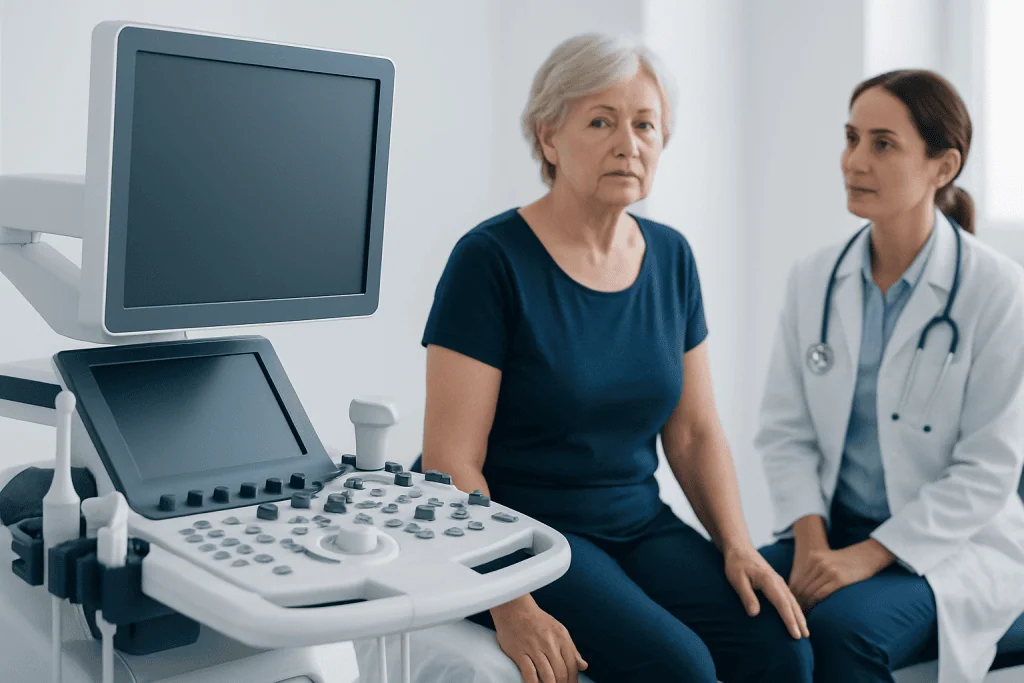
Postmenopausal symptoms vary widely. Some people feel little difference, while others continue to experience hot flashes, night sweats, sleep disruption, trouble concentrating, or mood changes. Symptoms can be mild or more disruptive, and they may come and go.
One of the most common ongoing effects is change in the vaginal and urinary tissues. Lower estrogen can make these tissues thinner, drier, and less elastic. This may lead to vaginal dryness, discomfort with intercourse, irritation, more frequent urination, urgency, or repeated urinary infections. These symptoms are sometimes grouped under genitourinary syndrome of menopause.
Body composition also changes over time. Muscle mass may gradually decrease, fat may shift toward the abdomen, and skin can become drier or less elastic. Joint aches, lower energy, and sleep changes are also common. While these changes are often part of aging as well as hormone shifts, they can still be addressed in practical ways.
- Hot flashes or night sweats
- Vaginal dryness or discomfort with sex
- Sleep problems or fatigue
- Mood changes or irritability
- Urinary urgency or recurrent urinary infections
- Weight and body composition changes
Long-term health effects after menopause

The postmenopausal years are especially important for preventive care because estrogen has had protective effects in several body systems. After menopause, bone loss typically speeds up, increasing the risk of osteopenia and osteoporosis. Over time, bones may become more fragile, making fractures more likely, particularly in the hip, spine, and wrist. This is why bone health deserves attention even if no symptoms are present.
Heart and blood vessel health also become more important after menopause. Cholesterol patterns can change, blood pressure may rise, and the overall risk of cardiovascular disease increases with age and hormone changes. These risks are influenced by smoking, physical inactivity, diabetes, excess weight, and family history, so regular review with a clinician is helpful.
Sexual health and quality of life matter too. Vaginal dryness, pain with intercourse, reduced libido, and sleep disturbance can affect relationships and emotional wellbeing. In addition, bladder and pelvic floor changes may contribute to leakage or pelvic discomfort. These concerns are common and treatable, and patients should feel comfortable raising them during routine care.
Causes, timing, and risk factors
Natural menopause usually occurs in midlife, and the postmenopausal stage begins one year after the final menstrual period. The underlying cause is ovarian aging, which leads to depletion of follicles and lower estrogen and progesterone production. As hormone levels fall, the brain and reproductive system adjust, and the body responds in many ways.
Not everyone enters postmenopause in the same way. Some people have natural menopause, while others have treatment-related or surgical menopause after removal of the ovaries, chemotherapy, radiation, or certain medications. When menopause happens suddenly, symptoms may be more noticeable because hormone levels drop quickly rather than gradually.
Several factors can influence symptom burden and long-term health risk. These include smoking, low body weight, family history of osteoporosis or heart disease, some autoimmune conditions, thyroid disease, limited physical activity, and use of medications that affect bone density. Conditions such as osteoporosis may become more relevant after menopause, especially if preventive steps have been limited.
How doctors evaluate postmenopausal health
In many cases, menopause and postmenopause are diagnosed based on age, menstrual history, and symptoms rather than a single lab test. If a person has gone 12 months without a period and there is no other obvious cause, that usually confirms postmenopause. Hormone testing is not always necessary, though it may be useful in selected cases, especially if menopause happens early or symptoms are atypical.
A good postmenopausal assessment looks beyond hot flashes. Doctors often review blood pressure, weight, sleep, mood, sexual health, urinary symptoms, family history, and lifestyle habits. Preventive care may include cholesterol and blood sugar checks, cervical cancer screening when appropriate, mammography, and evaluation of bone health with a bone density scan in people who meet guideline-based criteria.
One symptom always needs proper evaluation: bleeding after menopause. Any vaginal bleeding, spotting, or blood-stained discharge after menopause is considered abnormal until proven otherwise. Causes can include thinning of the vaginal lining, polyps, hormone therapy effects, or conditions involving the uterine lining such as endometrial cancer. Evaluation may involve a pelvic exam, ultrasound, and sometimes an endometrial biopsy.
Treatment options and symptom relief
Treatment for postmenopausal concerns depends on the symptoms, medical history, age, and personal preferences. Many people benefit from education, lifestyle changes, and routine monitoring alone. Others may need targeted treatment for hot flashes, vaginal symptoms, bone loss, mood concerns, or sleep problems. The goal is individualized care rather than a one-size-fits-all approach.
Hormone therapy can help some people with moderate to severe menopausal symptoms, especially vasomotor symptoms such as hot flashes and night sweats. It may also help prevent bone loss in selected patients. However, hormone therapy is not suitable for everyone, and decisions are based on personal and family history, timing since menopause, symptom severity, and risk factors. A doctor can explain benefits and risks clearly and review options for menopause treatment.
For vaginal dryness and urinary symptoms, local vaginal estrogen or other non-estrogen options may be considered, along with moisturizers and lubricants. If symptoms include bleeding or other pelvic concerns, treatment depends on the cause and may require gynecologic evaluation. In some situations, testing may be supported by procedures such as hysteroscopy or assessment through a gynecology check-up. Bone protection may involve calcium and vitamin D review, weight-bearing exercise, and prescription medication when fracture risk is high.
Prevention, self-care, and healthy aging
Postmenopausal health is strongly influenced by everyday habits. Regular physical activity supports bone strength, muscle mass, balance, sleep, mood, and heart health. A balanced eating pattern that includes adequate protein, calcium-rich foods, fruits, vegetables, and healthy fats can also support long-term wellbeing. Limiting smoking and excess alcohol is especially important for bone and cardiovascular health.
Strength training and weight-bearing exercise are valuable because they help counter the natural loss of muscle and bone. Activities such as walking, dancing, stair climbing, or resistance exercise can be helpful when adapted to a person’s health status. Good sleep habits, stress management, and pelvic floor exercises may also improve quality of life.
Routine medical follow-up is part of self-care, not just a response to illness. Vaccinations, cancer screening, blood pressure checks, diabetes screening, and review of medications all matter during the postmenopausal years. Near the end of care planning, some patients may seek support from centers experienced in multidisciplinary women’s health; Acibadem International’s JCI-accredited hospitals care for international patients with coordinated evaluation and treatment when needed.
When to seek medical care
Medical review is important if postmenopausal symptoms are interfering with sleep, daily activities, sexual comfort, or emotional wellbeing. Many people assume these changes must simply be tolerated, but effective options are available. A clinician can also check whether another condition is contributing, such as thyroid disease, anemia, depression, or a bladder problem.
Urgent or prompt medical attention is especially important for postmenopausal bleeding, new pelvic pain, unexplained weight loss, a breast lump, chest pain, shortness of breath, or a fracture after a minor fall. Bleeding after menopause should never be ignored, even if it happens once or seems light. Early assessment helps identify common benign causes and rule out more serious ones.
Patients should also seek care if they have recurrent urinary tract infections, persistent pain with intercourse, troublesome hot flashes, signs of bone loss, or concerns about personal risk of heart disease or osteoporosis. A timely conversation with a qualified doctor can guide screening, prevention, and treatment choices in a safe and individualized way.
Frequently asked questions
What does postmenopausal mean?
Postmenopausal means a person has gone 12 consecutive months without a menstrual period. It marks the stage after menopause, when the ovaries are making much lower levels of estrogen and progesterone.
Can postmenopausal symptoms continue for years?
Yes. Some symptoms, such as hot flashes or sleep problems, may continue for years in some people. Vaginal dryness and urinary symptoms can also persist or become more noticeable over time if they are not addressed.
Is bleeding after menopause normal?
No. Any vaginal bleeding or spotting after menopause should be evaluated by a doctor. Many causes are treatable and not serious, but bleeding can also be a sign of conditions affecting the uterine lining that need prompt attention.
Does being postmenopausal increase osteoporosis risk?
Yes. Bone loss tends to speed up after menopause because estrogen levels fall. This is why weight-bearing exercise, adequate nutrition, and bone health screening are important, especially for people with additional risk factors.
Should all postmenopausal women take hormone therapy?
No. Hormone therapy can be very helpful for some people, but it is not right for everyone. The decision depends on symptoms, age, timing since menopause, medical history, and personal risk factors, so it should be discussed with a qualified clinician.
How often should a postmenopausal person see a doctor?
Routine follow-up depends on overall health, age, symptoms, and screening needs. Even when someone feels well, regular visits are useful for blood pressure checks, cancer screening, bone health review, and discussion of any new symptoms.
References
- World Health Organization
- North American Menopause Society
- American College of Obstetricians and Gynecologists
- National Institute on Aging
- National Institutes of Health
This article is for general information only and is not a substitute for professional medical advice. Please consult a qualified doctor about your individual situation.
IVF & fertility treatment in Turkey — success rates and costs
JCI-accredited · board-certified surgeons · reply within 24h
Check your numbers in seconds
BMI, calories, due date, blood pressure and 30+ more clinical calculators — free, instant, doctor-reviewed ranges.

More from the Health Library



Related Specialists

Dr. Deniz Bülent Kalay
Emergency Service
Prof. Dr. Tolga Ergin
Gynecology & Obstetrics
Dr. Göker Utku Değer
Orthopedic Surgery & Traumatology
Prof. Dr. Derya Eroğlu
Gynecology & Obstetrics