Postpartum Psychosis: Symptoms, Causes, and Treatment Options

Postpartum psychosis is a medical emergency, not a normal part of the postpartum period. Common signs include confusion, delusions, hallucinations, severe insomnia, agitation, or unusually elevated or depressed mood.
Key Takeaways
- Postpartum psychosis is a medical emergency, not a normal part of the postpartum period.
- Common signs include confusion, delusions, hallucinations, severe insomnia, agitation, or unusually elevated or depressed mood.
- It is different from the “baby blues” and more severe than typical postpartum depression.
- Early treatment usually includes psychiatric care, close monitoring, and sometimes hospital admission.
- A past history of bipolar disorder, schizoaffective disorder, or prior postpartum psychosis raises the risk.
Postpartum psychosis is a rare but serious mental health condition that can develop soon after childbirth, often within days to weeks. It causes a clear break from reality and requires urgent medical evaluation and treatment to protect both the parent and baby.
Overview
Postpartum psychosis is a rare psychiatric emergency that happens after childbirth. It usually begins suddenly, often within the first two weeks after delivery, and may involve severe mood changes, confusion, disorganized behavior, hallucinations, or fixed false beliefs. Because judgment and contact with reality can be affected, prompt medical assessment is essential.
This condition is different from the emotional ups and downs that many people experience after giving birth. The “baby blues” are common, mild, and short-lived. Postpartum psychosis is much more intense and can rapidly interfere with sleep, thinking, safety, and the ability to care for a newborn.
Postpartum psychosis can affect people with or without a previous psychiatric diagnosis, although risk is higher in those with bipolar disorder or a prior episode after childbirth. With early treatment, many patients improve significantly, but the condition should never be watched at home without professional guidance if psychotic symptoms are present.
How It Differs From Baby Blues and Postpartum Depression
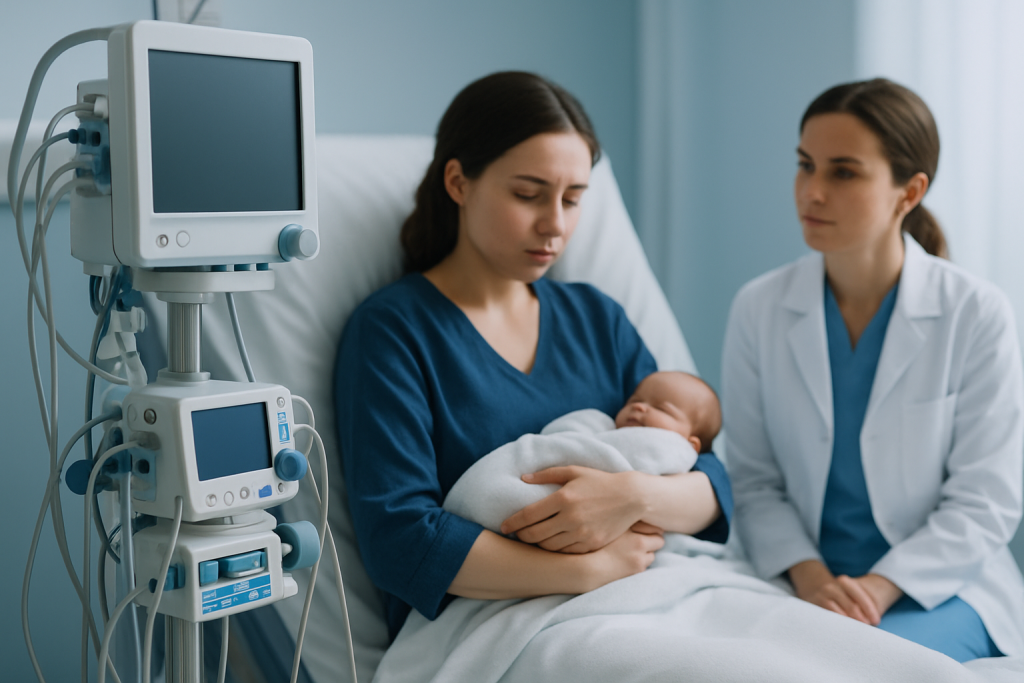
Understanding the difference between common postpartum emotional changes and postpartum psychosis can help families seek help quickly. The baby blues usually begin a few days after birth and may include tearfulness, irritability, and mood swings, but the person remains oriented and in touch with reality. These symptoms often improve within about two weeks.
Postpartum depression is more serious than the baby blues and may cause lasting sadness, anxiety, guilt, fatigue, sleep changes, and loss of interest in usual activities. Even when severe, postpartum depression does not automatically include delusions or hallucinations. By contrast, postpartum psychosis involves a break from reality and can change very quickly over hours or days.
Some people with postpartum psychosis appear unusually energetic, euphoric, restless, or unable to sleep, which may resemble mania. Others may seem deeply depressed, fearful, or confused. The key concern is not only low mood, but also impaired reality testing, unusual beliefs, or behavior that seems dramatically out of character.
Symptoms and Warning Signs

Symptoms of postpartum psychosis often start abruptly. A partner or family member may notice that the new parent seems very different from usual, especially if there is severe insomnia, racing thoughts, suspiciousness, or difficulty following a conversation. At first, these changes can be mistaken for exhaustion, but the pattern usually becomes more intense.
Warning signs may include:
- Confusion or disorientation
- Hallucinations, such as hearing voices or seeing things that are not there
- Delusions, including false beliefs about the baby, self, or others
- Marked agitation, irritability, or severe anxiety
- Unusually elevated mood, rapid speech, or extreme energy
- Severe insomnia, especially not sleeping for extended periods despite fatigue
- Paranoia or intense suspicion
- Disorganized behavior or difficulty caring for the baby
- Thoughts of self-harm or harm to the baby
Not every person has the same symptoms. Some have a manic picture, some have depression with psychotic features, and others have mixed symptoms. Any hallucinations, delusions, or major confusion after childbirth should be treated as urgent.
Causes and Risk Factors
The exact cause of postpartum psychosis is not fully understood. It is thought to result from a combination of biological and psychiatric factors during a time of major hormonal, physical, and sleep-related change. Childbirth brings rapid shifts in hormone levels, stress, pain, blood loss in some cases, and interrupted sleep, all of which may contribute in vulnerable individuals.
The strongest known risk factors involve underlying mood disorders. People with bipolar disorder, schizoaffective disorder, or a previous episode of postpartum psychosis have a significantly higher risk. A personal or family history of severe mental illness may also be relevant, even if symptoms have been stable for years.
Other factors may include first pregnancy, recent medication changes, severe sleep deprivation, and medical or neurologic conditions that can affect mental status. However, postpartum psychosis can also occur without a clear warning history. Because there can be overlap with depression or other mental health conditions, a full medical and psychiatric assessment is important.
How Doctors Diagnose Postpartum Psychosis
Diagnosis starts with urgent clinical evaluation rather than a single lab test or scan. A doctor or mental health specialist asks about the timing of symptoms, sleep, mood, thoughts, past psychiatric history, medication use, substance use, and any safety concerns. Family input is often very helpful because the affected person may not recognize that symptoms are severe.
The medical team also checks for other causes of confusion or unusual behavior after childbirth. Depending on the situation, this may include physical examination, blood tests, and sometimes other investigations to rule out infection, thyroid problems, metabolic imbalance, medication effects, or neurologic conditions. The goal is to identify both psychiatric and medical contributors quickly.
Because postpartum psychosis can involve fast-changing symptoms and safety risks, evaluation commonly happens in an emergency department or hospital setting. In some patients, doctors may also recommend brain MRI or other tests if neurologic symptoms suggest another cause. Diagnosis focuses not only on naming the condition but also on determining the safest immediate treatment plan.
Treatment Options and Recovery
Treatment for postpartum psychosis usually requires urgent psychiatric care and close monitoring. Many patients need hospital admission so that clinicians can stabilize symptoms, restore sleep, and reduce the risk of harm. In some settings, specialized mother-baby units may be used when available and appropriate, though practices vary by country and hospital.
Care is individualized but may include antipsychotic medication, mood stabilizing treatment, and support for sleep and nutrition. If symptoms are severe, not improving, or life-threatening, doctors may consider electroconvulsive therapy because it can be effective for severe psychosis, mania, or depression in the postpartum period. Treatment decisions take breastfeeding plans, physical recovery after birth, and overall medical status into account.
Psychological support is also important during recovery, especially after the acute symptoms begin to improve. Follow-up psychiatric care helps lower relapse risk, supports bonding and parenting, and addresses coexisting problems such as psychotherapy needs for anxiety, trauma, or depression. Recovery may take time, but with proper care many people regain stability and function.
Near the end of treatment planning, some patients and families benefit from coordinated international care. Acibadem International’s multidisciplinary specialists in JCI-accredited hospitals diagnose and treat postpartum psychiatric conditions for international patients, with care tailored to medical and mental health needs.
Prevention, Planning, and Family Support
Postpartum psychosis cannot always be prevented, but risk can often be reduced when vulnerable patients are identified before delivery. People with bipolar disorder, prior postpartum psychosis, or a history of severe mood episodes should discuss a postpartum mental health plan during pregnancy with both obstetric and psychiatric clinicians. This plan may include medication review, sleep protection strategies, and close follow-up soon after birth.
Sleep is especially important. Sleep deprivation can worsen mood instability and may trigger symptoms in some high-risk individuals. Families can help by sharing newborn care when possible, watching for sudden behavioral changes, and taking unusual statements seriously rather than assuming they are only due to fatigue.
Practical support also matters. Helpful steps may include arranging emergency contacts, keeping postpartum appointments, and making a clear plan for who will seek help if warning signs appear. Family members should know that postpartum psychosis is a medical condition that requires compassion, structure, and rapid professional care.
When to Seek Medical Care
Urgent medical help is needed right away if a new parent seems confused, detached from reality, severely agitated, unable to sleep for long periods, or is hearing or seeing things that are not there. Immediate evaluation is also essential if there are delusions, bizarre behavior, or any thoughts about self-harm or harm to the baby. In these situations, emergency services or the nearest emergency department should be contacted without delay.
A less urgent but still prompt medical appointment is appropriate for persistent sadness, severe anxiety, panic, inability to function, or symptoms of postpartum depression that do not improve. Families should not wait for symptoms to “pass” if the person seems markedly different from normal. Rapid assessment often leads to earlier treatment and better support.
If there is immediate danger, the baby should be placed in a safe caregiver’s arms and the affected parent should not be left alone. Loved ones can help by staying calm, avoiding confrontation about unusual beliefs, and focusing on getting professional care quickly.
Frequently asked questions
Is postpartum psychosis the same as postpartum depression?
No. Postpartum depression can cause sadness, anxiety, and loss of interest, but postpartum psychosis involves a break from reality, such as hallucinations, delusions, or severe confusion. Postpartum psychosis is considered a medical emergency and needs urgent care.
How soon after childbirth can postpartum psychosis begin?
It often begins within the first few days to two weeks after delivery, although it can sometimes appear later. Symptoms usually develop quickly rather than gradually. Sudden major behavioral or thinking changes after birth should be assessed promptly.
Who is at highest risk for postpartum psychosis?
Risk is highest in people with bipolar disorder, schizoaffective disorder, or a previous episode of postpartum psychosis. A personal or family history of severe mental illness can also increase risk. However, it can still occur in someone with no known psychiatric history.
Can postpartum psychosis go away without treatment?
It should not be expected to resolve safely without professional treatment. Because judgment, insight, and safety may be affected, waiting at home can be dangerous. Early medical care offers the best chance for stabilization and recovery.
Can someone breastfeed during treatment for postpartum psychosis?
Sometimes, but it depends on the person’s condition, the medicines used, and the overall treatment plan. Doctors weigh the benefits of breastfeeding against the need for rapid symptom control, safe sleep, and maternal recovery. Decisions should be made with both psychiatric and maternity clinicians.
What should a family member do if they suspect postpartum psychosis?
They should seek urgent medical help immediately, especially if the person is confused, hearing voices, expressing unusual beliefs, or talking about harm. The affected parent should not be left alone with the baby if safety is uncertain. Calm support and prompt emergency evaluation are the priority.
References
- American College of Obstetricians and Gynecologists
- National Institute of Mental Health
- Royal College of Psychiatrists
- National Health Service
- World Health Organization
This article is for general information only and is not a substitute for professional medical advice. Please consult a qualified doctor about your individual situation.
Explore treatments in Turkey — costs, top hospitals & a free quote
JCI-accredited · board-certified surgeons · reply within 24h
Add us as a Preferred Source to see more of our trusted health content across Google Search, AI Overviews and Discover.