Postprandial Hypoglycemia: Symptoms, Causes, and Treatment Options

Postprandial hypoglycemia is low blood sugar that happens after eating rather than during fasting. Symptoms may include shakiness, sweating, rapid heartbeat, weakness, hunger, anxiety, or difficulty thinking clearly.
Key Takeaways
- Postprandial hypoglycemia is low blood sugar that happens after eating rather than during fasting.
- Symptoms may include shakiness, sweating, rapid heartbeat, weakness, hunger, anxiety, or difficulty thinking clearly.
- A careful medical evaluation is important because similar symptoms can have other causes and true hypoglycemia should be confirmed.
- Smaller balanced meals, limiting rapidly absorbed sugars, and pairing carbohydrates with protein or fiber often help reduce episodes.
- Some people need testing for underlying conditions such as prediabetes, prior stomach surgery effects, hormone disorders, or rarely insulin-producing tumors.
Postprandial hypoglycemia means blood sugar drops after a meal, usually within a few hours of eating. It can cause symptoms such as shakiness, sweating, hunger, or trouble concentrating, and treatment often starts with identifying the cause and making targeted diet and lifestyle changes.
What postprandial hypoglycemia means
Postprandial hypoglycemia is a drop in blood glucose that occurs after eating, most often within about two to five hours after a meal. It is sometimes called reactive hypoglycemia. In many people, the symptoms improve once blood sugar rises again, but repeated episodes deserve medical attention because the pattern can overlap with other conditions.
The main concern is not simply feeling unwell after a meal, but whether symptoms happen together with documented low blood sugar and then improve when glucose returns to normal. Doctors often use this combination to help decide whether true hypoglycemia is present. This matters because symptoms such as shakiness or lightheadedness can also occur with anxiety, dehydration, medication effects, or rapid shifts in blood sugar that do not meet the definition of hypoglycemia.
Postprandial hypoglycemia can occur in people with or without diabetes. It may relate to how quickly food leaves the stomach, how the body releases insulin, or how tissues respond to glucose after a meal. In some cases it appears after bariatric or other stomach surgery, and in others it may be linked with early changes in glucose regulation such as insulin resistance or prediabetes.
Symptoms and how an episode may feel
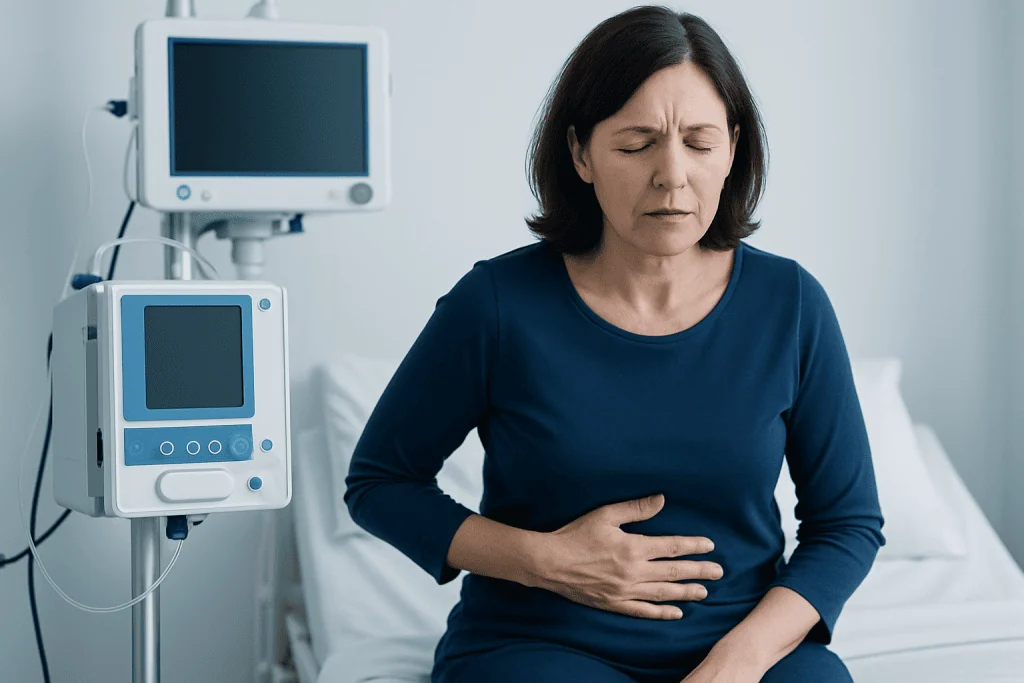
Symptoms often begin gradually, though some people notice a sudden wave of weakness or shakiness. Common symptoms include trembling, sweating, a pounding heartbeat, hunger, nausea, dizziness, tingling, blurred vision, headache, and feeling anxious or irritable. Some people mainly notice difficulty concentrating, mental fog, or unusual fatigue after meals.
If blood sugar falls further, the brain may not get enough glucose to function normally. This can lead to confusion, clumsiness, slurred speech, behavior changes, or severe drowsiness. These more serious symptoms need urgent medical evaluation because they can interfere with safety and may resemble other emergencies.
Episodes are not always caused by a very large meal. They may happen after foods high in refined carbohydrates or sugary drinks, especially when these are eaten without protein, fat, or fiber. Symptoms may also be more likely after alcohol, intense activity, or long gaps between meals.
- Early symptoms: shakiness, sweating, hunger, palpitations, weakness
- Brain-related symptoms: poor focus, confusion, blurred vision, headache
- Possible triggers: sweets, white bread, sweet drinks, alcohol, large meals
Why it happens: causes and risk factors

Postprandial hypoglycemia can happen for several reasons. One common explanation is an exaggerated insulin response after eating. Insulin helps move glucose from the blood into cells, but if too much insulin is released or if it stays elevated for too long, blood sugar may drop below a healthy range. In some people this reflects early metabolic changes associated with insulin resistance or diabetes.
Another important cause is rapid stomach emptying, sometimes called dumping syndrome, which can occur after stomach or esophageal surgery. Food moves quickly into the small intestine, glucose is absorbed rapidly, insulin rises sharply, and blood sugar may then fall. People who have had bariatric surgery may experience a related condition known as post-bariatric hypoglycemia, which requires tailored follow-up and nutrition planning.
Less commonly, post-meal hypoglycemia may be linked to medications, alcohol use, severe liver or kidney disease, hormone deficiencies, or rare insulin-producing tumors such as insulinoma. Because these causes vary widely in importance and treatment, self-diagnosis is not enough. A doctor will look at timing, meal patterns, medical history, current medicines, and whether symptoms happen only after meals or also during fasting.
How doctors confirm the diagnosis
Diagnosis starts with a clear description of symptoms, when they occur, what was eaten beforehand, and whether symptoms improve after taking sugar or eating. Many clinicians ask patients to keep a food-and-symptom diary. This can reveal patterns such as episodes after sweet drinks, long periods without food, or exercise after meals.
Doctors generally try to confirm what is often called Whipple’s triad: symptoms consistent with hypoglycemia, a low measured blood glucose at the time symptoms occur, and relief when the glucose level is corrected. This helps separate true hypoglycemia from conditions that can feel similar. Depending on the situation, a clinician may recommend blood tests during an episode, a supervised mixed-meal test, or continuous glucose monitoring to better understand the timing of glucose changes.
Further testing is guided by the suspected cause. Evaluation may include screening for diabetes or prediabetes, review of medications, assessment after prior gastrointestinal surgery, or hormone testing if adrenal or other endocrine problems are considered. If imaging or specialist evaluation is needed, hospital teams may use MRI scanning or CT imaging in selected cases to investigate uncommon causes such as insulinoma, always based on clinical judgment rather than routine use.
Treatment options and long-term management
Treatment depends on the underlying cause, but for many people the first step is changing how and what they eat. Smaller, more frequent meals can help avoid large glucose swings. Meals are usually better tolerated when carbohydrates are paired with protein, healthy fats, and fiber, which slow digestion and support steadier blood sugar levels. Limiting sugary drinks, sweets, and highly refined starches is often helpful.
People with more frequent or severe episodes may benefit from individualized medical nutrition therapy. If symptoms are related to surgery, management may focus on meal timing, portion size, and food composition. Some patients also need review of medications, alcohol intake, or exercise timing. A doctor may involve specialists in endocrinology, gastroenterology, or surgery, especially if symptoms are difficult to control or the diagnosis is uncertain.
Medication is not needed for everyone, but in selected cases clinicians may prescribe treatment aimed at the underlying problem or at slowing carbohydrate absorption. Rare causes such as insulinoma may require procedural or surgical treatment. If a broad metabolic assessment is needed, hospitals may also coordinate laboratory testing and imaging through a structured medical check-up process so the cause is clarified before treatment decisions are made.
Prevention and self-care in daily life
Daily habits can make a meaningful difference. Many people do best with regular meal timing rather than skipping meals and then eating a large amount at once. Choosing whole grains, beans, vegetables, nuts, yogurt, eggs, fish, or lean meats can help create balanced meals. A practical rule is to include protein and fiber whenever carbohydrates are eaten.
It may also help to avoid drinking large amounts of juice, soda, or sweetened coffee on an empty stomach. Some people notice fewer symptoms when they reduce alcohol or avoid it without food. Gentle activity is generally healthy, but strenuous exercise immediately after a meal may trigger symptoms in some individuals, so timing may need adjustment.
People who have recurrent episodes should discuss whether carrying a quick glucose source is appropriate. However, repeatedly treating symptoms with sweets alone can sometimes set up another rapid rise and fall in glucose. A more stable approach after a mild episode is often to correct the low blood sugar as advised by a clinician and then follow with a balanced snack if needed.
For international patients seeking coordinated evaluation, Acibadem International’s multidisciplinary specialists in JCI-accredited hospitals diagnose and treat metabolic and digestive conditions, including cases where postprandial hypoglycemia may relate to endocrine or gastrointestinal disorders.
When to seek medical care
Medical care is recommended if symptoms happen repeatedly after meals, are becoming more frequent, interfere with daily life, or occur together with a measured low glucose level. A prompt assessment is also wise for anyone with diabetes, a history of stomach surgery, unexplained weight loss, or symptoms that happen both after eating and during fasting.
Urgent care is needed if a person becomes confused, faints, has a seizure, cannot safely swallow, or has symptoms severe enough to affect driving, work, or normal functioning. These situations may indicate significant hypoglycemia or another medical problem that needs immediate treatment.
Because similar symptoms can come from heart rhythm problems, panic attacks, medication side effects, dehydration, or other conditions, it is safest not to assume the cause. A qualified doctor can confirm whether postprandial hypoglycemia is truly present and help create a treatment plan that matches the person rather than the symptom alone.
Frequently asked questions
Is postprandial hypoglycemia the same as diabetes?
No. Postprandial hypoglycemia means blood sugar falls after eating, while diabetes usually involves blood sugar that is too high. However, some people with early glucose regulation problems or diabetes treatments can experience post-meal lows, so medical evaluation is important.
How soon after eating does postprandial hypoglycemia happen?
It most often happens within about two to five hours after a meal. The exact timing can vary depending on the meal, insulin response, stomach emptying, and whether there has been exercise or alcohol use.
What foods can help prevent episodes?
Balanced meals that combine carbohydrates with protein, healthy fats, and fiber are often helpful. Examples include yogurt with nuts, eggs with whole-grain toast, or beans and vegetables. Limiting sugary drinks and refined sweets may reduce rapid blood sugar swings.
Can stress or anxiety cause similar symptoms?
Yes. Anxiety, panic symptoms, caffeine, dehydration, and some medications can cause shakiness, sweating, or a racing heart that feels similar to low blood sugar. That is why doctors try to confirm a low glucose level during symptoms before diagnosing postprandial hypoglycemia.
Does postprandial hypoglycemia always need medication?
No. Many people improve with meal timing changes, food choices, and treatment of the underlying cause if one is found. Medication is usually reserved for selected situations, such as persistent symptoms, surgery-related cases, or rare endocrine causes.
Is postprandial hypoglycemia dangerous?
It can range from mild to serious. Mild episodes may cause shakiness and hunger, while severe low blood sugar can lead to confusion, fainting, or seizures. Recurrent or severe symptoms should be assessed by a doctor, especially if they affect safety.
References
- National Institute of Diabetes and Digestive and Kidney Diseases
- American Diabetes Association
- Endocrine Society
- Mayo Clinic
- National Health Service
This article is for general information only and is not a substitute for professional medical advice. Please consult a qualified doctor about your individual situation.
Explore treatments in Turkey — costs, top hospitals & a free quote
JCI-accredited · board-certified surgeons · reply within 24h
Add us as a Preferred Source to see more of our trusted health content across Google Search, AI Overviews and Discover.