Pre Cancer Screening: How It Works, Results and What to Expect
Pre cancer screening can find certain abnormal changes before they develop into cancer. Screening is intended for people without symptoms; new or persistent symptoms need medical assessment even after a normal test.
Key Takeaways
- Pre cancer screening can find certain abnormal changes before they develop into cancer.
- Screening is intended for people without symptoms; new or persistent symptoms need medical assessment even after a normal test.
- A positive or abnormal screening result does not necessarily mean cancer is present.
- Follow-up testing may include repeat screening, imaging, laboratory tests, or a biopsy.
- Screening schedules are individualized according to age, personal risk factors, and national guidance.
Pre cancer screening uses tests that can identify abnormal cells, polyps, or tissue changes before they become cancer. The right test depends on a person’s age, sex, family history, lifestyle, symptoms, and the organ being assessed.
Pre Cancer Screening Overview
Pre cancer screening is a group of medical tests designed to find changes that may develop into cancer if they are not monitored or treated. Depending on the organ involved, these changes may be called precancerous cells, dysplasia, abnormal tissue, or polyps. Screening can also detect cancer at an early stage, when it may be smaller and easier to treat.
Screening is different from diagnostic testing. It is generally offered to people who feel well and do not have concerning symptoms. A diagnostic test is used when someone has symptoms, an abnormal physical finding, or an unusual screening result that needs further investigation.
Not every cancer has a reliable screening test. Established screening approaches may include cervical screening, breast imaging, bowel screening, lung cancer screening for selected higher-risk adults, and skin examinations for people with relevant risk factors. A clinician can help determine which tests are appropriate for the individual.
How Pre Cancer Screening Works
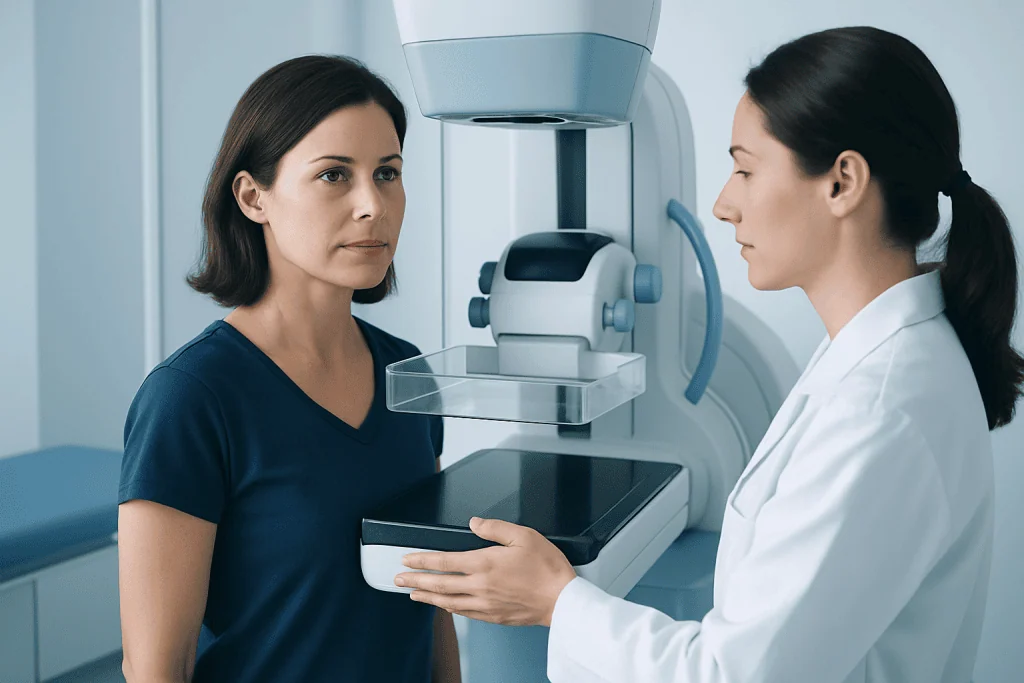
Pre cancer screening looks for early warning signs in different ways. Some tests collect cells or samples for laboratory analysis, such as a cervical screening test or stool-based bowel screening. Others use imaging, such as mammography or low-dose computed tomography of the lungs. Endoscopic tests, including colonoscopy, allow a doctor to look directly at tissue and sometimes remove polyps during the same procedure.
A screening result may be normal, unclear, or abnormal. A normal result lowers the likelihood of disease at that time, but it does not remove the need for future screening or medical review of new symptoms. An unclear result may need repeating because the sample was insufficient or a scan could not be interpreted fully.
An abnormal result means that further assessment is needed; it does not by itself diagnose cancer. Follow-up may involve additional imaging, a more detailed examination, a repeat sample, or a biopsy. A biopsy examines a small tissue sample under a microscope and is often the most reliable way to confirm whether cells are benign, precancerous, or cancerous.
Who May Benefit From Screening
Eligibility for pre cancer screening is based on the cancer type and the person’s individual risk. Age is important because the likelihood of certain cancers rises over time. Biological sex, organs present, prior screening findings, smoking history, family history, inherited genetic conditions, and long-term medical conditions can also influence recommendations.
For example, cervical screening may be recommended for eligible adults with a cervix, while bowel screening is commonly offered from a defined age group and may begin earlier for people with a strong family history. Lung screening is usually considered only for people with a substantial smoking history who meet local eligibility criteria. Screening advice differs between countries and healthcare systems.
People who have had prior cancer, high-grade precancerous changes, inflammatory bowel disease, chest radiation at a young age, or a known inherited cancer syndrome may require a personalized surveillance plan. A primary care doctor, gynecologist, gastroenterologist, genetic counselor, or oncology specialist can review personal risk and advise on timing.
- Discuss screening earlier if close relatives developed cancer at a young age.
- Tell the clinician about previous abnormal screening or biopsy results.
- Ask which symptoms should prompt assessment rather than waiting for routine screening.
What Happens During the Procedure and Afterward
The steps depend on the screening method. Before a test, the healthcare team explains its purpose, possible limitations, preparation, and what happens if results are abnormal. Preparation may be minimal, such as avoiding certain products before cervical sampling, or more involved, such as dietary changes and bowel preparation before a colonoscopy.
Many screening tests are brief and do not require recovery time. A cervical sample, mammogram, stool test, or blood sample usually allows a person to return to normal activities immediately. A colonoscopy may involve sedation, so the person generally needs someone to accompany them home and should avoid driving, alcohol, and important decisions until the sedative effects have worn off.
Some procedures can prevent cancer as well as detect risk. During colonoscopy, a doctor may remove certain polyps for laboratory assessment. If an abnormal cervical result is found, further testing may guide monitoring or treatment of cervical cell changes. The care team should explain when results are expected, how they will be communicated, and what follow-up is recommended.
Benefits, Limits and Possible Risks
The main benefit of pre cancer screening is the opportunity to detect abnormal changes before they cause symptoms. In some cases, treating or removing these changes can reduce the chance that cancer will develop. Finding cancer early may also broaden treatment options, although screening is not a guarantee against cancer.
Every screening test has limitations. False-positive results occur when a test appears abnormal but follow-up finds no cancer. This can cause understandable worry and may lead to additional tests. False-negative results can also occur, meaning a test does not identify an existing abnormality. For this reason, persistent symptoms should always be checked even if a recent screening result was normal.
Risks vary by test. Imaging may involve low levels of radiation, while invasive procedures may cause temporary discomfort, bleeding, infection, or, rarely, injury to an organ. The potential benefits and drawbacks should be considered alongside a person’s health, life expectancy, values, and likelihood of benefit. Shared decision-making with a qualified clinician is helpful.
How Long Does It Take for Precancerous Cells to Turn Into Cancer?
There is no single timeline. Some precancerous changes never become cancer, while others may progress slowly over years. The speed depends on the organ involved, the type and grade of cell change, immune health, exposure to risk factors such as tobacco, and whether the abnormality is monitored or treated.
For instance, many cervical cell changes linked with human papillomavirus (HPV) resolve without treatment, but higher-grade changes may require closer follow-up or treatment because they have a greater potential to progress over time. Certain bowel polyps can also develop through a gradual sequence, which is why removing suitable polyps during colonoscopy can be preventive.
A pathology report and specialist assessment provide more useful information than a general timeline. People should follow the recommended surveillance or treatment plan rather than assuming that all abnormal cells will progress or that they can safely be ignored.
Is a Cancer Screening Test Worth It?
A cancer screening test can be worthwhile when it is recommended for a person’s age and risk profile, because it may identify early cancer or changes that can be addressed before cancer develops. The value is greatest when the test is evidence-based, the person is eligible, and appropriate follow-up is available if a result is abnormal.
However, screening is not identical for everyone. Some tests offer limited benefit for people at very low risk, while people at increased risk may need earlier or more frequent testing. A clinician can help balance potential benefits against possible downsides, including false alarms, overdiagnosis, procedure-related risks, and anxiety while awaiting results.
Screening should be combined with prevention where possible. Not smoking, limiting alcohol, maintaining a healthy weight, staying physically active, protecting skin from excessive ultraviolet exposure, receiving recommended vaccines, and attending routine check-ups can all support cancer risk reduction.
How Long Does It Take to Get Results Back From Cancer Screening?
Results may be available within minutes, days, or several weeks, depending on the test and laboratory process. Some imaging examinations are reviewed promptly, but a formal radiology report may take longer. Laboratory-based tests and biopsy samples commonly require additional processing and specialist review.
If a doctor removes a polyp or takes a tissue sample during a procedure, the appearance seen during the examination may be discussed on the day, but the final diagnosis depends on pathology results. The healthcare team will usually provide an expected timeframe and explain how the patient will receive the result.
Waiting can be stressful, but an extended wait does not indicate that cancer has been found. People who have not heard back within the stated timeframe can contact the clinic for an update. They should also make sure they understand whether any future screening or follow-up appointment is needed.
When to Seek Medical Care
Routine screening should not be used as a reason to delay evaluation of symptoms. A person should contact a doctor promptly for unexplained bleeding, a new lump, persistent change in bowel or bladder habits, unexplained weight loss, ongoing difficulty swallowing, a cough that does not improve, coughing up blood, or a changing skin lesion.
Symptoms often have causes other than cancer, but timely assessment is important. Urgent medical attention is needed for severe bleeding, significant breathing difficulty, sudden severe pain, or symptoms that feel immediately serious. A doctor can determine whether examination, imaging, laboratory testing, or specialist referral is appropriate.
Acibadem International’s multidisciplinary specialists and JCI-accredited hospitals support international patients who need assessment of abnormal screening findings, further diagnostic testing, or individualized cancer care planning.
What Is the 62 Day Rule for Cancer?
The “62 day rule” usually refers to a National Health Service pathway in England that aims for treatment to start within 62 days of an urgent suspected-cancer referral. It is a healthcare-system target rather than a medical rule about how quickly cancer develops or a deadline that applies in every country.
The pathway can include specialist assessment, imaging, biopsies, pathology review, multidisciplinary discussion, and treatment planning. Some cases require more complex testing, and timelines may vary according to the suspected cancer type, clinical urgency, local systems, and patient needs.
Anyone concerned about a possible cancer symptom or an abnormal screening result should seek medical advice without waiting for a particular timeline. The treating team can explain the next steps and the expected timeframe in their local healthcare setting.
Frequently asked questions
Does an abnormal pre cancer screening result mean cancer?
No. An abnormal result means that a screening test found something that needs closer assessment. It may reflect a benign condition, inflammation, an infection, a precancerous change, or less commonly cancer. Further testing is needed to clarify the finding.
Can screening prevent cancer?
Some screening tests can help prevent certain cancers by finding changes that can be treated before cancer develops. For example, removal of suitable bowel polyps and treatment of some high-risk cervical changes may lower future cancer risk. Not all cancer screening tests have a preventive role, but they may help find cancer earlier.
Should a person be screened if they have no symptoms?
Yes, screening is specifically designed for people who do not have symptoms and meet eligibility criteria. It is based on age, risk factors, and the organ being screened. A clinician can advise which tests are appropriate and when to begin.
Can a normal screening test rule out cancer completely?
No screening test can rule out cancer completely. Tests can miss abnormalities, and cancer can develop between scheduled screening appointments. New, persistent, or worsening symptoms should be assessed by a doctor regardless of prior screening results.
What happens after a positive cancer screening test?
The next step depends on the test and finding. A person may need repeat screening, diagnostic imaging, an endoscopy, laboratory testing, or a biopsy. The healthcare team should explain the reason for each test and when results are expected.
How often should pre cancer screening be repeated?
The interval depends on the type of screening, previous results, age, and personal risk factors. A normal result may allow routine repeat testing after several years, while certain abnormal findings require earlier follow-up. The clinician’s individualized recommendation should be followed.
References
- World Health Organization
- International Agency for Research on Cancer
- United States Preventive Services Task Force
- National Cancer Institute
- Centers for Disease Control and Prevention
This article is for general information only and is not a substitute for professional medical advice. Please consult a qualified doctor about your individual situation.
Oncology care in Turkey — second opinion and treatment plan
JCI-accredited · board-certified surgeons · reply within 24h
Add us as a Preferred Source to see more of our trusted health content across Google Search, AI Overviews and Discover.