Pre Diabetic: What Patients Need to Know

Pre diabetic blood sugar levels are higher than normal, but the condition may still be reversible or manageable with early action. Many people have no clear symptoms, so routine blood tests are often how prediabetes is found.
Key Takeaways
- Pre diabetic blood sugar levels are higher than normal, but the condition may still be reversible or manageable with early action.
- Many people have no clear symptoms, so routine blood tests are often how prediabetes is found.
- Weight management, regular physical activity, and healthy eating are central to lowering the risk of type 2 diabetes.
- A doctor may use fasting glucose, HbA1c, or an oral glucose tolerance test to confirm prediabetes.
- Regular follow-up matters because prediabetes can raise the risk of type 2 diabetes, heart disease, and stroke over time.
Being pre diabetic means blood sugar levels are above the normal range but not high enough for a diagnosis of type 2 diabetes. It is an important early warning sign, and many people can improve their blood sugar and reduce future risk with timely medical care and sustainable lifestyle changes.
Overview: What does pre diabetic mean?
Pre diabetic is a common term used when a person’s blood sugar is higher than normal but not yet in the diabetes range. In medical practice, this is usually called prediabetes. It does not always cause symptoms, but it signals that the body is starting to have trouble using insulin effectively or keeping blood sugar in a healthy range.
This stage matters because it offers an opportunity to act early. Many people who are pre diabetic can delay or prevent type 2 diabetes through practical steps such as improving eating habits, becoming more physically active, managing weight, sleeping well, and following up with a doctor.
Prediabetes is not a personal failure, and it should not be viewed as a reason for panic. It is better understood as a warning sign that metabolism is under strain. With support, education, and ongoing monitoring, many patients are able to improve their blood sugar and overall health.
Signs and symptoms to know
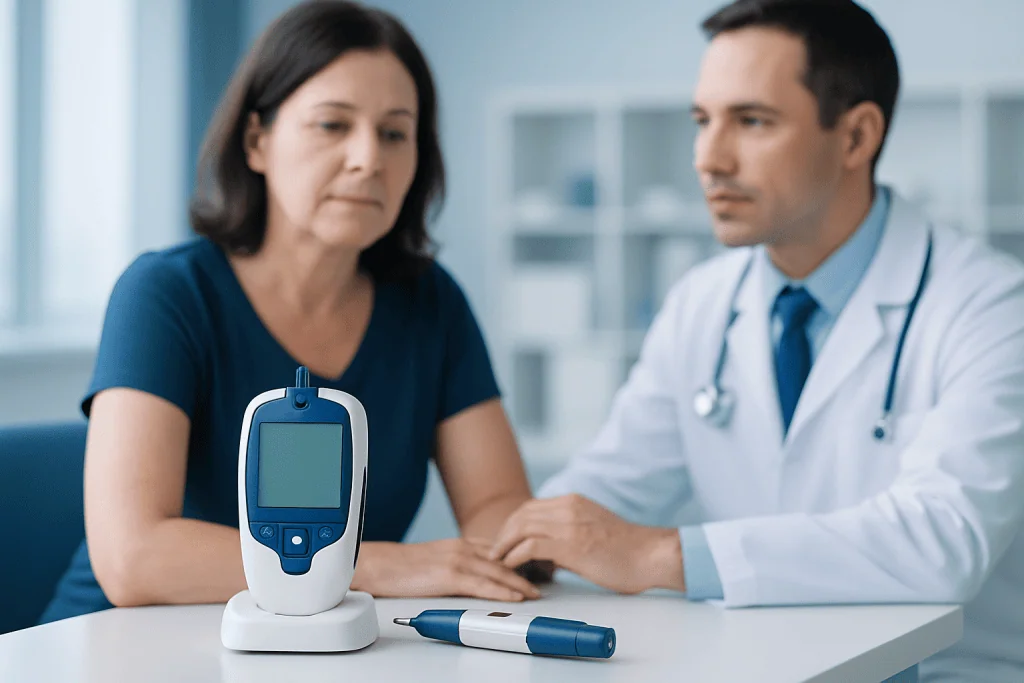
Most people who are pre diabetic do not notice any obvious symptoms. This is one reason the condition is often discovered during routine blood work, annual checkups, or testing done because of risk factors such as excess weight, high blood pressure, or a family history of diabetes.
When symptoms do occur, they may be subtle and nonspecific. Some people report increased thirst, feeling tired more often, or needing to urinate more frequently. These symptoms are more commonly linked with diabetes than prediabetes, but they can still prompt evaluation.
There may also be physical clues related to insulin resistance. A doctor may notice darkened, velvety skin in body folds such as the neck or underarms, a skin change called acanthosis nigricans. Some people also have other metabolic concerns at the same time, such as elevated cholesterol, central weight gain, or fatty liver disease.
- Often no symptoms at all
- Possible tiredness or low energy
- Possible increased thirst or urination
- Darkened skin folds linked with insulin resistance
- Other related findings such as high blood pressure or abnormal cholesterol
Causes and risk factors

Prediabetes develops when the body does not respond to insulin as well as it should, a problem known as insulin resistance. Insulin helps move glucose from the blood into the cells for energy. When cells become less responsive, the pancreas works harder to compensate, and blood sugar may gradually rise.
Several factors increase the likelihood of becoming pre diabetic. These include having overweight or obesity, carrying more weight around the abdomen, not getting enough physical activity, and having a family history of type 2 diabetes. Risk also rises with age, though younger adults and adolescents can be affected as well.
Some medical conditions and life stages are also important. A history of gestational diabetes, polycystic ovary syndrome, high blood pressure, sleep apnea, and abnormal cholesterol levels can all raise risk. Prediabetes is also closely connected with metabolic syndrome and can overlap with conditions such as obesity.
Diet patterns high in refined carbohydrates, sugary drinks, and heavily processed foods may contribute, especially when combined with low activity. However, prediabetes is influenced by more than lifestyle alone. Genetics, hormones, sleep, stress, and certain medications can also affect blood sugar control.
How prediabetes is diagnosed
A doctor diagnoses prediabetes with blood tests rather than symptoms alone. The most common tests are fasting plasma glucose, hemoglobin A1c, and the oral glucose tolerance test. These tests help show how the body is handling sugar over time or after a measured glucose load.
HbA1c reflects average blood sugar over the previous two to three months, while fasting glucose measures the blood sugar level after a period without food. The oral glucose tolerance test checks how the body responds after drinking a standardized sweet liquid. The best test depends on the patient’s history, age, pregnancy status, and other medical conditions.
Diagnosis should be interpreted in context. A clinician may also review weight trends, blood pressure, cholesterol, family history, sleep, diet, medications, and signs of insulin resistance. In some cases, additional testing helps assess related complications or look for conditions that increase metabolic risk, such as type 2 diabetes or cardiovascular disease.
If results are near the threshold, repeat testing may be recommended to confirm the finding. Regular follow-up is important because blood sugar levels can improve, stay stable, or progress over time depending on risk factors and treatment efforts.
Treatment and blood sugar management
The main treatment for a person who is pre diabetic is lifestyle-based risk reduction. This usually includes improving nutrition, increasing physical activity, and aiming for gradual, realistic weight loss if advised by a doctor. Even modest changes can make a meaningful difference to blood sugar and insulin sensitivity.
Healthy eating plans generally focus on vegetables, fruits, beans, whole grains, lean proteins, and healthy fats while limiting sugary drinks, refined starches, and highly processed snacks. Structured support may help some people make lasting changes, especially when goals are personalized and culturally appropriate.
Physical activity helps the body use insulin more effectively. Many adults are encouraged to include regular aerobic movement and strength training each week, adjusted for fitness level and medical needs. For people who have obesity alongside prediabetes, more intensive options such as bariatric surgery may be considered in carefully selected cases under specialist supervision.
Medication is not always necessary, but some patients may benefit from it, especially if they have a high risk of progressing to diabetes. A doctor may consider medicine when blood sugar is rising despite lifestyle changes or when risk factors are significant. If there are symptoms, test results, or complications suggesting established diabetes, the person may need broader diabetes treatment and ongoing metabolic care.
Prevention and self-care strategies
For people who are pre diabetic, self-care is not about strict perfection. It is about steady habits that can be maintained over time. Small, repeatable changes often work better than extreme plans that are hard to continue.
Useful daily strategies include choosing water instead of sugary drinks, building meals around fiber-rich foods, reducing large late-night meals, and limiting long periods of sitting. Planning for regular sleep and stress management also matters because both poor sleep and chronic stress can affect blood sugar regulation.
Weight management can improve insulin sensitivity, but goals should be realistic and individualized. A clinician or dietitian can help create a safe plan that fits medical history, medications, and personal preferences. For some patients, comprehensive endocrinology and metabolic care may be helpful when prediabetes is part of a broader hormone or metabolism problem.
- Choose balanced meals with fiber, protein, and healthy fats
- Be physically active most days of the week
- Limit sugary drinks and highly processed foods
- Work toward a healthy weight if recommended
- Prioritize sleep, stress reduction, and regular follow-up
When to seek medical care
A person should seek medical care if they have risk factors for prediabetes or diabetes, even if they feel well. This includes a family history of type 2 diabetes, overweight or obesity, high blood pressure, abnormal cholesterol, a history of gestational diabetes, or low physical activity. Routine screening can identify blood sugar changes before complications develop.
Medical review is also important if symptoms such as unusual thirst, frequent urination, blurry vision, unexplained fatigue, or unintentional weight changes begin to appear. These signs do not always mean diabetes, but they deserve proper evaluation.
If blood tests already show prediabetes, regular follow-up helps track progress and adjust the plan. A doctor may monitor weight, blood pressure, cholesterol, and repeat blood sugar tests over time. Near the end of the care pathway, it may also help to know that Acibadem International’s multidisciplinary specialists and JCI-accredited hospitals diagnose and treat metabolic conditions for international patients.
Frequently asked questions
Is being pre diabetic the same as having diabetes?
No. Being pre diabetic means blood sugar is above the normal range but not high enough for a diagnosis of diabetes. It is a warning stage that should be taken seriously, because blood sugar may improve with treatment or progress without it.
Can prediabetes be reversed?
In many cases, blood sugar levels can return to a healthier range with lifestyle changes such as weight loss, regular exercise, and better nutrition. Not everyone uses the word "reversed," but improvement is often possible. Ongoing follow-up is important because risk can return over time.
What foods should a pre diabetic person avoid?
There is usually no single forbidden food, but it is wise to limit sugary drinks, sweets, refined grains, and heavily processed snacks. Meals that combine fiber, protein, and healthy fats often help keep blood sugar steadier. A dietitian can help tailor a plan to individual needs and culture.
How often should blood sugar be checked in prediabetes?
The right schedule depends on age, risk factors, and previous test results. Many people need periodic testing during regular medical follow-up, often at least yearly, though some may need closer monitoring. A doctor can recommend the most appropriate plan.
Does prediabetes always cause symptoms?
No. Prediabetes often causes no symptoms at all, which is why screening matters. Some people may notice fatigue or other subtle changes, but many only learn about it after a blood test.
Can thin or active people become pre diabetic?
Yes. Excess weight is a major risk factor, but genetics, age, sleep problems, hormones, medications, and family history also play a role. Even people who appear healthy can develop abnormal blood sugar and may benefit from screening if risk factors are present.
This article is for general information only and is not a substitute for professional medical advice. Please consult a qualified doctor about your individual situation.
Explore treatments in Turkey — costs, top hospitals & a free quote
JCI-accredited · board-certified surgeons · reply within 24h
Add us as a Preferred Source to see more of our trusted health content across Google Search, AI Overviews and Discover.
Check your numbers in seconds
BMI, calories, due date, blood pressure and 30+ more clinical calculators — free, instant, doctor-reviewed ranges.

More from the Health Library

Lat Pulldown: An Evidence-Based Guide for Patients

Cinnamon — Explained by Medical Evidence, Not Myths

Somatic Tinnitus: An Evidence-Based Guide for Patients

Lower Esophageal Sphincter: An Evidence-Based Guide for Patients

Eczema: Itchy Skin Flares, Triggers, and Long-Term Skin Care