Lower Esophageal Sphincter: An Evidence-Based Guide for Patients

The lower esophageal sphincter helps prevent acid and food from flowing back into the esophagus. A weak or overly relaxed sphincter is commonly linked to acid reflux and GERD.
Key Takeaways
- The lower esophageal sphincter helps prevent acid and food from flowing back into the esophagus.
- A weak or overly relaxed sphincter is commonly linked to acid reflux and GERD.
- A sphincter that does not relax properly may contribute to swallowing problems, such as achalasia.
- Diagnosis may involve endoscopy, pH testing, and esophageal manometry.
- Treatment depends on the underlying problem and may include lifestyle measures, medicines, or procedures.
The lower esophageal sphincter is a ring of muscle at the junction of the esophagus and stomach. It usually opens to let food pass and closes to keep stomach contents from moving upward, so problems with it can lead to reflux or swallowing difficulty.
Overview: what the lower esophageal sphincter does
The lower esophageal sphincter, often called the LES, is a circular band of muscle located where the esophagus meets the stomach. It acts like a one-way valve. When a person swallows, the sphincter briefly relaxes so food and liquid can enter the stomach. It then tightens again to help keep stomach acid, digestive juices, and food from flowing back upward.
This muscle is not something most people notice in daily life, but it plays an important role in digestion and comfort. If the lower esophageal sphincter becomes weak, relaxes at the wrong time, or does not open and close in a coordinated way, symptoms can develop. These may include heartburn, regurgitation, chest discomfort, or trouble swallowing.
The term “lower esophageal sphincter problem” does not describe one single disease. Instead, it refers to different functional issues that can affect this muscular valve. Some conditions mainly cause reflux, while others interfere with swallowing. Understanding which pattern is present helps guide diagnosis and treatment.
How lower esophageal sphincter problems affect the body
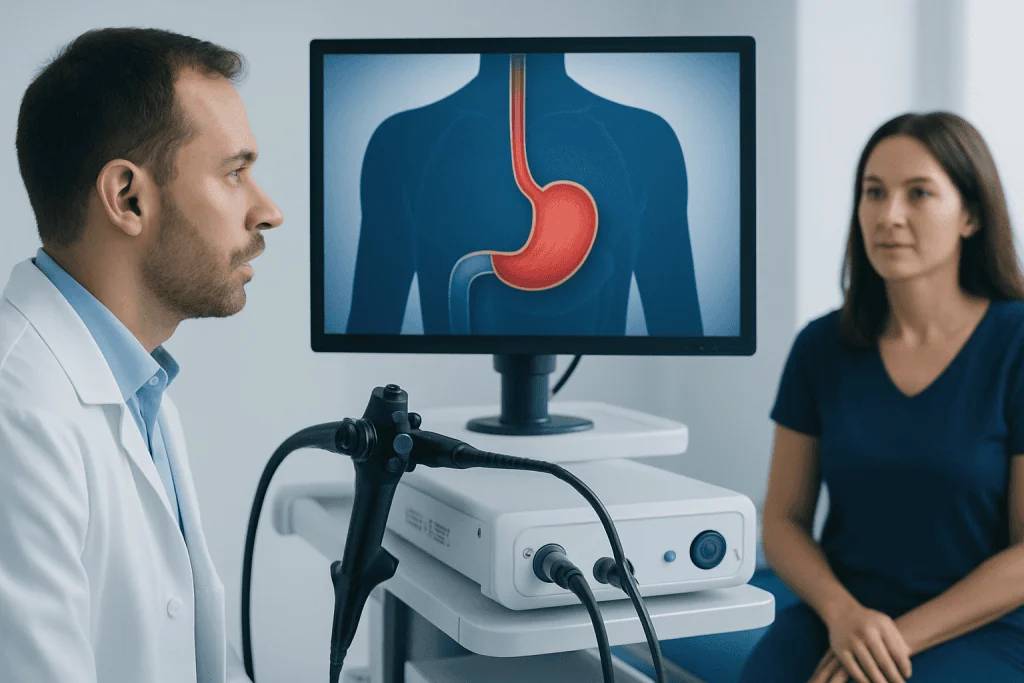
When the lower esophageal sphincter is too loose or relaxes too often, stomach contents can move back into the esophagus. Because the esophagus does not have the same protective lining as the stomach, repeated exposure to acid can irritate it. This is a common mechanism behind gastroesophageal reflux disease (GERD).
In other situations, the problem is the opposite. The lower esophageal sphincter may remain too tight or fail to relax normally during swallowing. This can make it difficult for food to pass into the stomach and may lead to a feeling of food getting stuck, chest pressure, or regurgitation of undigested food. A well-known example is achalasia.
The LES also works together with the diaphragm, esophageal muscles, body position, and stomach emptying. This means symptoms are not always caused by the sphincter alone. For example, obesity, a hiatal hernia, delayed stomach emptying, pregnancy, or certain medications can increase pressure on the valve or reduce its ability to stay closed.
Symptoms that may suggest a lower esophageal sphincter disorder

Symptoms depend on whether the sphincter is allowing too much backflow from the stomach or not relaxing enough for swallowing. In reflux-related conditions, symptoms often include burning behind the breastbone, a sour or bitter taste in the mouth, regurgitation after meals, throat irritation, chronic cough, or hoarseness. Some people also notice symptoms worsen when lying down or bending over.
When the lower esophageal sphincter does not relax properly, swallowing symptoms may be more noticeable than heartburn. A person may feel that food or liquid moves slowly, sticks in the chest, or comes back up shortly after swallowing. There may also be chest pain, weight loss from reduced eating, or nighttime coughing due to regurgitation.
Some symptoms overlap with other digestive or even heart-related conditions, so self-diagnosis can be difficult. Medical review is especially important when symptoms are persistent, progressively worsening, or associated with trouble swallowing, bleeding, vomiting, or unexplained weight loss.
- Common reflux-type symptoms: heartburn, regurgitation, sour taste, throat irritation
- Common swallowing-related symptoms: food sticking, chest pressure, regurgitation of undigested food
- Less specific symptoms: cough, hoarseness, bad breath, sleep disturbance
Causes and risk factors
Lower esophageal sphincter dysfunction can happen for several reasons. In reflux disorders, the sphincter may be weak, may relax too often between swallows, or may be affected by structural changes such as a hiatal hernia. Some foods and substances, including alcohol, large fatty meals, and caffeine in susceptible people, may trigger symptoms by reducing LES pressure or increasing acid exposure.
Body weight can also matter. Excess abdominal pressure may encourage reflux, especially after large meals or when lying flat. Pregnancy can have a similar temporary effect. Smoking is another factor associated with reflux symptoms and impaired esophageal healing.
Swallowing-related LES disorders often involve problems with the nerves or muscles that coordinate esophageal movement. In achalasia, for example, the sphincter does not relax properly and the esophagus may lose its normal wave-like contractions. Certain medications, connective tissue disorders, prior surgeries, and other gastrointestinal conditions may also influence how the LES works.
Not everyone with risk factors develops symptoms, and not every symptom points to a serious disorder. Still, recurring symptoms deserve attention because long-term irritation of the esophagus may lead to inflammation, narrowing, or other complications if left untreated.
How doctors diagnose lower esophageal sphincter conditions
Diagnosis begins with a careful history of symptoms. A doctor may ask when symptoms occur, whether they are triggered by meals or body position, whether swallowing solids or liquids is difficult, and whether there are alarm features such as bleeding or weight loss. This helps separate likely reflux from motility disorders and other causes of chest or upper digestive symptoms.
Several tests may be used when symptoms are frequent, unclear, or not improving with initial treatment. Upper endoscopy allows a doctor to look at the lining of the esophagus and stomach and check for inflammation, narrowing, ulcers, or other abnormalities. It can also help rule out conditions that may mimic LES dysfunction.
Esophageal manometry is one of the most useful tests for measuring sphincter pressure and how the esophagus contracts during swallowing. Ambulatory pH monitoring can show whether acid is refluxing into the esophagus and how often symptoms match reflux episodes. In some cases, imaging studies such as a barium swallow may be recommended to assess swallowing and esophageal shape.
These tests are selected based on the person’s symptoms rather than used routinely in everyone. The goal is to identify the specific mechanism of the problem so treatment can be more precise and effective.
Treatment options for lower esophageal sphincter problems
Treatment depends on the underlying issue. If the lower esophageal sphincter is contributing to acid reflux, initial care often includes lifestyle measures and acid-suppressing medicines. For many people, managing meal timing, reducing triggers, maintaining a healthy weight, and using appropriate medication can significantly reduce symptoms and help the esophagus heal.
When reflux symptoms persist or complications develop, doctors may discuss procedural options. Depending on the person’s anatomy and test results, this can include endoscopic therapies or anti-reflux surgery such as GERD treatment. The purpose is to reduce backflow by improving the barrier between the stomach and esophagus.
If the problem is poor LES relaxation, treatment is different. Approaches may include endoscopic balloon dilation, botulinum toxin injection in selected cases, or procedures designed to release the tight sphincter muscle. For example, some patients with achalasia may be evaluated for peroral endoscopic myotomy (POEM). In others, specialists may consider gastroenterology treatment tailored to the exact motility disorder.
The best plan depends on symptom pattern, age, overall health, test findings, and patient preferences. A specialist can explain expected benefits, limitations, and follow-up needs for each option.
Prevention and self-care
Not every lower esophageal sphincter problem can be prevented, especially those related to motility disorders. However, many people with reflux-related symptoms benefit from practical daily steps that reduce pressure on the LES or decrease acid exposure. These changes are often most helpful when symptoms are mild or when used together with medical treatment.
Helpful strategies may include eating smaller meals, avoiding lying down for a few hours after eating, limiting late-night meals, and identifying foods that clearly trigger symptoms. Weight management can improve reflux in some people, and stopping smoking supports both symptom control and general digestive health.
It is also sensible to discuss medications with a doctor if symptoms seem to worsen after starting a new drug. People should avoid repeatedly using over-the-counter remedies for long periods without medical advice, especially if symptoms are frequent or changing.
- Eat smaller, more regular meals
- Avoid lying flat soon after eating
- Raise the head of the bed if nighttime reflux is a problem
- Maintain a healthy weight if advised by a doctor
- Stop smoking and limit personal food triggers when possible
When to seek medical care
Medical care is recommended if reflux, regurgitation, or swallowing symptoms happen often, interfere with sleep, or keep returning despite self-care. A doctor can help determine whether the issue is related to acid reflux, a motility disorder, medication effects, or another digestive condition. Early evaluation can also help prevent complications such as esophagitis or narrowing of the esophagus.
Urgent medical attention is important if there is severe chest pain, vomiting blood, black stools, inability to swallow, progressive trouble swallowing, dehydration, or unintentional weight loss. These symptoms do not always mean a serious condition, but they should not be ignored.
For international patients who need assessment or treatment, Acibadem International’s multidisciplinary specialists and JCI-accredited hospitals diagnose and manage lower esophageal sphincter disorders using modern endoscopic, imaging, and surgical approaches when appropriate.
Frequently asked questions
What is the lower esophageal sphincter?
The lower esophageal sphincter is a ring of muscle between the esophagus and the stomach. It opens during swallowing and then closes to help prevent stomach contents from flowing back up.
Can a weak lower esophageal sphincter cause GERD?
Yes. When the lower esophageal sphincter does not stay closed well enough, acid and stomach contents can move into the esophagus, which can lead to reflux symptoms and GERD.
Is heartburn always caused by the lower esophageal sphincter?
Not always. The LES is often involved, but heartburn can also be influenced by a hiatal hernia, delayed stomach emptying, certain foods, medications, and other digestive conditions.
How do doctors test the lower esophageal sphincter?
Doctors may use esophageal manometry to measure pressure and coordination in the esophagus and sphincter. Depending on symptoms, they may also recommend endoscopy, pH monitoring, or a barium swallow study.
Can lower esophageal sphincter problems be treated without surgery?
Often, yes. Many reflux-related problems improve with lifestyle changes and medicines, while some motility disorders can be managed with endoscopic treatments. Surgery or advanced procedures are usually considered when symptoms are persistent, complications occur, or test results show a structural or functional problem that needs intervention.
When should trouble swallowing be checked by a doctor?
Trouble swallowing should be evaluated if it happens repeatedly, worsens over time, causes weight loss, or is linked to chest discomfort or regurgitation. Prompt assessment helps identify whether the cause is a motility problem, inflammation, narrowing, or another condition.
This article is for general information only and is not a substitute for professional medical advice. Please consult a qualified doctor about your individual situation.
Persistent digestive symptoms? Get evaluated in Turkey
JCI-accredited · board-certified surgeons · reply within 24h
Add us as a Preferred Source to see more of our trusted health content across Google Search, AI Overviews and Discover.

More from the Health Library

Impending Doom: An Evidence-Based Guide for Patients

Purple Coloured Feet — Explained by Medical Evidence, Not Myths

Spinal Muscular Atrophy — Explained by Medical Evidence, Not Myths

Subcutaneous: A Complete Medical Overview

Water Blister: A Complete Medical Overview