

Pre Hypertension: An Evidence-Based Guide for Patients

Pre hypertension usually has no noticeable symptoms, so accurate blood pressure measurement is important. Current US guidelines generally call readings of 120–129 mmHg systolic with diastolic pressure below 80 mmHg “elevated blood pressure.”
Key Takeaways
- Pre hypertension usually has no noticeable symptoms, so accurate blood pressure measurement is important.
- Current US guidelines generally call readings of 120–129 mmHg systolic with diastolic pressure below 80 mmHg “elevated blood pressure.”
- Repeated readings, rather than one isolated result, help clinicians understand a person’s usual blood pressure.
- Nutrition, physical activity, weight management, sleep, stress care, and limiting alcohol can meaningfully support healthy blood pressure.
- Some people need earlier medical evaluation because of diabetes, kidney disease, pregnancy, cardiovascular disease, or persistently rising readings.
Pre hypertension is an older term commonly used for blood pressure that is higher than ideal but below the usual threshold for hypertension. Although it often causes no symptoms, it is an opportunity to assess cardiovascular risk and make practical, lasting changes that support heart health.
What Is Pre Hypertension?
Pre hypertension is a commonly used older term for blood pressure that is higher than healthy levels but not high enough to be diagnosed as hypertension. It is not usually a disease by itself. Instead, it signals that a person may be more likely to develop high blood pressure over time, particularly without changes to contributing lifestyle factors or management of other health conditions.
Blood pressure has two numbers. The upper number, systolic pressure, measures pressure when the heart pumps. The lower number, diastolic pressure, measures pressure while the heart relaxes between beats. Under widely used American guidelines, “elevated” blood pressure is a systolic reading of 120–129 mmHg with a diastolic reading below 80 mmHg. The term pre hypertension may also be used more broadly in everyday conversation or in settings that use different guideline thresholds.
A single higher-than-usual result does not confirm a long-term problem. Blood pressure can temporarily rise with stress, pain, caffeine, exercise, smoking, a full bladder, or an incorrectly sized cuff. Repeated properly taken measurements, often including home monitoring, provide a more reliable picture.
Why Elevated Blood Pressure Matters
Blood pressure can gradually place extra strain on blood vessel walls, the heart, kidneys, and brain. Over years, persistently elevated readings can progress to hypertension, which is a major modifiable risk factor for heart disease, stroke, kidney disease, and other vascular problems. Identifying elevated blood pressure early gives people time to reduce these risks.
The meaning of a blood pressure result depends on the whole person, not only one number. Age, family history, smoking, cholesterol levels, diabetes, kidney disease, body weight, sleep quality, physical activity, and current medicines can all affect overall cardiovascular risk. A clinician may consider these factors when advising how often blood pressure should be monitored and whether additional tests are appropriate.
Elevated blood pressure does not mean that complications are inevitable. Many people lower their readings through sustainable daily habits and by treating related health issues. Regular follow-up helps ensure that a rising trend is noticed early and managed appropriately.
Symptoms and Accurate Blood Pressure Checks

Pre hypertension and early hypertension usually do not cause symptoms. Feeling well therefore does not confirm that blood pressure is in a healthy range. Headache, dizziness, flushing, or tiredness can occur for many reasons and should not be used to diagnose blood pressure problems.
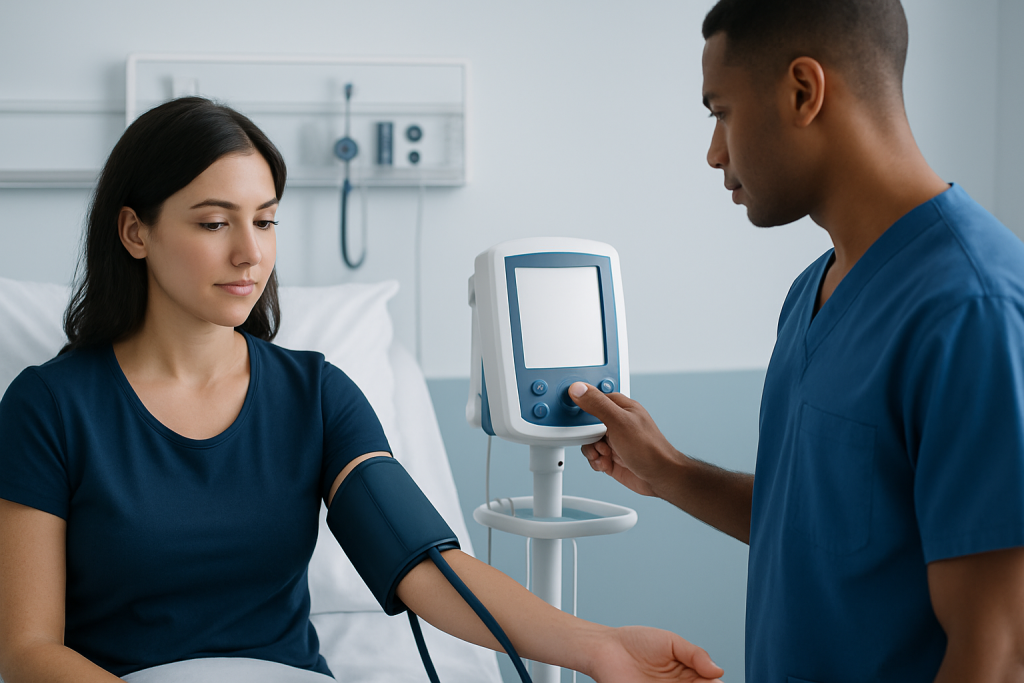
For an accurate measurement, a person should sit quietly for about five minutes, keep both feet flat on the floor, support the back and arm, and avoid talking during the reading. Caffeine, tobacco, and exercise should generally be avoided for at least 30 minutes beforehand. The cuff should fit the upper arm correctly and be placed on bare skin.
When monitoring at home, it is useful to take readings at consistent times and record the date, time, and result. Taking two readings about one minute apart and bringing a log to an appointment can help a clinician identify patterns. Validated upper-arm monitors are usually preferred over wrist devices, which may be more sensitive to positioning.
- Normal readings in many guidelines are below 120/80 mmHg.
- Elevated readings should be confirmed with repeat measurements.
- Blood pressure categories and treatment thresholds can differ slightly between countries and clinical guidelines.
Causes and Risk Factors
There is rarely one single cause of pre hypertension. Blood pressure naturally changes throughout the day and can increase over time because of genetic tendencies, aging, changes in blood vessel elasticity, and everyday environmental factors. A close family history of hypertension can raise the likelihood of developing it, but healthy habits remain beneficial regardless of family history.
Common modifiable contributors include a diet high in sodium or highly processed foods, low intake of fruits and vegetables, limited physical activity, excess body weight, regular heavy alcohol use, smoking, and inadequate sleep. Ongoing stress may also influence blood pressure through behavior, sleep, and changes in the body’s stress response.
Some medical conditions and medicines can affect blood pressure. Examples include kidney disease, diabetes, obstructive sleep apnea, thyroid disorders, certain hormonal conditions, anti-inflammatory medicines, decongestants, stimulants, and some hormonal therapies. A person should not stop prescribed medication on their own; a clinician or pharmacist can review whether any medicine may be contributing.
People with persistent elevated readings may also benefit from learning about hypertension and its long-term management, particularly if their readings are rising or if they already have cardiovascular risk factors.
Evaluation and Follow-Up
A healthcare professional typically begins by confirming blood pressure with repeated measurements. Readings may be checked during more than one visit, with home measurements, or with ambulatory monitoring that records blood pressure over 24 hours. This approach helps distinguish sustained high blood pressure from a temporary increase in the clinic setting.
The evaluation may include discussion of medical history, family history, dietary habits, physical activity, sleep, alcohol use, tobacco exposure, and medicines or supplements. Depending on the individual situation, clinicians may recommend blood tests, urine testing, or assessment of cholesterol, blood sugar, kidney function, and other cardiovascular risk factors.
For many adults with elevated blood pressure and no high-risk condition, lifestyle measures and monitoring are the initial approach. Medication is not routinely prescribed for every person with mildly elevated readings. However, treatment decisions are individualized, especially when blood pressure reaches the hypertension range or when there is diabetes, kidney disease, established cardiovascular disease, or a high overall cardiovascular risk.
Lifestyle Steps That Support Healthy Blood Pressure
Small, consistent lifestyle changes can be more effective and sustainable than short-term restrictive plans. A heart-healthy eating pattern emphasizes vegetables, fruits, legumes, whole grains, nuts, lean protein sources, and unsaturated fats. Reducing highly processed foods can help lower sodium intake, while preparing more meals at home makes it easier to control salt.
Regular physical activity supports blood pressure, heart fitness, weight management, mood, and sleep. Adults can discuss a suitable activity plan with a clinician, especially if they have heart, joint, lung, or neurological conditions. Walking, cycling, swimming, and strength-building activities can all be adapted to individual ability.
Other helpful measures include maintaining a weight that is appropriate for the individual, avoiding tobacco, limiting alcohol, and establishing regular sleep routines. People who snore loudly, stop breathing during sleep, wake unrefreshed, or have marked daytime sleepiness should discuss possible sleep apnea with a doctor, as treatment can be important for blood pressure control.
Stress cannot always be removed, but regular calming practices such as breathing exercises, mindfulness, time outdoors, social connection, or counseling may help some people manage it. These measures should complement—not replace—medical follow-up when blood pressure remains elevated.
When to Seek Medical Care
A person should arrange a routine appointment if home or clinic readings are repeatedly above the healthy range, if blood pressure is trending upward, or if there is uncertainty about how to measure it correctly. Earlier assessment is particularly important for people who are pregnant, have diabetes or kidney disease, have had heart disease or stroke, or have a strong family history of early cardiovascular disease.
Urgent medical assessment is needed for a very high blood pressure reading, especially if it occurs with chest pain, shortness of breath, weakness or numbness on one side of the body, trouble speaking, confusion, fainting, severe headache, or sudden vision changes. These symptoms may indicate a serious condition and should not be managed at home.
For international patients, Acibadem International’s multidisciplinary specialists and JCI-accredited hospitals can assess blood pressure concerns and related cardiovascular risks. Individual evaluation is important because the most appropriate monitoring and treatment plan depends on a person’s readings, health history, and risk factors.
Frequently asked questions
Is pre hypertension the same as high blood pressure?
Pre hypertension generally describes blood pressure that is above the ideal range but below the threshold used to diagnose hypertension. In current US guidance, this is often called elevated blood pressure. Definitions can vary between guidelines, so a clinician can explain what a specific reading means.
Can pre hypertension go away?
Blood pressure can improve with sustained lifestyle changes, treatment of contributing conditions, and regular monitoring. The goal is not simply one lower reading, but a healthy pattern over time. Some people may still develop hypertension because of age, genetics, or other health factors.
What is considered an elevated blood pressure reading?
Under commonly used American guidelines, elevated blood pressure is a systolic reading of 120–129 mmHg with a diastolic reading below 80 mmHg. A diagnosis should not be based on one reading alone. Proper repeat measurements are important.
Do people with pre hypertension need medication?
Many people with mildly elevated blood pressure begin with lifestyle measures and follow-up rather than medication. Medication may be considered when readings are in the hypertension range or when a person has certain conditions or high cardiovascular risk. A clinician should make this decision after reviewing the full health picture.
How often should blood pressure be checked?
The right schedule depends on the readings and individual risk factors. A healthcare professional may suggest periodic office checks or a period of home monitoring to confirm a pattern. People should follow the plan given by their clinician rather than checking so often that results become a source of anxiety.
Can stress cause pre hypertension?
Stress can temporarily increase blood pressure and may contribute over time through poor sleep, reduced activity, smoking, alcohol use, or less balanced eating. It is usually one of several factors rather than the only cause. Stress-management strategies can be a useful part of an overall blood pressure plan.
References
- World Health Organization
- American Heart Association
- Centers for Disease Control and Prevention
- National Heart, Lung, and Blood Institute
- European Society of Cardiology
This article is for general information only and is not a substitute for professional medical advice. Please consult a qualified doctor about your individual situation.
Hypertension in Turkey — costs, top hospitals & a free quote
JCI-accredited · board-certified surgeons · reply within 24h
Add us as a Preferred Source to see more of our trusted health content across Google Search, AI Overviews and Discover.
Check your numbers in seconds
BMI, calories, due date, blood pressure and 30+ more clinical calculators — free, instant, doctor-reviewed ranges.

More from the Health Library



Related Specialists

Assoc. Prof. Dr. Ahmet Küçükçelebi
Aesthetic Plastic & Reconstructive Surgery
Prof. Dr. Meltem Serin
Radiation Oncology
Prof. Dr. Esra Nur Ademoğlu Dilekçi
Endocrinology
Dr. Halil Algan
Treatment of Pain Algology