Prebiotic and Probiotic: An Evidence-Based Guide for Patients

Prebiotics are types of fiber and related compounds that feed beneficial gut bacteria. Probiotics are live microorganisms found in certain foods and supplements.
Key Takeaways
- Prebiotics are types of fiber and related compounds that feed beneficial gut bacteria.
- Probiotics are live microorganisms found in certain foods and supplements.
- Not every probiotic works for every symptom; benefits are often strain-specific and condition-specific.
- A varied, fiber-rich diet is usually the foundation of gut health for most people.
- People with major illness, immune suppression, or severe symptoms should seek medical advice before using supplements.
Prebiotic and probiotic are not the same, but they can work together to support digestive and overall health. Prebiotics are food components that nourish beneficial gut microbes, while probiotics are live microorganisms that may offer a health benefit when used appropriately.
Overview: what prebiotic and probiotic mean
Prebiotic and probiotic are related terms, but they describe different parts of gut health. A prebiotic is a substance, usually a type of non-digestible fiber or carbohydrate, that is selectively used by beneficial microorganisms in the gut. A probiotic is a live microorganism that, when taken in adequate amounts, may provide a health benefit.
This distinction matters because the two do different jobs. Prebiotics act as food for helpful microbes already living in the intestines. Probiotics add selected live microbes through foods or supplements. Some people use both together, sometimes called a synbiotic approach, but they are not automatically needed by everyone.
The gut microbiome is complex and individual. Age, diet, medications, travel, illness, and stress can all affect it. An evidence-based approach focuses less on trends and more on matching the right strategy to the person, the symptom, and the medical context.
How they work in the body
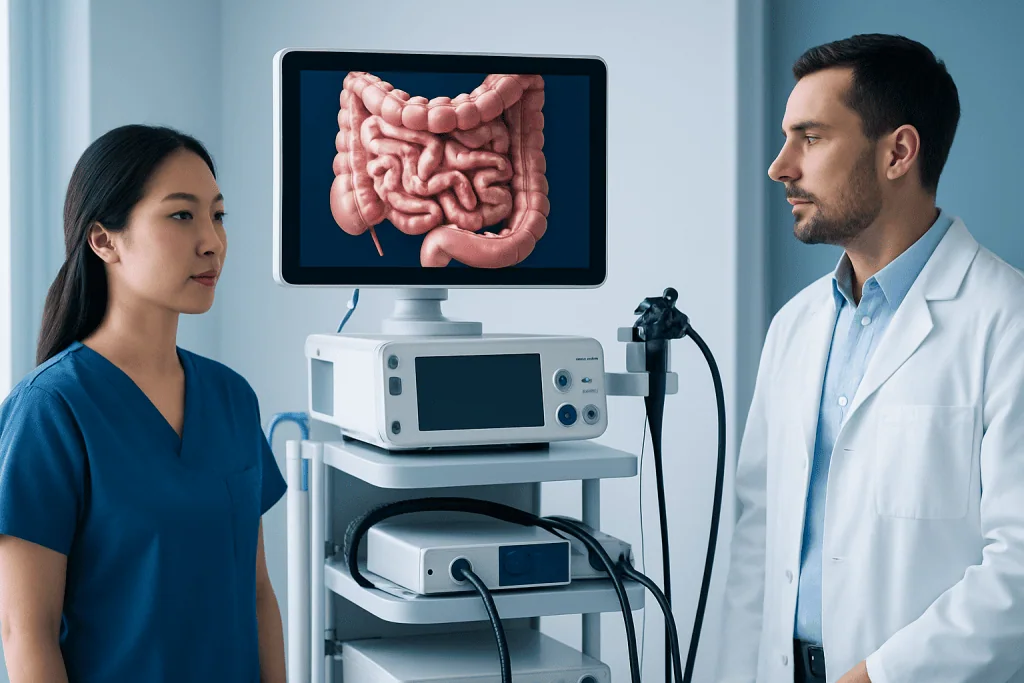
Prebiotics pass through the upper digestive tract without being fully digested. In the colon, beneficial microbes can ferment them and produce compounds such as short-chain fatty acids. These compounds may help support the gut lining, influence bowel habits, and take part in broader metabolic and immune processes.
Probiotics work differently. Certain strains may help maintain microbial balance, support the intestinal barrier, and interact with the immune system. However, probiotic effects are not universal. A product containing one strain may help in a specific situation, while another product may not have the same effect.
Many patients assume that more bacteria always means better health, but this is too simple. Gut health depends on diversity, resilience, diet quality, sleep, activity, and underlying medical conditions. For this reason, prebiotic and probiotic choices should be considered as part of overall health rather than as stand-alone solutions.
Common sources of prebiotics and probiotics

Prebiotics are naturally present in many plant foods. Common examples include onions, garlic, leeks, asparagus, oats, barley, beans, lentils, bananas, apples, chicory root, and foods rich in resistant starch such as cooled potatoes or rice. In everyday care, increasing dietary fiber gradually is often a practical first step before considering specialty products.
Probiotics can be found in fermented foods and in supplements. Foods may include yogurt with live cultures, kefir, some fermented milks, sauerkraut, kimchi, miso, and other traditionally fermented products. Not every fermented food contains enough live organisms to have a proven probiotic effect, so food labels and product handling can matter.
Supplements vary widely in strain, dose, quality, and intended use. Product labels may list organisms such as Lactobacillus, Bifidobacterium, Saccharomyces boulardii, or combinations of strains. A supplement should not be chosen only because it is popular; it is more useful to consider whether a specific strain has evidence for the symptom or condition involved.
- Food-first approaches are often suitable for general wellness.
- Supplement choices should be individualized.
- Sudden large increases in fiber can cause bloating or gas.
What the evidence shows
Research supports some uses of prebiotics and probiotics, but not all claims are equally strong. For general gut health, regular intake of fiber-rich foods is consistently associated with digestive and broader health benefits. Prebiotics may help support regular bowel habits and microbial diversity, although individual responses differ.
For probiotics, evidence is often strongest for specific, limited situations rather than broad promises. Some probiotic strains may help reduce the risk of antibiotic-associated diarrhea or support recovery from certain forms of acute infectious diarrhea. In some patients, selected probiotics may be considered as part of symptom management for conditions such as irritable bowel syndrome or alongside care for bowel irregularity, but results are mixed and not everyone improves.
Evidence in other areas, such as immunity, skin health, mood, or weight management, remains more variable. This does not mean probiotics are ineffective, but it does mean the details matter. The strain, the clinical goal, the person’s health status, and the quality of the product all influence whether a benefit is likely.
Patients with persistent symptoms such as abdominal pain, ongoing bloating, chronic diarrhea, constipation, or blood in the stool should not rely on self-treatment alone. A medical assessment may be needed to look for underlying digestive disease, including problems like Crohn’s disease or other inflammatory conditions.
Who may benefit and who should be cautious
Many healthy adults can include prebiotic foods and probiotic foods in a balanced diet. These choices may be reasonable for people who want to support digestive regularity, diversify their diet, or restore routine eating after travel, stress, or temporary changes in bowel habits. Gradual changes tend to be better tolerated than sudden ones.
Some people need extra caution. Those with weakened immune systems, severe illness, central venous catheters, recent major surgery, severe pancreatitis, or complex hospital care should discuss probiotics with a doctor before use. In these settings, even products considered low risk may not be appropriate.
People with significant bloating, suspected small intestinal bacterial overgrowth, major food intolerances, or active gastrointestinal disease may also need tailored advice. A prebiotic supplement that helps one person can worsen symptoms in another. If symptoms are substantial or ongoing, consultation with a gastroenterology specialist may be more useful than trial-and-error self-treatment, and investigations such as colonoscopy may be recommended when clinically indicated.
How to choose and use them safely
For most patients, the safest starting point is a food-based approach. Adding more fiber-rich plants over time, drinking enough fluids, and maintaining regular meal patterns can support bowel function and microbial health. If probiotic foods are used, starting with small portions may help identify tolerance.
When considering a supplement, it is sensible to look for a clear label showing the full strain name, storage instructions, and an expiry date. Products should match a defined purpose rather than make vague claims about curing digestive problems. If a supplement is being tried for a mild symptom, keeping track of changes over a few weeks can help determine whether it is useful.
Patients should stop and seek advice if symptoms worsen, if severe bloating or pain develops, or if there are signs of dehydration or gastrointestinal bleeding. In some situations, a doctor may suggest targeted testing to rule out infection, inflammation, celiac disease, or other causes. Depending on symptoms, care may include endoscopy or broader digestive evaluation rather than continued supplement use.
When to seek medical care
Medical care is important if digestive symptoms are severe, new, or persistent. Warning signs include blood in the stool, black stools, unexplained weight loss, fever, severe or localized abdominal pain, repeated vomiting, signs of dehydration, or diarrhea lasting more than a few days. These symptoms can have causes that require prompt assessment.
Patients should also contact a doctor if bowel habits change for several weeks, if symptoms begin after starting a new medicine, or if there is a personal or family history of inflammatory bowel disease, colon cancer, or celiac disease. Children, older adults, pregnant individuals, and people with long-term illnesses may need earlier review.
If guidance is needed, a specialist can help determine whether symptoms relate to diet, infection, medication effects, intolerance, or a condition that needs treatment. Near the end of the care pathway, some patients benefit from coordinated digestive evaluation, and Acibadem International’s multidisciplinary specialists in JCI-accredited hospitals diagnose and treat gastrointestinal conditions for international patients, including advanced assessment when needed such as gastroenterology care.
Frequently asked questions
What is the main difference between prebiotic and probiotic?
Prebiotics are substances, usually certain fibers or carbohydrates, that feed beneficial microbes already living in the gut. Probiotics are live microorganisms that may provide a health benefit when consumed in the right amounts. In simple terms, prebiotics nourish helpful bacteria, while probiotics introduce selected helpful microbes.
Can prebiotics and probiotics be taken together?
Yes, they can be used together, and in some settings this combined approach is called synbiotic use. The idea is that prebiotics may help support the survival and activity of beneficial microbes. Still, taking both is not always necessary, and the best choice depends on a person’s symptoms, diet, and health conditions.
Are probiotic supplements better than probiotic foods?
Not always. Probiotic foods can be a practical and gentle way to include beneficial microbes as part of a healthy diet, while supplements may be more targeted if a specific strain has evidence for a specific use. The better option depends on the goal, tolerance, and the quality of the product.
Do prebiotics cause gas or bloating?
They can, especially when intake increases quickly or when someone is sensitive to certain fibers. This happens because gut microbes ferment these substances. Increasing intake gradually and choosing foods carefully often improves tolerance.
Should everyone take a probiotic after antibiotics?
Not everyone needs one, although selected probiotic strains may help in some cases of antibiotic-associated diarrhea. The evidence is strain-specific, and timing and individual risk factors matter. A doctor or pharmacist can help decide whether a probiotic is appropriate.
Are probiotics safe for people with chronic illness?
They are often well tolerated in otherwise healthy people, but caution is needed in those who are immunocompromised, severely ill, or receiving complex hospital care. In these situations, a probiotic should not be started without medical advice. Safety depends on the person’s condition as well as the product used.
References
- World Health Organization
- National Institutes of Health Office of Dietary Supplements
- American Gastroenterological Association
- International Scientific Association for Probiotics and Prebiotics
- National Institute of Diabetes and Digestive and Kidney Diseases
This article is for general information only and is not a substitute for professional medical advice. Please consult a qualified doctor about your individual situation.
Persistent digestive symptoms? Get evaluated in Turkey
JCI-accredited · board-certified surgeons · reply within 24h
Add us as a Preferred Source to see more of our trusted health content across Google Search, AI Overviews and Discover.

More from the Health Library



Related Specialists

Prof. Dr. Çiğdem Ünal Gülmeden
Aesthetic Plastic & Reconstructive Surgery
Dyt. Büşra Nur Enez Baş
Nutrition & Diet
Dr. Sema Çetin
Physical Medicine & Rehabilitation
Prof. Dr. Hale Göksever Çelik
Gynecology & Obstetrics