Prebiotic Fiber: What Patients Need to Know

Prebiotic fiber feeds helpful gut bacteria rather than being digested in the small intestine. Common sources include onions, garlic, leeks, asparagus, oats, barley, bananas, legumes, and chicory root fiber.
Key Takeaways
- Prebiotic fiber feeds helpful gut bacteria rather than being digested in the small intestine.
- Common sources include onions, garlic, leeks, asparagus, oats, barley, bananas, legumes, and chicory root fiber.
- Adding prebiotic fiber too quickly can cause gas, bloating, or abdominal discomfort.
- People with digestive conditions such as IBS may tolerate some prebiotic fibers better than others.
- A varied, fiber-rich diet is usually the best first step before considering supplements.
- Medical advice is important for persistent digestive symptoms, unexplained weight loss, bleeding, or severe pain.
Prebiotic fiber is a type of carbohydrate the body does not digest. Instead, it nourishes beneficial bacteria in the gut, which can support digestion, bowel regularity, and overall metabolic health when included as part of a balanced diet.
Overview: What prebiotic fiber is and why it matters
Prebiotic fiber is a type of dietary fiber that passes through the upper digestive tract without being broken down by human enzymes. When it reaches the colon, it becomes food for beneficial gut bacteria. In simple terms, prebiotic fiber helps nourish the microorganisms that are part of a healthy gut microbiome.
This is different from probiotics, which are live microorganisms found in some foods and supplements. Prebiotics do not add bacteria directly. Instead, they help existing beneficial bacteria grow and function. As these bacteria ferment prebiotic fibers, they produce compounds called short-chain fatty acids, which may help support the gut lining and normal digestive processes.
Many people think of fiber only in terms of constipation relief, but prebiotic fiber has a broader role. It may contribute to regular bowel habits, support stool consistency, and help create a healthy intestinal environment. Research also continues to explore how the gut microbiome may influence metabolism, immune function, and general well-being.
Prebiotic fiber is not a single ingredient. It includes several compounds, such as inulin, fructooligosaccharides, galactooligosaccharides, resistant starch, and some naturally occurring fibers in plant foods. Because tolerance varies, the best choice often depends on the person’s eating pattern, digestive symptoms, and overall health.
How prebiotic fiber works in the body
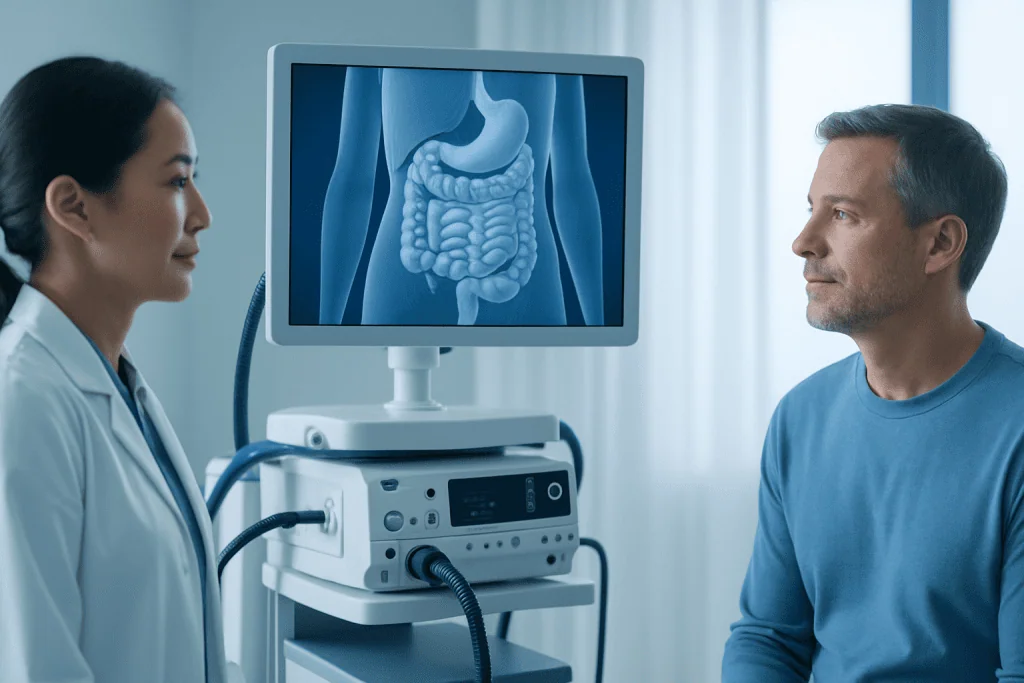
After prebiotic fiber reaches the large intestine, gut bacteria ferment it. This fermentation process supports the growth of bacteria often associated with digestive health, including species that help maintain balance in the microbiome. The resulting short-chain fatty acids may help nourish cells in the colon and support normal bowel function.
Prebiotic fiber can also influence how quickly food moves through the digestive tract and how much water stays in the stool. Depending on the type of fiber, this may help improve regularity and stool form. Some prebiotic fibers also contribute to a feeling of fullness, which may fit well into healthy eating patterns.
Not all fibers have the same effect. Some are more strongly fermented and can lead to more gas, especially when introduced quickly. Others act more gently. This is why one person may feel well with a certain prebiotic-rich food while another may notice bloating or cramping at first.
For patients with ongoing digestive concerns, a doctor may consider whether symptoms are related to common issues such as irritable bowel syndrome or other gastrointestinal conditions. Understanding the pattern of symptoms helps guide whether more fiber is likely to help, and which type may be easiest to tolerate.
Potential benefits of prebiotic fiber

The best-established role of prebiotic fiber is support for gut health. By feeding beneficial bacteria, it may help maintain a more balanced intestinal environment. For many people, this can contribute to more predictable bowel movements and improved digestive comfort over time, especially when paired with enough fluids and a balanced diet.
Prebiotic fiber may also support bowel regularity. Some people find that increasing prebiotic-rich foods helps reduce mild constipation or improves stool consistency. In addition, fermentation products in the colon may support the health of the intestinal lining, which is important for normal digestive function.
Researchers are also studying whether prebiotic fiber may have broader metabolic effects. Emerging evidence suggests possible links with blood sugar regulation, appetite control, and mineral absorption, although responses vary and diet quality remains the most important factor. Prebiotic fiber should be viewed as one part of an overall healthy pattern rather than a single solution.
Some patients are advised to increase dietary fiber as part of care for common digestive concerns. Depending on symptoms and medical history, a clinician may also evaluate for other causes of altered bowel habits, including constipation or colon cancer when warning signs are present. Fiber can be helpful, but it does not replace proper evaluation of persistent symptoms.
Food sources of prebiotic fiber
Most people can increase prebiotic fiber through everyday foods. Plant-based foods naturally contain a range of fibers, and eating a variety is often more helpful than focusing on a single “superfood.” Whole foods also provide vitamins, minerals, and other nutrients that support overall health.
Common food sources of prebiotic fiber include:
- Onions, garlic, leeks, and shallots
- Asparagus, Jerusalem artichokes, and chicory root
- Bananas, especially slightly underripe bananas
- Oats, barley, and some whole grains
- Beans, lentils, chickpeas, and other legumes
- Nuts, seeds, and certain cooked-and-cooled starches that contain resistant starch
Food labels may also list added prebiotic ingredients such as inulin or chicory root fiber. These ingredients are sometimes added to cereals, snack bars, yogurts, and powdered supplements. While they can help increase intake, they may also cause bloating in sensitive individuals, especially in larger amounts.
Building meals around mixed fiber sources is often the most practical approach. For example, oats at breakfast, legumes at lunch, and vegetables such as onions or asparagus at dinner can increase prebiotic intake gradually without relying only on supplements.
Possible side effects and who should be cautious
Prebiotic fiber is generally safe for most people, but side effects can occur, especially when intake rises quickly. The most common symptoms are gas, bloating, abdominal discomfort, and changes in bowel habits. These effects often improve when the amount is increased slowly and fluid intake is adequate.
People with sensitive digestion may react more strongly to certain prebiotic foods or supplements. This can be particularly relevant in people with IBS, functional bloating, or sensitivity to fermentable carbohydrates. In these situations, some high-prebiotic foods may trigger symptoms even though they are healthy foods overall.
Patients with digestive diseases, recent gastrointestinal surgery, or significant changes in bowel habits should not assume fiber is the only answer. A healthcare professional may need to rule out inflammation, obstruction, infection, or other underlying causes. In some cases, a doctor may recommend structured evaluation such as colonoscopy if symptoms suggest a problem in the lower digestive tract.
Supplements also need careful use. More is not always better, and a product that is well tolerated by one person may not be comfortable for another. Patients who take multiple medications or who have chronic digestive symptoms may benefit from discussing any fiber supplement with a clinician or dietitian first.
How to add prebiotic fiber safely
The safest way to increase prebiotic fiber is usually to start low and go slowly. A sudden increase may cause uncomfortable bloating or gas, even in healthy people. Adding one new high-fiber food at a time makes it easier to notice what feels helpful and what may be too much.
Hydration matters as well. Fiber works best when there is enough fluid in the diet, particularly for people trying to improve bowel regularity. Regular physical activity can also support healthy digestion and bowel function.
Practical strategies include choosing oatmeal or barley more often, adding beans or lentils to soups and salads, and using vegetables such as onions, leeks, or asparagus in cooked meals. Patients who prefer supplements should choose them carefully and follow product directions, ideally after professional advice if symptoms are ongoing.
If symptoms are frequent or difficult to interpret, a doctor may recommend further assessment. In some cases, evaluation may include stool testing, blood tests, or endoscopy when upper digestive symptoms are present. Treatment plans are individualized because the right approach depends on the person’s symptoms, diet, and medical history.
When to seek medical care
Prebiotic fiber can be part of healthy self-care, but persistent digestive symptoms should not be ignored. Medical review is appropriate for ongoing abdominal pain, severe bloating, chronic constipation, chronic diarrhea, or symptoms that continue despite dietary changes. A clinician can help determine whether the issue is related to food tolerance, a functional bowel disorder, or another medical condition.
Urgent evaluation is important for red-flag symptoms such as rectal bleeding, black stools, vomiting, fever, unexplained weight loss, anemia, difficulty swallowing, or severe abdominal pain. These symptoms are not typical effects of simply increasing fiber and may need prompt investigation.
Children, older adults, and people with complex medical conditions may need more individualized advice before making major dietary changes. This is also true for patients with inflammatory bowel disease, previous intestinal obstruction, or unexplained changes in appetite or bowel habits.
In specialist centers, digestive symptoms can be assessed with history-taking, laboratory tests, imaging, and procedures when needed. Acibadem International’s multidisciplinary specialists and JCI-accredited hospitals diagnose and treat digestive conditions for international patients, including evaluation with gastroenterology care when a broader assessment is needed.
Frequently asked questions
Is prebiotic fiber the same as probiotic supplements?
No. Prebiotic fiber is a type of carbohydrate that feeds beneficial bacteria already living in the gut, while probiotics are live microorganisms found in certain foods or supplements. Some people use both, but they work in different ways.
Can prebiotic fiber help with constipation?
It may help some people by supporting regular bowel function and improving stool consistency. Results depend on the type of fiber, fluid intake, physical activity, and the underlying cause of constipation. Persistent constipation should be discussed with a doctor.
Why does prebiotic fiber sometimes cause bloating?
Because gut bacteria ferment prebiotic fiber, gas can form as a natural byproduct. This is more likely if intake increases quickly or if a person is sensitive to highly fermentable foods. Starting with small amounts often improves tolerance.
What foods are naturally high in prebiotic fiber?
Examples include onions, garlic, leeks, asparagus, oats, barley, bananas, beans, lentils, and chicory root. Eating a variety of plant foods is usually the best way to increase intake. Whole foods also provide additional nutrients beyond fiber alone.
Should everyone take a prebiotic fiber supplement?
Not necessarily. Many people can get enough prebiotic fiber from food, and supplements are not required for everyone. They may be useful in selected cases, but tolerance varies and professional advice can be helpful for people with digestive symptoms.
Can people with IBS use prebiotic fiber?
Sometimes, but it depends on the person and the specific type of fiber. Some prebiotic-rich foods are also high in fermentable carbohydrates and may worsen bloating or pain in IBS. A doctor or dietitian can help identify better-tolerated options.
This article is for general information only and is not a substitute for professional medical advice. Please consult a qualified doctor about your individual situation.
Persistent digestive symptoms? Get evaluated in Turkey
JCI-accredited · board-certified surgeons · reply within 24h
Add us as a Preferred Source to see more of our trusted health content across Google Search, AI Overviews and Discover.

More from the Health Library

Human Body Temp Lowering: A Complete Medical Overview

How to gain weight fast? A Doctor-Reviewed Answer

Chordee — Explained by Medical Evidence, Not Myths

Pure Encapsulations: An Evidence-Based Guide for Patients

Potassium Bicarbonate: An Evidence-Based Guide for Patients