Prebiotic Soda: An Evidence-Based Guide for Patients

Prebiotic soda contains added fibers such as inulin or chicory root fiber that may help feed beneficial gut bacteria. It is not necessary for good gut health, and many people can get prebiotics from foods like onions, oats, bananas, beans, and asparagus.
Key Takeaways
- Prebiotic soda contains added fibers such as inulin or chicory root fiber that may help feed beneficial gut bacteria.
- It is not necessary for good gut health, and many people can get prebiotics from foods like onions, oats, bananas, beans, and asparagus.
- Some people develop bloating, gas, cramping, or diarrhea, especially if they drink it quickly or already have a sensitive digestive system.
- Label reading matters because products vary in fiber amount, sweeteners, caffeine, and total ingredients.
- People with IBS, chronic digestive symptoms, or special diets should discuss prebiotic drinks with a qualified clinician or dietitian.
Prebiotic soda is a carbonated beverage that contains added prebiotic fiber, usually to support beneficial gut bacteria. It may fit into a healthy diet for some people, but it is not a cure-all and can cause digestive symptoms in those who are sensitive to fiber, carbonation, or sweeteners.
What prebiotic soda is and whether it is healthy
Prebiotic soda is a soft drink made with added prebiotic ingredients, most often fermentable fibers such as inulin, chicory root fiber, or other plant-derived compounds. These ingredients are designed to nourish certain beneficial bacteria in the gut. For some people, this can be a convenient way to increase fiber intake while replacing a higher-sugar soda.
Whether prebiotic soda is healthy depends on the person, the product, and how it fits into the rest of the diet. A can of prebiotic soda is not automatically “good” or “bad.” It may be a reasonable occasional choice for someone who tolerates fiber well, but it should not be viewed as a substitute for a balanced eating pattern built around whole foods, adequate fluid intake, movement, and sleep.
It is also important to separate “prebiotic” from “probiotic.” Prebiotics are substances, usually types of fiber, that feed microbes already living in the gut. Probiotics are live microorganisms found in some foods and supplements. A prebiotic soda usually contains prebiotics, not live bacteria, although some beverages combine both.
How prebiotic soda may affect the gut
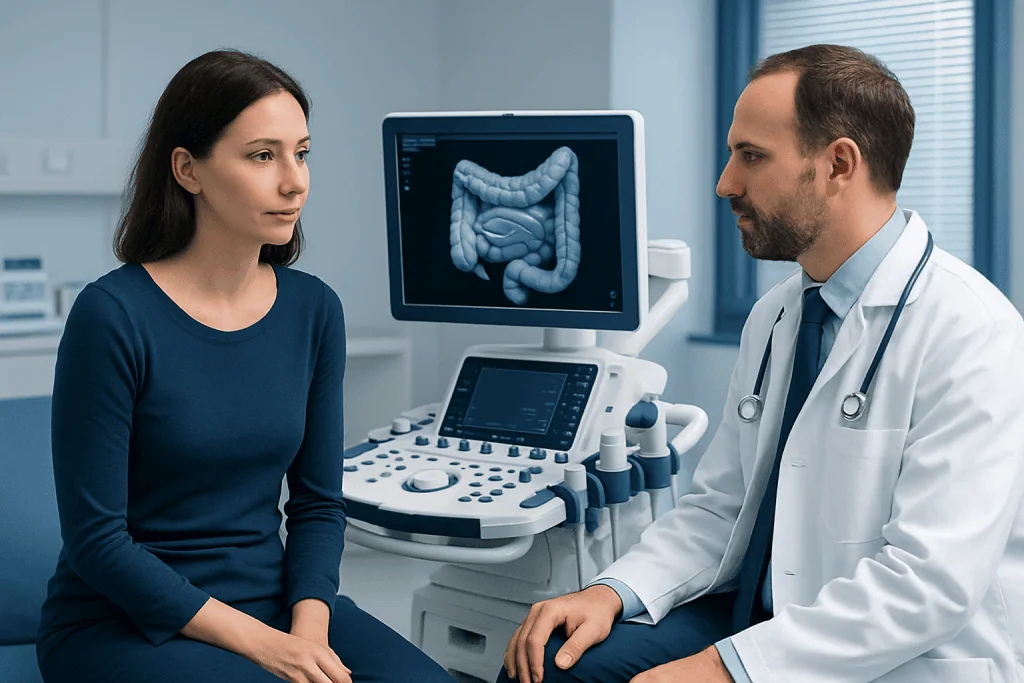
Prebiotic fibers reach the large intestine without being fully digested in the stomach or small intestine. There, gut microbes ferment them and produce short-chain fatty acids and other byproducts that may support the intestinal environment. In general, diets that include a variety of fibers are associated with better digestive and metabolic health.
That said, the gut is highly individual. A drink that feels fine for one person may trigger uncomfortable symptoms in another. Carbonation can add to bloating, and fermentable fibers can increase gas. Some products also contain sweeteners or flavoring agents that may affect sensitive people.
Prebiotic soda may be most useful as a substitute for sugary soda rather than as a “treatment.” If a person enjoys the taste and feels well after drinking it, it can be one small part of an overall healthy routine. If symptoms appear regularly, the drink may not be a good fit, even if the label highlights gut health benefits.
Potential benefits and realistic expectations

The main potential benefit of prebiotic soda is increased intake of prebiotic fiber. Many adults do not consume enough dietary fiber overall. A beverage with added fiber may help close part of that gap, especially for people who are trying to move away from sugar-sweetened drinks.
Some people also find that a small amount of added prebiotic fiber supports more regular bowel habits. Others appreciate that these drinks can feel more satisfying than plain soda due to their flavor profile and functional positioning. However, benefits are usually modest and depend on regular intake, the amount and type of fiber, and the person’s baseline diet.
It is important to keep expectations realistic. Prebiotic soda does not “reset” the microbiome, detoxify the body, or treat chronic digestive disease. People with ongoing abdominal pain, constipation, diarrhea, reflux, or suspected [[DISEASE:gastroenterology/irritable-bowel-syndrome-ibs|irritable bowel syndrome]] need a proper medical assessment rather than relying on a beverage trend.
Possible side effects and who may be more sensitive
The most common side effects are bloating, gas, abdominal discomfort, and changes in bowel movements. These effects are more likely when a person starts with a large amount, drinks it quickly, or is not used to fermentable fiber. Carbonation can make fullness and belching more noticeable.
People with sensitive digestion may react more strongly. This includes some individuals with IBS, functional bloating, chronic constipation, chronic diarrhea, or food intolerances. Inulin and similar fibers can be difficult for certain people to tolerate, especially those following a low-FODMAP plan under medical guidance.
Some products also include caffeine, sugar alcohols, or other sweeteners that can contribute to symptoms. Anyone with frequent heartburn, reflux, or [[DISEASE:gastroenterology/gastritis|gastritis]] may notice irritation or discomfort with acidic or carbonated beverages. If symptoms are persistent or severe, it is better to stop the drink and seek professional advice.
How to choose a prebiotic soda and use it safely
Reading the label is the most practical first step. Different brands vary widely in fiber content, sweeteners, total sugar, caffeine, serving size, and added ingredients. A product marketed for gut health may still be a poor personal choice if it contains ingredients that trigger bloating, diarrhea, or reflux.
For many people, the safest approach is to start slowly. Trying a small amount rather than a full can may help the body adjust and makes it easier to identify whether symptoms come from the fiber, carbonation, or another ingredient. Drinking enough water throughout the day is also important when increasing fiber intake.
A useful way to think about prebiotic soda is as an optional beverage, not a fiber prescription. Whole foods often provide a broader mix of nutrients and fiber types. Foods such as oats, barley, legumes, apples, onions, garlic, leeks, bananas, and asparagus can support gut health without relying on a packaged drink. For people who need individualized advice, a consultation in [[TREATMENT:gastroenterology/nutrition-and-diet-consultation|nutrition and diet consultation]] may be helpful.
Who should be cautious before drinking prebiotic soda
People with chronic digestive conditions should be more careful when adding prebiotic beverages. This includes those with IBS, inflammatory bowel disease, chronic constipation, chronic diarrhea, gastroparesis, or recurring unexplained abdominal pain. Although a drink may seem harmless, concentrated fibers can worsen symptoms in some patients.
Anyone on a medically supervised diet, including a low-FODMAP diet, should check ingredients closely. Some prebiotic fibers are intentionally restricted during parts of that plan. People with diabetes or those monitoring blood sugar may also wish to review total carbohydrates and sweeteners, even if a product is marketed as healthier than traditional soda.
Children, pregnant individuals, and older adults can usually consume fiber-containing beverages in moderation if tolerated, but they should not rely on them as a primary source of nutrition. If there are symptoms such as significant weight loss, ongoing vomiting, rectal bleeding, anemia, fever, or nighttime diarrhea, a doctor should evaluate the cause. Depending on symptoms, tests such as [[TREATMENT:gastroenterology/endoscopy|endoscopy]] or [[TREATMENT:gastroenterology/colonoscopy|colonoscopy]] may be recommended.
When to seek medical care
Medical care is appropriate if digestive symptoms are new, persistent, worsening, or interfering with daily life. A person should not assume that all bloating, pain, or bowel changes are simply due to a prebiotic drink. A clinician can help determine whether symptoms are related to diet, a functional digestive disorder, medication use, or another health problem.
Prompt evaluation is especially important if there is blood in the stool, black stool, fever, repeated vomiting, severe abdominal pain, dehydration, unexplained weight loss, trouble swallowing, or symptoms that wake a person from sleep. These are not typical effects of a simple dietary change and deserve attention.
If digestive concerns continue despite stopping the drink and making simple dietary adjustments, assessment by a gastroenterology specialist may be helpful. Near the end of the care pathway, patients may also wish to know that Acibadem International’s multidisciplinary specialists and JCI-accredited hospitals evaluate digestive symptoms and treat related conditions for international patients.
Frequently asked questions
Is prebiotic soda good for gut health?
It can support gut health for some people because it provides prebiotic fiber that feeds beneficial gut bacteria. However, it is only one small part of digestive health and is not essential if a person already gets enough fiber from foods.
Can prebiotic soda cause bloating or gas?
Yes. Bloating and gas are among the most common side effects because prebiotic fibers are fermented by gut bacteria, and carbonation can add pressure and fullness. People with sensitive digestion may notice symptoms even with small amounts.
Is prebiotic soda better than regular soda?
It may be a better choice than sugar-sweetened soda for some individuals, especially if it contains less sugar and is well tolerated. Still, “better” depends on the ingredients and the person’s digestive response, since added fiber can also cause discomfort.
Can someone drink prebiotic soda every day?
Some people can drink it regularly without problems, but daily use is not necessary for health. If it is used often, it is wise to monitor fiber tolerance, ingredient quality, hydration, and whether it is replacing more nutritious foods or drinks.
Who should avoid prebiotic soda?
People with IBS, chronic bloating, recurrent diarrhea, reflux, gastritis, or other digestive sensitivities may need to limit or avoid it. Anyone following a medically supervised diet should check with a doctor or dietitian before using these products regularly.
What is the difference between prebiotic and probiotic drinks?
Prebiotic drinks contain substances, usually fibers, that feed beneficial gut microbes already present in the intestine. Probiotic drinks contain live microorganisms. Some products combine both, but they are not the same thing.
This article is for general information only and is not a substitute for professional medical advice. Please consult a qualified doctor about your individual situation.
Persistent digestive symptoms? Get evaluated in Turkey
JCI-accredited · board-certified surgeons · reply within 24h
Add us as a Preferred Source to see more of our trusted health content across Google Search, AI Overviews and Discover.

More from the Health Library

Spinal Anesthesia: An Evidence-Based Guide for Patients

Sutures: An Evidence-Based Guide for Patients

Endometrial Ablation: An Evidence-Based Guide for Patients

Cefadroxil: A Complete Medical Overview

Pupil: An Evidence-Based Guide for Patients