Endometrial Ablation: An Evidence-Based Guide for Patients

Endometrial ablation treats heavy menstrual bleeding by removing or destroying the uterine lining. It is usually considered after evaluation for the cause of bleeding and after less invasive treatments have been discussed.
Key Takeaways
- Endometrial ablation treats heavy menstrual bleeding by removing or destroying the uterine lining.
- It is usually considered after evaluation for the cause of bleeding and after less invasive treatments have been discussed.
- Pregnancy can still occur after endometrial ablation and may be dangerous, so reliable contraception is important if pregnancy is possible.
- Many patients have lighter periods afterward, and some stop having periods, but results vary from person to person.
- Endometrial ablation is not appropriate for people with certain uterine conditions, active infection, or suspected cancer.
Endometrial ablation is a minimally invasive procedure used to reduce heavy menstrual bleeding by destroying the lining of the uterus. It can help selected patients when medicines have not worked or are not suitable, but it is not a form of birth control and it is not recommended for everyone.
What endometrial ablation is and what it can help with
Endometrial ablation is a procedure that treats heavy menstrual bleeding by destroying the endometrium, the tissue lining the inside of the uterus. The goal is to reduce the amount of bleeding during periods. For some people, periods become much lighter; for others, menstrual bleeding stops completely. It is most often considered for people whose bleeding affects daily life and has not improved enough with medication or other conservative measures.
This procedure does not remove the uterus, and it is different from hysterectomy. It is also not the same as treatment for every cause of abnormal bleeding. Before recommending endometrial ablation, a doctor usually looks for reasons for the bleeding, such as hormonal causes, structural changes in the uterus, or less commonly precancerous or cancerous conditions. This evaluation helps make sure the procedure is both safe and appropriate.
Endometrial ablation is generally intended for people who do not wish to become pregnant in the future. Although the uterine lining is destroyed, pregnancy can still happen in some cases, and such pregnancies carry significant risks. For that reason, counseling about contraception is an important part of planning care.
Who may be a good candidate
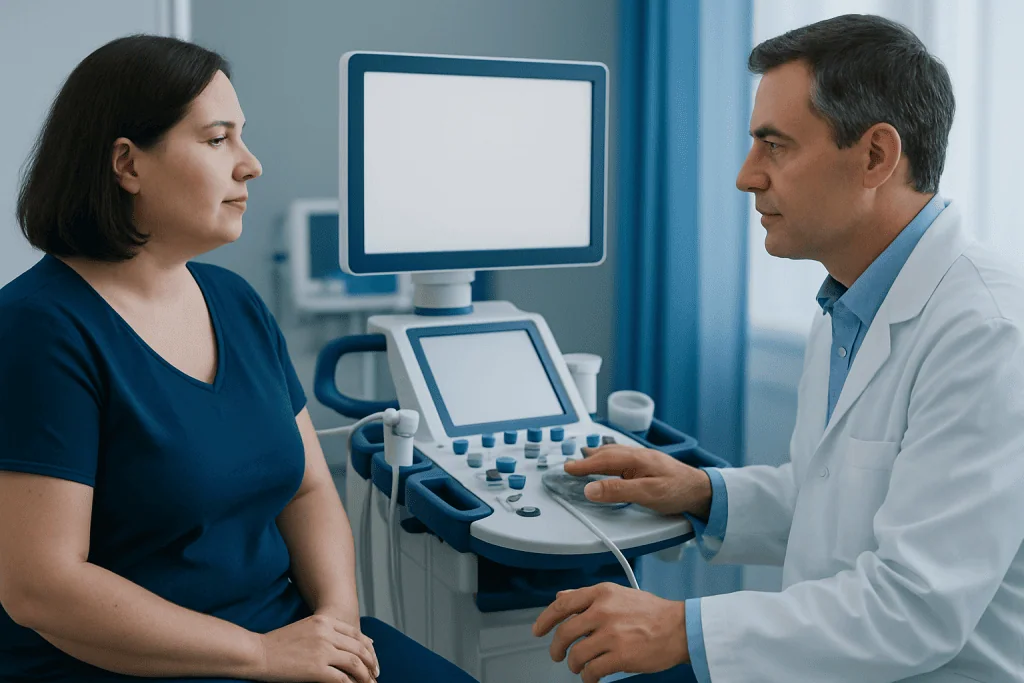
Endometrial ablation may be suitable for a person with heavy menstrual bleeding that interferes with work, sleep, social activities, or quality of life. It is often considered when bleeding remains troublesome despite treatments such as hormonal therapy, a levonorgestrel-releasing intrauterine device, or other medications. Some patients choose it because they want a less invasive option than surgery that removes the uterus.
A doctor will also consider age, overall health, menstrual history, and plans for future fertility. In general, people who still want to become pregnant are not considered good candidates. The procedure may also be less effective if the uterine cavity is significantly distorted by large fibroids or other structural problems. In such cases, evaluation for uterine fibroids or other uterine conditions may guide the next steps.
Endometrial ablation is not appropriate in every situation. It is usually avoided if there is active pelvic infection, suspected pregnancy, recent childbirth, untreated abnormalities of the uterine lining, or known or suspected endometrial cancer. A careful pre-procedure assessment helps identify these issues and supports safer decision-making.
Symptoms and conditions it does not replace

The main symptom endometrial ablation is designed to address is heavy menstrual bleeding, sometimes called menorrhagia. Patients may describe soaking through pads or tampons quickly, needing double protection, passing large clots, or having periods that last longer than expected. Ongoing heavy bleeding can also contribute to fatigue or weakness if iron deficiency develops.
At the same time, endometrial ablation is not a treatment for every gynecologic symptom. It is not used to treat pelvic masses, ovarian disorders, or cervical disease, and it does not cure all causes of pelvic pain. If bleeding occurs after menopause, evaluation is especially important because the causes and recommended tests differ from those in people who are still menstruating.
Doctors may also explore whether the bleeding is linked to other problems such as adenomyosis, fibroids, bleeding disorders, or hormone-related conditions. In some patients, another approach may be more helpful, including medications, management of an underlying disorder, or surgery such as hysterectomy when clinically appropriate.
How doctors evaluate heavy bleeding before the procedure
A thorough evaluation usually comes before endometrial ablation. The process often begins with a detailed medical history covering bleeding patterns, pain, medications, contraception, pregnancies, and any family history of gynecologic or bleeding disorders. A physical and pelvic examination may follow, along with blood tests to check for anemia or other relevant concerns.
Imaging and sampling are commonly used to understand the uterus before treatment. Pelvic ultrasound can help identify fibroids, polyps, or other structural changes. In many cases, doctors also assess the uterine lining directly, sometimes with an office biopsy, to rule out precancer or cancer. This step is important because endometrial ablation is meant to manage benign bleeding, not to treat malignancy.
Some patients may undergo hysteroscopy, which allows the doctor to look inside the uterus with a thin camera. If a structural cause is found, management may involve another procedure first, such as hysteroscopy to diagnose or treat certain intrauterine problems. This individualized evaluation is one reason the procedure should be planned with a qualified gynecologist rather than chosen as a one-size-fits-all solution.
How endometrial ablation is performed
There are several techniques for endometrial ablation, but they share the same goal: destroying the uterine lining so it sheds less each month. Different systems may use heat, radiofrequency energy, freezing, heated fluid, or other controlled methods. The choice depends on the shape and size of the uterus, the equipment available, and the doctor’s clinical judgment.
The procedure is often done as day treatment, meaning the patient usually goes home the same day. Depending on the method used and the patient’s needs, it may be performed in an office, outpatient clinic, or hospital setting. Pain control varies and may include local anesthesia, sedation, or general anesthesia. The doctor typically explains what to expect beforehand, including whether cervical preparation is needed.
Most procedures are relatively brief. A device is inserted through the cervix into the uterus, so no abdominal incisions are required. This can make recovery faster than more invasive surgery, although temporary cramping, watery discharge, and mild fatigue are common in the first days after treatment.
Benefits, limits, and possible risks
The main potential benefit of endometrial ablation is a meaningful reduction in menstrual bleeding. Many patients also appreciate the short procedure time and the fact that recovery is often quicker than with major surgery. For people whose heavy periods are causing repeated disruption to daily life, this can be a practical and effective option when carefully selected.
However, it is important to understand the limits. Endometrial ablation does not guarantee that periods will stop, and some patients continue to have regular bleeding, though lighter than before. Others may need repeat evaluation or another treatment later if bleeding persists or returns. It also does not address every source of pelvic symptoms, particularly if the underlying issue extends beyond the uterine lining.
Risks are uncommon but possible with any medical procedure. These may include infection, bleeding, injury to the uterus or nearby organs, fluid-related complications with some methods, or reactions related to anesthesia. Some people may later develop scarring inside the uterus or ongoing pelvic pain. A doctor can explain how individual risk changes based on age, medical history, and the specific technique being used.
- Results vary from person to person.
- Reliable contraception is still needed if pregnancy is possible.
- Persistent or new bleeding after treatment should be reviewed by a doctor.
Recovery, self-care, and life after the procedure
Recovery after endometrial ablation is usually straightforward, but experiences vary. Mild to moderate cramping may occur for a short time, and a watery or blood-tinged discharge can continue for several days or sometimes longer, depending on the technique used. Many people return to normal activities fairly soon, but the treating team may advise taking it easy for a day or two.
Self-care generally includes resting as needed, staying hydrated, and following the doctor’s instructions about pain relief, bathing, exercise, sexual activity, and tampon use. It is also helpful to monitor symptoms and keep follow-up appointments. If the doctor recommends iron support or further evaluation for anemia, that remains an important part of recovery from heavy bleeding.
Long-term expectations should be realistic. Menstrual patterns can continue to change over the months after treatment. Some people eventually need another procedure, especially if the original cause of bleeding was complex or if symptoms were not fully explained by the uterine lining alone. When ongoing symptoms remain difficult, a gynecologist may discuss additional options, including myomectomy in selected cases related to fibroids.
When to seek medical care
Medical review is important before considering endometrial ablation if periods are unusually heavy, prolonged, increasingly irregular, or associated with symptoms such as faintness, significant fatigue, or shortness of breath. Bleeding after menopause, bleeding between periods, or bleeding after sex also deserves prompt assessment because these patterns may need a different diagnostic approach.
After the procedure, patients should contact a doctor if they develop fever, severe or worsening pelvic pain, heavy bleeding, foul-smelling discharge, difficulty passing urine, or any symptom that feels out of proportion to the expected recovery. New or persistent bleeding months later should also be discussed, especially if it changes suddenly.
Care is best coordinated with a gynecologist who can evaluate both the bleeding and the underlying uterine health. For international patients, Acibadem International’s multidisciplinary specialists and JCI-accredited hospitals diagnose and treat gynecologic conditions with individualized planning and follow-up.
Frequently asked questions
Does endometrial ablation stop periods completely?
Sometimes, but not always. Many patients have lighter periods after endometrial ablation, while some stop having periods altogether. The outcome depends on the individual, the cause of the bleeding, and the technique used.
Can someone get pregnant after endometrial ablation?
Yes, pregnancy can still happen after endometrial ablation, even though fertility is usually reduced. Such pregnancies can be high risk for both the patient and the fetus. For that reason, reliable contraception is usually recommended if pregnancy is still possible.
Is endometrial ablation the same as a hysterectomy?
No. Endometrial ablation destroys the lining of the uterus, while hysterectomy removes the uterus itself. Ablation is less invasive, but it may not be suitable for all causes of heavy bleeding and does not provide the same definitive result as hysterectomy.
How long does recovery usually take?
Many people recover quickly and return to regular activities within a few days, although this varies. Mild cramping, tiredness, and watery discharge are common early on. The treating doctor will give specific advice based on the method used and the patient’s health.
Who should not have endometrial ablation?
It is generally not recommended for people who want future pregnancy, are pregnant, have active pelvic infection, or have known or suspected cancer or precancer of the uterine lining. It may also be unsuitable when the uterus has certain structural abnormalities. A proper evaluation helps determine whether it is appropriate.
What tests are done before endometrial ablation?
Doctors often begin with a history, pelvic examination, and blood tests. Many patients also need pelvic ultrasound and assessment of the uterine lining, sometimes with an endometrial biopsy. These tests help identify the cause of bleeding and rule out conditions that require different treatment.
This article is for general information only and is not a substitute for professional medical advice. Please consult a qualified doctor about your individual situation.
Explore treatments in Turkey — costs, top hospitals & a free quote
JCI-accredited · board-certified surgeons · reply within 24h
Add us as a Preferred Source to see more of our trusted health content across Google Search, AI Overviews and Discover.

More from the Health Library

Remineralize Teeth: An Evidence-Based Guide for Patients

Vyvgart Hytrulo: What Patients Need to Know

Ailurophobia: What Patients Need to Know

Willow the Tree: An Evidence-Based Guide for Patients

Chickenpox Virus Vaccine — Explained by Medical Evidence, Not Myths